The necessity of this event is underscored by the persistent nature of fall hazards on construction sites. Despite advancements in engineering controls and personal protective equipment (PPE), falls remain the leading cause of work-related deaths in the construction industry. According to data provided by the Bureau of Labor Statistics (BLS) and the Occupational Safety and Health Administration (OSHA), falls from heights—such as roofs, ladders, and scaffolds—account for approximately one-third of all construction industry fatalities annually. The stand-down serves as a necessary, high-visibility reminder that these incidents are largely preventable through rigorous planning, proper equipment utilization, and a culture of vigilance.
A Chronology of the Safety Stand-Down
The history of the National Safety Stand-Down reflects a broader shift in industrial safety culture, moving away from reactive measures toward proactive, prevention-based strategies. While regional safety days existed for decades, the national effort gained significant momentum in 2014, when federal safety agencies recognized that inconsistent safety standards across varying project sites were contributing to preventable accidents.
Since its formal inception, the event has grown into a collaborative effort between government bodies, trade unions, private contractors, and equipment manufacturers. In the early years, the curriculum focused almost exclusively on mechanical hazards, such as guardrail integrity and harness anchor points. By 2018, however, organizers began integrating secondary safety factors, recognizing that a worker’s ability to remain safe is intrinsically linked to their cognitive health and emotional well-being. This year’s curriculum marks a continuation of that holistic approach, dedicating specific segments to identifying signs of stress, fatigue, and burnout, which are known to diminish a worker’s situational awareness and reaction times.
Statistical Analysis of Industry Hazards
Data from recent reporting cycles indicate that while safety awareness is rising, the implementation of fall protection protocols remains uneven. Industry analysts point to "The Fatal Four"—falls, struck-by objects, electrocutions, and caught-in/between hazards—as the primary culprits in construction accidents. Of these, falls continue to represent the highest statistical risk.
For many smaller firms, the barrier to entry for high-level safety compliance is often perceived as cost-prohibitive. However, economic analysis suggests that the cost of a single fall-related fatality far exceeds the investment required for training and equipment. Beyond the human cost, which remains immeasurable, the financial implications for a company include litigation, increased insurance premiums, project delays, and the loss of experienced human capital. The upcoming May 4-8 stand-down is designed to bridge this gap, offering resources to companies that may lack a dedicated full-time safety officer.
Structured Training and Curriculum Objectives
Organizers have recommended a five-day roadmap to ensure that the stand-down produces tangible results rather than serving as a mere formality.
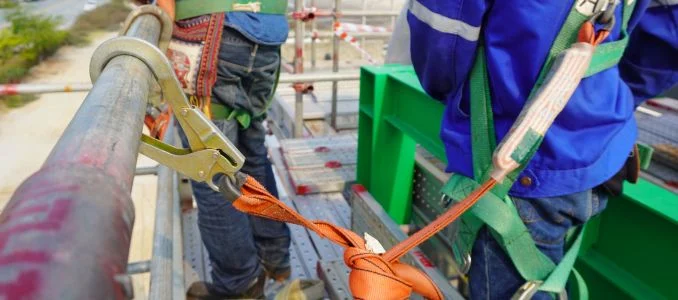
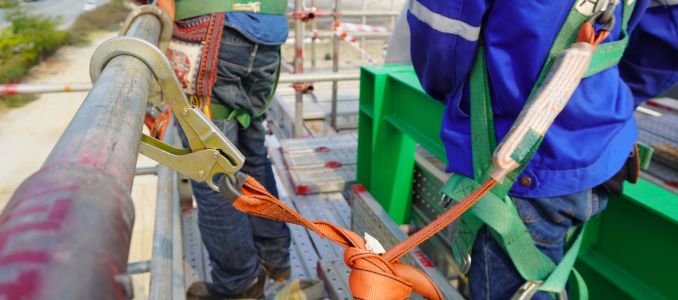
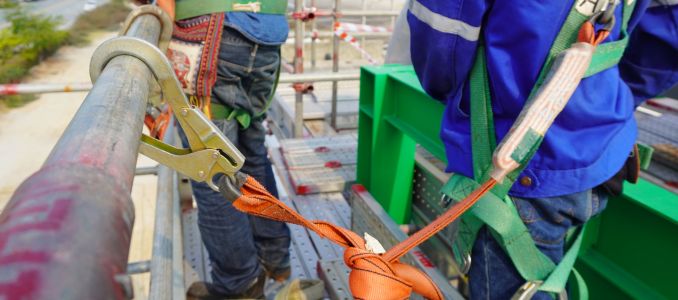
- Day One: The Fundamentals of Fall Protection. This day focuses on the "ABC" of fall protection: Anchorage, Body Support (harnesses), and Connectors (lanyards). Teams are instructed to inspect all existing gear for signs of wear, fraying, or mechanical failure.
- Day Two: Ladder and Scaffolding Safety. Given the frequency of ladder-related accidents, this day is dedicated to the proper setup, stabilization, and weight-limit adherence for all portable and fixed ladders on site.
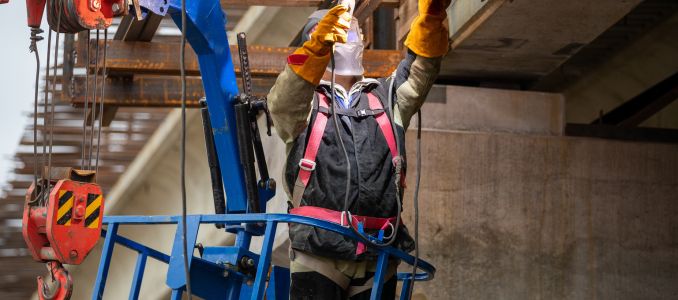
- Day Three: Roof Work and Perimeter Control. Specialized training is provided for workers operating at elevated heights, with a specific focus on leading-edge hazards and the setup of temporary guardrail systems.
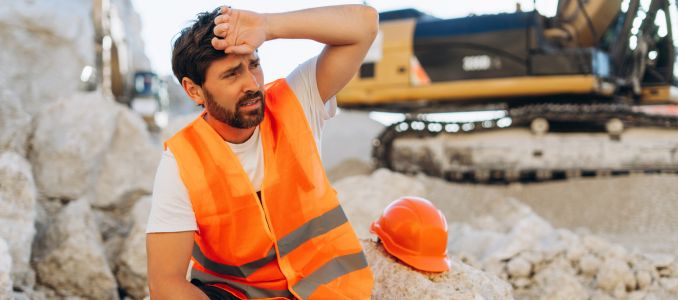
- Day Four: Mental Health and Situational Awareness. This module explores the link between mental health and physical safety. Workers are encouraged to identify signs of stress and learn the resources available for professional support.
- Day Five: Emergency Response and Rescue Planning. The final day focuses on the "what if" scenario. Teams review how to perform a self-rescue or a peer-rescue, emphasizing that the time elapsed between a fall and the arrival of professional medical help is often the deciding factor in survival outcomes.
Official Resources and Professional Support
A critical component of the 2026 initiative is the increased availability of expert consultation services. The Division of Occupational Safety and Health (DOSH) has emphasized that its primary goal during this period is educational, not punitive. By offering confidential, no-cost consultations, DOSH aims to encourage employers to expose potential hazards without the fear of immediate fines or administrative penalties. This "safety-first" approach is intended to foster transparency between regulators and the private sector.
Furthermore, the industry is increasingly leveraging digital tools to reach a diverse workforce. Bilingual training materials are now standard, ensuring that language barriers do not compromise the safety of migrant or non-native speaking workers. Toolbox talks—short, focused safety discussions held on-site before the start of a shift—have been digitized and made available for download to help supervisors facilitate these conversations with minimal administrative burden.
Implications for Industry Culture
Industry leaders and trade associations have responded positively to the announcement of the stand-down. Many major general contractors have mandated participation for all subcontractors on their sites, signaling that safety is a non-negotiable contract requirement. Experts suggest that the success of the 2026 event will be measured not just by the number of participants, but by the long-term adoption of the practices discussed during the week.
The broader implication of this event is the ongoing professionalization of the construction trades. As technology integrates with construction—through the use of wearable sensors that detect falls and drones that inspect roof integrity—the definition of a "safe site" is evolving. However, technology remains a supplement to, not a replacement for, human vigilance.

Safety advocates maintain that the most effective tool in any worker’s kit is their own awareness, bolstered by a supportive team environment. By dedicating a full week to the singular goal of preventing falls, the industry is reaffirming its commitment to the principle that every worker has the right to return home in the same condition they arrived. As the May 4 start date approaches, the focus remains clear: verify equipment, educate the workforce, and prioritize the mental and physical well-being of the people who build the nation’s infrastructure.
For those looking to participate, resources remain available through the OHSOnline portal and the official DOSH safety databases. Employers are encouraged to begin their planning immediately, as the most effective stand-downs are those that are tailored to the specific hazards and site conditions unique to each individual project. By treating the week as a springboard for year-round safety improvements, the construction industry continues to make strides toward the ultimate goal of zero workplace fatalities.