The Escalating Climate Crisis and Occupational Safety
The meteorological outlook for 2026 suggests that extreme heat events are becoming more frequent, longer-lasting, and more intense. According to data from the National Oceanic and Atmospheric Administration (NOAA) and recent shifts in the Global Climate Index, the frequency of heatwaves has increased by approximately 15% over the last five years. For the outdoor worker, this translates into a workplace environment that is increasingly hostile to human physiology.
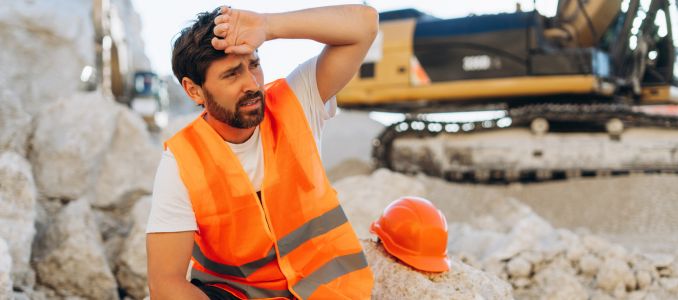
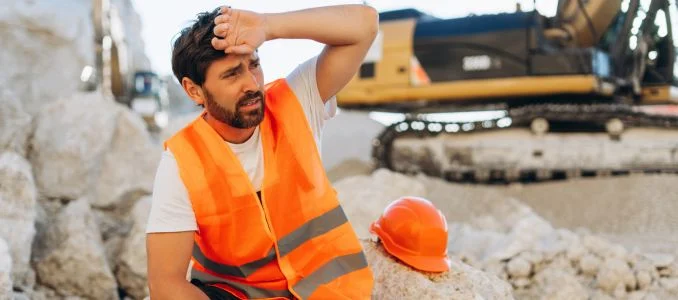
The primary risk, heat exhaustion, represents a significant portion of preventable occupational injuries. Medical experts emphasize that the human body functions optimally within a narrow range of internal temperatures. When ambient temperatures surpass 30 degrees Celsius (86 degrees Fahrenheit), the body’s reliance on evaporative cooling—primarily through sweat—must increase exponentially. If environmental conditions exceed the body’s ability to dissipate this thermal load, internal core temperatures rise, leading to a cascade of physiological distress ranging from heat cramps and exhaustion to the potentially fatal condition of heat stroke.
Chronology of Adaptation: The Acclimatization Gap
One of the most persistent, yet often neglected, findings in occupational health is the "acclimatization gap." Statistical analysis of heat-related fatalities reveals a disturbing trend: a disproportionate number of incidents occur within the first three to five days of a worker’s assignment to a high-heat environment. This window represents the period during which the human body is still undergoing the physiological adaptations necessary to handle thermal stress, such as increased plasma volume and more efficient electrolyte retention.
Safety professionals are now advocating for a mandatory "acclimatization schedule." This protocol dictates that new or returning employees should only perform 20% of their usual duration of work in the heat on their first day, with a 20% increase in exposure each subsequent day. By staggering the workload, employers allow the cardiovascular and thermoregulatory systems to adjust naturally, significantly lowering the risk of acute injury.
Ergonomics and the Thermal Interface
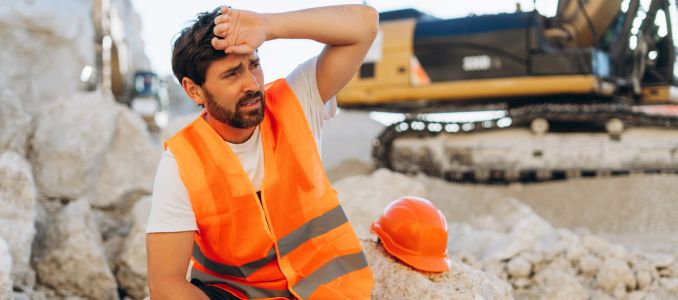
While heat management focuses on the environment, ergonomics focuses on the intersection of human movement and equipment. The two are inextricably linked. When a worker is fatigued from heat stress, their gait, grip strength, and cognitive decision-making abilities decline. This degradation in physical performance leads to poor posture, improper lifting techniques, and a lack of attention to detail—all of which serve as precursors to musculoskeletal disorders (MSDs).
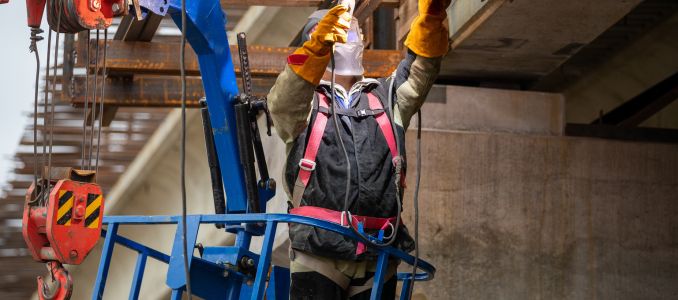
In the context of 2026, safety engineering has shifted toward a holistic model. For instance, the use of heavy Personal Protective Equipment (PPE) is being re-evaluated. While essential for protection against physical hazards, traditional PPE often traps body heat, creating a "micro-climate" of high temperature and humidity against the skin. Innovations in moisture-wicking fabrics and ventilated harness designs are currently being integrated into corporate safety standards to mitigate this trap.
Industry Data and Physiological Strain
Data collected by the Occupational Safety and Health Administration (OSHA) indicates that laborers in the construction sector are at the highest risk for heat-related illness, accounting for approximately 35% of all reported heat-related workplace fatalities. This is attributed to the combination of high physical exertion and the lack of shade or climate-controlled rest areas.
Further complicating this is the presence of secondary risk factors. Research published in the Journal of Occupational and Environmental Medicine confirms that pre-existing conditions—including cardiovascular disease, respiratory issues, and even common medications—can severely hamper an individual’s ability to maintain thermoregulation. Furthermore, dehydration and the residual effects of alcohol consumption act as force multipliers for heat stress, accelerating the transition from mild discomfort to medical emergency.
Strategic Responses and Policy Shifts
Industry leaders have begun to respond to these challenges with more rigorous policy frameworks. Many firms are now implementing "Heat Action Plans" that utilize real-time weather monitoring technology. These systems provide automated alerts to site managers when the Wet Bulb Globe Temperature (WBGT)—a measure that accounts for temperature, humidity, wind speed, and solar radiation—exceeds safe threshold levels.
"The objective is to move away from reactive measures toward a proactive, data-driven culture of safety," states a spokesperson for a leading industrial safety consultancy. "We are seeing a trend where companies are investing in wearable cooling technology and mandatory hydration monitoring. However, these tools are ineffective if the organizational culture does not prioritize the worker’s right to pause work when conditions become dangerous."

Implications for Organizational Stability
The cost of failing to manage heat stress extends far beyond the immediate health risks to the employee. From an operational perspective, heat stress is a primary driver of reduced productivity, increased error rates, and higher turnover. When workers are subjected to prolonged heat exposure, their reaction times slow, and their ability to perform complex tasks diminishes. In high-stakes environments, such as construction sites involving heavy machinery or elevated work, this loss of cognitive clarity is a significant safety liability.
Furthermore, the legal and financial ramifications for organizations that fail to maintain safe working conditions are growing. With the 2026 legislative climate favoring more stringent workplace protections, companies that neglect thermal management face potential litigation, increased insurance premiums, and damage to their professional reputation.
The Role of Ergonomics in Heat Mitigation
Ergonomic interventions can act as a buffer against heat-related exhaustion. By reducing the physical effort required to perform a task—such as through the use of hydraulic lift assists, improved tool balance, or optimized workflow scheduling—employers can reduce the metabolic heat produced by the body.

In the heat of the summer, the body’s cooling system is already working at maximum capacity. If the work itself is unnecessarily strenuous due to poor ergonomic design, the risk of a heat-related incident skyrockets. Therefore, the future of safe labor involves "thermal-ergonomic integration." This involves analyzing the task, the worker’s physical capability, the required PPE, and the environmental temperature as a single, unified system.
Conclusion: A Proactive Path Forward
As the summer of 2026 progresses, the evidence remains clear: environmental volatility is a constant that cannot be negotiated. Organizations that view heat management as a mere seasonal formality are likely to face significant challenges. Conversely, those that adopt a comprehensive, evidence-based approach—prioritizing heat acclimatization, ergonomic optimization, and proactive monitoring—will find themselves better positioned to maintain both the safety of their workforce and the efficiency of their operations.
Moving forward, the successful enterprise will be one that treats every worker’s physiological limit as a hard boundary. By combining modern monitoring technology with a deeper understanding of human biology and movement, the industry can create a safer, more sustainable environment for the millions of people who form the backbone of our economy, even as the mercury continues to rise.