The Evolution of Electrical Safety Oversight
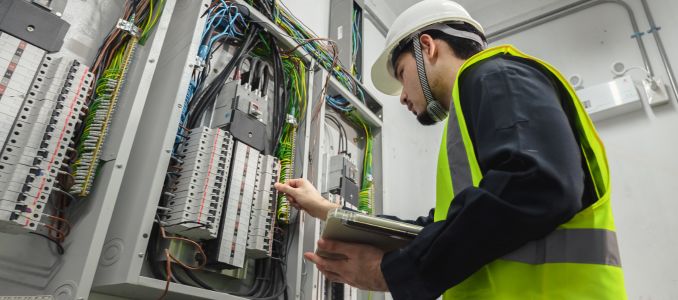
The history of electrical inspection in the United States is rooted in the necessity of standardizing safety protocols to mitigate the risks of fire, electrocution, and structural hazards associated with evolving electrical infrastructure. The NFPA, established in 1896, has served as the primary arbiter of these standards. For decades, state-level inspector associations have operated as localized entities, often struggling with fragmented resources or inconsistent interpretations of code.
The transition for the Arkansas Electrical Inspector Association into an NFPA affiliate chapter did not occur in a vacuum. It follows a multi-year trend of professionalization within the inspection industry. Throughout the early 2020s, the AEIA sought to bridge the gap between rural and metropolitan code enforcement. By aligning with the NFPA’s Electrical Inspection Section, the chapter intends to transition from a localized networking group into a robust educational powerhouse. This shift is designed to ensure that inspectors in both Little Rock and the state’s more remote counties are operating under the same high-level technical guidance, thereby creating a more predictable and safer environment for contractors, developers, and homeowners.
Supporting Data and the NEC Landscape
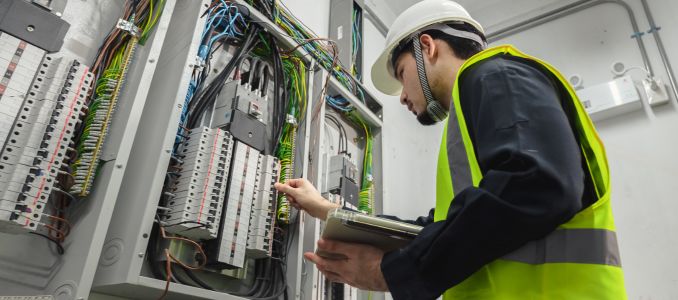
The National Electrical Code is the benchmark for safe electrical design, installation, and inspection in the United States. According to data provided by the NFPA, the NEC is adopted by all 50 states, though the specific version or "cycle" of the code can vary significantly by jurisdiction. Arkansas, like many other states, has faced the persistent challenge of ensuring that local inspectors are adequately trained on the nuances of the most recent code cycles.
Recent industry studies suggest that improper electrical installations are responsible for approximately 51,000 fires annually in the United States, resulting in nearly 500 deaths and over 1,400 injuries. These figures underscore the critical importance of the role played by the inspector. By joining the NFPA’s affiliate network, the Arkansas chapter aims to address the “knowledge gap” that often occurs during the three-year revision cycle of the NEC. With access to NFPA’s repository of technical data, webinars, and interpretive guides, Arkansas inspectors can now more effectively identify non-compliant installations before they become hazards, potentially reducing the statistical frequency of electrical-related fire incidents within the state.
A Growing Network of Professional Chapters
Arkansas is not an outlier in its decision to formalize ties with the NFPA. The state joins a burgeoning list of regional organizations that have recognized the utility of the affiliate model, including established chapters in Alabama, Colorado, Kentucky, and Ohio. Each of these states has utilized the affiliation to standardize their continuing education programs for inspectors.
In Kentucky, for example, the affiliation helped harmonize the relationship between state-level electrical inspectors and the insurance industry, which relies on consistent code enforcement to assess risk and determine premiums. Similarly, in Ohio, the affiliation provided a platform for uniform certification testing, ensuring that inspectors from different municipalities meet the same baseline competencies. For Arkansas, this creates a model of "cooperative independence." The AEIA maintains its autonomy regarding state-specific administrative procedures, while the NFPA provides the "intellectual backbone" of technical code training and compliance methodology.
Official Perspectives on the Integration
While the transition is primarily an administrative and educational upgrade, it holds significant weight for the regulatory landscape. Industry experts and officials familiar with the integration process note that this move is essentially a shift toward a more proactive, rather than reactive, approach to public safety.
"The objective is to foster a culture of professional consistency," noted a policy analyst familiar with building safety standards. "When inspectors are isolated, code interpretation becomes subjective. When they are part of a national affiliate network, they are participating in a global conversation about how the code is meant to be applied, how new technologies—such as electric vehicle chargers and renewable energy systems—should be inspected, and how to effectively communicate these requirements to the public."
The membership benefits extended to the Arkansas inspectors under this agreement are comprehensive. Beyond mere training, members gain the ability to contribute to the code development process. This is a critical factor for the state’s inspectors, as they are often the first to encounter real-world installation challenges that may necessitate future revisions to the NEC. By providing feedback to the NFPA, Arkansas inspectors now have a direct line to influence the evolution of the national code, ensuring that the regulations of tomorrow are informed by the on-the-ground experience of today.
Broader Implications for the Arkansas Construction Sector
The implications of this affiliation extend beyond the inspection office. Contractors and electrical engineers operating within Arkansas are likely to see a shift in the consistency of inspection protocols. One of the primary frustrations for electrical contractors is the variation in how codes are applied between different municipalities. If an inspector in one county requires a specific type of grounding method that another inspector in an adjacent county deems unnecessary, the cost and timeline of projects can be significantly impacted.
By aligning with the NFPA’s national standards and resources, the Arkansas chapter is setting the stage for a more uniform enforcement environment. While this does not override local ordinances, it provides a "best practices" framework that encourages inspectors to adopt a standardized approach. For the construction sector, this means greater predictability, reduced project delays, and a clearer understanding of what is expected during the permitting and inspection phases of a project.
The Role of the NFPA in Modern Safety
The NFPA has consistently positioned itself as the global authority on fire, life, and electrical safety. Its influence is felt in everything from the development of high-voltage transmission safety protocols to the granular requirements for residential wiring. The inclusion of Arkansas into the EIS Affiliate Chapter reflects the association’s broader strategy to "decentralize" its expertise. Instead of acting as a remote entity, the NFPA is embedding its resources directly into the local professional bodies that hold the most power to affect public safety on a daily basis.
The training modules available to the new Arkansas chapter include specialized courses on emerging electrical technologies. As the nation pivots toward electrification—including the integration of battery storage systems and solar arrays—the complexity of electrical inspections has increased exponentially. The NFPA’s partnership provides the necessary curriculum to keep inspectors updated on these cutting-edge technologies, ensuring that the rapid pace of innovation in the energy sector does not outstrip the safety protocols designed to manage it.
Looking Ahead
As the Arkansas Electrical Inspector Association begins its tenure as an NFPA affiliate, the focus will undoubtedly shift toward implementation. This involves the rollout of new training programs, the scheduling of regional seminars, and the integration of NFPA digital resources into the daily workflows of state inspectors.
The success of this partnership will be measured over time by the consistency of code application and, ultimately, the long-term safety statistics of the state. For the public, this news might seem like a minor administrative adjustment, but for the professionals who ensure that the walls and ceilings of our homes and businesses are safe to occupy, it represents a transformative leap in resources and capability. By linking with the National Fire Protection Association, Arkansas has taken a decisive step toward ensuring that its electrical infrastructure remains at the forefront of safety and professional excellence.