
The Intricate Mechanism of Hearing and the Genesis of Hearing Loss
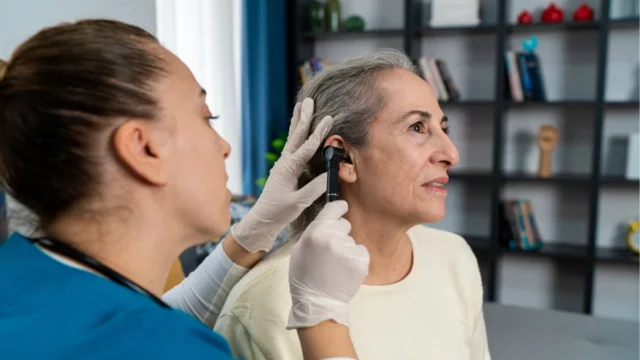
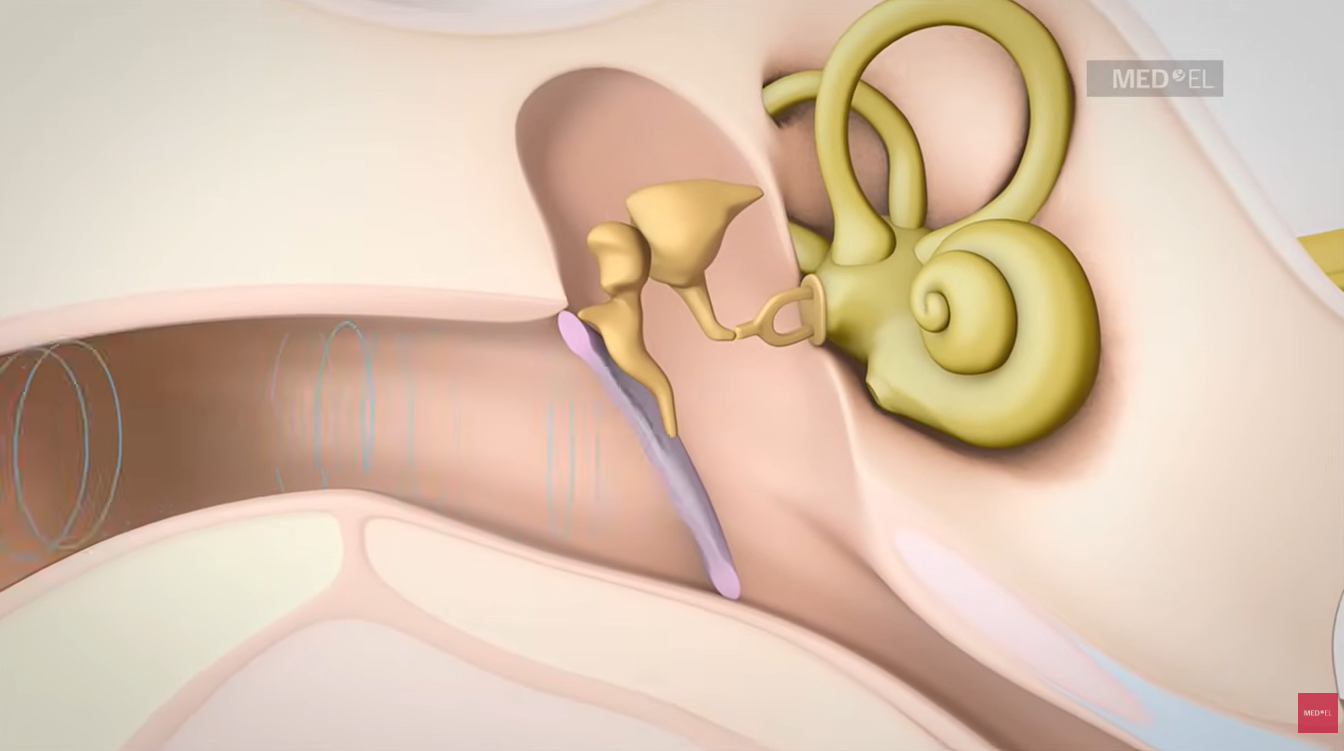
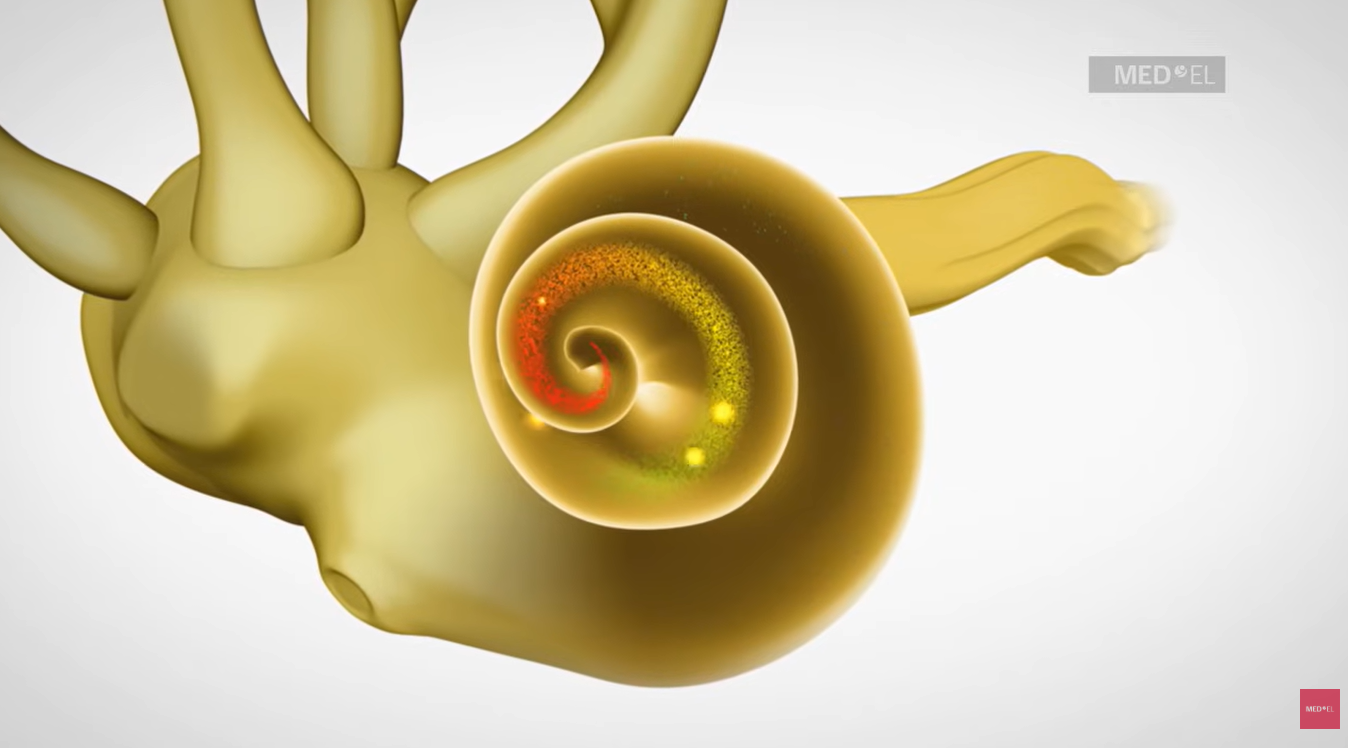
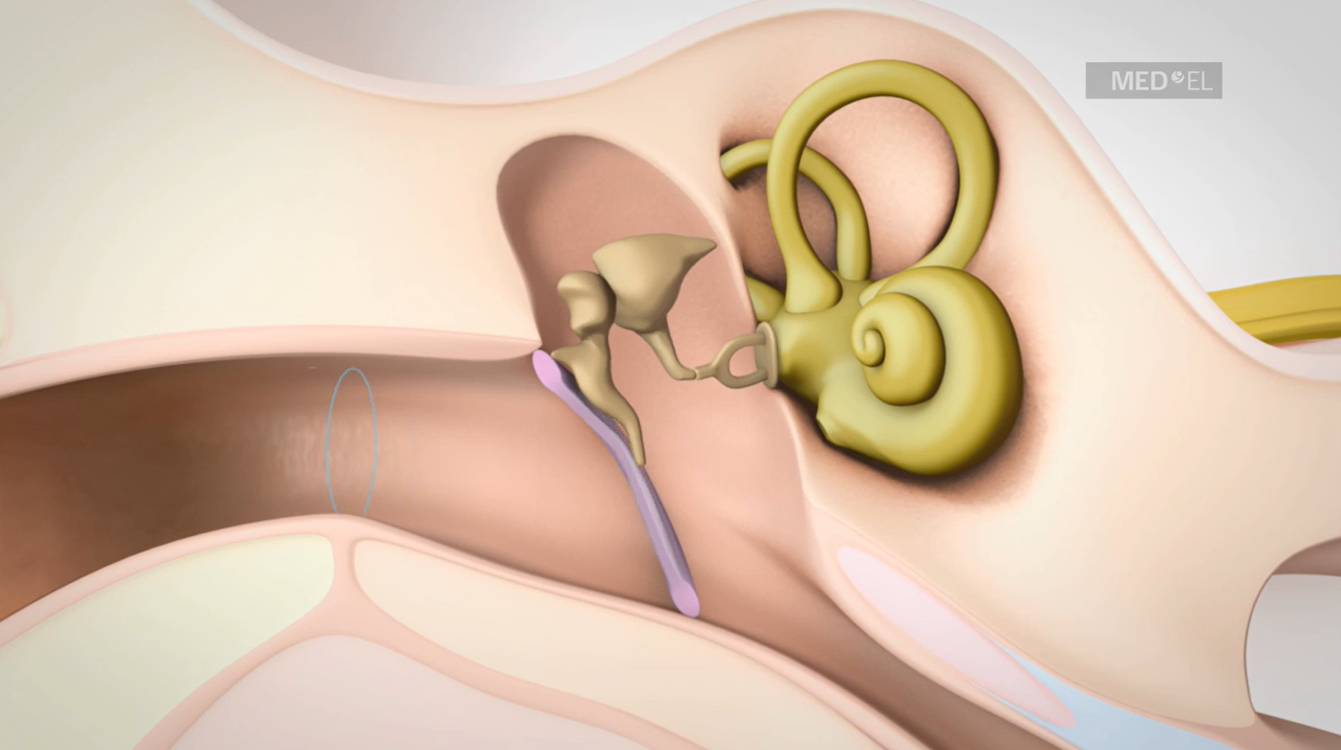
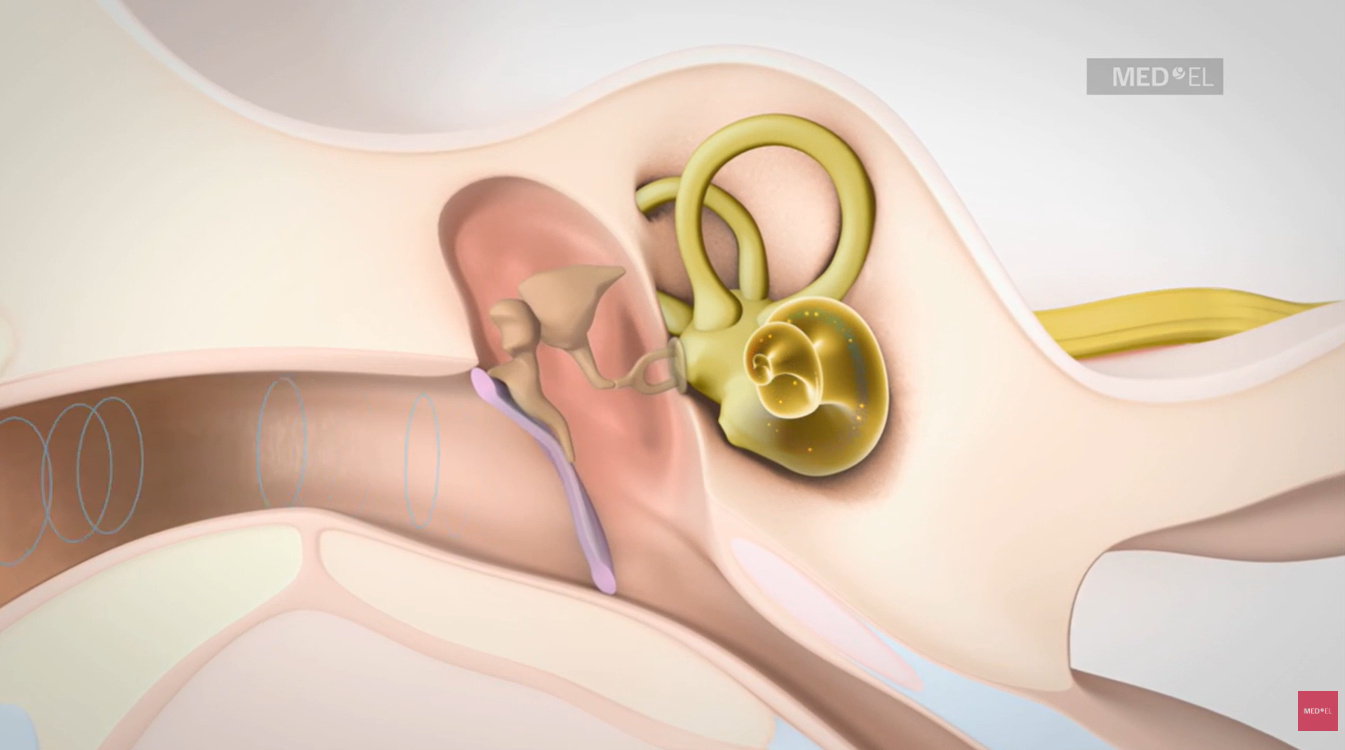
To grasp the origins of hearing loss, it is essential to understand the sophisticated process through which we perceive sound. This journey begins with sound waves, which travel through the air and are collected by the outer ear, funneling them into the ear canal. The eardrum vibrates in response to these waves, transmitting the motion to the middle ear. Here, a chain of three tiny bones—the malleus, incus, and stapes—amplifies these vibrations. These amplified signals are then relayed to the inner ear, specifically to the cochlea, a spiral-shaped structure filled with fluid and thousands of delicate hair cells. The movement of these hair cells generates electrical signals, which are transmitted via the auditory nerve to the brain. It is in the brain that these signals are interpreted as recognizable sounds.
Hearing loss can occur at any juncture of this intricate pathway. Blockages, infections, or structural abnormalities in the outer or middle ear can impede the efficient transmission of sound. Damage to the hair cells within the inner ear, or to the auditory nerve itself, can disrupt the conversion of mechanical vibrations into electrical signals, or their transmission to the brain. Such disruptions can lead to a range of hearing impairments, each with distinct characteristics and implications for treatment.
Categorizing Hearing Loss: Types and Their Underlying Causes
Hearing health professionals classify hearing loss into three primary categories based on the affected part of the auditory system. This classification is crucial for accurately diagnosing the cause and formulating the most effective treatment strategy. Each type can be either temporary or permanent, depending on the nature of the underlying issue.
Sensorineural Hearing Loss (SNHL): The Most Prevalent Form
Sensorineural hearing loss arises from damage to the inner ear, the hair cells, or the auditory nerve. This is the most common type of hearing loss, particularly among adults.

-
Age-Related Hearing Loss (Presbycusis): As individuals age, natural physiological changes occur within the inner ear, affecting the hair cells and auditory nerve. This typically leads to a gradual, bilateral (affecting both ears) high-frequency sensorineural hearing loss. While usually permanent, advancements in hearing technology, such as hearing aids and cochlear implants, can significantly improve communicative abilities. The World Health Organization (WHO) estimates that by 2050, over 1.5 billion people worldwide will have disabling hearing loss, with age-related hearing loss being a significant contributing factor.
-
Noise-Induced Hearing Loss (NIHL): Prolonged or sudden exposure to excessively loud sounds is a major cause of sensorineural hearing loss. This can result from activities such as attending loud concerts, using power tools without protection, working in noisy environments, or even listening to music at high volumes through headphones. The damage to the delicate hair cells in the cochlea is often cumulative and irreversible. Studies have shown that exposure to sound levels above 85 decibels for extended periods can lead to permanent hearing damage.
-
Other Causes of SNHL: Genetic factors, certain medical conditions (such as Meniere’s disease or otosclerosis that affects the stapes bone and can lead to conductive loss initially but often progresses to SNHL), and some medications (ototoxic drugs used in chemotherapy or for infections) can also damage the inner ear or auditory nerve, leading to sensorineural hearing loss.
Conductive Hearing Loss: Obstructions in Sound Transmission
Conductive hearing loss occurs when sound waves are unable to travel efficiently through the outer or middle ear to reach the inner ear.
- Earwax Blockage: Excessive earwax buildup is a common and often easily treatable cause of conductive hearing loss.
- Ear Infections and Middle Ear Fluid: Infections in the middle ear (otitis media) or the accumulation of fluid behind the eardrum can significantly impair sound conduction. This is particularly prevalent in children, and recurrent infections can sometimes lead to more persistent issues.
- Structural Abnormalities: Conditions like perforated eardrums or problems with the ossicular chain (the tiny bones in the middle ear) can also result in conductive hearing loss.
- Otosclerosis: This condition involves abnormal bone growth in the middle ear, often affecting the stapes, which can impede its ability to transmit vibrations. While it can start as conductive hearing loss, it can progress to affect the inner ear, leading to a mixed hearing loss.
Many causes of conductive hearing loss are temporary and can be resolved with medical intervention, such as antibiotics for infections or procedures to clear blockages. However, if left untreated, some conditions can lead to more permanent damage.
Mixed Hearing Loss: A Combination of Issues
Mixed hearing loss is characterized by the presence of both sensorineural and conductive hearing loss. This means there is damage to the inner ear or auditory nerve, as well as an impediment in the sound pathway through the outer or middle ear. Treatment for mixed hearing loss is often more complex, requiring a tailored approach to address both components of the impairment.
Diagnosing Hearing Loss: The Path to Understanding
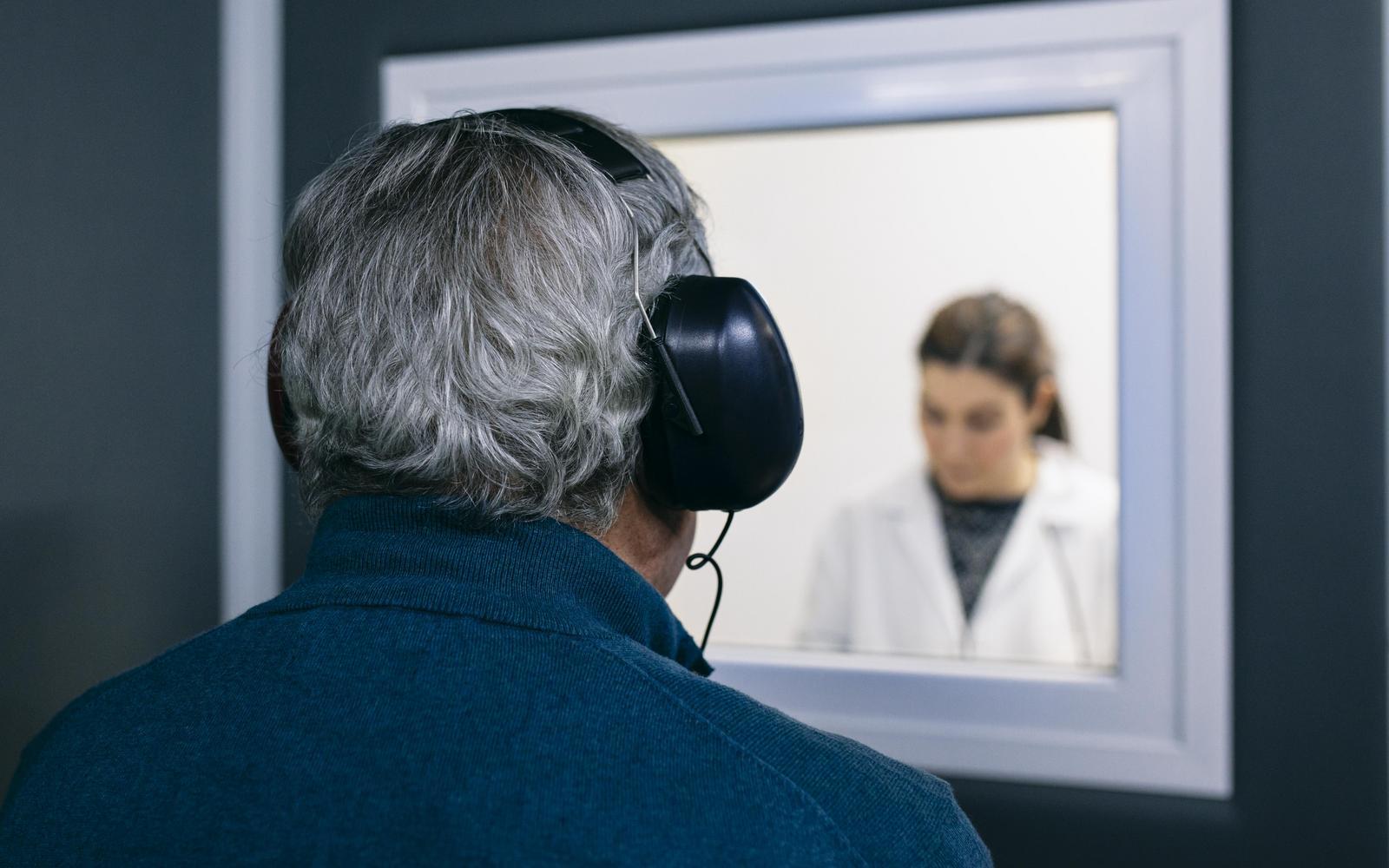
The first and most critical step in addressing any concerns about hearing is to undergo a professional hearing assessment. These tests are non-invasive and provide invaluable data about an individual’s hearing capabilities.
- Hearing Tests: Audiologists utilize a variety of tests to evaluate hearing function. These can range from simple screening tests to comprehensive diagnostic evaluations.
- Audiogram: This is a graphical representation of a person’s hearing ability across different frequencies and loudness levels. It helps identify the type and degree of hearing loss.
- Online Hearing Tests: While not a substitute for a professional evaluation, online hearing tests can serve as a preliminary screening tool, offering an initial indication of potential hearing issues and prompting individuals to seek further assessment.
The results of these tests are pivotal in pinpointing the specific type of hearing loss, identifying potential causes, and determining the need for further medical investigation or intervention.
Treatment Strategies: Tailored Solutions for Diverse Needs
The treatment for hearing loss is highly individualized, depending on the specific type, cause, and severity of the impairment. While some forms of hearing loss may be reversible, many are permanent, yet manageable with modern technological advancements.
-
Medical and Surgical Interventions: For conductive hearing loss, medical treatments such as ear drops, antibiotics, or surgical procedures to repair perforated eardrums or address middle ear issues can restore hearing. In cases of single-sided deafness or specific types of conductive or mixed hearing loss, bone conduction devices or middle ear implants may be considered.
-
Hearing Aids: These electronic devices are designed to amplify sound, making it easier for individuals with sensorineural, conductive, or mixed hearing loss to perceive speech and environmental sounds. They are programmed based on individual hearing test results, lifestyle needs, and personal preferences. Hearing aid technology has advanced significantly, offering discreet and sophisticated solutions for mild to severe hearing loss.
-
Cochlear Implants: For individuals with severe to profound sensorineural hearing loss, where conventional hearing aids provide limited benefit, cochlear implants offer a revolutionary solution. Unlike hearing aids, which amplify sound, cochlear implants bypass the damaged parts of the inner ear and directly stimulate the auditory nerve with electrical signals, allowing sound to be perceived by the brain. MED-EL, a pioneer in this field, offers a range of cochlear implant systems designed for both adults and children, aiming to restore a vital connection to the world of sound. The development of cochlear implant technology has been a testament to decades of research and innovation, transforming the lives of hundreds of thousands worldwide.
Taking Action: Next Steps for Improved Hearing and Quality of Life
For anyone experiencing concerns about their hearing, proactive steps are essential. The journey to better hearing typically begins with:
- Self-Assessment: Utilize online hearing tests as a preliminary screening tool to gauge current hearing abilities.
- Professional Consultation: Schedule a comprehensive hearing test with a qualified audiologist or hearing healthcare professional. This is the definitive step in understanding the nature and extent of any hearing loss.
- Understanding Causes and Options: Educate yourself about the various causes of hearing loss and the available treatment options, including hearing aids and cochlear implants.
- Personalized Guidance: Seek tailored advice from healthcare professionals who can recommend the most suitable solutions based on your individual circumstances.
Early intervention is paramount. Taking timely action can not only help preserve remaining hearing but also significantly improve communication, cognitive function, and overall quality of life. The MED-EL team emphasizes that understanding the causes of hearing loss is the first step toward effective management and a more fulfilling auditory experience.
As Dr. Yi Ge highlights, "Understanding the specific causes of hearing loss is fundamental for recommending the most effective treatment. Early identification and intervention can not only address the underlying issues but also protect remaining hearing and support long-term planning for enhanced communication and well-being." The ongoing advancements in hearing technology and a growing awareness of hearing health underscore a hopeful future for individuals navigating the challenges of hearing loss.