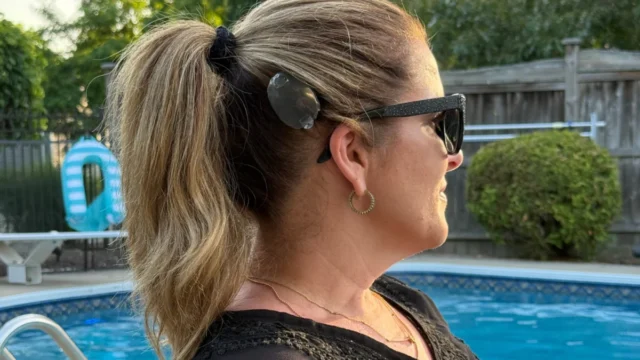

The Spectrum of Unilateral Hearing Loss
Unilateral hearing loss refers to a significant reduction in hearing ability in one ear, spanning the spectrum from mild impairment to profound deafness. Individuals experiencing this condition may perceive sounds as quieter, less distinct, or more challenging to comprehend on the affected side. The hearing loss can be transient, fluctuating, progressive, or permanent. When one ear possesses little to no functional hearing, the condition is commonly designated as single-sided deafness (SSD). This disparity in auditory input can profoundly affect an individual’s perception of the world, impacting spatial awareness, communication in noisy environments, and overall auditory comfort.
Unraveling the Causes: From Simple Blockages to Complex Neural Damage
The reasons behind unilateral hearing loss are diverse, ranging from easily treatable conditions to complex inner ear or nerve damage. Understanding these causes is crucial for timely diagnosis and effective intervention.
Causes Affecting Sound Transmission (Often Treatable)
These types of hearing loss typically involve obstructions or issues within the outer or middle ear, hindering the mechanical transmission of sound waves to the inner ear. Fortunately, many of these conditions are amenable to medical or surgical treatment, offering the potential for hearing restoration.

- Earwax Blockage: An accumulation of earwax can physically obstruct the ear canal, muffling sounds. This is a common and easily resolved cause of temporary hearing loss.
- Middle Ear Infections (Otitis Media): Inflammation and fluid buildup in the middle ear can impede the vibration of the eardrum and ossicles, leading to conductive hearing loss.
- Perforated Eardrum: A tear or hole in the eardrum can disrupt the transmission of sound vibrations.
- Otosclerosis: A condition characterized by abnormal bone growth in the middle ear, which can fix the stapes bone, preventing it from transmitting sound vibrations effectively.
- Eustachian Tube Dysfunction: Issues with the Eustachian tube, which connects the middle ear to the back of the throat, can lead to pressure imbalances and fluid accumulation, affecting hearing.
Causes Affecting Sound Transduction (Inner Ear) or Neural Transmission (Auditory Nerve)
This category, known as unilateral sensorineural hearing loss, involves damage to the delicate structures of the inner ear (cochlea) or the auditory nerve, which transmits electrical signals to the brain. These types of hearing loss are generally permanent and often irreversible, necessitating assistive listening devices or more advanced interventions.
- Age-Related Hearing Loss (Presbycusis): While typically bilateral, age-related changes can sometimes affect one ear more significantly or present earlier.
- Noise-Induced Hearing Loss: Prolonged exposure to loud noises can damage the hair cells in the cochlea, leading to sensorineural loss. This can sometimes be asymmetrical if exposure is primarily on one side.
- Viral or Bacterial Infections: Certain infections, such as meningitis or measles, can damage the auditory nerve or inner ear structures.
- Meniere’s Disease: This inner ear disorder is characterized by fluctuating hearing loss, tinnitus, vertigo, and a feeling of fullness in the ear. It often begins unilaterally.
- Acoustic Neuroma (Vestibular Schwannoma): A non-cancerous tumor that grows on the auditory nerve. It can cause progressive hearing loss, tinnitus, and dizziness, typically on one side.
- Ototoxic Medications: Certain drugs, including some antibiotics and chemotherapy agents, can be toxic to the inner ear, leading to hearing damage.
- Head Trauma: A severe blow to the head can injure the structures of the inner ear or auditory nerve.
Less Common but Important Causes
- Autoimmune Inner Ear Disease: The body’s immune system attacks the inner ear.
- Vascular Issues: Reduced blood flow to the inner ear can cause damage.
- Idiopathic Causes: In some instances, the precise cause of unilateral hearing loss remains undetermined even after thorough investigation.
The Urgency of Sudden Unilateral Hearing Loss
Sudden unilateral hearing loss, developing rapidly over hours to days, is a critical medical event that demands immediate attention. Often described by individuals as waking up with a blocked or muffled sensation in one ear, this condition is particularly concerning if it is sensorineural in nature. The American Academy of Otolaryngology–Head and Neck Surgery emphasizes that sudden sensorineural hearing loss is a medical emergency.
Immediate Actions for Sudden Hearing Loss
- Seek immediate medical evaluation: Contact an Ear, Nose, and Throat (ENT) specialist or visit an emergency room without delay.
- Undergo a hearing test: A prompt audiological assessment is essential to determine the extent and type of hearing loss.
- Discuss treatment options: Early intervention, often involving corticosteroids, can significantly improve the chances of recovering hearing. Delays in treatment can lead to permanent hearing loss.
Unilateral Tinnitus Without Apparent Hearing Loss: A Complex Phenomenon
The occurrence of tinnitus, a perception of sound such as ringing or buzzing in the ear, in one ear without a detectable hearing loss on standard audiometric tests, can be puzzling. While a standard hearing test might appear normal, subtle changes in the auditory system might still be present.
Possible explanations for unilateral tinnitus without diagnosed hearing loss include:
- Subtle Sensorineural Changes: Early or mild damage to the inner ear or auditory nerve might not yet manifest as a significant hearing loss on a standard test but can still trigger tinnitus.
- Vascular Abnormalities: Pulsatile tinnitus, which often synchronizes with the heartbeat, can sometimes be unilateral and may be related to blood flow issues near the ear.
- Neurological Conditions: Although rare, certain neurological conditions affecting the auditory pathways can cause unilateral tinnitus.
- Temporomandibular Joint (TMJ) Disorders: Problems with the jaw joint can sometimes refer pain or sensations, including tinnitus, to one ear.
- Stress and Anxiety: Psychological factors can exacerbate or even trigger tinnitus.
It is crucial to consult a healthcare professional if unilateral tinnitus is experienced, especially if it is persistent or accompanied by other symptoms like dizziness or facial pain. Further specialized testing, such as advanced imaging or specific auditory tests, might be necessary to identify the underlying cause.

Navigating the Symptoms of Unilateral Hearing Loss
Even mild unilateral hearing loss can present a range of challenges that significantly impact daily life. The inability to accurately pinpoint sound direction and difficulty distinguishing speech in noisy environments are common complaints.
Common symptoms include:
- Difficulty understanding speech, especially in noisy environments: This is a hallmark symptom, as the brain struggles to combine auditory information from two ears to filter out background noise.
- Trouble localizing sound sources: Without binaural hearing, determining the direction from which a sound originates becomes challenging, posing risks in situations like crossing streets or identifying the source of an alarm.
- Headaches and fatigue: The increased effort required to listen and comprehend can lead to mental fatigue and headaches.
- Reduced awareness of one’s surroundings: A lack of auditory input from one side can diminish overall environmental awareness.
- Muffled or distorted sounds: Sounds on the affected side may seem less clear or altered in quality.
- Experiencing voices disappearing into background noise: In social settings like restaurants, speech from the affected side can be easily drowned out.
- Difficulty discerning the direction of sirens or other emergency vehicles: This poses a significant safety concern.
Advanced Treatment Strategies for Unilateral Hearing Loss
The optimal treatment approach for unilateral hearing loss is highly individualized, depending on the degree of residual hearing in the affected ear, the patient’s listening requirements, and their lifestyle. A multidisciplinary approach involving audiologists, ENTs, and potentially speech-language pathologists is often beneficial.
Medical and Surgical Interventions
For hearing loss stemming from conductive issues, treating the underlying cause, such as removing earwax, managing infections, or surgically repairing a perforated eardrum, can often restore hearing. In cases of otosclerosis, stapedectomy surgery can be highly effective.
Hearing Aids and Assistive Listening Devices
- Unilateral Hearing Aid: For mild to moderate unilateral loss where some usable hearing remains in the affected ear, a single hearing aid can amplify sounds, improving speech clarity.
- CROS (Contralateral Routing of Signal) and BiCROS Systems: These systems are specifically designed for single-sided deafness or significant asymmetrical hearing loss. A transmitter on the deaf ear picks up sound and wirelessly transmits it to a receiver worn on the better-hearing ear. This allows the wearer to hear sounds from the deaf side. BiCROS systems are used when the better ear also has some hearing loss, providing amplification to both ears. While CROS/BiCROS systems enhance sound awareness, they do not fully restore sound localization capabilities.
Bone Conduction Devices
Bone conduction devices transmit sound vibrations directly through the skull to the inner ear, bypassing the outer and middle ear. This technology is particularly beneficial for individuals with conductive or mixed hearing loss in one ear, as well as those with SSD where conventional hearing aids are not suitable.
- ADHEAR: A non-surgical bone conduction system that uses a soft adhesive to attach an audio processor to the skin behind the ear. It transmits vibrations through the bone.
- BONEBRIDGE: A fully implantable bone conduction system that consists of an external speech processor and an internal implant. This system offers a discreet and powerful solution for hearing rehabilitation.
These devices can significantly improve sound awareness and speech understanding, though like CROS systems, they may not fully restore the ability to localize sound.
Cochlear Implants for Single-Sided Deafness
For individuals with severe to profound unilateral hearing loss, cochlear implants (CIs) represent a transformative treatment option. Unlike hearing aids, which amplify sound, CIs bypass damaged parts of the inner ear and directly stimulate the auditory nerve with electrical signals.
- Mechanism: A cochlear implant system comprises an external sound processor that captures and processes sound, and an internal implant surgically placed under the skin, which contains an electrode array inserted into the cochlea.
- Benefits for SSD: For those with SSD, a cochlear implant can:
- Improve speech understanding in noisy environments: By providing auditory input to the brain from the previously deaf ear, CIs can help the brain better process and segregate speech from background noise.
- Enhance sound localization: With auditory input from both sides, the brain can relearn and improve its ability to determine the direction of sounds.
- Reduce or eliminate tinnitus: Many CI users report a significant reduction or complete cessation of tinnitus in the implanted ear.
- Improve overall quality of life: Restoring hearing in one ear can lead to greater confidence, improved social engagement, and a more complete auditory experience.
The candidacy for cochlear implantation for SSD is determined through a comprehensive specialist assessment, including detailed audiological evaluations and imaging studies. While requiring surgery and a rehabilitation period, cochlear implants have demonstrated remarkable success in restoring hearing and significantly improving the quality of life for many individuals with single-sided deafness.
The Path Forward: Next Steps for Suspected Unilateral Hearing Loss
If you suspect you are experiencing unilateral hearing loss, a systematic approach is recommended:
- Self-Assessment: Pay close attention to any changes in your hearing, such as muffled sounds, difficulty understanding speech in noise, or a feeling of fullness in one ear. Note the onset and progression of symptoms.
- Consult a Healthcare Professional: Schedule an appointment with your primary care physician or an Ear, Nose, and Throat (ENT) specialist.
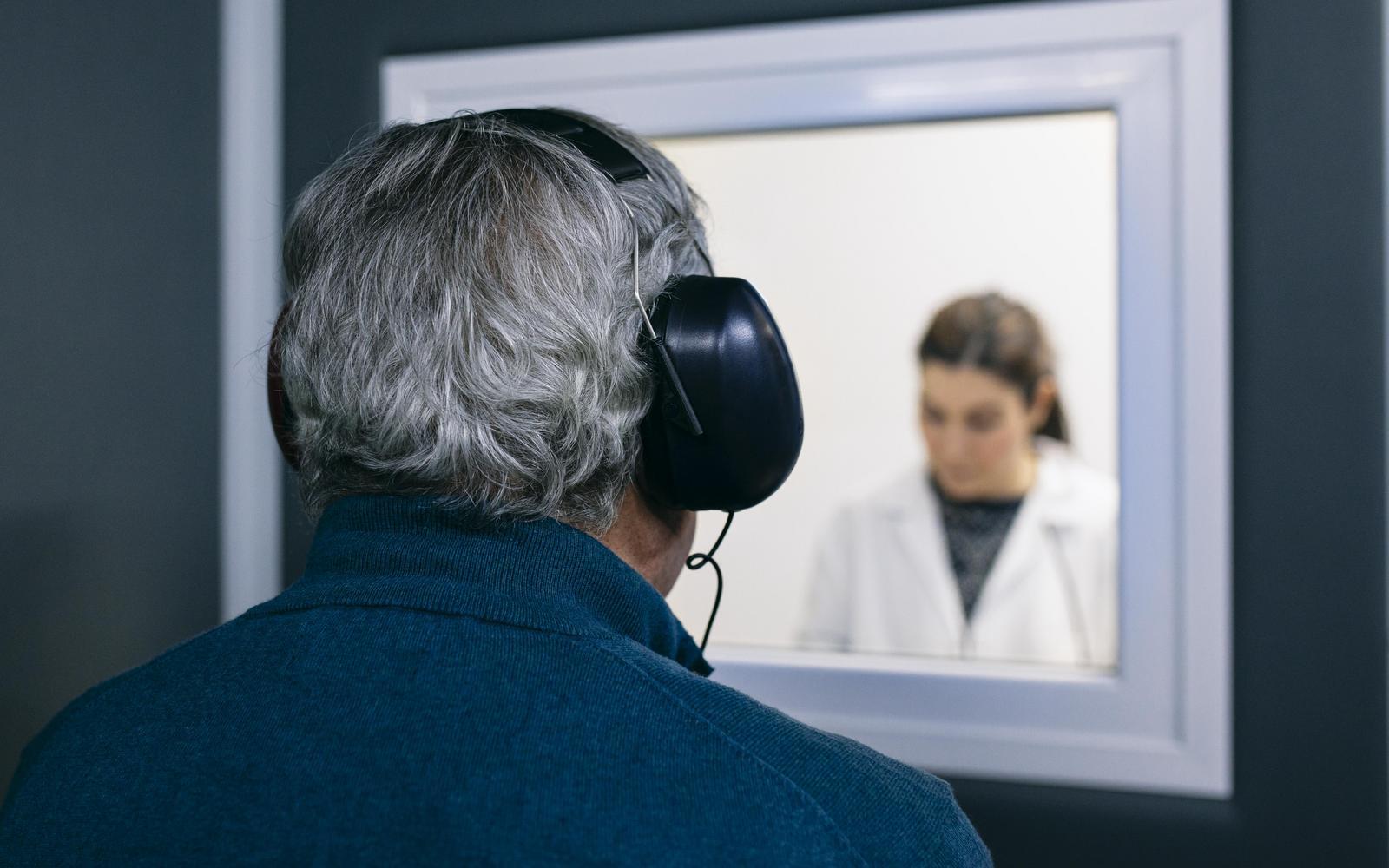
- Audiological Evaluation: A comprehensive hearing test conducted by an audiologist is crucial to accurately assess the type and degree of hearing loss in each ear.
- Discuss Treatment Options: Based on the evaluation, your doctor and audiologist will discuss the most suitable treatment options, which may range from medical management to hearing aids, bone conduction devices, or cochlear implants.
- Consider an Online Hearing Test: While not a substitute for a professional medical evaluation, a free online hearing test can provide a preliminary indication of potential hearing issues.
Expert Insights from Dr. Yi Ge
Dr. Yi Ge, a certified otolaryngologist and Senior Manager of Medical Affairs at MED-EL Innsbruck, underscores the importance of timely diagnosis and appropriate intervention for unilateral hearing loss. "Unilateral hearing loss, especially when it occurs suddenly, can be a sign of a serious underlying condition. Early detection and treatment are paramount for maximizing the chances of hearing recovery and preserving auditory health," states Dr. Ge. "Furthermore, for those with permanent single-sided deafness, advanced solutions like cochlear implants offer a significant opportunity to regain binaural hearing, which is vital for communication, spatial awareness, and overall well-being."

Dr. Ge’s extensive experience in medical affairs, coupled with her deep understanding of hearing implant systems and global regulatory requirements, highlights MED-EL’s commitment to patient-centered innovation in hearing healthcare. The development and refinement of technologies like cochlear implants and bone conduction systems are driven by the goal of providing effective solutions for a wide range of hearing impairments, including the complex challenges posed by unilateral hearing loss.
Conclusion
Unilateral hearing loss is a multifaceted condition that can arise from various causes and significantly impact an individual’s life. Recognizing the symptoms, understanding the urgency of sudden onset, and exploring the diverse range of treatment options—from conventional hearing aids to advanced bone conduction devices and life-changing cochlear implants—are critical steps in managing this condition. With ongoing advancements in audiology and implantable hearing technology, individuals facing unilateral hearing loss have more hope than ever for improved hearing, enhanced communication, and a significantly better quality of life.