
The Clinical Context of Post-Viral Tinnitus
Tinnitus, defined as the perception of sound in the absence of an external acoustic stimulus, is a common condition that affects millions globally. While often associated with noise-induced hearing loss or age-related degeneration, clinical research has long established a link between viral infections and auditory complications. Viruses can trigger inflammation within the middle ear or the eustachian tube, leading to dysfunction that alters the pressure balance and sensory input to the auditory cortex.
In the wake of the global COVID-19 pandemic, healthcare providers have observed an uptick in reports of auditory symptoms. Research published in the International Journal of Audiology suggests that SARS-CoV-2 and other respiratory viruses can affect the auditory system through direct viral invasion of the inner ear or through systemic inflammatory responses. For patients, the resulting "whistle" or "roar" is not merely a physical symptom; it is frequently accompanied by hyperacusis (sensitivity to sound), facial pain, and vertigo—a triad of symptoms that significantly reduces quality of life.
A Chronology of Crisis and Adaptation
The trajectory of the subject’s experience serves as a microcosm for the challenges faced by many suffering from sudden-onset, chronic conditions. Having previously navigated the health challenges of the pandemic, the subject experienced a rapid decline in both physical and cognitive functioning during the spring of this year.
Within weeks of the viral infection, the tinnitus reached a critical threshold. The persistent auditory intrusion made conventional working environments, such as indoor classrooms, untenable. The subject reported that the acoustics of indoor spaces exacerbated the tinnitus, creating a feedback loop of physical pain and psychological distress. By the middle of the first month, the severity of the symptoms had led to a state of profound isolation, with the subject contemplating the total cessation of his professional practice.
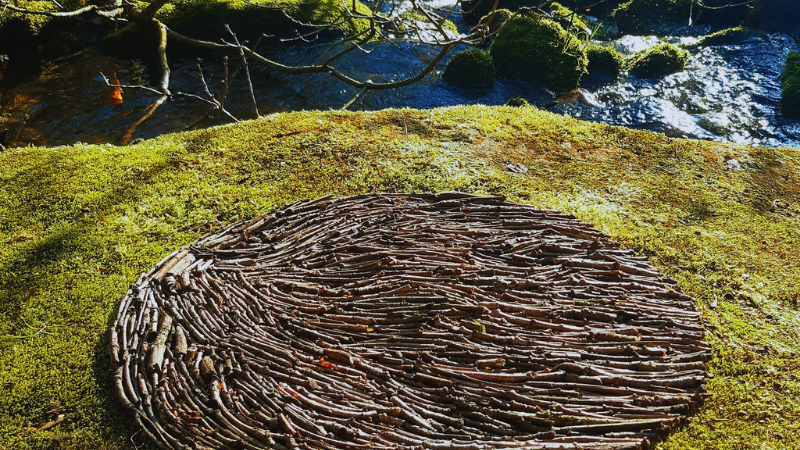
However, the shift toward a remedial strategy began with the adoption of land art—an environmental practice involving the arrangement of natural materials such as stones, leaves, and twigs. By transitioning his work from indoor, sound-sensitive environments to outdoor, natural settings, the subject was able to find a mechanism for sensory regulation.
The Therapeutic Efficacy of Nature-Based Intervention
The integration of nature-based therapies, often referred to as "ecotherapy," has gained increasing traction in medical literature as a viable adjunctive treatment for mental health disorders and chronic pain management. By engaging in the repetitive, tactile processes of land art, individuals can achieve a state of "flow"—a psychological concept describing deep immersion in a task that leads to a reduction in stress hormones and an increased sense of control.
For the artist, the act of arranging twigs or stones provided a necessary distraction from the persistent internal noise of tinnitus. This practice allowed for a recalibration of his sensory focus, shifting attention from the uncontrollable auditory symptoms to the tangible, controllable elements of the environment. The seasonal rhythms of nature—observing the growth of trees or the decay of leaves—provided a framework of continuity that contrasted with the erratic and distressing nature of his condition.
Data and Prevalence: The Invisible Burden
Current data from the British Tinnitus Association and similar global organizations indicate that approximately 10 to 15 percent of the adult population experiences persistent tinnitus. Of these, a significant subset finds the condition debilitating, leading to secondary conditions such as anxiety, depression, and in extreme cases, suicidal ideation.
The economic implications are equally significant. Tinnitus-related absenteeism and the loss of productivity among freelance workers represent a substantial, though often overlooked, segment of the national health burden. When individuals like the artist are forced to withdraw from professional environments due to sensory overload, the loss extends beyond the individual to the communities they serve—in this case, students and participants in adult education groups who lose access to vital creative programming.
Professional Perspectives on Sensory Management
Medical professionals specializing in otolaryngology often emphasize the importance of early intervention, which may include Sound Therapy, Cognitive Behavioral Therapy (CBT), or Tinnitus Retraining Therapy (TRT). However, for many, these clinical interventions must be supplemented by lifestyle adjustments.
Dr. Elena Vance, a clinical psychologist specializing in chronic health conditions, notes: "The psychological impact of tinnitus is often exacerbated by the feeling of loss of agency. When an individual discovers a personal tool—be it art, meditation, or physical engagement with the natural world—to mitigate the distress, they are essentially practicing a form of self-directed CBT. By externalizing the focus, patients can move from a state of passive suffering to active management."
Artistic Expression as a Narrative of Recovery
The artist’s work during this period reflects the stages of his recovery. His pieces, such as Tinnitus, Fizz, and Wishbones, serve as a visual diary of his transition from acute crisis to tentative hope.
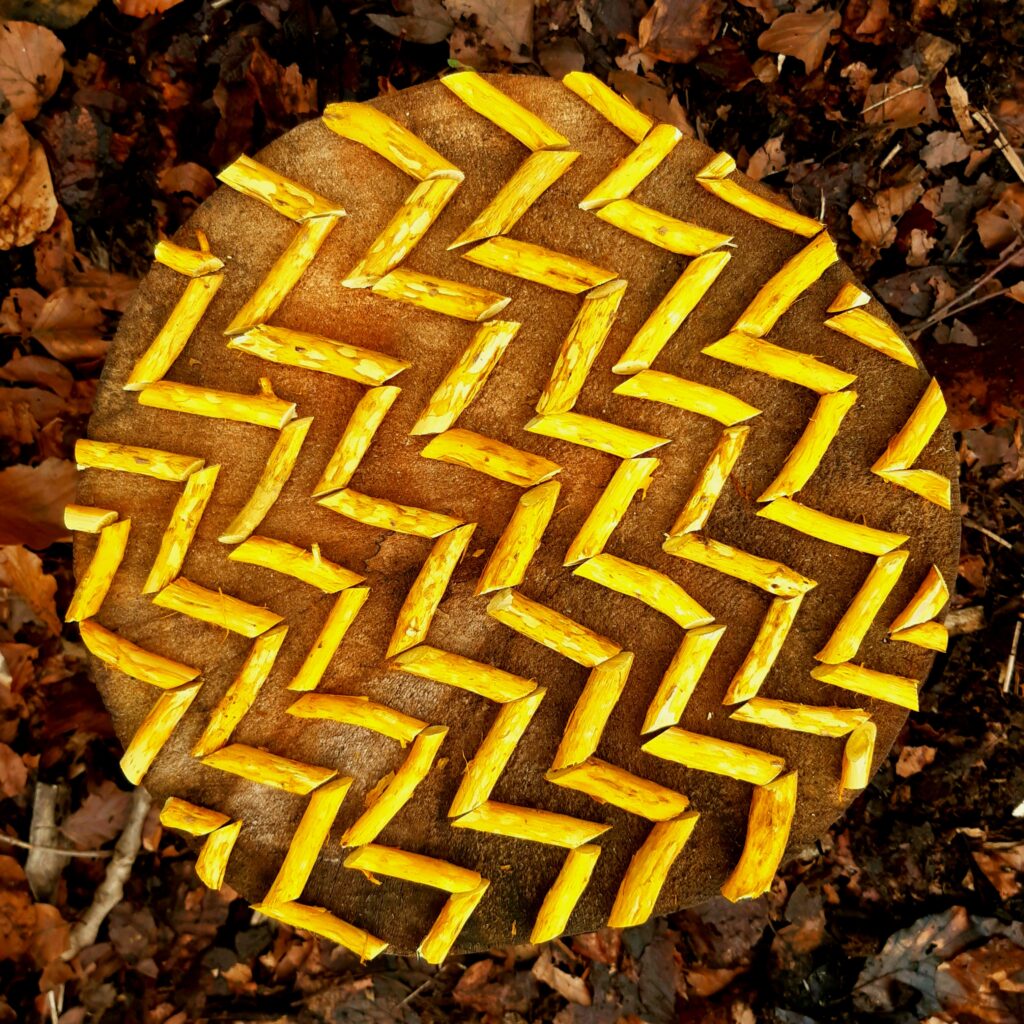
- Tinnitus: Created during the height of the infection, this piece utilizes the bright yellow bark of the mahonia shrub to represent the stark, intrusive nature of the sound. Its visual intensity mirrors the "loud and angry" sensation reported by the artist.
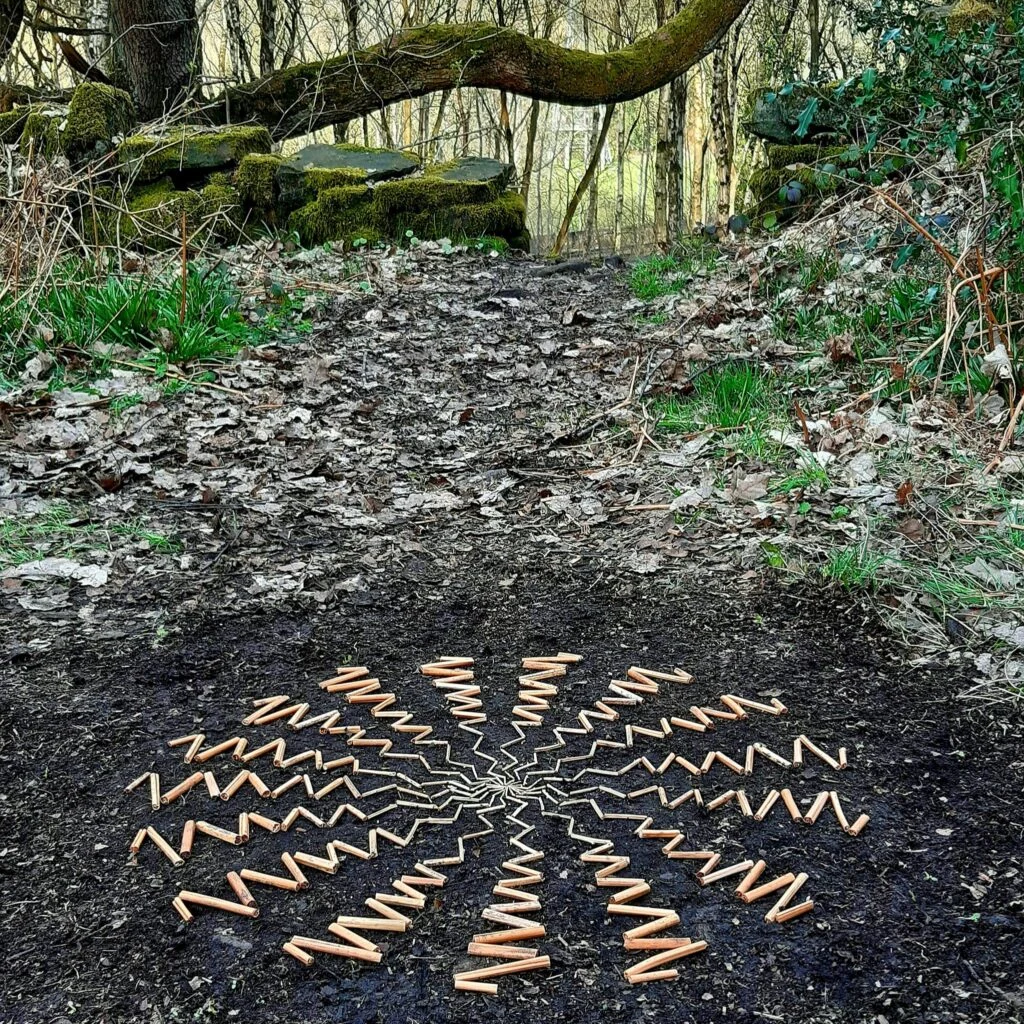
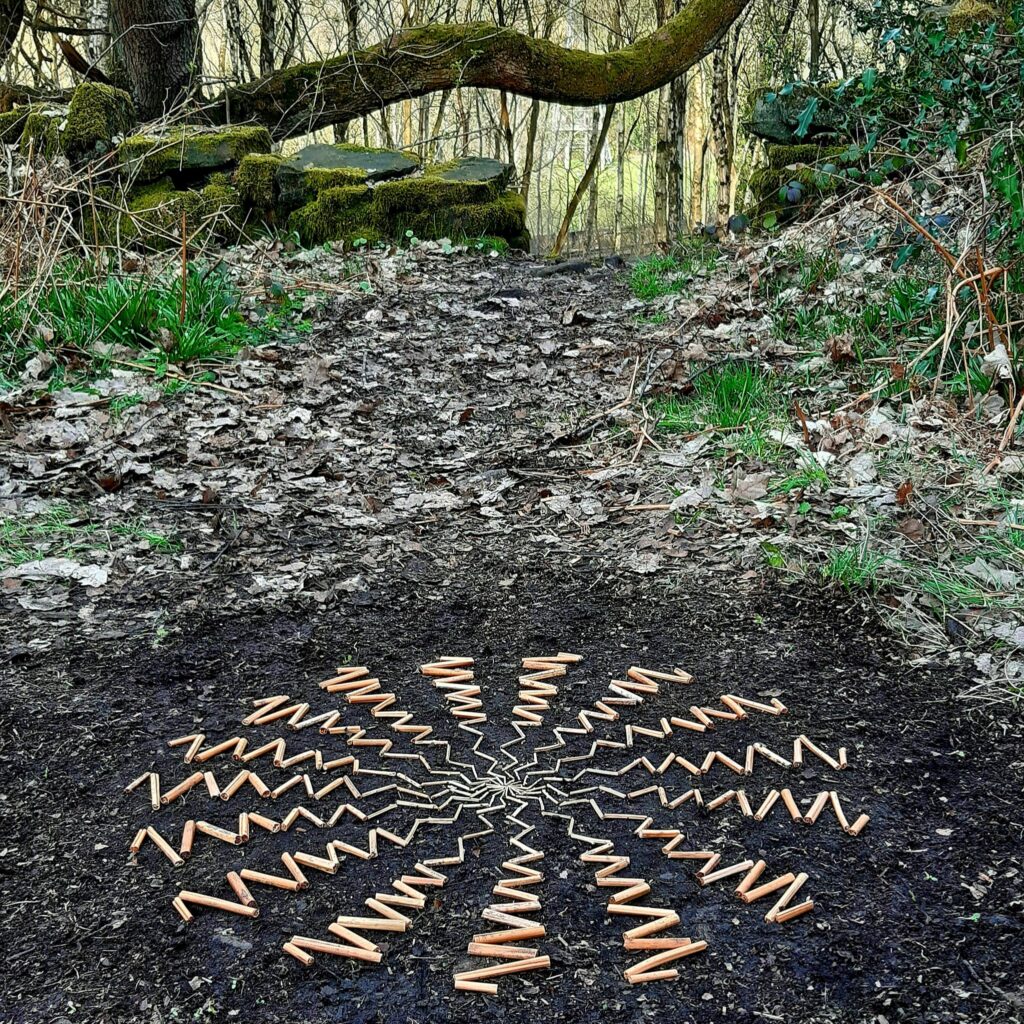
- Fizz: Developed as the symptoms began to subside, this work utilizes dried bracken stalks. The design, characterized by radiating arms, represents an attempt to reach out toward the future and reclaim agency over his surroundings.
- Wishbones: Produced after a five-week period of relative stabilization, this final piece serves as a symbol of resilience, highlighting the role of optimism in the recovery process.
Broader Implications for Public Health
The narrative of this artist’s recovery highlights a critical need for more holistic approaches to the treatment of chronic conditions. While pharmaceutical and surgical interventions remain the standard of care for physical ailments, the psychological and social rehabilitation of patients often requires more creative, community-integrated solutions.
The success of the artist in returning to his role as an educator—now leading poetry and nature walks for mental health charities—demonstrates the efficacy of reintegration. By utilizing his experience to facilitate the healing of others, he has successfully transformed a period of intense personal suffering into a platform for community support.
Furthermore, the case reinforces the necessity for workplaces and educational institutions to adopt more flexible, sensory-friendly environments. As the prevalence of post-viral conditions increases, the need for "neuro-inclusive" spaces where individuals with auditory or sensory sensitivities can thrive is becoming a matter of public policy rather than mere professional courtesy.
Conclusion: A Pathway to Resilience
The journey of the artist from a state of complete, dark isolation to a renewed, active engagement with his profession serves as a testament to the resilience of the human spirit. While tinnitus remains an unpredictable and challenging condition, the ability to pivot toward nature-based practices has provided a vital lifeline.
As medical science continues to explore the mechanisms of post-viral auditory damage, the anecdotal evidence provided by those like the artist remains invaluable. It reminds us that recovery is rarely a linear process; it is, instead, a complex weaving of medical management, personal adaptation, and the persistent, human need to create meaning out of chaos. The focus moving forward must remain on providing accessible, diverse, and compassionate support systems that recognize the full spectrum of the patient experience, both the physical reality of the disability and the profound psychological necessity of finding beauty in the natural world.