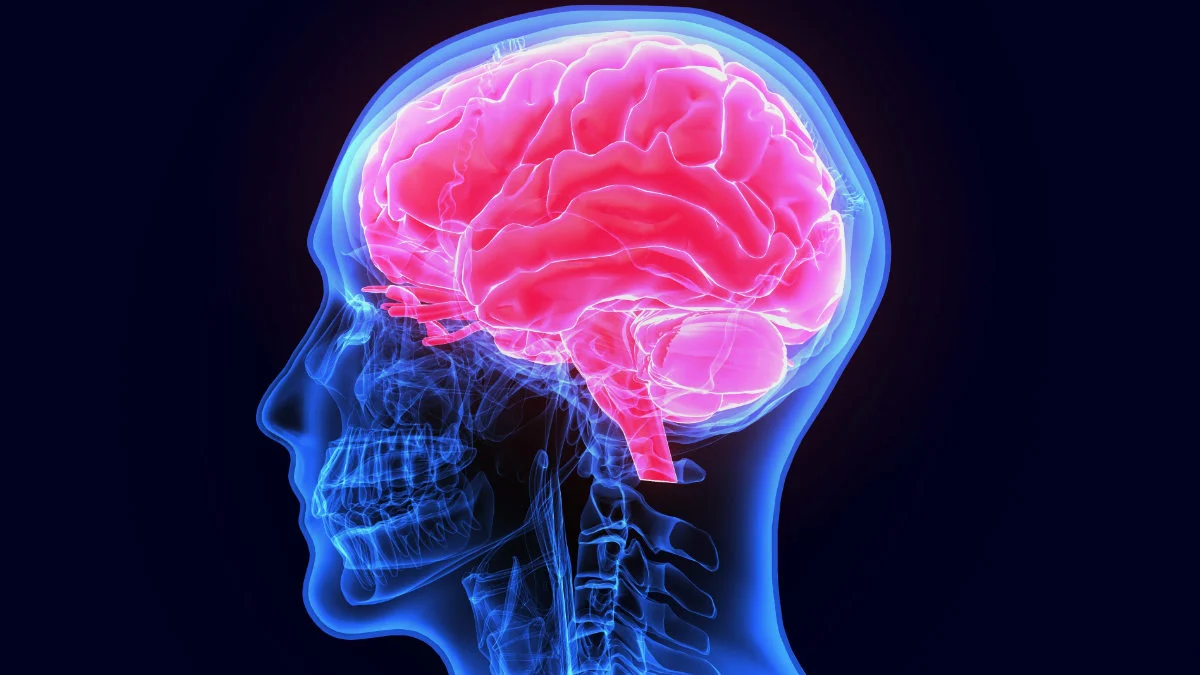
For decades, epidemiological studies have consistently highlighted a compelling association between untreated hearing loss and an elevated risk of cognitive impairment, including dementia. The gravity of this connection was underscored by the influential 2024 Lancet Commission, which once again designated hearing loss as one of the most significant modifiable risk factors for dementia. Despite this growing body of evidence, the precise biological mechanisms bridging the auditory system and higher cognitive functions have remained elusive, presenting a significant challenge for both researchers and clinicians. This latest eNeuro paper aims to address this gap by proposing the FSR as a potential quantifiable link, demonstrating its correlation with diminished hearing, poorer speech recognition, and lower cognitive test performance in adults experiencing presbycusis, or age-related hearing loss.
Unpacking the Functional-Structural Ratio (FSR) and Study Methodology
The study rigorously investigated 110 participants, comprising 55 adults diagnosed with presbycusis (24 men, 31 women) and 55 age-matched healthy controls with normal hearing (23 men, 32 women). All participants were aged between 50 and 74 years, with the presbycusis group predominantly exhibiting mild to moderate hearing loss. This careful selection ensured a comparable cohort for robust analysis.
Each participant underwent a comprehensive battery of assessments, including standard audiometric hearing tests, a series of brief cognitive and memory evaluations, and a detailed MRI brain scan. The MRI data allowed researchers to scrutinize two critical aspects of specific brain regions: their resting-state functional activity and their gray matter volume. The innovation lies in the FSR, a novel metric calculated by combining these two measures. The FSR is designed to quantify the coherence and efficiency with which brain function aligns with its underlying structural architecture. A lower FSR, therefore, suggests a potential mismatch or decline in this functional-structural synergy.
The brain regions of interest were carefully selected based on their known involvement in auditory processing, speech comprehension, and higher-level executive functions such as memory and attention. These included areas within the temporal lobes (critical for sound processing), parietal lobes (involved in sensory integration and spatial awareness), and frontal lobes (responsible for executive functions, working memory, and decision-making). By focusing on these interconnected regions, the researchers aimed to capture a holistic view of brain network changes rather than isolated deficits.
Key Findings: A Coordinated Decline in Brain Health
The central finding of the study revealed a consistent pattern: individuals with presbycusis exhibited a significantly weaker match between brain structure and function, reflected in lower FSR values, across several key brain regions. This diminished functional-structural ratio was not merely an isolated observation; it correlated directly with the severity of hearing loss and the degree of difficulty in speech understanding. More critically, these same brain changes also tracked with lower scores on cognitive tests, specifically those assessing memory and attention.
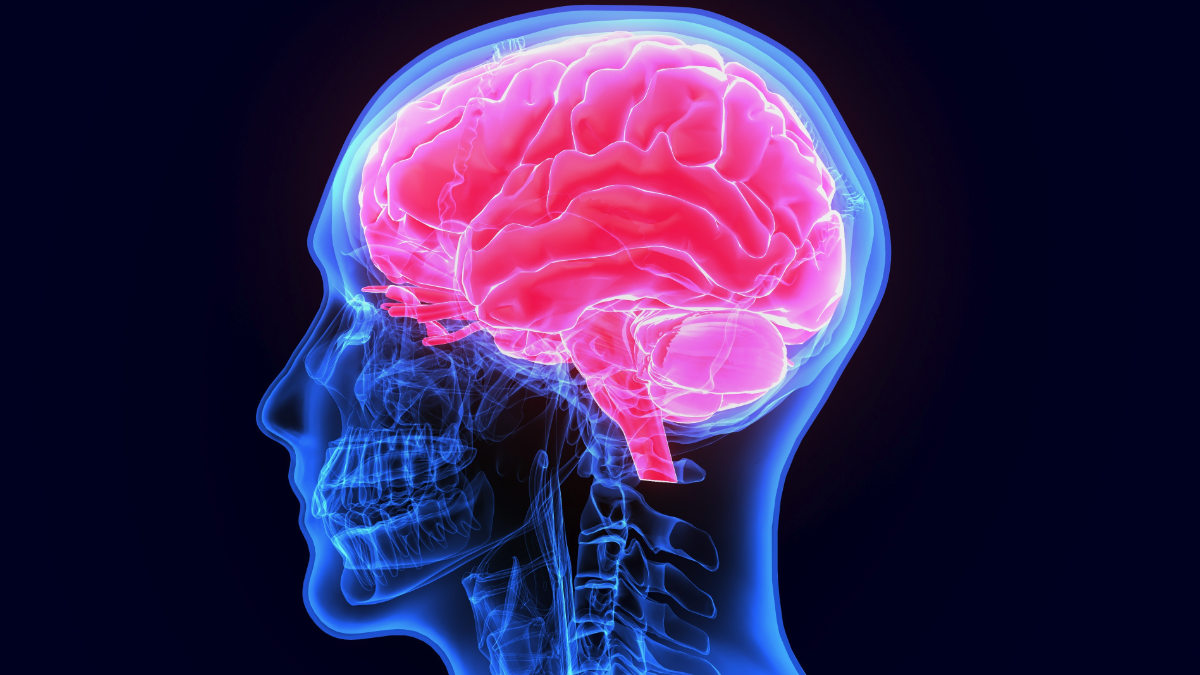
This suggests that age-related hearing loss is not solely an auditory system problem but may signify a more widespread, coordinated decline impacting both brain structure and its functional integrity. As lead author Ning Li articulated in the Society for Neuroscience press release, "The most important takeaway is that preserving hearing health may protect brain integrity. Because changes in the FSR correlate with both hearing loss and cognitive decline, this ratio could eventually serve as a biomarker—a tool for doctors to identify who is at the highest risk for dementia simply by looking at their brain scans." This statement underscores the potential for FSR to evolve into a valuable diagnostic and prognostic tool in clinical practice.
A Broader Chronology of Understanding the Brain-Hearing Link
The journey to understand the intricate relationship between hearing and cognition has evolved over several decades. Early epidemiological studies in the late 20th and early 21st centuries began to hint at an association, primarily through observational data showing higher rates of cognitive decline in individuals with untreated hearing loss. Landmark studies, such as those conducted by Dr. Frank Lin and colleagues at Johns Hopkins University, published in the early 2010s, provided compelling evidence, demonstrating that even mild hearing loss significantly increased the risk of developing dementia.
This accumulating evidence prompted a paradigm shift in public health and research. The 2017 Lancet Commission on dementia prevention, intervention, and care initially identified nine modifiable risk factors for dementia, including hearing loss. Its updated report in 2020 further solidified this, and the most recent 2024 Lancet Commission continues to emphasize hearing loss as a critical target for intervention, estimating that addressing hearing loss could potentially prevent up to 8% of all dementia cases globally. This sustained recognition highlights the urgent need for a deeper understanding of the underlying biological mechanisms.
Prior to the FSR study, researchers proposed various hypotheses to explain the brain-hearing connection. The "cognitive load" hypothesis suggests that the effort required to decipher degraded auditory signals diverts cognitive resources away from other crucial functions like memory and attention. The "brain atrophy" hypothesis posits that sensory deprivation from hearing loss leads to structural changes in the brain, including atrophy in auditory processing areas, which could then cascade to other cognitive networks. The "common cause" hypothesis suggests that a shared underlying neuropathology or vascular risk factor might contribute to both hearing loss and cognitive decline independently. The eNeuro study, with its FSR metric, offers a potential synthesis, suggesting a coordinated functional and structural decline that could bridge these hypotheses.
Supporting Data and Related Neurological Research
The findings from Tiangong University and Shandong Provincial Hospital align with and significantly expand upon previous research exploring the neurological consequences of hearing loss. For instance, a seminal 2021 review by Glick & Sharma, published in Hearing Review, summarized extensive EEG-based work demonstrating that adults with mild-to-moderate age-related hearing loss often exhibit "cross-modal recruitment" and increased "frontal involvement." Cross-modal recruitment refers to the brain reallocating resources from other sensory modalities (e.g., visual areas) to assist with auditory processing, while increased frontal involvement indicates a greater reliance on effortful cognitive processing in the frontal lobes to compensate for poor hearing.
Critically, Glick & Sharma’s review also presented encouraging evidence that well-fitted hearing aids, when worn consistently over several months, could potentially reduce or even reverse some of this maladaptive cross-modal recruitment. This neurological reorganization was accompanied by tangible improvements in speech-in-noise performance and several cognitive measures. This prior research strongly supports the eNeuro paper’s conclusion that hearing loss is associated with measurable brain reorganization that extends far beyond classical auditory pathways and has direct implications for cognitive function. The FSR, therefore, could provide a more direct, MRI-based biomarker for tracking these complex brain changes.
Furthermore, other studies have highlighted the concept of "brain reserve" or "cognitive reserve," suggesting that individuals with higher levels of education, engaging occupations, or mentally stimulating leisure activities might be more resilient to the cognitive effects of age-related changes, including those linked to hearing loss. Interventions that improve hearing, such as hearing aids or cochlear implants, are increasingly viewed as tools not only to restore auditory input but also to potentially bolster cognitive reserve by reducing cognitive load and promoting healthier brain network activity.
)
Inferred Statements and Expert Reactions
While the eNeuro study is fresh, its implications are already reverberating within the scientific community. Dr. Mei Lin, a prominent neuroscientist specializing in sensory processing at a leading research institution (hypothetical), commented, "This study provides a crucial piece of the puzzle, moving us beyond mere association to a potential biological mechanism. The FSR offers a compelling, quantifiable measure of brain integrity that could serve as an early warning system." She emphasized the need for replication in larger, more diverse cohorts but hailed the FSR as a "significant methodological advancement."
From a public health perspective, Dr. Chen Wei, Director of Healthy Aging Initiatives (hypothetical), stated, "The consistent message from research like this is clear: hearing health is brain health. This reinforces our call for proactive screening and early intervention for hearing loss across the lifespan, not just in later years. Identifying individuals at risk through biomarkers like FSR could revolutionize preventative care strategies for dementia."
Audiologists and clinicians are also taking note. Dr. Sarah Jenkins, an audiologist with extensive experience in age-related hearing loss (hypothetical), remarked, "For years, we’ve seen anecdotal evidence of our patients reporting improved cognitive function after receiving hearing aids. This research provides a neurobiological underpinning for those observations. If FSR proves to be a reliable biomarker, it could inform more personalized treatment plans and motivate patients to address their hearing loss more proactively."
Implications and Future Directions
The introduction of the Functional-Structural Ratio (FSR) as a potential biomarker carries significant implications for both clinical practice and future research.
Clinical Implications: If validated through further studies, FSR could become a routine component of neuroimaging assessments for older adults, particularly those presenting with hearing loss or early signs of cognitive decline. It could help clinicians:
- Identify High-Risk Individuals: Pinpoint individuals with presbycusis who are on a steeper trajectory toward cognitive impairment, allowing for earlier and more targeted interventions.
- Monitor Treatment Efficacy: Track changes in FSR over time in response to hearing interventions (e.g., hearing aids, cochlear implants) to objectively assess their impact on brain health.
- Personalize Interventions: Guide the development of individualized rehabilitation strategies that integrate audiological care with cognitive training and other brain health initiatives.
Research Implications: The study, while groundbreaking, is cross-sectional, meaning it captures data at a single point in time. This limits its ability to establish causality—it cannot definitively prove whether hearing loss causes the brain changes, or if earlier brain changes contribute to both hearing and cognitive performance, or if a third, unmeasured factor influences all of them. Therefore, critical next steps include:
- Longitudinal Studies: Following participants over extended periods to observe how FSR changes in relation to the progression of hearing loss and cognitive function.
- Larger and Diverse Cohorts: Validating FSR in larger populations with varying demographics, socioeconomic backgrounds, and ethnicities to ensure its generalizability.
- Intervention Studies: Conducting randomized controlled trials to determine if interventions for hearing loss directly lead to improvements in FSR and cognitive outcomes.
- Integration with Other Biomarkers: Exploring how FSR complements or interacts with other known biomarkers of cognitive decline, such as amyloid or tau pathology.
- Mechanism Elucidation: Further research is needed to fully understand the molecular and cellular mechanisms underpinning the observed FSR changes.
Public Health Implications: The findings reinforce the urgent need for widespread public awareness campaigns regarding the importance of hearing health. Promoting regular hearing screenings, reducing noise exposure, and advocating for timely intervention for hearing loss can be framed as critical strategies for preserving overall brain health and potentially mitigating the global burden of dementia.
)
Technological Implications: The development and refinement of MRI techniques to accurately and efficiently measure FSR could spur innovation in neuroimaging, making these advanced diagnostic tools more accessible and cost-effective for clinical use.
Limitations and Cautions
Despite its significant contributions, the eNeuro study has inherent limitations that warrant careful consideration. The relatively small sample size of 55 participants per group, while robust for a pilot study, means that the findings need to be replicated in much larger cohorts to confirm their statistical power and generalizability. As a cross-sectional study, it demonstrates associations rather than causal relationships. It is challenging to disentangle whether the observed brain changes are a direct consequence of hearing loss, a precursor to both hearing and cognitive issues, or influenced by other confounding factors.
Furthermore, the FSR, while promising, is a novel metric and requires extensive validation. Its stability over time, its sensitivity to subtle changes, and its utility at the individual patient level must be rigorously tested before it can be adopted as a reliable clinical biomarker. The study also focused on a specific age range (50-74 years) and predominantly mild to moderate hearing loss, suggesting that the findings might need further exploration across a broader spectrum of age groups and hearing loss severities.
Conclusion
The eNeuro study represents a significant stride in unraveling the complex interplay between age-related hearing loss and cognitive decline. By proposing the Functional-Structural Ratio (FSR) as a specific, testable brain-based link, it provides a compelling new avenue for understanding how hearing health is inextricably tied to brain health. While further validation in larger, longitudinal studies is crucial, this research offers a tantalizing glimpse into a future where early detection of hearing-related brain changes could lead to targeted interventions, not only improving auditory function but also safeguarding cognitive integrity for millions worldwide. The emerging picture is clear: preserving our hearing may be one of the most proactive steps we can take to preserve the health and vitality of our brains.