Clinical Background: Understanding Acoustic Neuroma and Vestibular Loss
An acoustic neuroma, medically referred to as a vestibular schwannoma, is a benign, typically slow-growing tumor that develops on the main (vestibular) nerve leading from the inner ear to the brain. This nerve is responsible for both hearing and balance. While the tumor is non-cancerous and does not spread to other parts of the body, its location within the narrow internal auditory canal means that growth can exert pressure on the brainstem and adjacent cranial nerves.
In the case of the 58-year-old patient, the tumor necessitated a surgical resection. While surgeons aim to preserve as much nerve function as possible, the severity or position of some tumors requires the complete severance of the nerve. For this individual, the result was a 100% permanent loss of hearing and balance input from the left side. This condition, known as a complete unilateral vestibular deafferentation, creates a massive sensory mismatch. The brain, accustomed to receiving equal signals from both the left and right vestibular systems, suddenly receives a "zero" signal from one side, leading to debilitating vertigo, nausea, and a total loss of equilibrium.
Chronology of Treatment and Recovery
The patient’s journey from diagnosis to full recovery followed a structured timeline common in complex vestibular cases, yet his progress was accelerated by high levels of compliance and exercise intensity.
Phase I: Acute Post-Surgical Stabilization
Immediately following the resection, the patient entered a period of acute crisis. He reported that "the roof was a wall, the wall was the floor," a common description of the sensory reorganization the brain undergoes when it loses a primary input. During the first few days in the hospital, medical staff focused on basic safety and pharmaceutical management. Vestibular suppressants—medications often used to dull the sensation of spinning—were administered to allow the patient to begin basic ambulation without falling.
Phase II: The Transition to Outpatient Rehabilitation
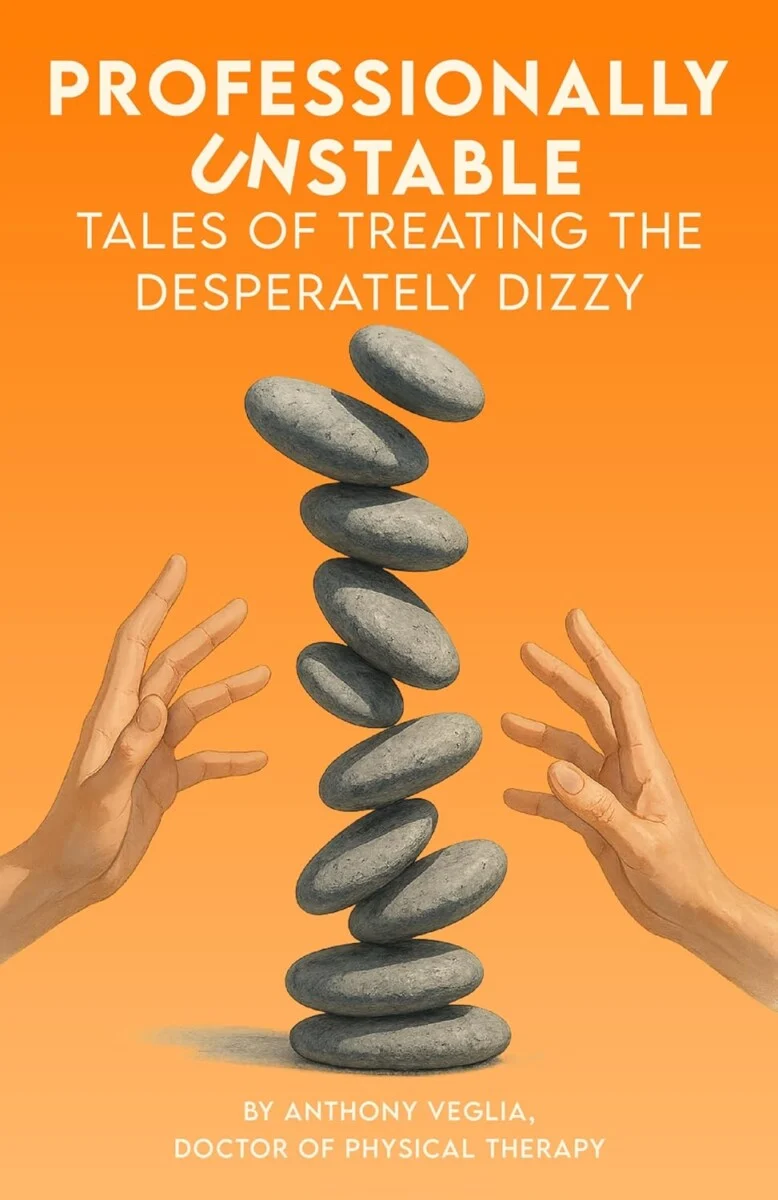
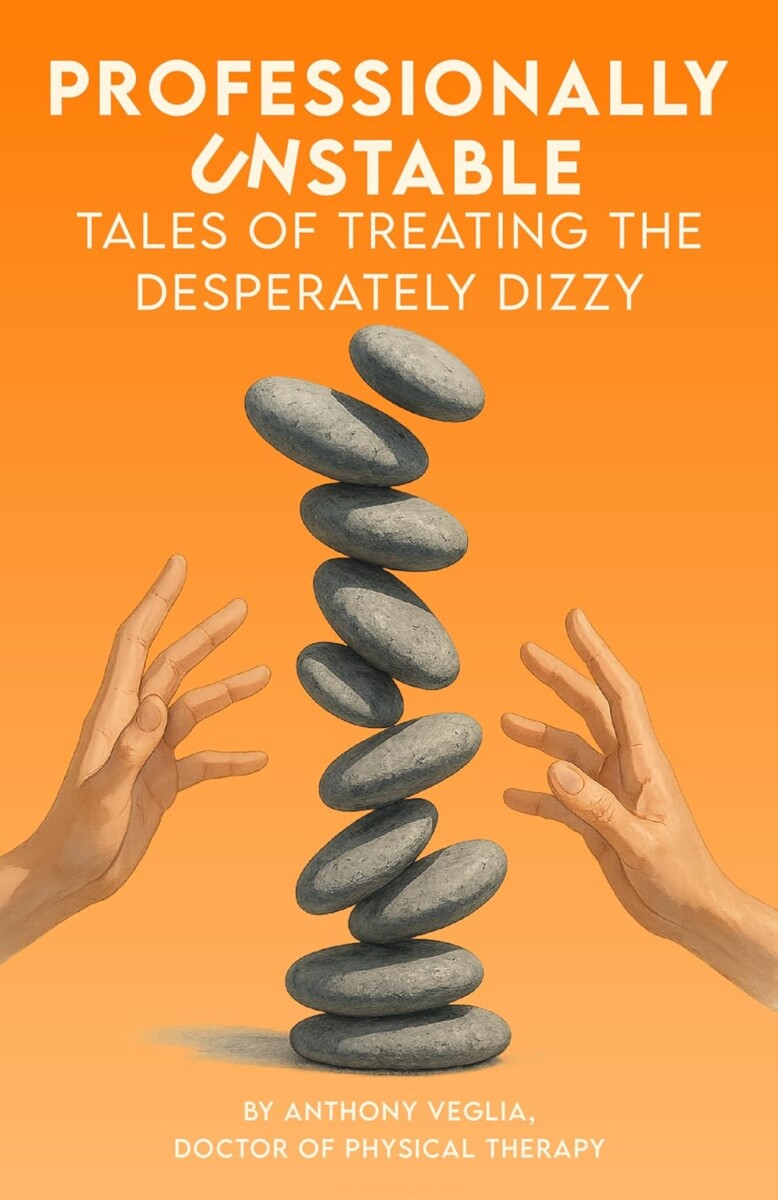
Approximately one month post-surgery, the patient began outpatient VRT under the care of Dr. Anthony Veglia, a Doctor of Physical Therapy. At this stage, the patient exhibited a flat affect and monotone voice, likely a coping mechanism for the sensory overload he was experiencing. Clinical testing revealed that while his walking was functional in a controlled environment, closing his eyes or turning his head caused immediate, severe instability. Dr. Veglia noted that the patient’s body reacted "like a boat deck in the middle of a storm" the moment visual cues were removed.
Phase III: Intensive Vestibular Habituation
The core of the treatment involved "habituation" and "adaptation" exercises. These are designed to intentionally provoke dizziness to force the brain to recalibrate. The patient was instructed to perform head turns while walking and to transition between lying and sitting positions repeatedly.
A critical turning point in the treatment was the cessation of anti-dizzy medications. Clinical guidelines suggest that while these drugs are useful in the first 48 to 72 hours, long-term use inhibits the brain’s ability to compensate. As Dr. Veglia explained to the patient, the brain must "feel the dizziness to get past the dizziness." By removing the chemical mask, the patient’s nervous system was forced to rely on the remaining right-side vestibular input and increased proprioceptive feedback.
Phase IV: Advanced Functional Recovery
By the third visit, the patient expressed a desire to return to white-water kayaking—a sport requiring extreme balance and the ability to perform a 360-degree roll underwater. The therapy shifted to "multiplanar" head movements, including diagonal rotations and rapid 360-degree rolls on a treatment mat. These exercises simulated the disorientation of being submerged in moving water.
Supporting Data: The Efficacy of VRT
Research into vestibular disorders supports the outcomes seen in this case. According to the Vestibular Disorders Association (VEDA), VRT is effective in 70% to 80% of patients with unilateral vestibular loss. The success of the therapy is rooted in three primary mechanisms:
- Adaptation: The brain learns to adjust the gain of the Vestibulo-Ocular Reflex (VOR), which stabilizes vision during head movement.
- Substitution: The brain increases its reliance on vision and the "feel" of the ground (somatosensory input) to replace the lost ear signals.
- Habituation: Repeated exposure to a provocative stimulus (like a head turn) reduces the brain’s pathological response to that stimulus over time.
Data suggests that patients who engage in "aggressive" or high-frequency exercise protocols, such as the three-times-daily routine adopted by this patient, see significantly faster reductions in the Dizziness Handicap Inventory (DHI) scores compared to those who follow standard protocols.
Clinical Analysis and Inferred Reactions
The patient’s wife, who attended later sessions, provided a qualitative perspective on the recovery. She documented her husband’s progress via video, showing him successfully performing a kayak roll in a backyard pool. This "Eskimo roll" is a maneuver where the kayaker deliberately capsizes and uses a hip snap and paddle stroke to right themselves. Performing this with only one functioning vestibular system is a feat of extreme neurological compensation.
"He did it! He’s so cool," his wife remarked during a clinical visit, highlighting the psychological boost that functional milestones provide. Dr. Veglia observed that the patient’s "monotone" nature was not a lack of interest, but rather a focused determination. This psychological resilience is often a predictor of success in physical therapy; patients who view dizziness as a challenge to be conquered rather than a symptom to be avoided tend to reach higher levels of "comical" or elite-level recovery.
Broader Impact and Implications for Vestibular Medicine
The success of this case has broader implications for the treatment of chronic dizziness and balance disorders in the aging population. Approximately 35% of adults aged 40 and older in the United States have experienced some form of vestibular dysfunction. Many of these individuals are misdiagnosed or told that they must simply "live with" their dizziness.
This case serves as a clinical benchmark for what is possible. It demonstrates that even a 100% loss of a major sensory organ does not preclude a return to extreme sports or high-intensity professional life. The primary takeaways for the medical community include:
- The Importance of Early Referral: Moving a patient from hospital-based "safety" rehab to "challenge-based" outpatient VRT is essential for full recovery.
- The Medication Paradox: Over-reliance on vestibular suppressants is a significant barrier to recovery. Physicians must balance acute comfort with long-term neurological adaptation.
- Goal-Oriented Therapy: Tailoring exercises to a patient’s specific life goals—whether that is walking up a flight of stairs or kayaking through rapids—increases engagement and improves outcomes.
In conclusion, the recovery of the "One-Eared Kayaker" illustrates the intersection of hard science and human willpower. While the patient’s left vestibular nerve remains severed, his brain has effectively "rewired" itself to interpret the world through a single ear and enhanced peripheral senses. As vestibular science continues to evolve, cases like this provide a blueprint for treating the "desperately dizzy" and restoring them to a life of stability and motion.