

The Insidious Onset: Early Symptoms Often Overlooked
The initial indicators of hearing loss can be deceptively easy to dismiss. The gradual nature of this decline means that the brain becomes accustomed to the increased effort required to process auditory information. This can lead to symptoms being misattributed to stress, fatigue, or simple distraction. However, a pattern of these subtle changes warrants close attention, as early detection can significantly alter the trajectory of managing hearing loss.
Common Early Warning Signs:
- Difficulty understanding speech in noisy environments: This is perhaps the most frequently reported early symptom. While quiet environments might pose little challenge, the cacophony of a restaurant, a busy street, or a social gathering can make following conversations an arduous task.
- Frequently asking for repetition: A need to ask others to repeat themselves, even when the speaker is speaking clearly, is a strong indicator that the ears are not capturing the full spectrum of sound.
- Raising the volume of the television or radio: A consistent increase in the volume of media to achieve comfortable listening levels is a tell-tale sign that background hearing has diminished.
- Muffled or unclear speech: Sounds may seem to lack crispness, making it difficult to distinguish between similar-sounding words.
- Experiencing ringing or buzzing in the ears (tinnitus): While tinnitus can have various causes, it is often associated with hearing damage.
- Fatigue after conversations: The increased cognitive effort required to process sounds can lead to mental exhaustion, even after relatively short periods of social interaction.
- Avoiding social situations: As listening becomes more challenging and frustrating, individuals may begin to withdraw from social activities, leading to feelings of isolation.
Navigating the Hearing Landscape: Symptoms Across Different Age Groups
The way hearing loss presents can vary significantly depending on an individual’s age and stage of life. Understanding these age-specific manifestations is crucial for timely intervention.
Hearing Loss in Adults: Communication and Beyond
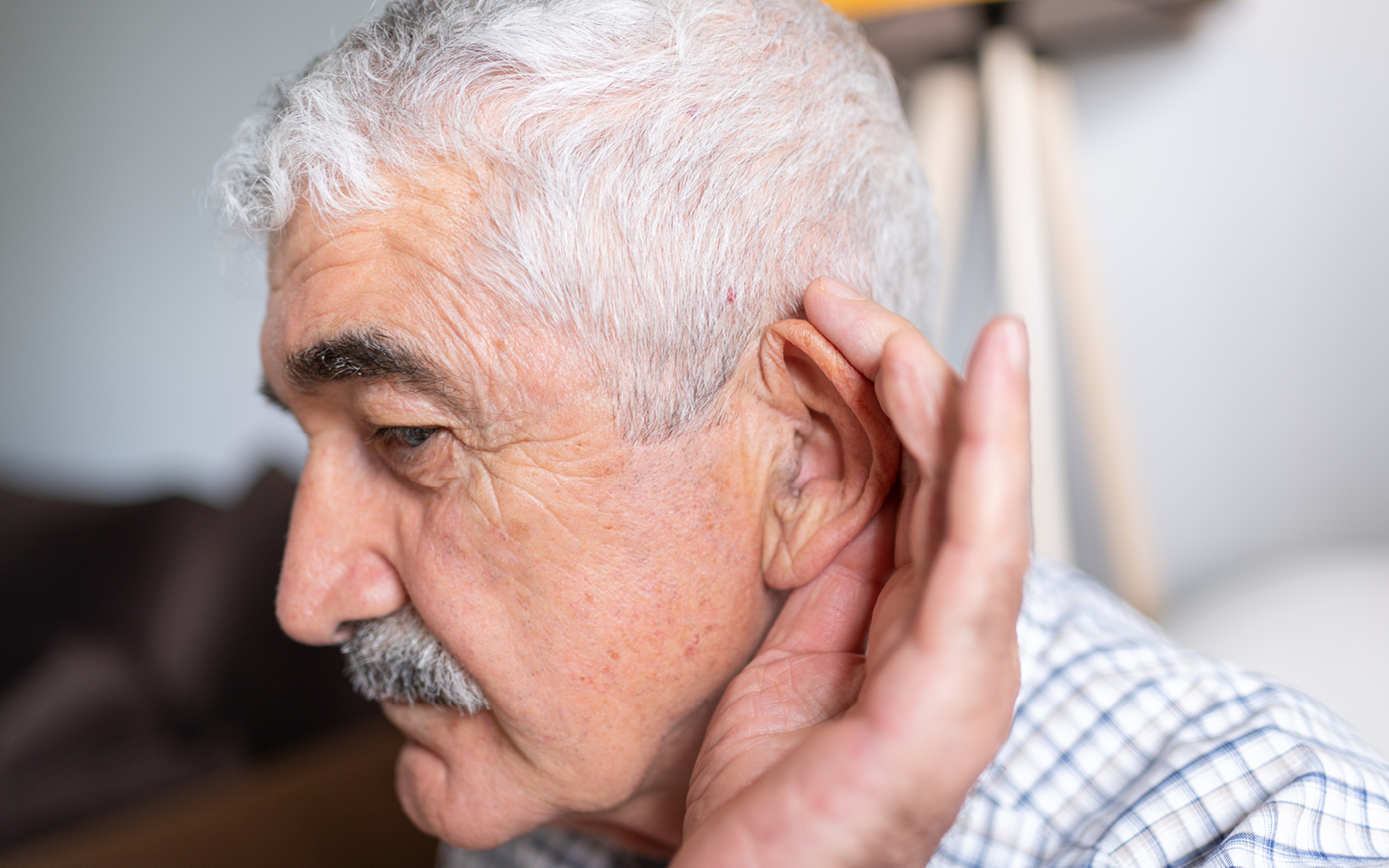
For adults, hearing loss often first manifests as a series of communication breakdowns. Over time, these challenges can ripple outwards, impacting mood, self-confidence, and social engagement. The World Health Organization (WHO) estimates that over 5% of the world’s population, or 430 million people, have disabling hearing loss. By 2050, it is projected that over 700 million people will have disabling hearing loss. This growing prevalence underscores the importance of recognizing symptoms in adulthood.
Communication-Related Symptoms:
- Struggling to follow conversations: Particularly in group settings or when multiple people are speaking.
- Misinterpreting words: Confusing similar-sounding words, leading to misunderstandings.
- Trouble hearing on the telephone: The focused nature of phone calls can exacerbate hearing difficulties.
- Difficulty distinguishing high-pitched sounds: Consonant sounds like ‘s,’ ‘f,’ and ‘th’ are often in higher frequencies and are crucial for speech intelligibility.
Social and Emotional Effects:
The impact of hearing loss extends beyond auditory perception, influencing emotional well-being and social interactions.
- Increased irritability or frustration: When communication becomes a constant struggle.
- Social withdrawal and isolation: As conversations become too demanding or embarrassing.
- Reduced self-esteem and confidence: Due to the perceived inability to keep up in social settings.
- Anxiety or nervousness: When anticipating or engaging in social interactions.
- Depression: A potential consequence of prolonged social isolation and the feeling of disconnect.
If these emotional shifts are accompanied by communication struggles, they may indeed be symptoms of hearing loss and warrant professional attention.

Hearing Loss in Children: Developmental Milestones at Risk
In children, hearing loss symptoms are often exhibited through behavioral changes or developmental delays, rather than direct verbal complaints. Since hearing is intrinsically linked to speech acquisition, learning, and social development, early detection in this age group is critically important. The American Academy of Pediatrics highlights that approximately 2 to 3 out of every 1,000 children born in the United States have a moderate to profound hearing loss in one or both ears.
Hearing Loss Symptoms in Infants (0-12 Months):
- Lack of startling to loud noises: A normally developing infant will react to sudden, loud sounds.
- Not turning their head towards sounds: By around 6 months of age, infants typically begin to locate the source of sounds.
- Delayed or absent babbling: Vocalization is a key developmental milestone that relies on auditory feedback.
- Not responding to their name being called: By 9-12 months, infants should recognize their name.
Signs in Early Childhood (1-3 Years):
- Delayed or unclear speech: Difficulty with pronunciation or a limited vocabulary for their age.
- Not following simple directions: Even when spoken clearly.
- Frequently watching speakers’ faces intently: Trying to lip-read to supplement auditory cues.
- Appearing inattentive or daydreaming: When they may simply not be hearing instructions or conversations.
Signs in School-Aged Children (4+ Years):
- Difficulty in the classroom: Especially in noisy environments like a busy classroom.
- Performing poorly academically: Despite appearing to try, hearing loss can hinder learning.
- Complaining of earaches or fluid in the ears: These can be indicators of underlying ear issues affecting hearing.
- Frequently asking "What?" or "Huh?": A persistent sign that they are not fully comprehending spoken language.
While a single sign may not definitively confirm hearing loss, a consistent pattern of these behaviors should prompt a discussion with a pediatrician or audiologist.

Hearing Loss in Older Adults: Age-Related Changes and Social Impact
Age-related hearing changes, medically termed presbycusis, are a common and often underestimated aspect of aging. Loved ones frequently notice these changes before the individual does. Open communication about hearing health within families can be instrumental in addressing these issues. It is estimated that one-third of adults aged 65 to 74 have hearing loss, and nearly half of adults aged 75 and older have hearing loss.
Common Symptoms in Older Adults:
- Difficulty hearing in groups or noisy settings: This remains a primary concern, as the ability to filter background noise diminishes with age.
- Trouble hearing high-frequency sounds: Leading to difficulty understanding speech, especially in challenging listening environments.
- Perception that others are mumbling: A common complaint when the clarity of speech is compromised.
- Needing others to speak louder: Even when the sound source is close.
- Tinnitus (ringing in the ears): Often accompanies age-related hearing loss.
- Feeling fatigued or stressed after social interactions: Due to the increased listening effort.
These symptoms are not an inevitable part of aging that must be endured. With appropriate support, daily interactions can regain their enjoyability and ease.
Understanding the Nuances: Symptoms of Specific Hearing Loss Types
Hearing loss is not a monolithic condition; its symptoms can vary based on the underlying cause and the affected part of the auditory system. Understanding these distinctions can provide valuable insight into an individual’s experience.
Conductive Hearing Loss Symptoms
Conductive hearing loss occurs when sound transmission is impaired through the outer or middle ear. This can be due to blockages like earwax, fluid buildup from infections, or problems with the ear structures. This type of hearing loss primarily affects the loudness of sound. If the sound is amplified sufficiently, the brain can often understand it clearly.

- Muffled or quiet sounds: The primary characteristic is a general reduction in sound volume.
- Difficulty hearing soft sounds: Even normal conversational tones may be difficult to perceive.
- Sounds may be clear when amplified: Indicating that the inner ear and auditory nerve are functioning well.
Sensorineural Hearing Loss Symptoms
Sensorineural hearing loss originates from issues within the inner ear (cochlea) or the auditory nerve. This is the most prevalent form of permanent hearing loss, encompassing age-related and noise-induced hearing loss. It impacts both the clarity and processing of sound. Even when sounds are made louder, they may still sound distorted or fuzzy if the underlying issue is not addressed.
- Difficulty understanding speech, especially in noisy environments: Even if the volume is sufficient, the clarity is compromised.
- Sounds may seem distorted or muffled: Even at comfortable listening levels.
- Trouble distinguishing between similar-sounding words: Particularly those with high-frequency components.
- Tinnitus: Often present as a constant ringing or buzzing.
Noise-Induced Hearing Loss Symptoms
A subset of sensorineural hearing loss, noise-induced hearing loss (NIHL) is caused by prolonged or intense exposure to loud sounds. This can stem from activities like attending concerts, working with power tools, or being in noisy industrial environments. Individuals with NIHL often report good hearing for lower-frequency sounds but struggle with the higher-pitched details crucial for understanding speech.
- Difficulty hearing high-pitched sounds: Such as birds chirping or the ‘s’ and ‘f’ sounds in speech.
- Perception of speech as muffled or slurred: Particularly in conversational settings.
- Tinnitus: A common companion to noise-induced damage.
- A feeling of fullness or pressure in the ears: After exposure to loud noise.
Asymmetrical (One-Sided) Hearing Loss Symptoms
This condition signifies a noticeable difference in hearing ability between the two ears. Even mild one-sided hearing loss can significantly impact communication, particularly in noisy situations, and reduce a person’s awareness of their surroundings.
- Difficulty localizing sound: Making it harder to determine the direction from which a sound is coming.
- Struggling to hear in noisy environments: The better ear may be overwhelmed by background noise.
- Reduced ability to understand speech when the sound source is on the poorer side: Leading to a need to turn one’s head.
- Potential for imbalance or dizziness: In some cases.
Bilateral Hearing Loss Symptoms
Bilateral hearing loss affects both ears, leading to a more consistent and pervasive challenge in daily listening. While the bilateral nature can make everyday listening feel uniformly more difficult, it also means that balanced hearing rehabilitation can offer significant benefits.
- Consistent difficulty in understanding speech: Across various environments.
- Increased listening effort and fatigue: As both ears work harder.
- Difficulty in social situations: Making participation more challenging.
Permanent Hearing Loss Symptoms
Permanent hearing loss, often linked to damage in the inner ear or auditory nerve, does not resolve on its own. Recognizing the symptoms is the first step toward managing its impact.

- Persistent difficulty with speech clarity: Even at normal volumes.
- Inability to hear high-frequency sounds: Leading to missing crucial speech elements.
- Tinnitus: A frequent accompanying symptom.
Neural Hearing Loss Symptoms
Neural hearing loss involves the auditory nerve or the brain pathways responsible for processing sound. This can be a complex condition with varied presentations.
- Difficulty understanding speech even when sounds are loud: The auditory signal is not being transmitted or processed effectively.
- Auditory processing disorder-like symptoms: Such as difficulty distinguishing between sounds or following complex auditory information.
- Tinnitus: Can also be a symptom.
When Every Second Counts: Symptoms Indicating a Medical Emergency
While most hearing loss develops gradually, certain symptoms necessitate immediate medical attention. Sudden hearing loss is considered a medical emergency because prompt treatment can significantly improve the chances of recovery.
Urgent Symptoms Requiring Immediate Medical Attention:
- Sudden loss of hearing in one or both ears: This could be a sign of a serious underlying medical condition.
- Sudden hearing loss accompanied by dizziness or vertigo: This combination can indicate a neurological issue or inner ear problem.
- Sudden hearing loss with ringing in the ears (tinnitus) and/or ear fullness: These symptoms together warrant urgent assessment.
- Severe ear pain with hearing loss: This could signal an acute infection or injury.
- Discharge from the ear accompanied by hearing loss: Indicating a possible infection or perforation of the eardrum.
If any of these symptoms are experienced, it is crucial not to wait to see if they resolve independently. Seeking immediate medical help from an otolaryngologist (ENT specialist) or an emergency room is paramount.
Charting the Path to Clarity: Diagnosing Hearing Loss Symptoms
For individuals who suspect they may be experiencing hearing loss, the diagnostic process is typically quick, painless, and provides definitive answers.

Hearing Screening Tests: The First Step
Hearing screening tests are brief assessments often conducted in schools, workplaces, or during routine health check-ups. Their purpose is to identify individuals who may require a more in-depth audiological evaluation. These screenings can provide an initial indication of hearing function but do not offer a comprehensive diagnosis.
Free Online Hearing Tests: Accessible Preliminary Assessments
In today’s digital age, accessible tools like free online hearing tests offer a convenient preliminary assessment of an individual’s hearing capabilities in everyday listening scenarios. While not a substitute for professional medical evaluation, these tests can serve as a valuable starting point for those who are concerned about their hearing. MED-EL, for instance, provides such a resource, allowing individuals to gauge their ability to hear and understand in common life situations.
Full Audiological Evaluation: A Comprehensive Assessment
A thorough audiological evaluation conducted by a certified audiologist is essential for a precise diagnosis of hearing loss. This comprehensive assessment typically involves:
- Otoscopy: A visual examination of the ear canal and eardrum to check for any abnormalities, such as blockages or signs of infection.
- Pure-tone Audiometry: This test measures an individual’s hearing thresholds at different frequencies. It involves presenting tones at various pitches and volumes, and the patient indicates when they can hear them. This helps determine the type and degree of hearing loss.
- Speech Audiometry: This evaluates how well an individual can hear and understand speech. It may involve repeating words or sentences presented at different volumes and in varying levels of background noise.
- Tympanometry: This test measures the function of the middle ear and eardrum by introducing a small amount of air pressure into the ear canal. It helps identify issues like fluid buildup or eardrum perforation.
- Otoacoustic Emissions (OAEs): This test measures the response of the inner ear (cochlea) to sound. OAEs are faint sounds produced by the hair cells in the cochlea. Their presence or absence can indicate the health of the inner ear.
- Auditory Brainstem Response (ABR): This test measures the electrical activity in the auditory nerve and brainstem in response to sound. It is particularly useful for assessing hearing in infants and individuals who cannot participate in behavioral tests.
Even mild hearing loss symptoms can significantly increase listening effort and cognitive load. Early diagnosis is crucial not only to prevent unnecessary strain but also to support long-term communication abilities, enhance overall well-being, and ultimately improve one’s quality of life.
When to Consult a Hearing Specialist: A Clear Guideline
For those still contemplating whether their hearing concerns warrant professional attention, a simple rule of thumb applies: if hearing feels more challenging than it used to and this difficulty is impacting your quality of life, it is time to get your hearing checked.

Key Indicators for Seeking Professional Help:
- Persistent difficulty understanding conversations: Especially in noisy settings or with multiple speakers.
- Frequently needing to ask for repetition: Even in quiet environments.
- Increasing the volume of the TV or radio: To a level that may be uncomfortable for others.
- Experiencing ringing or buzzing in the ears (tinnitus).
- Feeling fatigued or stressed after social interactions.
- Noticing a change in your ability to hear high-pitched sounds.
- Family members or friends commenting on your hearing.
The Appointment: What to Expect
An appointment with a hearing specialist typically involves a detailed discussion about your symptoms, medical history, and specific listening challenges. This is followed by a comprehensive hearing test. Most appointments are completed within an hour, and you will leave with a clear understanding of your hearing status and potential support options tailored to your needs.
The Importance of Early Intervention and Treatment Options
The earlier hearing loss is addressed, the more effectively individuals can maintain confidence in conversations, preserve relationships, and avoid the social isolation that can accompany untreated hearing difficulties.
Treatment Options for Hearing Loss:
If a hearing test confirms hearing loss, various solutions exist to improve auditory perception and make communication effortless again. The most suitable option depends on the type and degree of hearing loss, lifestyle factors, and the recommendations of a medical specialist.
-
Medical or Surgical Treatment: Certain types of hearing loss are correctable through medical intervention. This can include removing impacted earwax, treating ear infections, or surgically addressing middle ear problems. An Ear, Nose, and Throat (ENT) doctor can often restore hearing through these straightforward treatments.
-
Hearing Aids: For individuals with mild to moderate hearing loss, hearing aids are a highly effective solution. These devices amplify sound and enhance speech understanding, particularly when precisely fitted and calibrated to the user’s specific hearing profile.
-
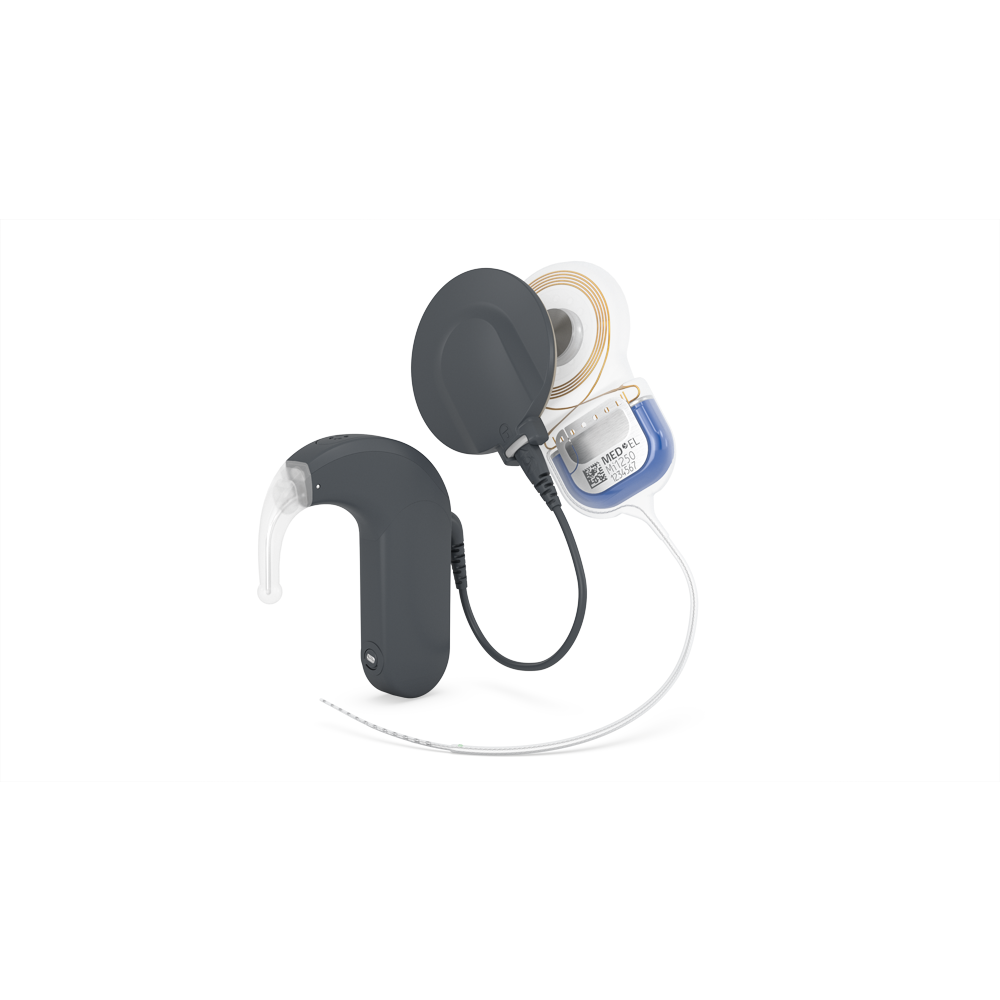
Implantable Hearing Solutions: When hearing aids do not provide the desired level of clarity, implantable hearing solutions offer advanced alternatives. MED-EL provides a comprehensive range of hearing implant systems designed for various types of hearing loss:
-
Cochlear Implants: These devices are designed for individuals with severe to profound sensorineural hearing loss. They bypass damaged parts of the inner ear and directly stimulate the auditory nerve, enabling the brain to perceive sound. Cochlear implants can also benefit individuals with high-frequency hearing loss, improving their ability to hear speech more clearly.
-
Bone Conduction Implants: Systems like MED-EL’s BONEBRIDGE are utilized for conductive or mixed hearing loss. They transmit sound vibrations through the bone directly to the inner ear, bypassing the outer and middle ear structures. Non-surgical bone conduction hearing aids, such as ADHEAR, may also be suitable for some individuals.
-
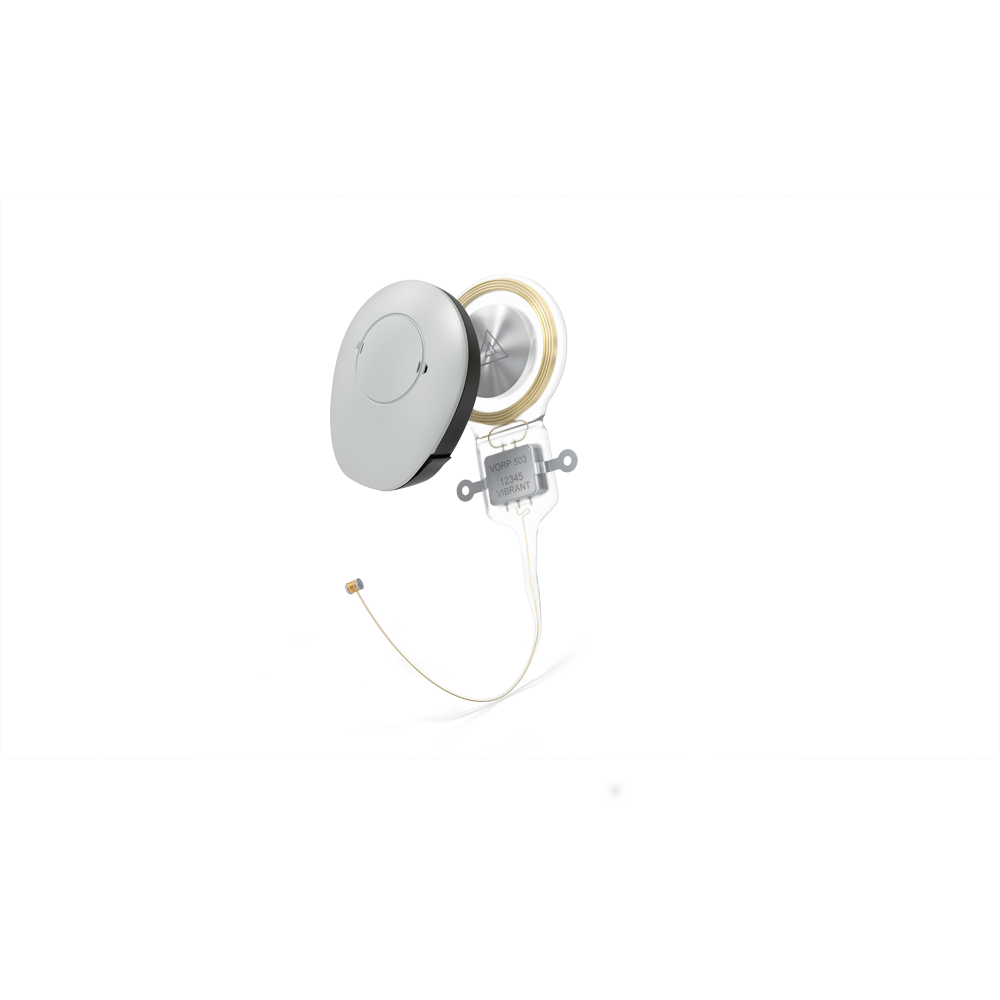
Middle Ear Implants: Devices such as the VIBRANT SOUNDBRIDGE from MED-EL can assist individuals with mild to severe sensorineural, conductive, or mixed hearing loss. These implants leverage the remaining functional structures of the ear to deliver sound, aiming for a natural hearing experience.
-
The choice of treatment will be guided by a hearing specialist who will discuss the most appropriate options based on an individual’s unique hearing profile. Regardless of the solution, the overarching goal remains consistent: to make listening feel easier and more natural in everyday life.
Conclusion: Empowering Through Awareness and Action
Hearing loss, while common, is often a gradual process that can initially go unnoticed. However, subtle shifts in auditory perception—such as struggling in noisy environments, requiring frequent repetitions, increasing volume settings, or experiencing fatigue after conversations—can serve as crucial indicators. The right support can transform everyday conversations from a challenge into a pleasure. Furthermore, in cases of sudden hearing loss, accompanied by dizziness, tinnitus, or severe ear pain, seeking immediate medical attention is imperative. Getting one’s hearing checked is a straightforward yet profoundly impactful step that can restore clarity, provide peace of mind, and significantly enhance long-term quality of life.