The Significance of the NAD National Conference
Since its inception, the NAD National Conference has functioned as the cornerstone of the organization’s efforts to unite the Deaf and Hard of Hearing community. The event serves several critical functions: it acts as a forum for policy debate, a training ground for leadership development, and a cultural showcase. Historically, these conferences draw thousands of attendees, including educators, interpreters, legal professionals, community activists, and families.
The selection of San Francisco for the 2026 iteration places the conference in a city with a robust history of civil rights advocacy and technological innovation. By hosting the event in this region, the NAD aims to leverage the local infrastructure to facilitate high-level discussions regarding accessibility, education, and employment—key pillars of the organization’s mission. The workshops are not merely supplemental; they are the intellectual engine of the conference, providing the practical tools and evidence-based strategies that attendees carry back to their respective communities.
The 2026 Proposal Framework
The NAD has structured the 2026 conference around 10 distinct thematic tracks. This modular approach is designed to ensure a diverse range of topics is covered, addressing the multifaceted needs of a heterogeneous community. While the specific tracks are designed to evolve based on current societal needs, they generally span areas such as legislative advocacy, American Sign Language (ASL) linguistics, educational equity, mental health services, and inclusive technology.
The proposal process is rigorous. Applicants are required to provide a clear abstract, a list of learning objectives, and an explanation of how the content aligns with the NAD’s mission. The Workshops Team, composed of subject matter experts and board liaisons, reviews submissions based on relevance, clarity, and the potential impact of the presentation. The goal is to curate a program that is both academically sound and practically applicable to the daily lives of the Deaf and Hard of Hearing.
Chronology of the Selection Process
The timeline for the 2026 conference is carefully calibrated to ensure that speakers have adequate time to prepare and that the final program is cohesive.
- Early 2025: Initial planning and thematic development for the 2026 conference tracks.
- January/February 2025: Formal launch of the call for proposals.
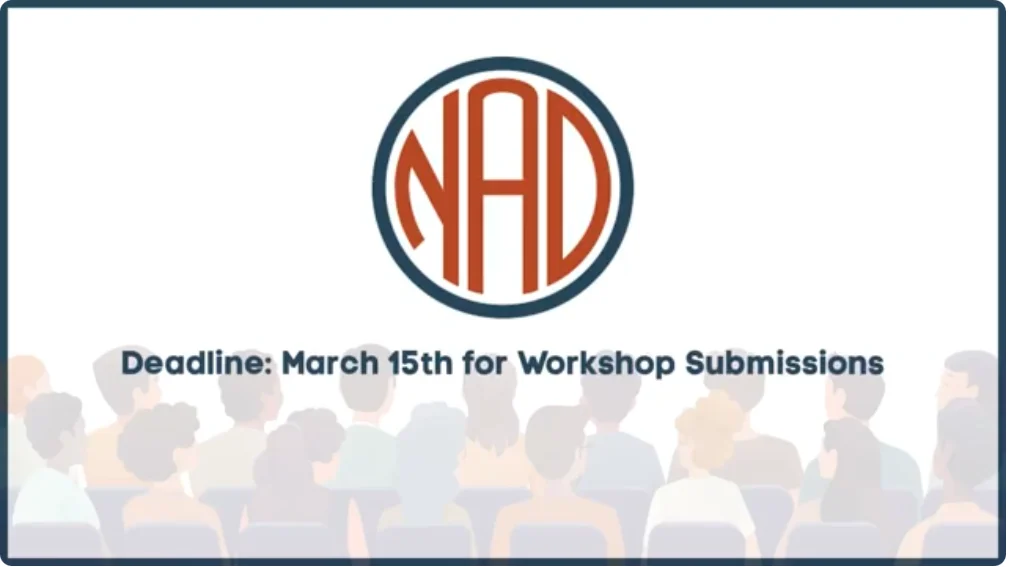
- March 15, 2025: Final deadline for all workshop submissions.
- April – June 2025: The peer-review period where the Workshops Team evaluates submissions.
- July 2025: Notification of acceptance or rejection to applicants.
- Late 2025: Finalization of the conference agenda and speaker training.
- 2026 Conference Dates: Final delivery of the selected sessions in San Francisco.
By adhering to this schedule, the NAD ensures that the conference remains a structured, professional, and well-vetted environment for knowledge exchange.
Analyzing the Impact of Community-Led Programming
The decision to solicit proposals directly from the community, rather than relying on an invited-speaker-only model, reflects the NAD’s commitment to grassroots empowerment. This bottom-up approach allows for the inclusion of emerging topics that may not yet be represented in mainstream academic or professional discourse.

Data from previous conferences suggests that community-led workshops consistently receive the highest ratings in attendee surveys. When community members share their personal experiences, professional successes, or specialized research, it fosters a sense of agency and shared purpose. Furthermore, this format encourages "peer-to-peer" learning, which is often more effective than top-down instruction in a diverse community setting. The workshops serve as a vital mechanism for identifying the next generation of leadership, as presenters often gain visibility and credibility that propel them into further roles within the organization or the broader advocacy field.
Addressing Barriers and Fostering Inclusion
A primary consideration for the Workshops Team is ensuring that all sessions are fully accessible. This goes beyond standard sign language interpretation. The NAD emphasizes the importance of inclusive design in all proposals, including visual accessibility, clear language usage, and the consideration of diverse communication needs, such as those of Deaf-Blind attendees.
Proposers are encouraged to consider the intersectionality of the Deaf community. This includes addressing the unique challenges faced by Black, Indigenous, and People of Color (BIPOC) within the Deaf community, the specific needs of late-deafened individuals, and the experiences of Deaf individuals with disabilities. By prioritizing these diverse perspectives, the workshops provide a more comprehensive view of what it means to be Deaf in America today.
The Role of the Board Liaison
The inclusion of a Board Liaison, such as DeAnna Swope, in the workshop development process serves as a bridge between the strategic vision of the NAD Board of Directors and the practical execution of the conference. The liaison’s role is to ensure that the workshops remain aligned with the organization’s overarching policy goals. For instance, if the NAD is currently lobbying for specific legislative changes in education, the liaison will advocate for workshops that provide activists with the tools necessary to support that legislative effort. This alignment ensures that the conference is not an isolated event but a tactical component of the NAD’s biennial strategy.
Future Implications: Why Participation Matters
The future of the Deaf and Hard of Hearing community is inextricably linked to the quality of information dissemination and the strength of its professional networks. By submitting a proposal for the 2026 conference, individuals are contributing to the historical record of the community. These workshops are often recorded or transcribed, becoming resources that are referenced for years to come.
Furthermore, the professionalization of the advocacy sector requires a continuous influx of new ideas. As technology changes the way we communicate—through video relay services, captioning advancements, and artificial intelligence—the community must critically assess how these tools can be harnessed for empowerment rather than exclusion. The workshop tracks are designed to provide a space for this critical assessment.
For those considering a submission, the NAD provides comprehensive guidelines on their official website. The process is designed to be accessible, and the organization encourages first-time presenters to apply alongside seasoned academics. The diversity of the presenter pool is viewed as a measure of the health and vibrancy of the organization.
Conclusion: A Call for Action
The March 15 deadline is an essential milestone in the preparation for the 2026 NAD National Conference. The Workshops Team is currently seeking high-quality, innovative, and impactful content that reflects the complexity of the current Deaf experience. As the community looks toward San Francisco, the focus remains on collective advancement. By engaging with the call for proposals, community members are not only participating in a conference but are actively shaping the agenda for the next two years of civil rights, education, and cultural growth.
Interested parties are directed to the official NAD website to review the specific requirements, track descriptions, and submission forms. As the organization prepares for this major event, the emphasis remains clear: the strength of the NAD lies in the participation and expertise of its members. The upcoming conference in San Francisco promises to be a defining moment, and the workshop program will serve as its heartbeat, providing the intellectual substance required to drive the mission of the NAD forward into the next decade.