
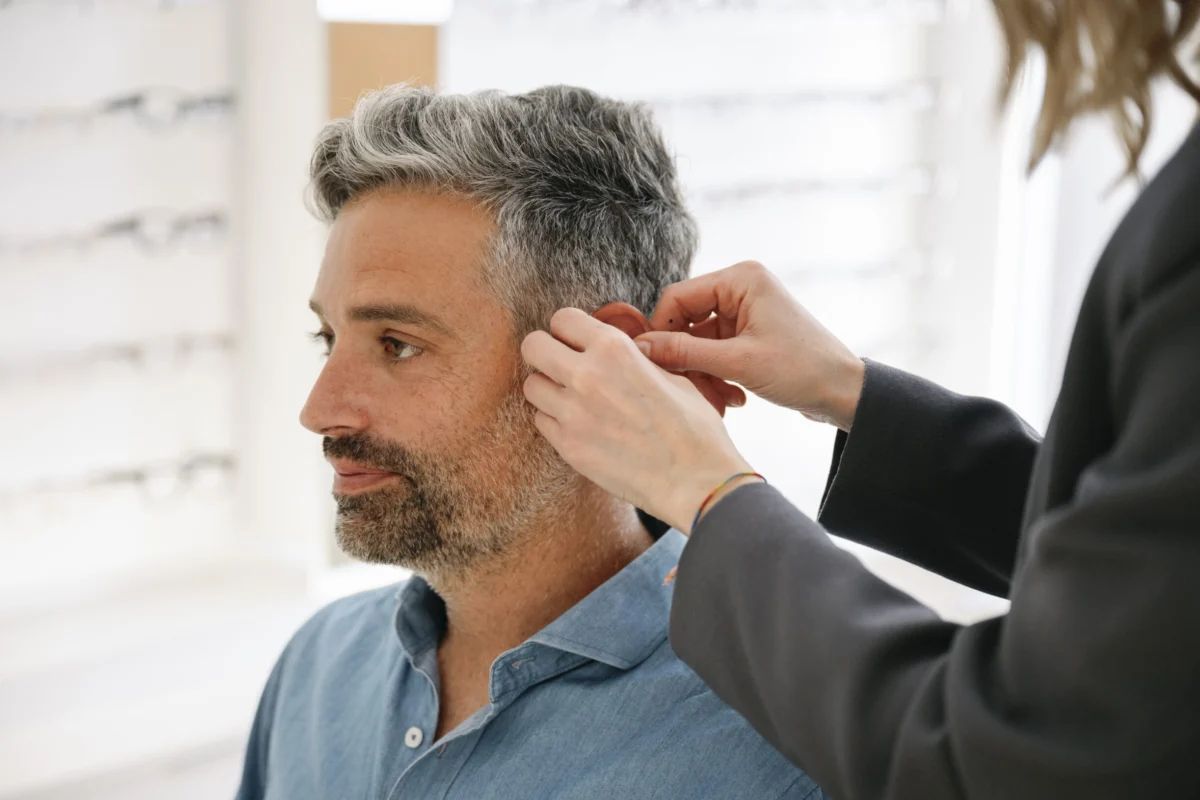
The journey to effective hearing loss management begins with a clear understanding that the optimal treatment strategy is not a one-size-fits-all solution. It is intricately linked to several critical factors: the specific type of hearing loss, its underlying cause, and its overall severity. While some forms of hearing loss are transient and amenable to medical intervention, others necessitate long-term solutions, such as the use of hearing aids. For individuals whose hearing loss is profound and no longer adequately addressed by conventional hearing aids, implantable hearing solutions emerge as a viable and often transformative option. Regardless of the eventual treatment path, the indispensable first step remains a professional diagnosis, a cornerstone upon which all successful interventions are built.

This comprehensive guide aims to demystify the various hearing loss treatments available today, offering insights into what truly makes a difference, from fundamental medical care to cutting-edge hearing technology.
Understanding the Spectrum of Hearing Loss Treatments
Modern approaches to treating hearing loss can be broadly categorized into five principal areas, each designed to address distinct aspects of auditory impairment. The overarching goals of these treatments are twofold: to restore hearing where possible and to enhance the ability to communicate and engage with the world, even when complete restoration is not achievable. The efficacy of these treatments is often amplified through personalized combinations of medical interventions, advanced hearing technology, specialized therapies, and readily available daily support tools. Recognizing the unique nature of each individual’s hearing, treatment plans are meticulously individualized, guided by rigorous audiological evaluations and the expert assessments of hearing specialists.
Tailoring Treatment to the Type of Hearing Loss
The most effective treatment for hearing loss is intrinsically tied to its classification: conductive, sensorineural, or mixed. Conductive hearing loss affects the transmission of sound through the outer or middle ear, while sensorineural hearing loss involves damage to the inner ear or the auditory nerve. Mixed hearing loss, as the name suggests, presents a combination of both. A thorough understanding of the specific type of hearing loss is paramount in determining whether hearing can be restored, improved, or if long-term supportive solutions are required.

Addressing Conductive Hearing Loss
Conductive hearing loss arises when there is an obstruction or blockage in the outer or middle ear, preventing sound waves from reaching the inner ear effectively. This form of hearing loss is frequently temporary and amenable to treatment. Common therapeutic interventions include the medical or surgical removal of earwax impaction, the treatment of middle ear infections with antibiotics, surgical correction of eardrum perforations or middle ear bone abnormalities, and management of conditions like otosclerosis. The primary aim of treatment is to eliminate the blockage or rectify the underlying anatomical or pathological issue. In many instances, successful treatment can lead to a partial or even complete restoration of hearing. Depending on the extent of the blockage and the nature of the underlying condition, devices such as bone conduction hearing aids, bone conduction implants, or middle ear implants may be utilized to improve sound transmission.
Managing Sensorineural Hearing Loss
Sensorineural hearing loss, the most prevalent form, stems from damage to the delicate hair cells within the cochlea or the auditory nerve itself. This type of hearing loss is often permanent. Consequently, treatment primarily focuses on management rather than a cure, aiming to enhance the individual’s access to sound. Hearing technology plays a pivotal role in this management strategy. Advanced hearing aids are designed to amplify and process sound, thereby improving speech clarity and reducing the impact of disruptive background noise. For individuals with severe to profound sensorineural hearing loss, hearing implants, such as cochlear implants, offer a more direct pathway to restoring auditory perception by bypassing damaged inner ear structures and directly stimulating the auditory nerve.
Strategies for Mixed Hearing Loss
Individuals experiencing mixed hearing loss possess characteristics of both conductive and sensorineural impairments. Treatment for this complex condition typically involves a multifaceted approach, integrating medical interventions with appropriate hearing technology. Treatment plans are often dynamic, evolving as underlying medical conditions are addressed and as the individual’s hearing needs change over time. Continuous specialist care is essential to ensure that the most effective hearing loss solutions are implemented at every stage of the patient’s journey.
Medical and Surgical Interventions
Medical and surgical treatments are specifically indicated when hearing loss is attributable to identifiable causes such as infections, inflammation, or structural abnormalities within the ear.
Non-Invasive Medical Treatments
These treatments often involve the use of medications, such as antibiotics to combat ear infections or corticosteroids to reduce inflammation. Other non-invasive approaches might include earwax removal, cerumen management, or therapies aimed at managing tinnitus, which often co-occurs with hearing loss.
Surgical Treatment Options
Surgical interventions are reserved for specific anatomical issues or persistent conditions. These can range from tympanoplasty to repair a perforated eardrum, stapedectomy to address otosclerosis, or cochlear implant surgery for severe to profound hearing loss. Middle ear implant surgery is another option for specific types of hearing loss. It is crucial to emphasize that medical and surgical treatments are only appropriate for a subset of hearing loss cases and invariably require a thorough evaluation by an Ear, Nose, and Throat (ENT) specialist.

The Role of Hearing Aids
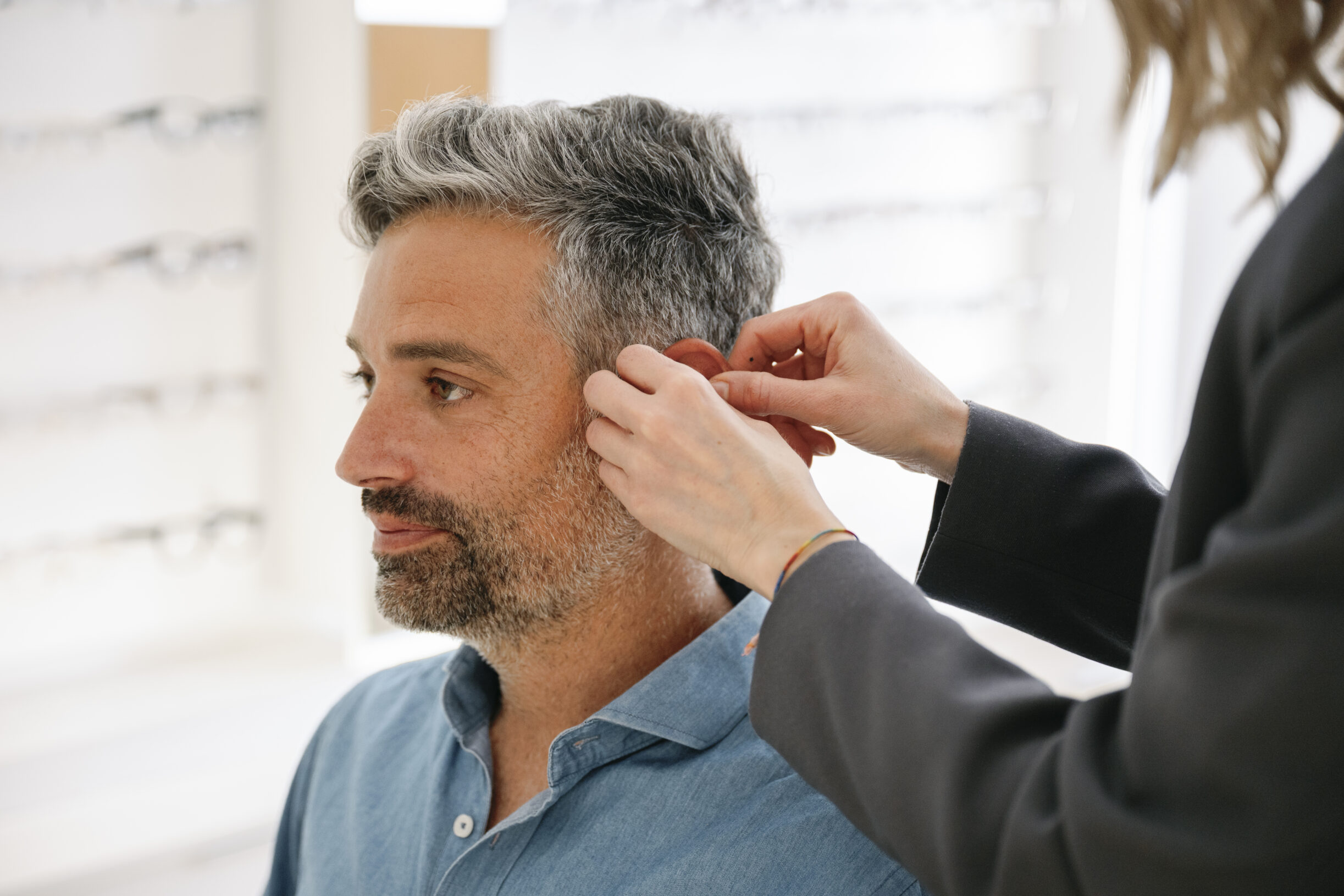
Hearing aids stand as one of the most widely used and highly effective treatments for hearing loss globally. These sophisticated electronic devices function by amplifying and processing sound signals, thereby rendering speech more intelligible and easier to comprehend. Hearing aids are beneficial for individuals experiencing mild to severe hearing loss, offering several key advantages: improved clarity of speech, enhanced perception of environmental sounds, reduced listening effort, and a diminished sense of social isolation. The success of hearing aids is significantly influenced by professional fitting and precise fine-tuning, ensuring that the device is calibrated to meet the unique hearing profile of each user.
Implantable Hearing Solutions for Profound Hearing Loss
When hearing aids are no longer sufficient to provide adequate auditory benefit, or when medical contraindications, anatomical limitations, or chronic ear conditions preclude their use, implantable hearing solutions become a critical consideration.
Cochlear Implants: Restoring Auditory Nerve Function
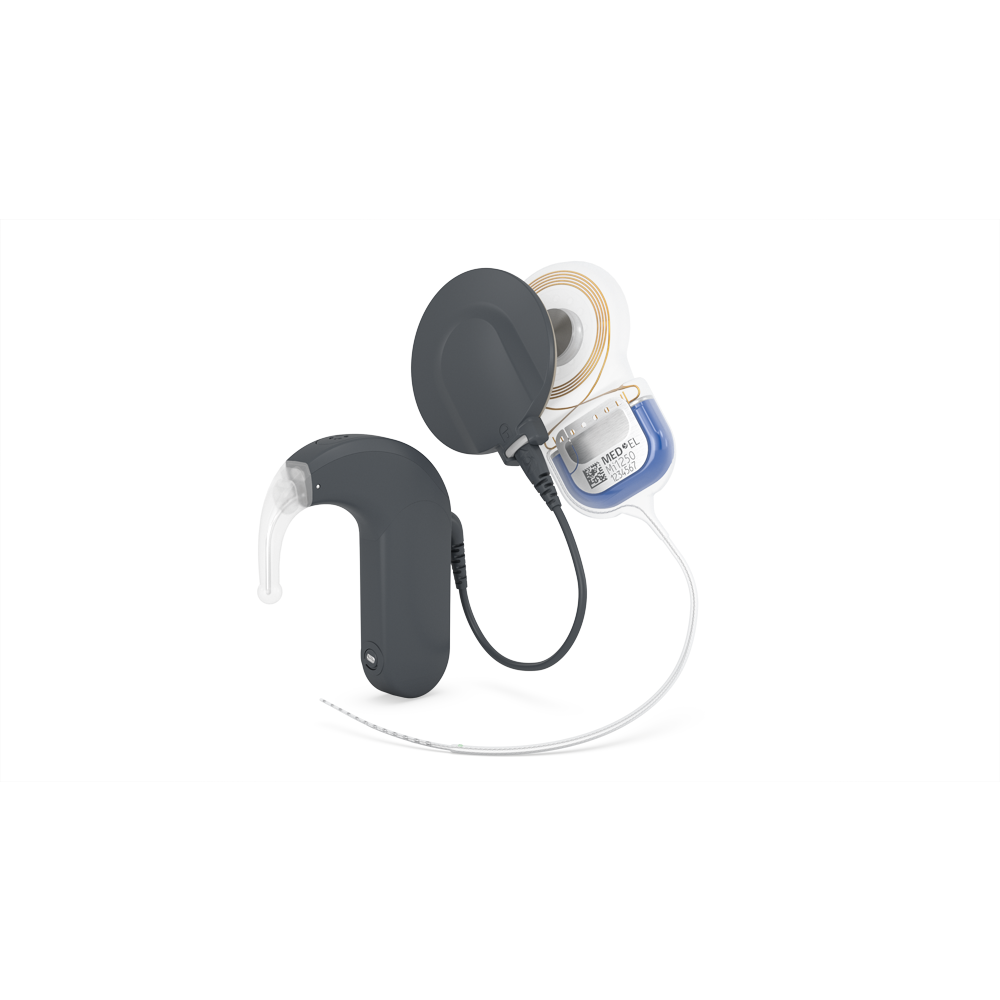
Cochlear implants represent a significant technological advancement for individuals with severe to profound sensorineural hearing loss. Unlike hearing aids that amplify sound, cochlear implants bypass the damaged structures of the inner ear and directly stimulate the nerve fibers within the cochlea. This direct neural stimulation allows the brain to interpret sound signals, potentially restoring a sense of hearing. The benefits of cochlear implants can be transformative, enabling users to perceive speech more clearly, engage in conversations with greater ease, and reconnect with the auditory world. This can lead to improved social interaction, enhanced safety through awareness of environmental sounds, and a better quality of life.
Bone Conduction Systems: Bypassing the Middle Ear
Bone conduction implants and bone conduction hearing aids offer another innovative approach to hearing restoration. These systems convert sound into vibrations that are transmitted through the skull bone directly to the cochlea. This mechanism effectively bypasses the outer and middle ear, making them particularly suitable for individuals with conductive or mixed hearing loss where the outer or middle ear structures are compromised. They are often recommended for individuals with chronic ear infections, malformations of the ear canal or middle ear, single-sided deafness, or when conventional hearing aids are not well-tolerated or effective.
Enhancing Communication with Assistive Listening Devices and Therapy
Beyond primary hearing devices, a range of assistive listening devices (ALDs) and communication support tools are available to further enhance daily communication and promote independence. Devices like AudioLink XT, which facilitates direct audio streaming from various devices, significantly improve the clarity of sound in challenging listening environments. Other examples of assistive listening solutions include specialized telephones, amplified alarm clocks, personal amplifiers, and alerting devices. These tools are invaluable for individuals seeking to navigate noisy environments, enjoy media, or stay connected with their surroundings more effectively.
Complementary to technological solutions, comprehensive hearing loss management often incorporates therapies designed to strengthen communication skills. These may include speech therapy, auditory training, and aural rehabilitation. These therapeutic approaches work in synergy with hearing technology, empowering individuals to maximize their use of residual hearing and communication abilities. Regardless of the specific device used, these therapies are instrumental in fostering long-term success and improving overall communication competence.

Age-Specific Considerations in Hearing Loss Treatment
The approach to hearing loss treatment is also tailored to age, reflecting different developmental stages, communication needs, and life priorities.
Hearing Loss Treatment in Children
For children, early diagnosis and intervention are paramount. Treatment strategies often focus on maximizing auditory input to support language development and cognitive growth. This may involve fitting hearing aids at a very young age, and for those with severe to profound hearing loss, cochlear implantation is often recommended to provide access to sound as early as possible. Ongoing auditory training and specialized educational support are critical for ensuring optimal developmental outcomes.
Hearing Loss Treatment in Adults and Older Adults
In adults and older adults, treatment goals may be more focused on maintaining social connections, enhancing professional engagement, and improving overall quality of life. While hearing aids are the primary solution for many, implantable devices may be considered for those with more severe loss. The emphasis is on providing solutions that are user-friendly, comfortable, and effectively address the individual’s daily communication challenges. Support for managing age-related hearing changes, including strategies for coping with tinnitus and cognitive load associated with hearing loss, is also integral.

The Foundational Importance of Diagnosis
It cannot be overstated: no hearing loss treatment plan should be initiated without a professional diagnosis. Audiologists and ENT specialists employ a range of diagnostic tools, including otoscopes for visual examination and various hearing tests, to accurately identify the type and degree of hearing loss. Self-diagnosis is insufficient and can lead to ineffective or even detrimental treatment choices. Accurate and comprehensive testing is the bedrock upon which the most effective and personalized hearing loss solutions are built, ensuring that interventions are precisely aligned with individual needs.
Conclusion: Empowering Lives Through Comprehensive Care
While there is no single, universally applicable treatment for hearing loss, a wealth of effective solutions exists to address challenges at every stage of life. From essential medical care and widely accessible hearing aids to advanced implantable technologies and supportive therapies, modern interventions offer tangible, life-altering benefits. With the right diagnosis and a meticulously crafted treatment plan, the vast majority of individuals experiencing hearing loss can significantly enhance their communication abilities and elevate their overall quality of life. For those who suspect they may have hearing loss, the crucial first step toward a diagnosis opens the door to effective treatment and a pathway to reclaiming a more connected and fulfilling existence.
For those seeking to understand their options further, local MED-EL teams are equipped to provide guidance on the comprehensive range of hearing solutions available.

Disclaimer: The content provided herein is for general informational purposes only and should not be construed as medical advice. Always consult with your physician or a qualified hearing specialist to determine the most appropriate hearing solution for your specific needs. Product availability and indications may vary by region.