The Onset: A Post-Viral Crisis
The medical trajectory began in the spring, following a severe viral infection that included complications such as acute ear infections and eustachian tube dysfunction. Despite a history of three prior COVID-19 infections, the patient reported that this specific episode presented an entirely different spectrum of severity. Within weeks, the development of chronic tinnitus—a high-pitched, relentless auditory intrusion—began to erode both physical and mental health.
Clinical data suggests that such outcomes are not anomalous. According to the British Tinnitus Association, the prevalence of tinnitus has seen a marked increase since 2020. Research published in the International Journal of Audiology has identified a correlation between viral infections and auditory system inflammation. The patient’s experience mirrors a broader demographic of individuals reporting "brain fog," anxiety, and sensory processing disorders following viral exposure. The psychological weight of this condition was immediate; the patient reported feelings of intense isolation, exhaustion, and, at its most acute phase, suicidal ideation driven by the inability to silence the persistent auditory stimulus.
Chronology of Symptoms and Occupational Impact
The progression of the condition directly affected the patient’s professional capacity. As a freelance artist and teacher, the requirement for focus and the ability to interact in classroom environments became impossible to sustain. Driving, which required a level of concentration and sensory stability, became hazardous due to the intensity of the noise and associated symptoms, including persistent nausea and facial pain.
The timeline of recovery was slow and non-linear. The initial phase, characterized by the "blackness" of acute depression and the fear of total career cessation, lasted several weeks. During this period, traditional indoor environments amplified the perception of the tinnitus, rendering the patient unable to conduct his regular adult education workshops. The shift toward recovery began only when the patient identified a mechanism to regulate his environment, opting to transition from the auditory-sensitive indoors to the expansive, sensory-rich environment of the natural world.
The Therapeutic Mechanism of Land Art
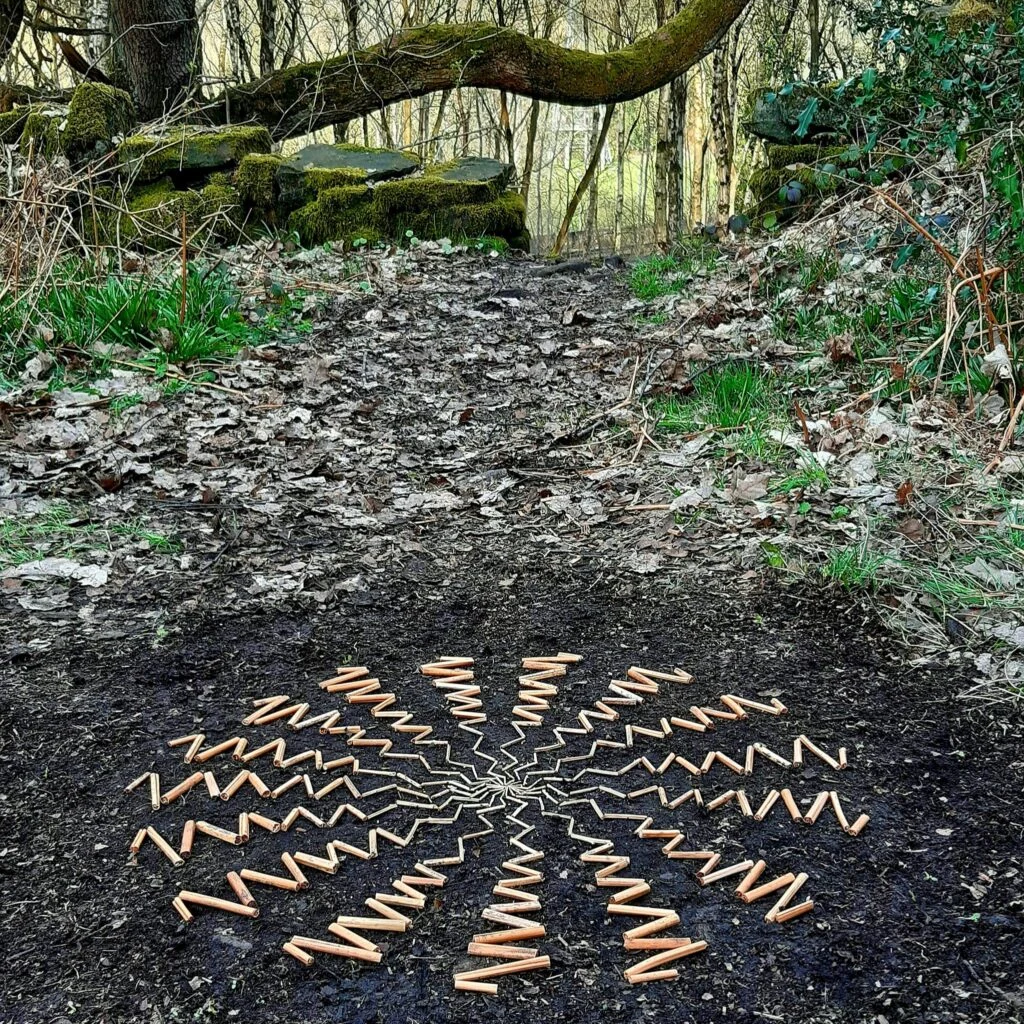
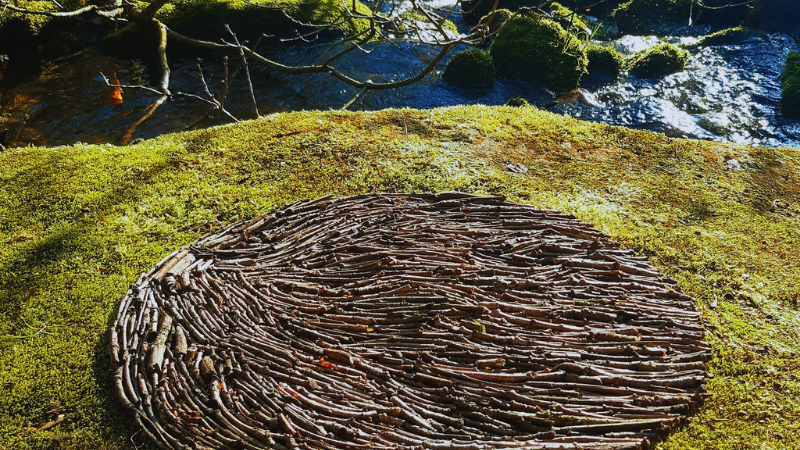
Land art, or environmental art, relies on the use of found natural materials such as stone, wood, sand, and foliage. From a therapeutic perspective, this practice functions as a form of sensory grounding. By engaging in the repetitive, low-stress physical tasks required to construct these ephemeral installations, the patient was able to shift his focus from the internal, high-pitched "whistle" of the tinnitus to the external, tactile reality of his surroundings.
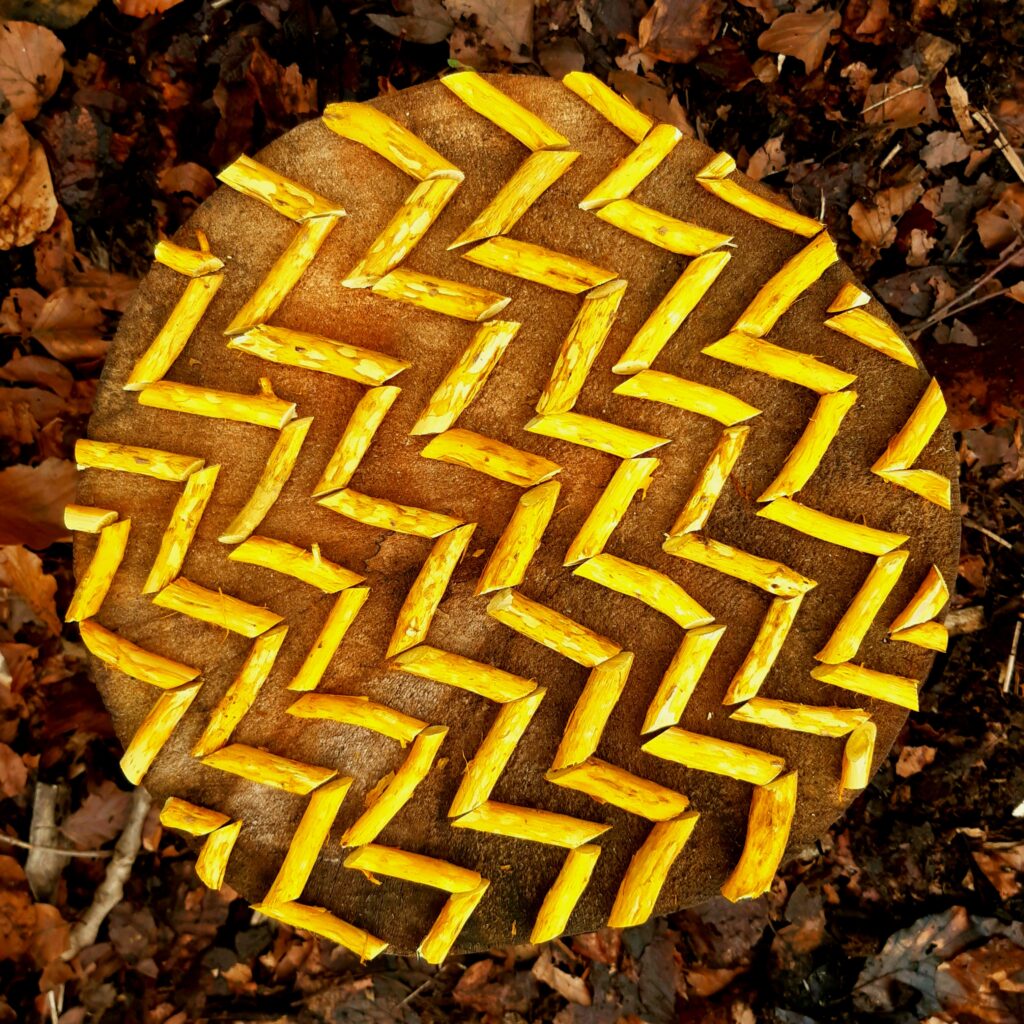
Psychological experts often emphasize the "flow state"—a mental condition of complete immersion—as a key factor in pain management. For the patient, arranging twigs on a woodland floor or manipulating bracken stalks provided a necessary distraction that allowed the nervous system to recalibrate. This connection to the "seasonal rhythms" and the natural environment served as a bridge back to a functional state. The patient’s work, which evolved from the stark, yellow-toned "Tinnitus" piece—symbolizing the harshness of the condition—to more hopeful, aspirational designs like "Fizz" and "Wishbones," documents a clear recovery arc facilitated by creative expression.
Statistical Context and Health Implications
Tinnitus is currently estimated to affect approximately 10 to 15 percent of the global population. While the majority of cases are mild, a significant percentage of patients experience "clinically significant" tinnitus, which requires medical and psychological intervention. The economic implications are equally significant; loss of productivity in the freelance and education sectors due to chronic auditory conditions results in millions of dollars in lost wages and public health costs annually.
Medical professionals, including audiologists and mental health practitioners, are increasingly investigating "nature-based therapy" as a supplemental treatment for chronic conditions. Studies published in Frontiers in Psychology indicate that exposure to natural environments reduces cortisol levels and lowers blood pressure, both of which are critical for individuals suffering from the hyper-arousal symptoms of tinnitus. By moving his practice into the woods, the patient was inadvertently utilizing a form of environmental therapy that mitigated the symptoms of his condition.
Broader Societal and Medical Implications
The case of this artist underscores a critical gap in the current management of long-term viral sequelae. While traditional medical approaches focus on symptom suppression—often through sound therapy or cognitive behavioral therapy—there is an increasing call for holistic interventions that integrate environmental engagement.
Health charities have noted that patients with "hidden disabilities" like tinnitus often face a lack of public understanding. The stigma associated with constant, invisible noise can lead to social withdrawal, further exacerbating the depression that typically accompanies the condition. The success of this patient in returning to his role as an educator for mental health charities demonstrates that when the environment is managed to accommodate the disability, the individual can regain professional agency.
Conclusion: A Path Toward Integration
The patient’s return to teaching poetry and nature-based art signifies a successful transition from the acute phase of his disability to a state of long-term management. By reframing his experience through the lens of land art, he has managed to transform a source of trauma into a source of public utility.
The implications for public policy are clear: as the population continues to deal with the long-term effects of viral outbreaks, there is a necessity for community-based, accessible, and therapeutic environments. The integration of the arts into the recovery process for those with chronic, invisible illnesses is not merely a hobbyist’s pursuit; it is a vital component of a comprehensive approach to mental health.
Ultimately, the patient’s journey serves as a reminder that the human connection to nature is one of the most potent, yet underutilized, tools in the clinical toolkit. While his journey began in the darkness of a "black world" caused by a persistent, unwanted companion, he has effectively charted a path that utilizes the very tools that were once dismissed: silence, time, and the simple, grounding act of working with the earth. His story stands as a testament to the resilience of the human spirit when provided with the space—literal and figurative—to heal. As he continues to lead workshops and facilitate art sessions, he remains a vocal advocate for the therapeutic efficacy of nature, providing a blueprint for others navigating the often-silent, yet deafening, struggle with chronic tinnitus.