The Historical Context of the PPE Gap
The occupational safety sector has long relied on design standards established decades ago, which were primarily based on the anthropometric data of male workers. In the industrial era, when the workforce was predominantly male, this approach was considered standard. However, as women have moved into roles involving high-risk environments, the failure to adapt safety gear has created a hidden, yet critical, workplace hazard.
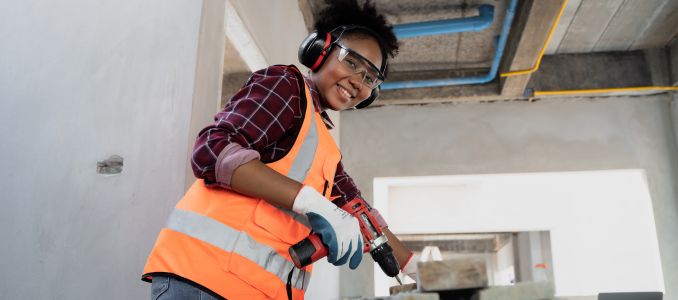
For years, the issue was largely obscured by a culture of silence. Employers often viewed the procurement of specialized gear as an unnecessary logistical burden, while female workers frequently suppressed their concerns to avoid drawing unwanted attention or being perceived as difficult. This systemic inaction resulted in a "last line of defense" that, for millions, was no defense at all. Ill-fitting gear is not merely a comfort issue; it is a safety failure. Oversized gloves reduce manual dexterity, loose-fitting vests can snag on machinery, and improperly fitted harnesses can cause severe injury or death during a fall.
The Shift Toward Inclusion: A Chronological Overview
The last five years have marked a significant turning point in the professionalization of women’s PPE. This shift was not accidental but the result of sustained pressure from safety advocates, union representatives, and a growing body of academic research.
- 2019-2020: Increased social media visibility and worker-led advocacy groups began highlighting the dangers of "men’s size small" equipment, which often featured incorrect proportions, such as shoulders that were too wide or inseams that were too long for the average female frame.
- 2021: Industry distributors began to report a measurable uptick in requests for women-specific sizing, signaling to manufacturers that the demand was not a niche requirement but a mainstream market necessity.
- 2023: The American National Standards Institute (ANSI) and the American Society of Safety Professionals (ASSP) released the Technical Report Z590.6, titled Guidance of Personal Protective Equipment for Women. This document provided the first formal framework for manufacturers and employers to evaluate and select gear designed specifically for the female form.
- 2024-2025: Market availability expanded significantly. Today, high-visibility garments, specialized footwear with appropriate arch support for female feet, and ergonomic hearing protection are widely available through major industrial supply chains.
The Role of ANSI/ASSP Z590.6
The publication of the Z590.6 technical report serves as the cornerstone for modernizing safety protocols. By establishing standardized metrics for fit, the report moved the conversation from subjective opinions—such as whether a garment "looks" right—to objective criteria based on body measurements and task-based mobility requirements.
The report emphasizes that PPE must be tested on the demographic it is intended to protect. This means that a fall-protection harness must be stress-tested against the center of gravity and torso length characteristic of women, rather than assuming that a smaller male harness will suffice. The implication for employers is clear: failing to utilize these standards creates a significant liability in the event of a workplace injury.
Anatomy of a Failure: Why "Shrink and Pink" Endangers Workers
The primary criticism of the "shrink and pink" model is its failure to account for ergonomic functionality. When a woman wears PPE designed for a man, she is often forced to compensate for the poor fit. For instance, if a work glove is too wide across the palm, the wearer loses the ability to grip tools securely, increasing the risk of dropping heavy objects or suffering from repetitive strain injuries.
Furthermore, the "one-size-fits-all" approach often leads to "PPE creep," where equipment shifts during physical labor. A safety vest that does not contour to the body can interfere with the operation of machinery or lead to entanglement hazards. In high-stakes environments like chemical plants or construction sites, these few centimeters of difference can be the difference between a controlled task and a life-altering accident.
Implementing a Six-Step Employee-Driven Approach
To transition away from antiquated procurement models, safety officers and leadership must adopt a structured, inclusive strategy. The following steps provide a roadmap for organizations looking to modernize their safety programs:
- Conduct an Anthropometric Audit: Assess the current workforce demographics and identify where existing PPE fails to meet the needs of female employees. Use objective measurements to determine gaps in current stock.
- Engage the Safety Committee: Move the decision-making process away from procurement offices alone and include the actual end-users. Women in the field possess the best data on where current gear fails.
- Evaluate Vendor Capabilities: Move beyond generalist suppliers. Seek out manufacturers who have specifically utilized the ANSI/ASSP Z590.6 guidelines in their design and testing processes.
- Pilot Testing Programs: Before a company-wide rollout, provide small groups of female employees with various brands and types of PPE. Gather qualitative and quantitative feedback on fit, mobility, and ease of use.
- Policy Standardization: Formally update company safety policies to mandate that "proper fit" is a requirement for all PPE. This removes the "choice" for employees to wear ill-fitting gear just to get the job done.
- Continuous Monitoring and Training: Ensure that the procurement cycle includes periodic reviews to adjust for new hires and updated product innovations, keeping safety equipment current with technological advancements.
Data-Driven Implications for Employers
The business case for investing in properly fitting PPE extends beyond humanitarian concerns. Research indicates that when employees feel safer and more comfortable, productivity increases and absenteeism decreases. Furthermore, companies that prioritize inclusive PPE demonstrate a stronger safety culture, which aids in the retention of skilled labor.
According to recent labor statistics, the cost of an workplace injury—including medical expenses, lost productivity, and potential litigation—far outweighs the incremental cost of sourcing specialized PPE. For example, a high-quality women’s-specific harness may carry a slightly higher price tag than a generic one, but the cost is negligible when compared to the insurance premiums and regulatory fines associated with a fall-related injury caused by equipment failure.

Industry Reactions and the Future of Safety
Professional organizations have largely embraced the push for better equipment, though some industry veterans note that the transition remains slow in legacy sectors. The consensus among safety professionals is that the "wakeup call" is overdue. Leaders who wait for a visible, preventable accident to occur before updating their PPE policies are not only failing their employees but are also ignoring a clear trend in safety regulation and litigation.
As we look toward the remainder of the decade, the integration of smart PPE—such as sensors that monitor fit and environmental exposure—will likely further highlight the necessity of anatomical accuracy. If the equipment cannot fit the body, it cannot accurately monitor the environment, further underscoring the need for precision-engineered gear.
Conclusion
The evolution of PPE is a reflection of the evolving workplace. As women continue to break barriers in heavy industry, the infrastructure that supports them must also evolve. The move away from the reductive "shrink it and pink it" mentality is not just a trend; it is a fundamental correction of an outdated safety paradigm. By engaging with employees, adhering to modern technical standards like Z590.6, and prioritizing fit over convenience, business leaders can ensure that the "last line of defense" truly protects every member of the workforce, regardless of gender. The path forward is clear: safety is not a one-size-fits-all endeavor, and it is time for the industry to act accordingly.