The Evolution of the Fulfillment Crisis
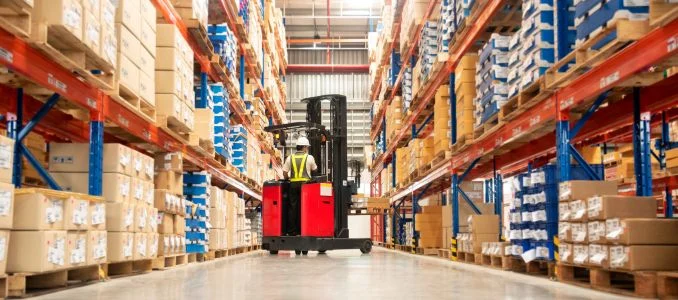
To understand the current safety crisis, one must examine the chronology of warehouse operations. Following the 2008 economic downturn, the logistics industry underwent a radical transformation driven by the "Amazon Effect." Retailers moved away from centralized, large-scale distribution centers toward hyper-localized fulfillment hubs designed to meet two-day and eventually same-day shipping windows.
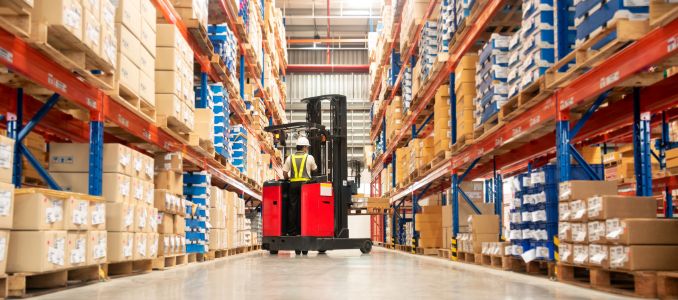
By 2015, the pressure to maintain "always-on" inventory availability led to the widespread adoption of high-speed sorting systems. However, these systems prioritized speed over ergonomics. While the machines became faster, the human workers responsible for the "last-mile" of the picking process were forced to maintain a pace that exceeded natural human biomechanical limits. By 2018, industry reports began to show a plateau in safety improvements, with repetitive stress injuries becoming the leading cause of long-term disability among warehouse staff. Today, e-commerce fulfillment centers report an even higher injury rate of 5.9 per 100 workers, a figure that continues to climb as consumer demand remains relentless.
Quantifying the Physical Toll
The persistence of these hazards is not for a lack of recognition; rather, it is a byproduct of how facilities define "modernization." For many firms, capital investment is directed toward throughput metrics—inventory turnover, scan rates, and order accuracy. Safety, conversely, is often treated as a reactive compliance function rather than a proactive design feature.
The risks are broadly categorized into the "Three D’s"—dull, dirty, and dangerous tasks. These are the repetitive, high-exposure, and high-risk duties that currently anchor the warehouse labor model.
Forklift and Dock Hazards
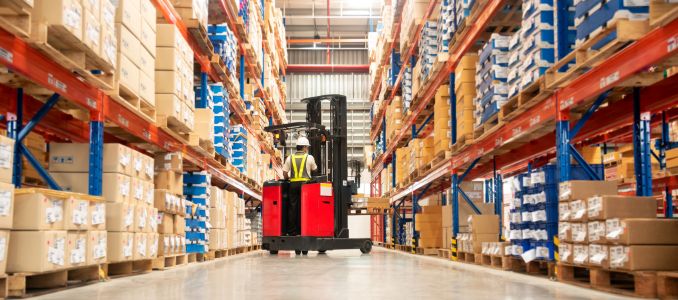
Forklifts remain the primary engine of warehouse logistics, yet they are also the leading cause of catastrophic injury. Accounting for roughly 25% of all warehouse-related injuries, these vehicles are responsible for nearly 7,500 significant injuries and approximately 100 fatalities annually in the United States. The danger is compounded by the "narrow aisle" design of modern facilities, which minimizes square footage costs but maximizes the potential for vehicle-to-pedestrian contact.
Loading docks represent another critical point of failure. Despite being a relatively small fraction of a facility’s total footprint, approximately 25% of all warehouse accidents occur in these zones. Safety researchers note that for every documented injury at a loading dock, there are an estimated 600 near misses. These events, which often go unreported, are the "canaries in the coal mine," signaling systemic failures in traffic management and visibility.
Musculoskeletal Disorders and Ergonomics
While heavy machinery accounts for the most dramatic accidents, the silent epidemic is musculoskeletal disorders (MSDs). Approximately 24% of warehouse workers involved in picking and sorting tasks suffer from chronic injuries related to repetitive motion. These injuries do not occur in a single traumatic event; they are cumulative, resulting from millions of reaches, bends, and lifts performed over 10-hour shifts. The long-term economic implications for the workforce are significant, often leading to chronic pain, loss of earning capacity, and early retirement from the manual labor sector.

The Emergence of Human-Centric Robotics
In response to these persistent risks, a new paradigm of "human-centric robotics" is emerging. Unlike the industrial robots of the 1980s and 90s—which were caged off from humans to prevent contact—modern collaborative robots, or "cobots," are designed to work alongside employees.
The primary objective of these systems is to remove the worker from the path of exposure. For example, Autonomous Mobile Robots (AMRs) are now handling the transport of heavy pallets between storage zones and packing stations. By utilizing AMRs to manage the movement of goods, warehouses can keep human pickers in dedicated, ergonomically optimized "picking zones." This prevents the need for workers to traverse miles of warehouse floor per shift or operate heavy machinery in high-traffic aisles.
Furthermore, exoskeleton technology is beginning to see pilot programs in major distribution centers. These wearable devices provide physical support for the lower back and shoulders during lifting tasks, effectively reducing the strain on muscles and ligaments. By offloading the mechanical stress of heavy lifting to the exoskeleton, the worker remains the primary decision-maker in the process while the machine handles the physical load.
Industry Implications and Future Outlook
The business case for integrating these technologies has never been stronger. Beyond the moral imperative to protect workers, the financial costs of safety failures are mounting. Increased workers’ compensation premiums, high turnover rates caused by worker burnout, and the potential for regulatory fines from the Occupational Safety and Health Administration (OSHA) have forced a shift in corporate priorities.
Industry analysts suggest that we are entering a "Safety-First Automation" era. Companies that treat safety as a core component of their operational strategy—rather than an afterthought—are seeing improved retention rates and greater consistency in order fulfillment. As one labor analyst noted, "When you remove the ‘Three D’s’—the dull, the dirty, and the dangerous—you aren’t just protecting the worker; you are building a more resilient supply chain that is less prone to the shocks of injury-related downtime."
However, the transition is not without challenges. The integration of robotics requires significant investment in employee training. Workers must transition from being the "manual labor" to becoming "robot technicians" or "system monitors." This shift requires a robust commitment to upskilling, ensuring that the workforce is not displaced by automation, but rather elevated by it.

Conclusion: A Proactive Path Forward
The narrative that warehouse injuries are an unavoidable cost of doing business in a fast-paced economy is increasingly being challenged by both data and technological capability. The 5.5 injury rate per 100 employees is a reflection of a system that has historically prioritized machine-like performance from human bodies.
By strategically deploying robotics to handle the most hazardous aspects of the job—such as heavy lifting, long-distance transport, and repetitive maneuvering—warehouse operators can create an environment that honors human capability rather than exploiting it. The future of logistics will not be defined by the elimination of the human worker, but by the successful integration of human intelligence with robotic endurance. As this transition continues, the industry must maintain a rigorous focus on the data, ensuring that as throughput increases, the safety of the individual on the floor remains the ultimate metric of success. The path to a safer warehouse is clear: automate the risk, elevate the worker, and ensure that technology serves as a shield rather than a barrier to long-term health.