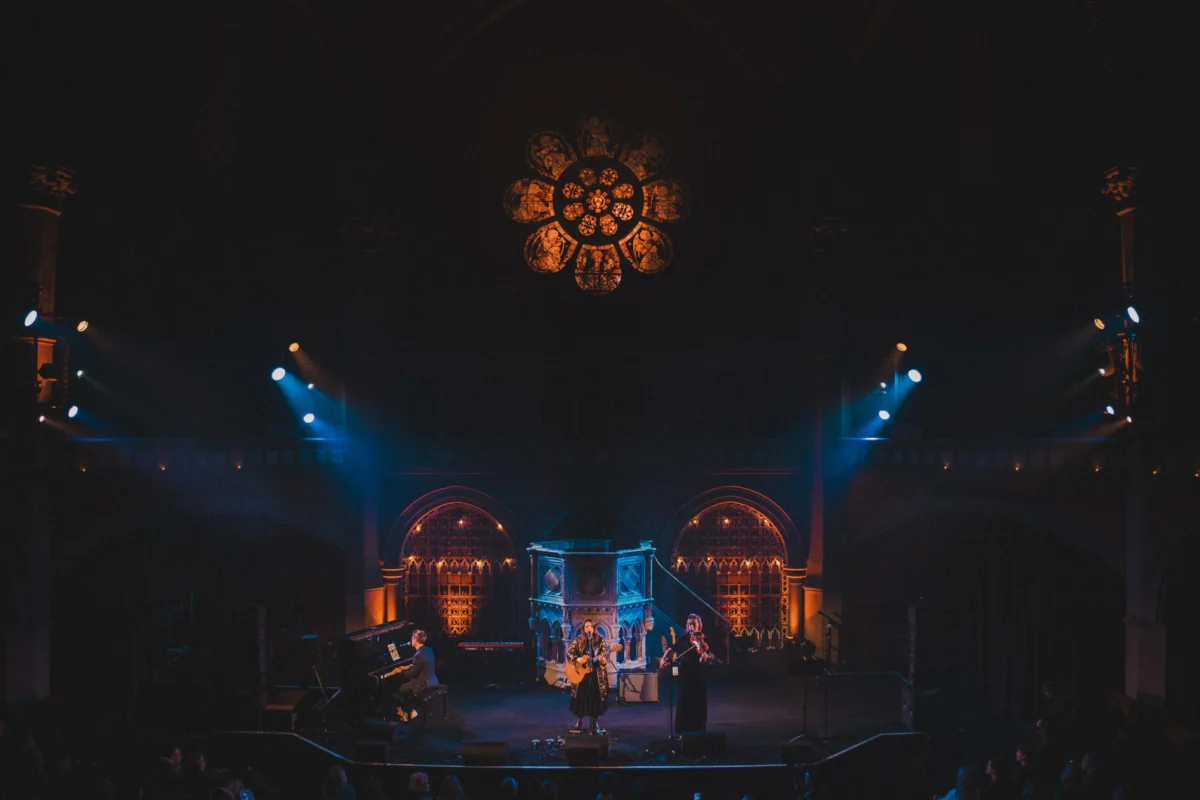
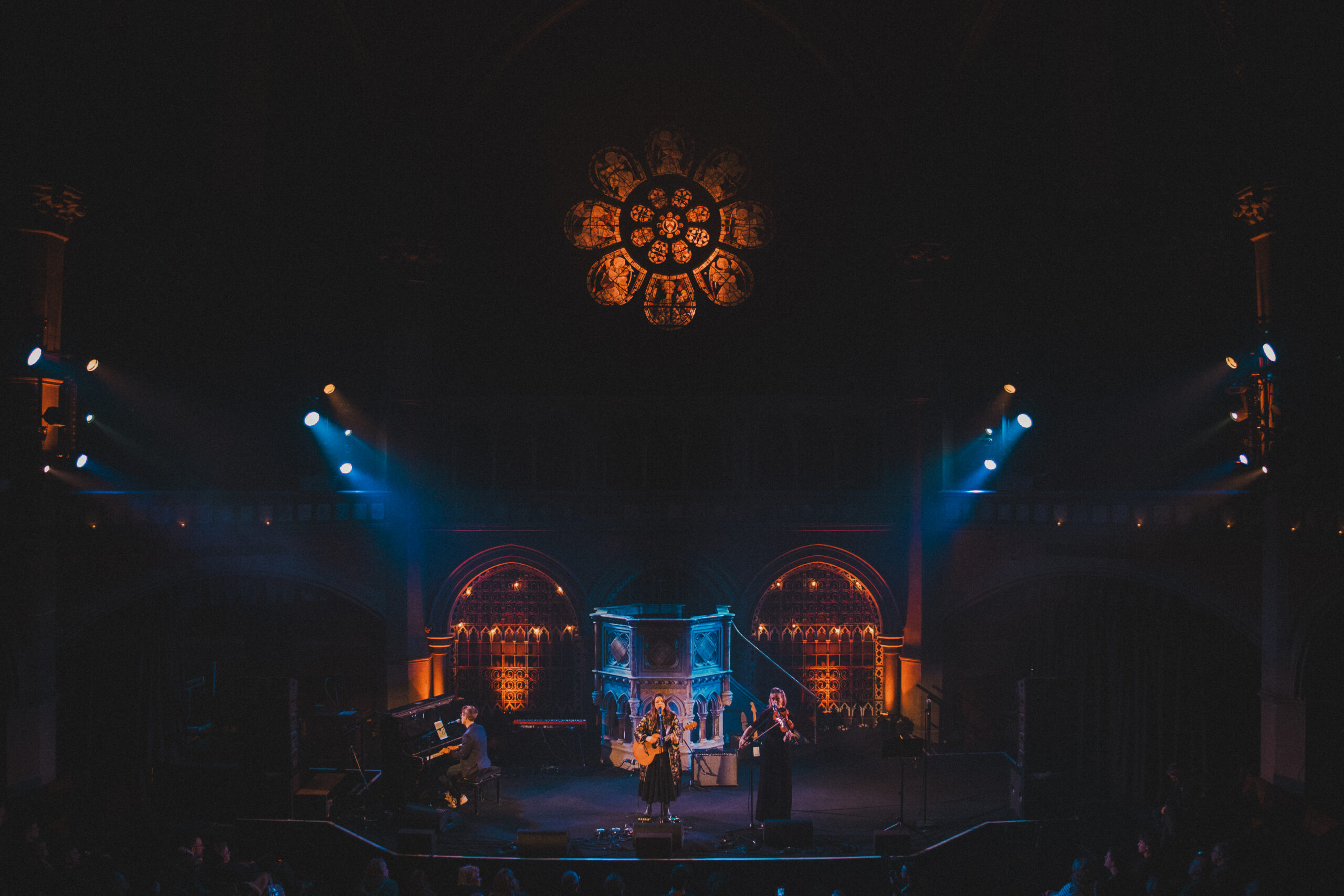
The concert featured a diverse assembly of talent, including Justin Sullivan of New Model Army, members of the Penguin Cafe Orchestra, Daisy Chute, Cosmo Pyke, comedian Rob Newman, Kate Ireland, the Mother Wolf Club, and Victoria Dell. For many in the audience, this was more than a performance; it was a reclamation of a cultural experience from which they had been effectively sidelined.
The Mechanics of Safe Listening
The technical framework of Quiet Night Out was built upon the World Health Organization’s (WHO) Global Standard for Safe Listening at Venues and Events. Achieving this required a fundamental shift in how sound is engineered for a live environment. Working in tandem with the Union Chapel’s resident sound technicians and professional event producers, Tinnitus UK adopted a strategy centered on "clarity over loudness."
The primary technical constraint was the enforcement of a strict 90-decibel limit, measured as a rolling average over any 15-minute period. While modern concert sound systems are capable of pushing well beyond 110 decibels—levels that can cause permanent threshold shifts after only a few minutes of exposure—the production team at Union Chapel carefully calibrated the house system to ensure dynamic range without dangerous pressure levels. This involved a deliberate programming of content, where artists performed sets that utilized the natural acoustic properties of the venue, allowing for a sonic texture that felt immersive yet remained within safe parameters.

To further mitigate risks, every attendee was provided with high-fidelity ACS Custom earplugs upon entry. Unlike standard foam earplugs, which often muffle high-frequency sounds and degrade the quality of music, these custom-molded devices reduce the volume across the spectrum while preserving the clarity of the instrumentation and vocals. This ensured that the audience could engage with the performance in a way that felt authentic to the artist’s intent while maintaining total control over their personal auditory intake.
A Chronology of Exclusion and Reintegration
For the millions of people worldwide living with tinnitus—the perception of ringing or buzzing in the ears—the live music scene has increasingly become a "no-go zone." Chronic exposure to excessive sound levels in clubs, festivals, and arenas has led many to self-exclude from the industry to prevent the worsening of their symptoms.
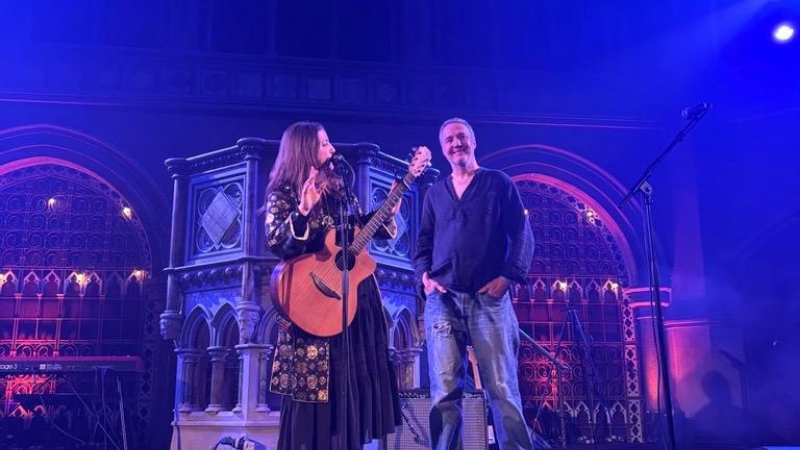
The story of Tim Bricheno, a musician and support group leader who performed at the event, highlights the severity of this issue. Before appearing on stage at Quiet Night Out, Bricheno had not attended a live music event for seven years. His absence from the scene mirrors a growing trend of "cultural isolation" among those with hyperacusis or tinnitus. His return to the stage alongside Daisy Chute served as a poignant narrative arc for the event: a symbol that with the right environment, the barrier between the patient and the performer can be dismantled.
The event’s success suggests that the seven-year hiatus experienced by individuals like Bricheno is not an inevitability, but a failure of venue management and industry standards. By creating a controlled environment, Tinnitus UK provided a pathway for the "re-entry" of these individuals into the public sphere, proving that when venues take responsibility for sound levels, they expand their potential audience rather than alienating them.
Data and Industry Implications
The implications of the Quiet Night Out model extend far beyond a single concert at a historic venue. The event was bolstered by new, preliminary research released during Tinnitus Week 2026, which underscored the correlation between unregulated sound exposure and the prevalence of tinnitus in the music-loving population.
According to the WHO, over 1 billion young adults are at risk of hearing loss due to recreational sound exposure. Yet, the music industry has been slow to adopt the voluntary guidelines for safe listening. The data from the Union Chapel event demonstrates that high-quality sound engineering does not require a trade-off in attendance or enjoyment. In fact, surveys conducted post-concert indicated that the audience experienced higher levels of "perceived quality" due to the enhanced clarity and lack of "sonic fatigue," a common byproduct of long-term exposure to excessively loud, distorted sound.
The event also coincided with a broader advocacy campaign launched at the House of Lords. This initiative calls for a standardized "Safe Listening" certification for venues, similar to food hygiene ratings. If implemented, such a system would provide consumers with the information necessary to make informed decisions about their auditory health, placing the onus on venues to maintain a safe environment as a condition of their operation.
Analysis of the "Quiet" Movement
The success of this concert challenges the long-standing industry assumption that volume is a proxy for quality. For decades, the "loudness war" has dominated sound production, with venues often pushing sound pressure levels (SPL) to the limits of their equipment. However, the success of artists like Daisy Chute, whose delicate, string-heavy arrangements thrived under the 90-decibel limit, suggests that there is a significant market for performance styles that do not rely on high-decibel volume for impact.
Furthermore, the integration of comedy and spoken word into the program was a strategic choice. It demonstrated that safe listening is applicable across a broad spectrum of live events, not just acoustic music. By diversifying the types of performances, Tinnitus UK signaled that the principles of safe listening are universally compatible with live performance, providing a template for theaters and community centers to follow.
The Path Forward
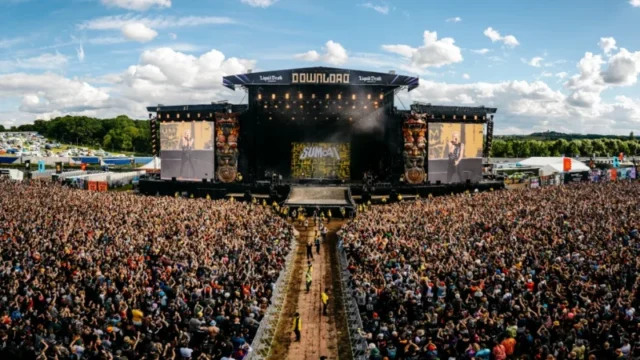
Tinnitus UK has framed Quiet Night Out as a proof-of-concept—a proof that the industry can evolve. The challenge now lies in the scalability of these practices. While a single venue can easily manage sound levels, the industry faces structural hurdles in implementing these standards at large-scale, outdoor, or multi-stage festivals.
However, the organization is clear in its ambition: to prevent the "forced exclusion" of fans from the cultural life they enjoy. This is not merely an advocacy goal; it is a public health necessity. With donation-driven initiatives like the Tinnitus Week appeal, the organization plans to expand its research and continue its pressure on regulatory bodies to codify these safe listening standards.
As the echoes of the concert at Union Chapel fade, the broader industry is left with a pertinent question: if an organization can successfully produce a high-impact, artistically rich concert that protects the hearing of every attendee, what is the justification for venues that do not? The success of Quiet Night Out indicates that the future of live music may not be found in pushing the limits of the human ear, but in creating a space where the music can be heard, enjoyed, and protected simultaneously. The event has effectively set a new benchmark for accessibility, forcing a conversation about whether the "live experience" should be defined by the physical intensity of the sound or the quality of the connection between the artist and the audience. Through this model, Tinnitus UK is not just advocating for health; they are advocating for the sustainability of the music industry itself, ensuring that the next generation of fans is not driven away by the very thing they love.