The Ascendance of Chinese OTC Hearing Aids
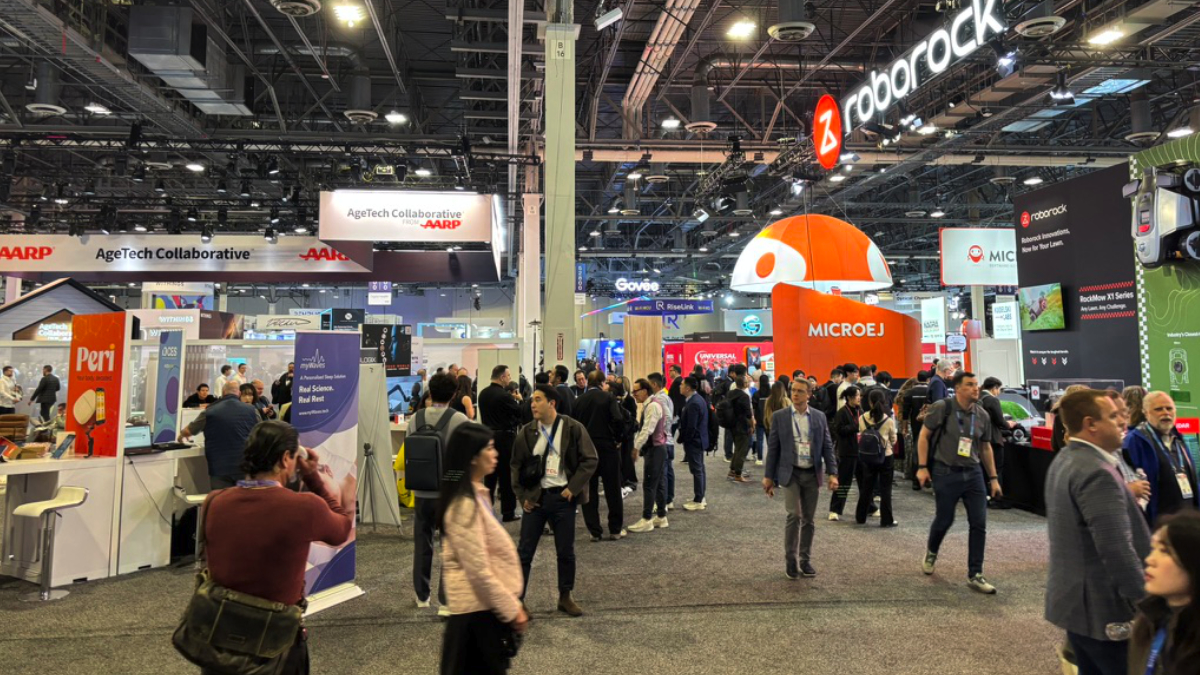
The OTC hearing aid market, formally established in the United States following the Food and Drug Administration’s (FDA) final rules in October 2022, has witnessed a dynamic transformation. Initially, many products from Chinese manufacturers were often met with skepticism, characterized by a perceived uniformity in chip technology, rudimentary amplification capabilities, and limited efficacy in challenging listening environments. Early models were frequently described as simple pre-set amplifiers with poor sound quality and a noticeable lack of advanced features for speech-in-noise improvement. Their aesthetic design sometimes contributed to a perception of being less sophisticated compared to established brands.
However, the landscape at CES 2026 demonstrated a profound shift. Chinese hearing aid manufacturers were not merely prominent but actively showcased devices that have rapidly climbed the ranks in independent performance evaluations. In a testament to their accelerated innovation, models such as the ELEHEAR Beyond and Beyond Pro, Yeasound RIC800, and Cearvol Wave have, within the past year, secured positions among the top-10 best-performing OTC hearing aids in testing conducted by the independent HearAdvisor lab. Crucially, these high-performing devices are available at a significantly lower price point, generally costing less than $700. This competitive pricing strategy, combined with enhanced functionality, poses a substantial challenge to both incumbent OTC and traditional prescription hearing aid manufacturers.
)
Companies like ELEHEAR, with dual headquarters in Minneapolis and Shenzhen, exemplify this rapid progress. Their AI-powered Beyond ($399) and Beyond Pro ($599-$699) models integrate user-friendly applications, translation capabilities, and tinnitus management features. Notably, these devices have demonstrated exceptional speech understanding in noisy environments and superior sound quality, earning positive reviews for their effectiveness. While not positioned to directly compete with high-end prescription hearing aids like Phonak Infinio Sphere or Oticon Intent, which are professionally fitted using best practices, ELEHEAR’s offerings deliver significant benefit at a fraction of the cost, making advanced hearing technology accessible to a broader demographic.
The diversity of form factors from these manufacturers is also expanding beyond the common receiver-in-canal (RIC) style to include increasingly compact in-ear designs. Cearvol, for instance, offers a surprisingly wide array of open- and closed-ear OTC hearing aids and wearables. The company’s CEO, Quilong Zhu, highlighted Cearvol’s access to a substantial engineering pool, comprising approximately 200 engineers with backgrounds in consumer electronics from companies such as Sennheiser and JBL. This expertise is evident in their flagship Cearvol Wave earbud/ITE device, which, despite being a preset aid, has achieved an "A" SoundGrade from HearAdvisor for its sound quality and speech-in-noise performance. Similarly, ELEHEAR’s latest product, Delight, is a compact, rechargeable, in-ear hearing aid designed for discreet daily wear, featuring a proprietary smart app, professional remote fitting support, and Bluetooth audio streaming.
)
Other notable Chinese players at CES 2026 included Ceretone and Jinghao Medical. Jinghao Medical, an original design manufacturer (ODM), made headlines in September 2024 with its acquisition of the hearing aid division of Intricon, a respected US-based ODM. This strategic move is expected to integrate Intricon’s established technology into Jinghao’s designs, potentially benefiting partners like Ceretone, which displayed its Core One Pro IIC rechargeable hearing aid. The overall sentiment is that Chinese hearing aid technology has matured considerably, with its speech-in-noise processing now capable of rivaling global competitors such as Sony/WSA, Lexie/LXE, and Lucid Hearing. This advancement holds significant implications for the estimated 400 million people worldwide who could benefit from hearing aids, offering higher-quality, lower-cost amplification options. While market entry into the complex U.S. prescription hearing aid sector remains challenging, the rapid progress suggests that a Chinese manufacturer, possibly in collaboration with a US-based entity like Fortell, could make a significant push in the coming years.
The Renaissance of Hearing Enhancement and Live-Captioning Glasses
)
The concept of integrating hearing assistance into eyeglasses is not new, tracing its origins back to the 1960s when eyeglass hearing aids were prevalent in the U.S. market. However, modern technological advancements are ushering in a sophisticated renaissance of this form factor, far beyond the rudimentary, feedback-prone devices of the past. At CES 2026, a compelling vision for the future of hearing care emerged through hybrid hearing and live-captioning glasses.
Nuance Audio, a division of the global vision-wear giant Essilor-Luxottica, stands at the forefront of this modern revival. Showcasing their products at the AARP AgeTech Collaborative, Nuance Audio glasses are designed for individuals with mild to moderate hearing loss and have earned an "A" SoundGrade from the HearAdvisor lab. These devices leverage Essilor-Luxottica’s extensive retail network, encompassing 18,000 stores and 300,000 third-party points of sale, to gain commercial traction. Dr. Douglas Beck, a longtime editorial collaborator, emphasized their growing market acceptance.
)
Beyond Nuance, other innovators are pushing the boundaries. Cearvol introduced a unique pair of hearing aid glasses featuring a swiveling, inch-long "arm" near the endpiece that houses the receiver for speech amplification. While not yet officially designated as an OTC hearing aid, this design is intended for situational use, allowing the receiver to be discreetly folded away when not needed. Furthermore, Alango Founder Alexander Goldin presented a prototype of AI-driven hearing glasses equipped with a directional microphone array offering near-zero latency and impressive battery life. Unlike Nuance’s open-ear system, Goldin’s prototype utilizes an earbud-like transducer, demonstrating remarkable clarity in isolating speech amidst noisy crowds.
The most transformative potential lies in the convergence of these amplification technologies with live-captioning capabilities. This hybrid approach promises a powerful tool for individuals with severe or profound hearing loss, as well as anyone desiring captioned conversations in real-time. The Vuzix booth at CES showcased XanderGlasses, which utilize a custom version of the Vuzix Shield platform. While impressive, these devices currently face limitations in use-time and carry a high price tag of approximately $5,000.
)
However, the landscape is poised for significant disruption with the entry of major tech players. Meta, collaborating with Essilor-Luxottica, is making substantial strides in this area. As reported in September, Meta’s new Ray-Ban Meta (Gen 2) and Oakley Meta HSTN smart glasses integrate "Conversation Focus" AI speech enhancement, designed to amplify a speaker’s voice while minimizing ambient noise. These devices are being updated via software and are available at competitive price points starting under $400. Further enhancing accessibility, the new Meta Ray-Ban Display glasses feature live captioning and are priced around $799. Meta’s strategy is effectively transforming stylish eyewear into sophisticated, situational hearables, democratizing access to advanced hearing assistance.
While technical challenges such as battery life, latency, and device size remain, these are seen as surmountable hurdles as the technology matures. A recent report by Susannah Ludwig and colleagues at Bernstein highlights that the immediate "win" for this class of devices is not to replace traditional hearing aids but to capture the vast population with mild hearing loss who do not identify as hearing aid users. These individuals are more receptive to solutions perceived as consumer technology rather than medical treatment. The report also suggests that transcription glasses could potentially mitigate or alleviate the "neuroadaptation problem"—the discomfort often experienced by first-time hearing aid users adjusting to amplified sounds—a critical factor in the OTC market where professional counseling is less prevalent. Given that glasses are already a mainstream accessory and captions are increasingly preferred by younger generations for media consumption, the appeal of "subtitles for real life" is a significant draw for the stigma-conscious younger OTC demographic. Looking ahead, it is plausible that similar captioning eyeglasses could become integrated accessories for prescription hearing aids, for instance, through a boom-type multi-mic array wirelessly connected to a receiver-in-canal (RIC) device. This convergence suggests that a modern, technologically advanced iteration of the 1960s eyeglass hearing aid, complete with captioning and without feedback, may soon become widely popular. Combined with Auracast technology and an accessible price point (e.g., $250-$400), these devices hold the potential to appeal to a broad spectrum of users, transcending age demographics and cultural perceptions.
)
Accessibility’s Mainstream Momentum
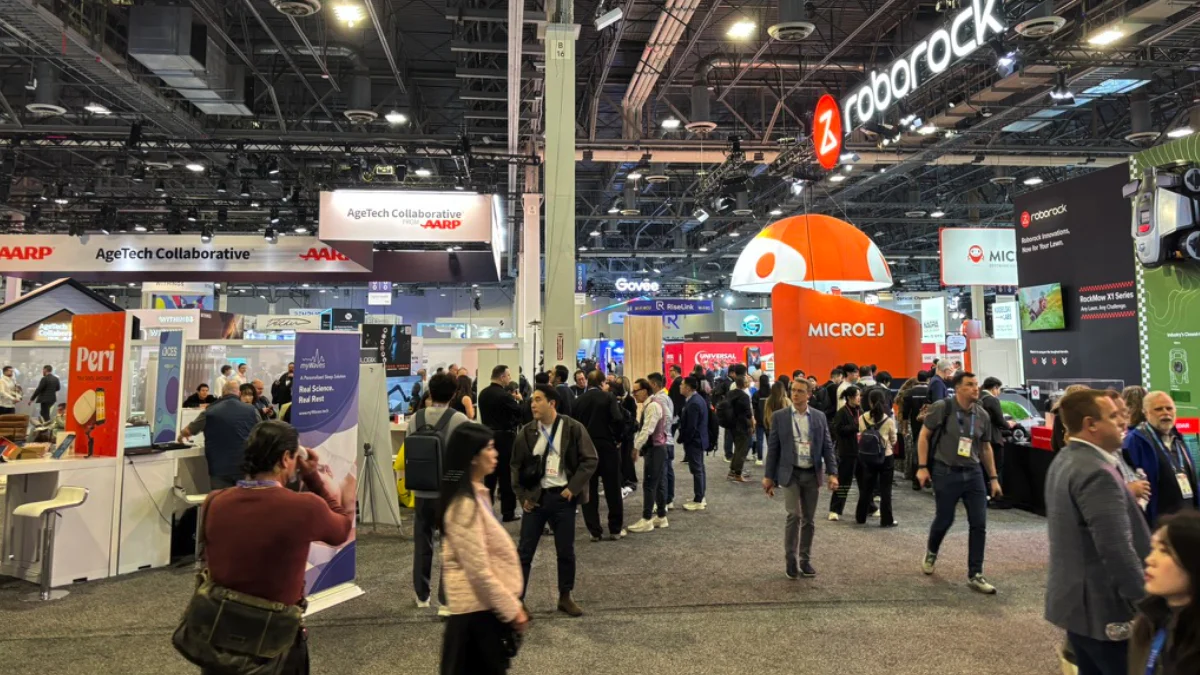
The third overarching takeaway from CES 2026 was the undeniable acceleration of hearing-related accessibility into the mainstream. The exhibition clearly demonstrated that technology designed to enhance hearing is no longer confined to individuals with clinical hearing loss; its utility extends to a far wider audience, benefiting virtually everyone in various contexts.
)
CES 2026 placed significant emphasis on this theme, prominently featuring the CTA Foundation’s Accessibility Stage, powered by Verizon, on the Venetian Expo’s second level. This dedicated area buzzed with activity, hosting discussions and presentations on inclusive technology. A notable seminar, featuring Henry Wong of Bluetooth SIG, Wayne Whiteley of Listen Technologies, and Luke Westin of Williams AV, explored the transformative potential of Auracast. The speakers articulated how this innovative audio broadcasting technology is poised to dismantle barriers and fundamentally reshape both consumer and assistive listening devices. Auracast enables an audio transmitter to broadcast audio to an unlimited number of nearby Auracast receivers, offering unprecedented opportunities for personalized listening experiences in public spaces, entertainment venues, and personal environments.
The growing mainstream acceptance of accessibility was eloquently captured in an op-ed by Forbes contributor Bill Schiffmiller, who observed that CES 2026 marked a critical juncture where "accessibility stopped being something the industry talked about and became something the industry is now building around." Schiffmiller further noted that the longer-term signal was not merely the arrival of accessibility as a distinct category but its gradual "dissolving into everything else," signifying a shift towards universal design principles where accessibility is an inherent feature rather than an afterthought.
)
The widespread adoption of Auracast remains a key factor in this "dissolving" process. Discussions at CES 2026 with representatives from Bluetooth SIG, including David Hollander and Henry Wong, highlighted the anticipation surrounding Apple’s integration of Auracast into its AirPods Pro. While no specific timelines or insider information regarding Apple’s intentions were disclosed, there was a consensus that once this integration occurs, consumers will rapidly grasp the immense utility of this broadcasting technology. The prevailing sentiment indicates that this integration is a matter of "when, not if," and the timeframe for its realization is likely to be measured in months rather than years.
The eventual widespread availability of Auracast will serve as a powerful exclamation point on how new technology is increasingly embracing accessibility. This movement is driven not solely by ethical considerations but also by compelling market dynamics: designing products with accessibility in mind inherently makes them more attractive and functional for all consumers. Auracast’s ability to facilitate seamless audio sharing and enhance personalized listening experiences in diverse environments will undoubtedly make all audio products more appealing, solidifying accessibility as a core tenet of future technological innovation. The journey towards a truly accessible tech landscape, where hearing solutions are integrated, stylish, and universally beneficial, is rapidly progressing, with CES 2026 providing a clear glimpse into this promising future.