


By integrating the "Healthy Work Healthy Mind" initiative into the state’s regulatory and advisory framework, Michigan is setting a new precedent for how labor departments can address the modern challenges of the workforce. This designation is not merely a symbolic honor; it represents a commitment to implementing evidence-based practices that mitigate occupational stress, prevent burnout, and foster organizational resilience across both the public and private sectors.
The Evolution of Occupational Health: Defining Total Worker Health
For decades, the Occupational Safety and Health Administration (OSHA) and state-level counterparts focused primarily on physical safety—preventing falls, mitigating exposure to toxic chemicals, and ensuring machinery was properly guarded. However, the rise of chronic workplace stress and the post-pandemic mental health crisis have necessitated a broader definition of "workplace safety."

NIOSH defines the Total Worker Health approach as a series of policies, programs, and practices that integrate protection from work-related safety and health hazards with the promotion of injury and illness prevention efforts. The core philosophy posits that work is a social determinant of health. When an employee is subjected to chronic stress, trauma, or burnout, their physical safety is compromised, leading to higher rates of workplace accidents and long-term health degradation. By formally aligning with this framework, Michigan is acknowledging that the psychological environment of a workspace is as critical to safety as the physical environment.
Chronology of the Initiative: From Concept to Federal Recognition
The path to this affiliation began with the state’s growing concern over the mental health landscape in Michigan’s workforce. Following the societal disruptions of 2020, LEO leadership identified a critical gap in support services for employers who wanted to address employee mental health but lacked the technical resources or research-backed strategies to do so effectively.

- Inception: The "Healthy Work Healthy Mind" initiative was launched as a pilot program aimed at normalizing the discussion of mental health in industrial and service settings.
- Development: Collaborations were formed with the Corporation for a Skilled Workforce, the University of Michigan, and Michigan State University to move from awareness-raising to evidence-based intervention.
- The LEADS Pilot: The Learn, Educate, Act, Deploy, Study (LEADS) workplace mental health consultation program was established to provide direct, research-informed guidance to business leaders.
- The Federal Application: LEO leadership submitted their comprehensive framework to NIOSH, detailing how they had successfully moved beyond pilot status into a scalable, statewide model.
- Formal Designation: As of early 2026, NIOSH officially recognized Michigan’s department as a TWH Affiliate, marking the first time a state labor department has reached this level of federal integration.
The LEADS Pilot: A Model for Data-Driven Intervention
The cornerstone of Michigan’s success is the LEADS workplace mental health consultation pilot. This program is specifically designed to provide leadership with actionable data and strategies. Instead of offering generic advice, the LEADS program functions as a technical support system. It helps employers evaluate their current organizational culture—identifying stressors like excessive workloads, lack of job control, and inadequate support systems—and replaces them with interventions designed to increase employee agency and stability.
By engaging with academic institutions like the University of Michigan and Michigan State, the state ensures that the guidance provided to businesses is backed by the latest behavioral science. This includes modules on how to destigmatize mental health requests, how to restructure work schedules to prevent burnout, and how to create a "psychologically safe" environment where employees feel empowered to report hazards without fear of retaliation.
Economic and Social Implications: Why This Matters
The economic implications of this shift are significant. Data from the Centers for Disease Control and Prevention (CDC) and various labor studies have consistently shown that workplace stress is a major driver of turnover, absenteeism, and "presenteeism"—a state where employees are physically present but unable to function at full capacity due to health or mental health issues.
For the state of Michigan, which relies heavily on manufacturing, automotive, and healthcare sectors, the cost of employee attrition is high. By treating mental health as a core component of safety, the state is attempting to stabilize its workforce. If an employer can reduce the mental health burden on its staff, the result is often higher retention rates, improved morale, and ultimately, a more competitive business environment.

"Supporting both physical and mental health for employees is essential to strong families, resilient businesses and a competitive economy," noted LEO Director Susan Corbin. Her sentiment reflects an understanding that in the modern economy, human capital is the most critical asset. When that asset is depleted, the entire economic ecosystem of the state suffers.
Official Perspectives and Future Directions
The collaboration between state labor officials and federal research bodies like NIOSH represents a new era of governance. Sean Egan, LEO deputy director of labor, emphasized the importance of this evidence-based foundation. "Work has a direct impact on people’s health and well-being," Egan stated. "Being a NIOSH Total Worker Health Affiliate ensures Michigan’s approach is evidence-based, people-centered and designed to strengthen both workers and businesses."

By securing this affiliation, Michigan has gained access to a wider network of researchers and peer states, allowing them to participate in a global dialogue regarding the future of occupational health. This includes the development of statewide reports and monthly webinars that keep employers updated on the latest best practices for stress reduction. These resources are crucial for small-to-medium-sized enterprises that may not have the HR budgets to develop their own internal mental health programs.
Analysis: Can This Scale Nationwide?
The success of Michigan’s initiative will likely serve as a blueprint for other state departments of labor. Currently, the landscape of occupational safety is fragmented, with many states operating in silos. Michigan’s ability to bridge the gap between mental health advocacy and labor regulation provides a scalable model.
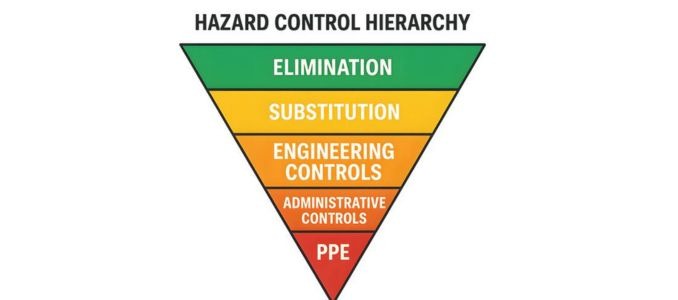
However, challenges remain. The primary hurdle for other states will be funding and political will. Implementing a TWH approach requires a shift in how labor inspectors and consultants are trained. Inspectors must be taught to look beyond physical safety violations and identify organizational risks that lead to psychological distress. This requires a cultural shift within the departments themselves.
Furthermore, the integration of mental health into safety standards raises questions about regulatory overreach. Employers often express concern regarding the costs of compliance. The success of Michigan’s model will hinge on its ability to demonstrate that these programs are not just a regulatory burden, but a value-add that pays for itself through increased productivity and decreased long-term health insurance claims.

Conclusion
The designation of Michigan’s Department of Labor and Economic Opportunity as a NIOSH Total Worker Health Affiliate is a watershed moment for the American labor movement. It signals a move away from the reactive, physical-only safety protocols of the 20th century toward a more proactive, holistic approach suited for the 21st century.
As the program continues to roll out via the LEADS pilot and expanded educational resources, the state will be closely monitored by researchers, labor advocates, and business leaders alike. If successful, this initiative could fundamentally alter the employer-employee contract, establishing a standard where a healthy mind is recognized as a fundamental requirement for a safe workplace. For now, Michigan stands alone as a pioneer, proving that the health of a state’s economy is inextricably linked to the mental well-being of its people.