This development arrives at an inflection point for the fire service industry, where the use of so-called "forever chemicals" in protective apparel has become the subject of intense scrutiny. The decision by Milliken to seek third-party validation reflects a broader industry movement toward objective, scientifically defensible data to support the safety of firefighters who rely on these fabrics daily.
The Evolution of Industry Standards
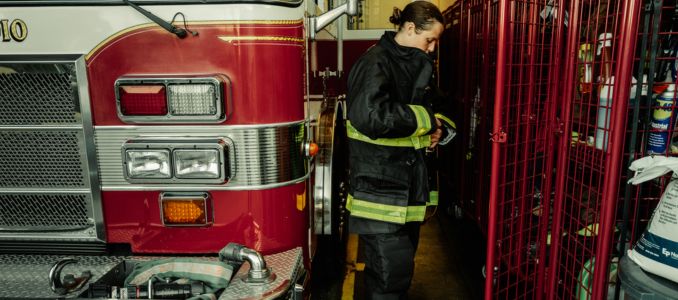
The history of PFAS in firefighting gear dates back decades, as the chemicals were prized for their exceptional heat resistance, water repellency, and durability. However, growing medical research has linked long-term exposure to these substances to various health complications, including cancer and endocrine disruption. For years, the industry relied on internal testing and broad certifications; however, as the scientific community refined its understanding of the persistence of PFAS in the environment and the human body, those standards were deemed insufficient by many advocacy groups and labor unions.
The timeline of this transition accelerated between 2020 and 2025. During this period, firefighter-led advocacy groups began petitioning for more transparent supply chains. Simultaneously, several high-profile studies were published, confirming the presence of organic fluorine in various layers of turnout gear, even among products marketed as "PFAS-free." This created a crisis of confidence, prompting departments to take matters into their own hands by sending gear to independent laboratories for screening.
Navigating a Fragmented Regulatory Landscape
The regulatory environment has become increasingly difficult to navigate. As of early 2026, more than 18 states have enacted or proposed legislation aimed at restricting the presence of PFAS in firefighter personal protective equipment (PPE). These laws are not uniform, creating a logistical nightmare for fire departments and manufacturers alike.
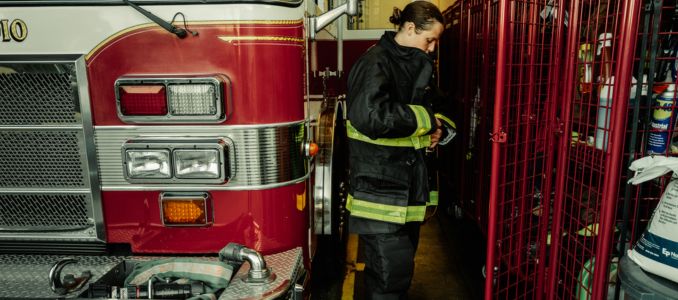
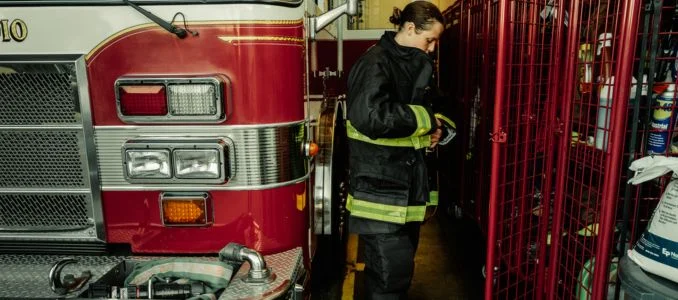
Some states have passed legislation focused on "intentionally added" chemicals, a standard that is often criticized for being too narrow. Others have adopted more stringent thresholds, measuring total organic fluorine (TOF). The challenge for departments is that gear is complex; a single set of turnout gear is composed of multiple layers, including the outer shell, moisture barrier, and thermal liner, each requiring different chemical treatments to perform under extreme heat.
"The fire service industry is at an inflection point," says Ramesh Kesh, senior vice president and business manager for Milliken’s apparel business. "Over the past several years, awareness of the use of PFAS in turnout gear has accelerated due to firefighter-led advocacy, evolving state legislation, and increasing scrutiny of supply chain claims."
By securing third-party verification, Milliken aims to provide a standardized benchmark that simplifies the procurement process for fire departments. Instead of relying on self-reported data from every stage of the supply chain, purchasing officers can point to a verified report from an objective third party, which helps mitigate the legal and liability risks associated with purchasing non-compliant equipment.
The Science of "Non-Detect" and Total Fluorine
One of the most critical aspects of this recent verification effort is the methodology employed by Forever Analytical. To ensure the most comprehensive screening, the testing focused on total fluorine rather than a specific, limited list of chemical compounds. This is a vital distinction in the world of chemical safety.
There are thousands of known PFAS chemistries, and the list continues to expand as manufacturers develop alternatives to traditional chemicals. Targeted testing—which looks only for specific, well-known PFAS compounds like PFOA or PFOS—can leave significant gaps. If a company replaces one banned PFAS with a structurally similar, unstudied alternative, targeted tests may return a "negative" result even if the product contains hazardous substances.
By screening for total fluorine, researchers can detect the presence of any fluorinated chemical, regardless of its specific identity. This "non-detect" approach is currently considered the gold standard for verifying that a material is truly free of the entire class of PFAS. For the fire service, this provides the highest level of assurance currently available in the industry.

Broader Implications for Procurement and Safety
The implications of this shift extend far beyond individual manufacturers. The move toward third-party verification is expected to force a market-wide correction. As manufacturers compete for contracts with large metropolitan fire departments, the expectation for independent, objective data is likely to become the baseline requirement rather than an optional value-add.
For many fire departments, the cost of PPE is a significant portion of their annual budget. The potential for purchasing gear that must later be recalled or replaced due to evolving regulations presents a massive financial risk. Consequently, the demand for transparency is as much about fiscal responsibility as it is about firefighter health.
Industry analysts suggest that the next phase of this transition will involve the development of standardized national testing protocols. While state laws currently dominate the landscape, there is growing support for federal guidelines that would harmonize the requirements across the United States. This would alleviate the burden on smaller departments that lack the resources to conduct their own independent testing or interpret complex legislative requirements.

Future Challenges and Sustained Transparency
Despite the progress made by companies like Milliken, the industry faces ongoing challenges. The physical requirements of firefighting—maintaining thermal protection while preventing moisture buildup—are extreme. Finding materials that offer the same level of protection without the use of PFAS is a difficult engineering task that requires continuous innovation.
Furthermore, the "forever" nature of these chemicals means that contamination can occur at various points in the manufacturing process, from raw material sourcing to the final assembly of the gear. Achieving a true "zero" reading requires strict oversight of the entire supply chain, which adds complexity and cost to the production cycle.
As the industry moves forward, the focus will likely remain on three core pillars:
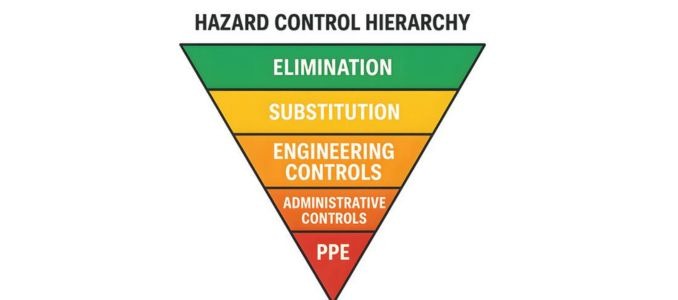
- Scientific Integrity: Continued reliance on total fluorine testing and other comprehensive screening methods to ensure no gaps in detection.
- Standardization: Advocacy for unified, nationwide standards that move beyond the current state-by-state patchwork.
- Continuous Monitoring: Recognizing that as chemical science evolves, so too must the testing methods used to protect the men and women who serve in the fire service.
The collaboration between manufacturers and independent testing bodies serves as a blueprint for other industries grappling with legacy chemicals. By prioritizing objective data over proprietary claims, stakeholders in the fire service are demonstrating that transparency is not merely a public relations strategy, but a necessary component of operational safety.
In conclusion, the verification process secured in late 2025 represents more than just a certificate of compliance; it is a signal that the era of opacity in protective equipment manufacturing is coming to an end. As departments nationwide continue to prioritize the health of their personnel, the demand for verifiable, PFAS-free technology will remain the primary driver of innovation in the fire service sector for years to come. The industry’s ability to adapt to these new realities will define the next generation of protective equipment, ensuring that those who put themselves in harm’s way are equipped with the safest possible gear.