A Chronology of Recovery
The catalyst for Mr. Ives’s fundraising campaign can be traced back to December 2024. Following what he suspects was an inner ear infection, Mr. Ives began experiencing persistent, intrusive auditory symptoms. What initially presented as transient ringing rapidly escalated into a chronic condition, characterized by both tinnitus—a persistent ringing or buzzing in the ears—and hyperacusis, an increased sensitivity to everyday sounds.
For Mr. Ives, the period following the onset was marked by a profound sense of isolation. Standard medical pathways, which often involve primary care referrals to Ear, Nose, and Throat (ENT) specialists and diagnostic imaging such as MRIs, frequently conclude with a diagnosis of exclusion. When scans return clear, patients are often told that there is no identifiable physical pathology, leaving them to manage the psychological burden of the condition alone.
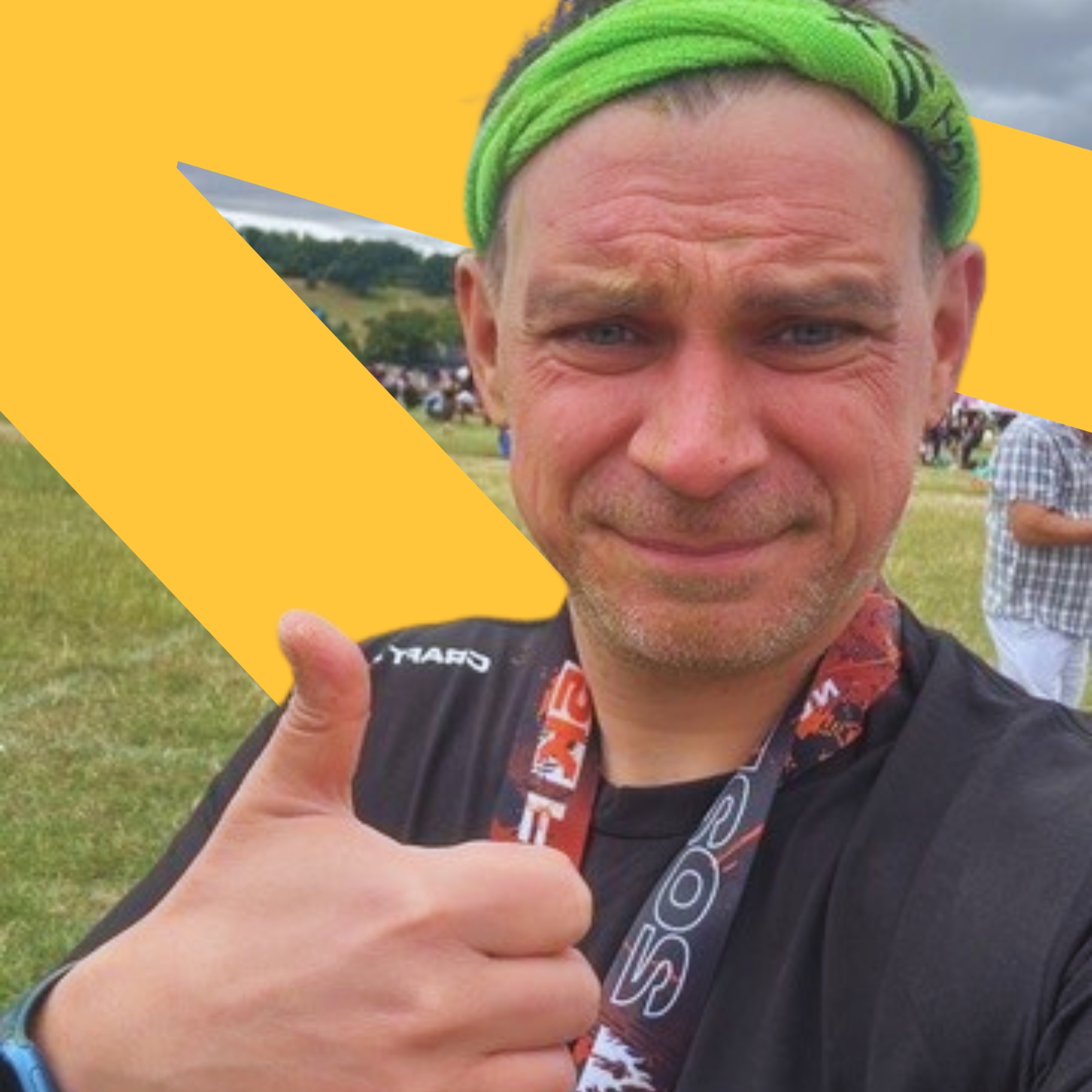
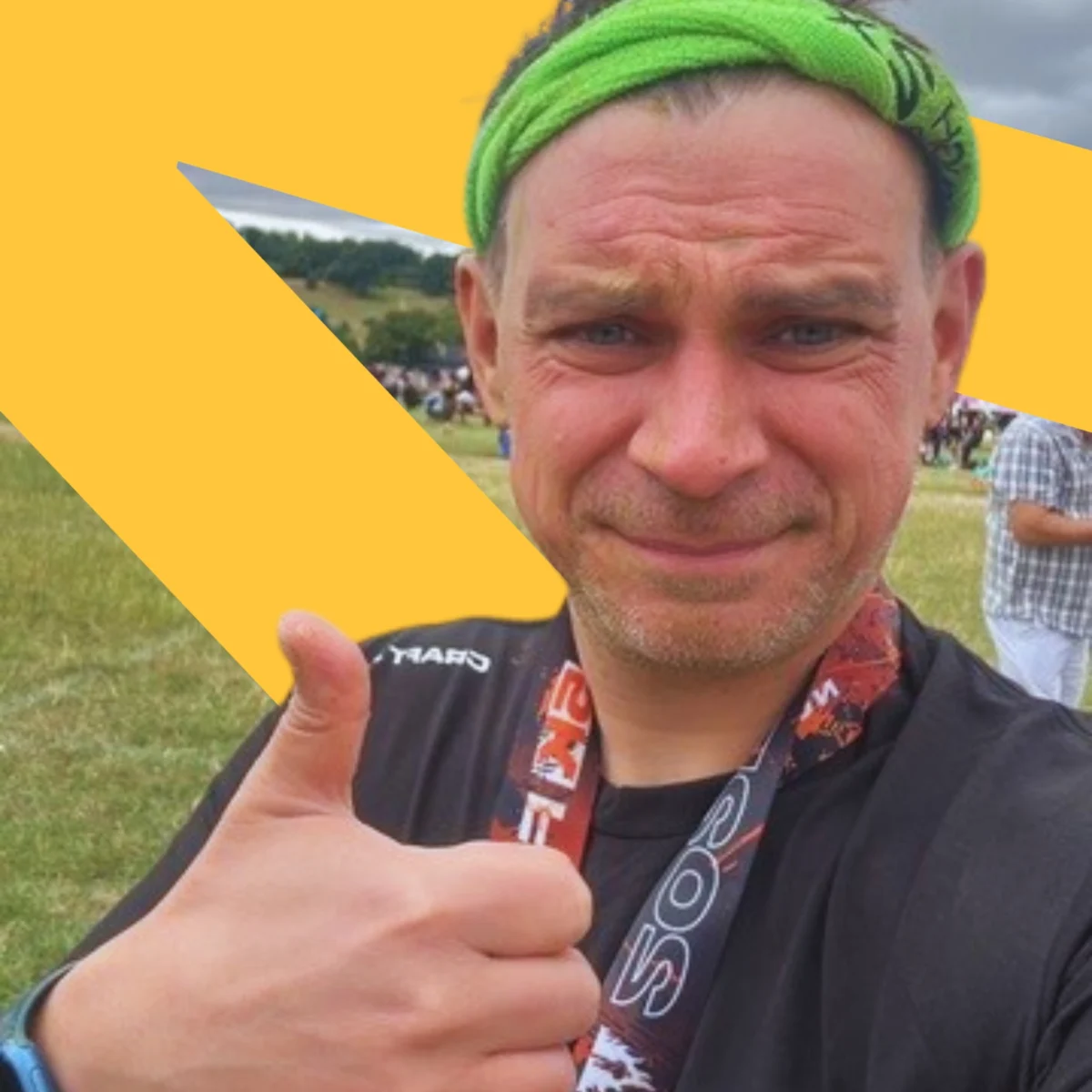
By mid-2025, Mr. Ives turned to the support networks provided by Tinnitus UK. This shift marked a turning point in his recovery. Through these online communities, he learned to reframe his relationship with the sound, utilizing it as a biofeedback mechanism—a diagnostic tool that alerts him to his own levels of stress, fatigue, or dehydration. This mental shift allowed him to return to running, a hobby he had abandoned due to a phobia of headphones and music, which he previously associated with the potential exacerbation of his condition. By July 2025, he had completed a Tough Mudder challenge, proving that the condition did not have to dictate his physical capabilities.
The Scale of the Tinnitus Crisis
The significance of Mr. Ives’s fundraising cannot be overstated when viewed against the backdrop of national health statistics. Tinnitus affects approximately 7.6 million people in the United Kingdom, a figure that includes both temporary and permanent cases. Despite this massive prevalence, the condition remains chronically underfunded and often misunderstood in clinical settings.
The medical community frequently classifies tinnitus as a symptom rather than a standalone disease, which complicates the trajectory for government-funded research. While management strategies—such as Cognitive Behavioral Therapy (CBT), sound therapy, and mindfulness—have proven effective in helping patients habituate to the noise, there is currently no cure. Consequently, the burden of care often falls on charitable organizations like Tinnitus UK, which bridge the gap between initial diagnosis and long-term psychological resilience.
The Role of Charitable Intervention
Tinnitus UK provides essential services that public health systems often struggle to maintain. These include nationwide support groups, peer-to-peer counseling, and advocacy work aimed at influencing health policy.

Experts in audiology and mental health frequently cite the "crisis period"—the initial months following onset—as the most critical window for intervention. During this phase, patients are at a statistically higher risk of experiencing depression and anxiety. By providing a forum where individuals can share experiences, charities like Tinnitus UK mitigate the "medical gaslighting" that patients often report when they are told that there is "nothing more to be done."
Mr. Ives’s campaign highlights the necessity of these services. He notes that while his family and friends provided emotional support, the abstract nature of their understanding could not replace the peer-to-peer validation found within the charity’s support groups. This validation is a cornerstone of the psychological management of chronic auditory conditions.
Broadening the Scope: The Research Gap
A significant portion of Mr. Ives’s motivation for fundraising is the urgent need for increased investment in scientific research. While significant funding is directed toward management and habituation, the scientific community has yet to achieve a breakthrough in curative or regenerative medicine for the auditory system.
The disparity between the number of people affected—roughly 11% of the UK population—and the volume of research funding is a subject of ongoing debate within the medical community. Advocates argue that if tinnitus were treated with the same urgency as other chronic sensory or neurological conditions, progress toward pharmacological or surgical interventions would be significantly more advanced.
Current research focuses on several fronts:
- Neural Plasticity: Investigating how the brain interprets auditory signals and whether those pathways can be rewired.
- Regenerative Medicine: Exploring the potential for hair cell regrowth within the cochlea, which could theoretically reverse some forms of sensorineural hearing loss and associated tinnitus.
- Neuromodulation: Using electrical or magnetic stimulation to suppress the overactive neural firing that manifests as the perception of sound.
The funds raised by participants like Mr. Ives directly support the advocacy efforts required to keep these research areas on the agenda of public health funding bodies.
Professional Perspectives and Future Implications
While the healthcare sector continues to evolve, the consensus among clinicians remains that patient empowerment is the most effective current treatment. Dr. Elena Vance, an audiologist not affiliated with the specific campaign but familiar with the charity’s work, notes: "The primary challenge with tinnitus is the cycle of fear and attention. When a patient moves from a place of fear to a place of understanding, their physiological response to the sound often dampens. Peer support groups are instrumental in facilitating this transition."
The broader implication of grassroots fundraising, such as the North Lincolnshire Half Marathon initiative, is the normalization of the condition. As more individuals speak publicly about their struggles, the social stigma—which often leads to the silent suffering of millions—begins to erode.

Supporting the Cause
For those observing Mr. Ives’s progress, his journey is a reminder of the intersection between physical endurance and mental health advocacy. The North Lincolnshire Half Marathon represents the culmination of a year-long effort to reclaim his quality of life while simultaneously ensuring that others do not have to walk the same path of isolation.
As Mr. Ives prepares for the starting line on March 1, his message to the public is clear: every donation contributes to a larger infrastructure of support that keeps the lights on for those in their darkest moments. By funding the expansion of support groups and the continuation of research advocacy, contributors are not merely donating to a race participant; they are investing in the potential for future medical breakthroughs and the immediate well-being of millions of Britons currently living with the daily reality of tinnitus.
For those interested in supporting this effort, donations are currently being processed through the official JustGiving page established for the event. As of late February, the fundraising total reflects a growing public interest in the cause, suggesting that the dialogue around auditory health is slowly gaining the traction it requires to enact meaningful, systemic change.