
The Physiological Mechanics of the Vestibular Nerve
The vestibular nerve, also known as the eighth cranial nerve, is responsible for transmitting sensory information regarding head position and movement to the brain. This data allows the central nervous system to coordinate eye movements (the vestibulo-ocular reflex) and maintain postural stability. When the nerve is "tweaked"—a lay term often referring to vestibular neuritis or labyrinthitis—the brain suddenly receives asymmetrical or "noisy" data from the inner ears.
In the acute phase of such an injury, the brain is flooded with conflicting signals, resulting in rotational vertigo, severe nausea, and a total loss of balance. Data from the Vestibular Disorders Association (VEDA) indicates that vestibular symptoms contribute to more than 4 million emergency department visits annually in the United States alone. While the initial inflammation of the nerve may subside within weeks, the neurological "aftershocks" can persist for years. This is due to the way the brain undergoes "central compensation," a process where the cerebellum and brainstem attempt to recalibrate balance based on the now-diminished input from the damaged nerve.
Chronology of Recovery and the Compensation Phase
The timeline of vestibular recovery is rarely linear. It generally follows a three-stage progression:
- The Acute Phase: Lasting from several days to two weeks, this period is characterized by constant vertigo and autonomic distress. Patients are often bedridden as the brain struggles to manage the sudden loss of input from one side of the vestibular apparatus.
- The Sub-Acute Phase: Over the following weeks and months, the brain begins to compensate. Through neuroplasticity, the brain learns to rely more heavily on visual cues and somatosensory input (information from the feet and joints) to replace the missing vestibular signals.
- The Chronic/Residual Phase: This is the stage where many patients, like the one described in the clinical query, find themselves. They are functional in daily life but remain "motion sensitive." In this phase, the compensation is stable but fragile. Any disruption to the sensory "triad"—vision, vestibular input, and proprioception—can trigger a temporary return of dizziness.
The Interplay Between Cervical Musculature and Equilibrium
A critical factor in chronic vestibular sensitivity is the relationship between the neck (cervical spine) and the balance system. The brain utilizes "proprioceptive" information from the muscles and joints of the neck to determine where the head is in relation to the body. When a patient suffers a vestibular injury, they often subconsciously stiffen their neck and shoulder muscles to keep the head as still as possible—a protective mechanism known as "guarding."
Over time, this chronic muscle tension creates a secondary issue: cervicogenic dizziness. Tight muscles in the suboccipital region (at the base of the skull) can send distorted signals to the brain. If the brain receives a signal from the neck saying the head is tilted, but the vestibular nerve provides a different reading, the resulting "sensory mismatch" manifests as dizziness or lightheadedness.
During a massage, particularly one lasting an hour in a face-down position, several physiological triggers occur. The prone position places the cervical spine in a sustained, neutral-to-extended alignment that may be unfamiliar or stressful to a sensitized nervous system. Furthermore, the pressure applied to the muscles can release tension so rapidly that the brain, which has grown accustomed to the "stiff" state for stability, perceives the change as a threat to balance.
Supporting Data: The Impact of Stress and the Autonomic Nervous System
Clinical research suggests that the vestibular system is intricately linked to the autonomic nervous system (ANS). Stress and anxiety are not merely psychological side effects of dizziness; they are physiological amplifiers. When an individual feels dizzy, the body’s "fight or flight" response is activated, increasing heart rate and muscle tension.
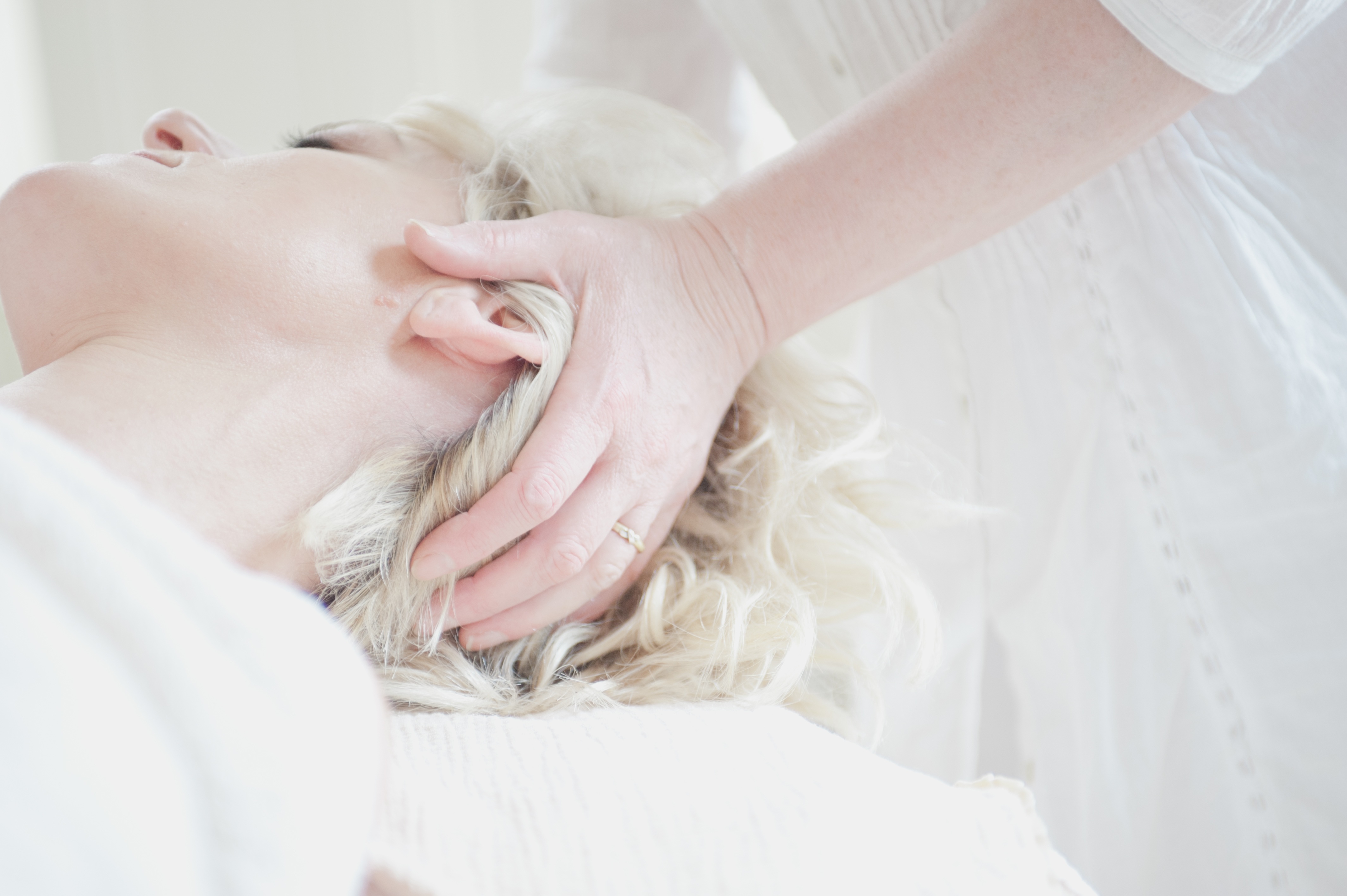
In a study published in the Journal of Vestibular Research, data showed that patients with a history of vestibular dysfunction have a lower "threshold" for sensory overload. Stressful environments—or even physical stressors like prolonged pressure during a massage—can lower this threshold further. The brain, still hyper-vigilant from the original injury, interprets the physical relaxation or the specific head orientation of a massage table as a potential loss of stability, triggering a symptomatic flare-up.
Official Responses and Clinical Recommendations
Denise Schneider, a Doctor of Physical Therapy (DPT) and vestibular specialist, notes that these episodes do not signify a "re-injury" of the nerve itself. Instead, they represent a "decompensation" event. "The vestibular nerve is not being compressed by the vertebrae in these scenarios," Schneider explains. "Rather, the brain is struggling to integrate the changing sensory information from the neck and the inner ear simultaneously."
To mitigate these risks, medical professionals and vestibular therapists recommend several modifications for patients seeking physical therapy or massage:
- Positioning Adjustments: Avoiding the face-down "cradle" on massage tables. Instead, patients may find success with side-lying massages or sitting in a supported upright chair.
- Gradual Transitions: Moving slowly when transitioning from a lying to a standing position to allow the vestibular system time to recalibrate to gravity.
- Visual Anchoring: Keeping the eyes open and focused on a stationary object immediately after a treatment to provide the brain with stable visual data.
- Communication with Practitioners: Ensuring the massage therapist is aware of the vestibular history so they can avoid aggressive neck manipulations that might trigger a VOR (vestibulo-ocular reflex) conflict.
Analysis of Broader Implications and Public Health
The persistence of vestibular symptoms has significant implications for public health and economic productivity. Chronic dizziness is one of the leading causes of falls in the elderly, and in younger populations, it often leads to "visual vertigo"—a condition where moving environments like grocery stores or movie theaters become intolerable.
The transition from "totally incapacitated" to "mostly better" is a victory, but the remaining 10% to 20% of dysfunction often carries the highest burden on quality of life. The fact that a routine activity like a massage can cause a setback highlights the need for more specialized Vestibular Rehabilitation Therapy (VRT). VRT uses targeted exercises to force the brain to habituate to provocative movements, eventually raising the threshold for what triggers a dizzy spell.
Furthermore, this case study emphasizes the necessity of an interdisciplinary approach to recovery. Treating the vestibular nerve in isolation is often insufficient; clinicians must also address the "cervical component" (neck tension) and the "psychological component" (stress and guarding) to achieve a full return to normalcy.
Conclusion: The Path Toward Long-term Stability
The experience of the patient described—experiencing motion sensitivity long after the initial nerve "tweak"—is a hallmark of the vestibular recovery journey. It serves as a reminder that the human balance system is a delicate equilibrium of multiple sensory inputs. While the vestibular nerve may have healed or the brain may have compensated for its permanent deficit, the system remains "primed" for sensitivity.
Understanding that tight muscles, stress, and sustained physical positions act as triggers rather than causes of new damage is essential for patient recovery. By managing these external factors and continuing with habituation exercises, patients can move beyond the "mostly better" phase and regain a life free from the fear of sudden dizziness. The ongoing research into neuroplasticity and the cervical-vestibular link continues to offer hope for those navigating the invisible and often misunderstood world of chronic balance disorders.