

The current meteorological outlook indicates that this early-season heat wave will impact a vast swath of the state. The National Weather Service has implemented heat advisories across Southern California, specifically targeting inland regions in Los Angeles, Orange, San Bernardino, Riverside, and San Diego counties. In these areas, temperatures are expected to reach the 90s, while coastal communities will likely see highs in the mid-80s. The northern reaches of the state are also braced for elevated temperatures, which are expected to persist through the coming week.
The Physiology of Acclimatization and Risk
The primary concern for public health officials during these early-season events is the lack of "heat acclimatization." Over a period of seven to 14 days, the human body typically undergoes physiological changes—such as increased sweat rate efficiency and plasma volume expansion—that allow a worker to perform more effectively in high-heat environments.

Because this current event is occurring so early in the spring, the vast majority of the workforce remains unacclimatized. When a sudden spike in temperature occurs, the body is forced to work significantly harder to maintain core temperature, placing strain on the cardiovascular system. Without adequate recovery time and environmental interventions, this physiological stress can rapidly escalate into heat exhaustion or, in extreme cases, heat stroke—a life-threatening condition characterized by the failure of the body’s temperature-regulating system.
Regulatory Framework for Outdoor and Indoor Environments
California maintains some of the most rigorous heat-illness prevention standards in the United States. Under Title 8 of the California Code of Regulations, Section 3395, employers have a non-negotiable obligation to mitigate the hazards of heat. These mandates are not suggestions; they are enforceable standards that carry significant legal weight.
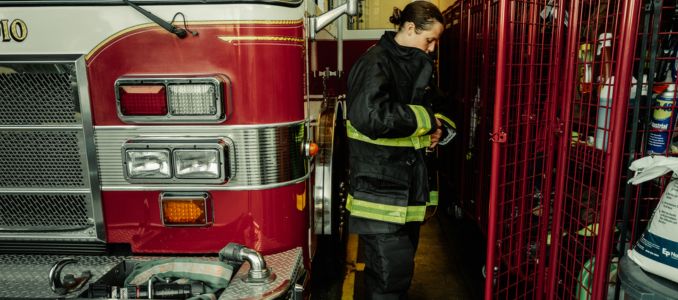
For outdoor workers, the requirements are tiered based on temperature thresholds. When the mercury hits 80 degrees Fahrenheit, employers must provide access to shade and drinking water. The shade must be accessible at all times and sufficient to accommodate all employees on recovery or meal breaks. As temperatures rise to 95 degrees or higher, "high-heat procedures" go into effect. These include mandatory "buddy systems" to observe fellow workers for signs of illness, frequent communication with employees, and a requirement that supervisors monitor weather forecasts and employee health continuously.
Critically, the state’s protections extend beyond those working under the sun. Indoor environments, such as commercial kitchens, distribution centers, warehouses, and manufacturing plants, are often overlooked during heat waves. However, Cal/OSHA requires that when indoor temperatures reach 82 degrees, employers must provide access to potable water and establish cool-down areas where employees can recover.

Chronology and Preparedness
The current event is a reminder of the shifting climate landscape in the Western United States. Historically, California’s peak heat stress season was confined to July and August. However, recent trends show that "shoulder season" heat waves are becoming more frequent and more intense.
This specific warning from Cal/OSHA arrives at the beginning of March, signaling a departure from traditional weather patterns. Safety managers are encouraged to treat this event as a "stress test" for their heat illness prevention programs. The state mandates that every employer must maintain a written plan that is not only kept on file but is also actively implemented. This includes:

- Training: All employees and supervisors must be trained on the signs and symptoms of heat-related illness.
- Emergency Response: Procedures must be in place to provide immediate first aid and emergency medical services.
- Planning: Employers must provide a way for employees to contact emergency medical services if needed.
Economic and Safety Implications
The cost of inaction for employers is substantial. Beyond the moral and ethical imperative to ensure worker safety, heat-related incidents lead to significant operational disruptions. A worker suffering from heat exhaustion is unable to perform their duties safely, potentially leading to errors, equipment damage, or secondary workplace accidents.
Furthermore, the legal implications for non-compliance are severe. Cal/OSHA investigators are authorized to conduct surprise inspections during heat alerts. Citations for failing to provide adequate water or shade can result in significant monetary penalties. More importantly, employers found to be in "willful" violation of safety standards can face criminal charges if a worker is severely injured or killed due to heat-related conditions.

Expert Perspective on Workplace Safety
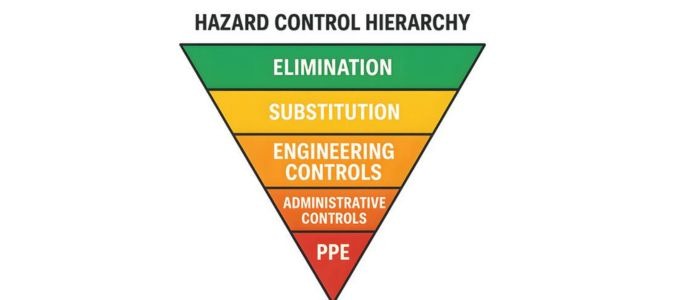
Safety professionals emphasize that prevention is a proactive, rather than reactive, process. According to best practices in industrial hygiene, engineering controls—such as increased ventilation, air conditioning, and the use of heat-reflective barriers—should always be the first line of defense. Where engineering controls are insufficient, administrative controls must be prioritized.
Administrative controls include the implementation of "work-rest cycles," where the intensity of physical labor is reduced during the hottest hours of the day. For many construction and logistics companies, this involves starting shifts earlier in the morning and concluding work before the afternoon temperature peak. Additionally, ensuring that workers are hydrated before they even begin their shift is a critical, often overlooked, preventative measure.
The Role of Technology and Monitoring
Modern safety management increasingly relies on data to mitigate risk. Many firms are now utilizing wearable technology that monitors heart rate and skin temperature to provide real-time feedback to workers and supervisors. While these tools do not replace the regulatory requirement for shade and water, they serve as a valuable supplement in identifying when an individual is approaching a heat-stress threshold before they manifest outward symptoms.
As the state moves through this week of elevated temperatures, the consensus among safety advocates is clear: the risk is real, the regulations are robust, and the responsibility lies squarely with the employer. Companies that view heat illness prevention as a mere box-checking exercise are at a disadvantage compared to those that integrate these safety protocols into their corporate culture.

Looking Ahead
The California heat illness prevention program remains in full force. The agency continues to provide an array of digital resources, including training modules in multiple languages, to assist employers in meeting their obligations. As the climate continues to change, the baseline for "normal" summer temperatures is rising, meaning that the measures required today will likely become the standard for every spring and summer moving forward.
Employers are encouraged to revisit their heat illness prevention plans immediately, ensuring that they are tailored to their specific work sites and that every employee is fully aware of their rights and responsibilities. As temperatures continue to fluctuate, the vigilance of the workforce remains the most effective tool in preventing heat-related tragedies and maintaining a productive, safe, and healthy California economy. Through adherence to state standards and a commitment to proactive safety management, the risks associated with early-season heat waves can be effectively managed.