The significance of this conference extends beyond the immediate networking opportunities. Historically, the NAD conference has been the primary venue for ratifying the organization’s platform, electing national leadership, and setting the advocacy agenda for the subsequent two-year cycle. By selecting San Francisco as the host city, the NAD aims to leverage the region’s extensive infrastructure for disability rights and its history of progressive policy development.
Organizational Logistics and Leadership Oversight
The logistical framework for the 2026 conference is currently being managed under the supervision of Interim CEO Bobbie Beth Scoggins, a veteran of Deaf community advocacy. Her role is to ensure that the event meets rigorous standards for universal design and accessibility, a mandate that reflects the NAD’s core mission. Recent site visits conducted by the Board and Conference Chair Milmaglyn Morales were designed to evaluate venue readiness, ensuring that the physical space supports the specific communication needs of a diverse population, including those who utilize American Sign Language (ASL), tactile signing, and various assistive technologies.
The conference planning committee has established formal partnerships with several regional and national organizations to ensure broad representation. Key stakeholders involved in the preparations include the Registry of Interpreters for the Deaf (RID) Region V, the National Deaf Education Committee (NDEC), and Deaf in Government. Furthermore, the collaboration includes local entities such as the City of San Francisco’s Office of Disability and Access, alongside prominent California-based organizations including NorCal Services for Deaf & Hard of Hearing, the Greater Los Angeles Agency on Deafness (GLAD), and the Deaf Counseling, Advocacy and Referral Agency (DCARA). This multi-agency approach is intended to decentralize the planning process and foster a more inclusive environment.
Digital Infrastructure and Modernization
In conjunction with conference preparations, the NAD is nearing the release of a comprehensive digital overhaul. The organization plans to launch a redesigned website in the coming weeks, which will serve as the primary hub for the 2026 conference updates. This digital transition is a response to the growing necessity for streamlined information dissemination. For years, the NAD has faced challenges in managing a vast repository of resources, advocacy alerts, and historical data. The new interface aims to improve user experience, making it easier for stakeholders to navigate legislative toolkits and register for events.
From a technical standpoint, the upgrade will integrate more accessible web standards, including enhanced screen-reader compatibility and optimized mobile responsiveness. This reflects a broader trend among national advocacy groups to prioritize digital accessibility as a civil rights imperative. By lowering the barrier to entry for digital resources, the NAD intends to engage a younger demographic and ensure that its membership base can access critical advocacy tools in real-time.
Addressing Systemic Challenges in the Deaf Community
While the organization focuses on the logistical success of the upcoming conference, the NAD Board is simultaneously addressing significant national challenges. The current landscape for Deaf and hard of hearing individuals is defined by several persistent barriers, most notably the national interpreter shortage. Data from the Bureau of Labor Statistics (BLS) indicates that the demand for interpreters and translators is projected to grow faster than the average for all occupations; however, the supply of qualified, certified interpreters—particularly those specializing in high-stakes fields like medical, legal, and educational interpreting—remains insufficient.
The NAD is currently monitoring several key policy areas that impact its constituents:
- Educational Inequity: The disparity in academic outcomes between Deaf and hearing students remains a point of concern. The NAD continues to advocate for the implementation of Language Deprivation legislation, which seeks to mandate early childhood language access for Deaf children.
- Language Access: Beyond education, the lack of qualified interpreters in hospitals and courtrooms remains a violation of the Americans with Disabilities Act (ADA) in many jurisdictions. The NAD is coordinating with its state associations to challenge systemic failures in compliance.
- Policy Shifts: The Board is tracking legislative developments that could impact disability benefits and federal funding for programs serving the Deaf community.
The Broader Impact of the 2026 Convening
The 2026 conference will serve as an evaluation point for the effectiveness of the organization’s current advocacy model. By bringing together experts from the NDEC and local chapters, the NAD creates a space where grassroots concerns are elevated to national policy discussions. Analysts note that such gatherings are essential for maintaining the organizational cohesion of the Deaf community, especially in an era where digital fragmentation can sometimes dilute the impact of collective action.
The financial and social implications of the conference are also substantial. San Francisco’s hospitality and transit sectors will be required to meet high standards of accessibility, potentially setting a precedent for future large-scale events in the city. The involvement of the City’s Office of Disability and Access suggests that the conference will act as a pilot program for inclusive event management in a major urban center.
Future Timeline and Engagement
As the NAD approaches the conference date, the organization has outlined several milestones:
- Q2 2026: Finalization of the conference program, including keynote speakers and panel sessions focusing on current legislative threats and opportunities.
- Q3 2026: Launch of comprehensive registration modules and volunteer recruitment drives for local San Francisco-based participants.
- Q4 2026: Final briefings on legislative priorities to be presented during the conference’s formal sessions.
The NAD has signaled that its primary goal for this cycle is to transition from reactive advocacy to proactive policy creation. By aligning the digital infrastructure with the physical logistics of the conference, the organization aims to build a more resilient network that can withstand shifts in the political landscape.
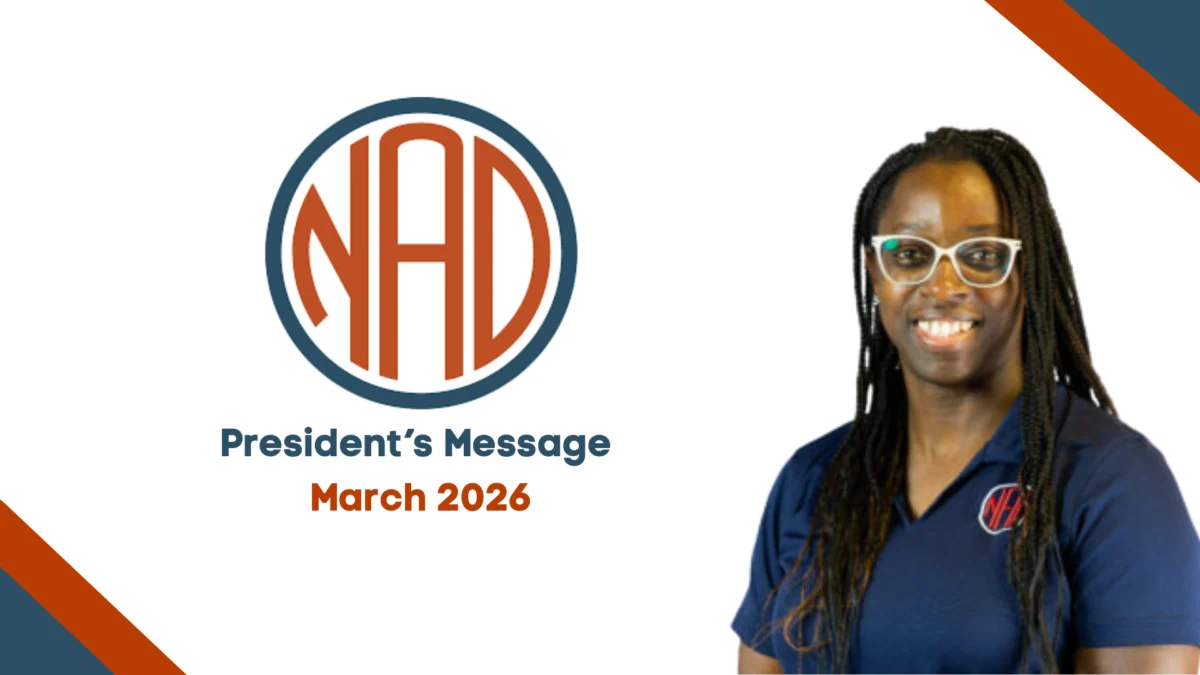
President Stephanie and the Board of Directors have emphasized that the success of these initiatives relies heavily on the participation of the membership. Through the use of their official communication channels, including the soon-to-be-updated website, the organization will continue to provide updates regarding deadlines for resolutions, delegate applications, and sponsorship opportunities.
The 2026 conference represents more than a logistical challenge for the National Association of the Deaf; it is a manifestation of the organization’s ongoing efforts to ensure that the voices of the Deaf and hard of hearing community are not only heard but are integrated into the fundamental policy decisions of the United States. As preparations continue, the emphasis remains on the core pillars of accessibility, collaboration, and community pride, ensuring that the legacy of the NAD continues to evolve in response to the changing needs of its members. For those seeking further information, the organization has directed all inquiries to its dedicated conference support team as they finalize the details for what is expected to be one of the most consequential gatherings in the association’s history.