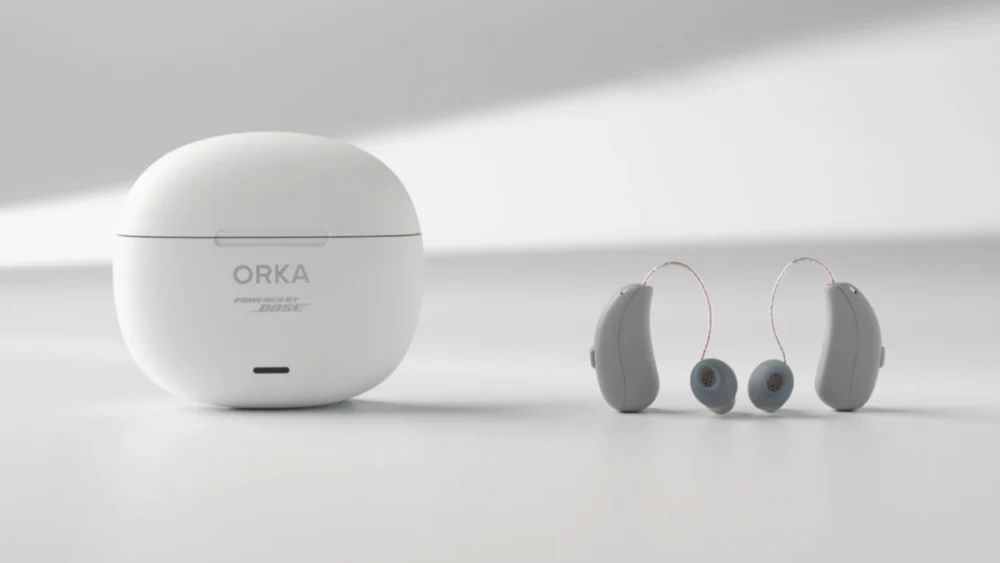
The announcement at AWE 2026, a premier global platform for consumer electronics and home appliances, underscores ORKA’s strategic intent to bridge the gap between medical devices and high-performance audio technology. This launch is not merely an incremental improvement but a fundamental re-imagining of how hearing aids can function in complex, noisy environments, a perennial challenge for users of traditional hearing solutions.
A New Paradigm in Hearing Aid Technology
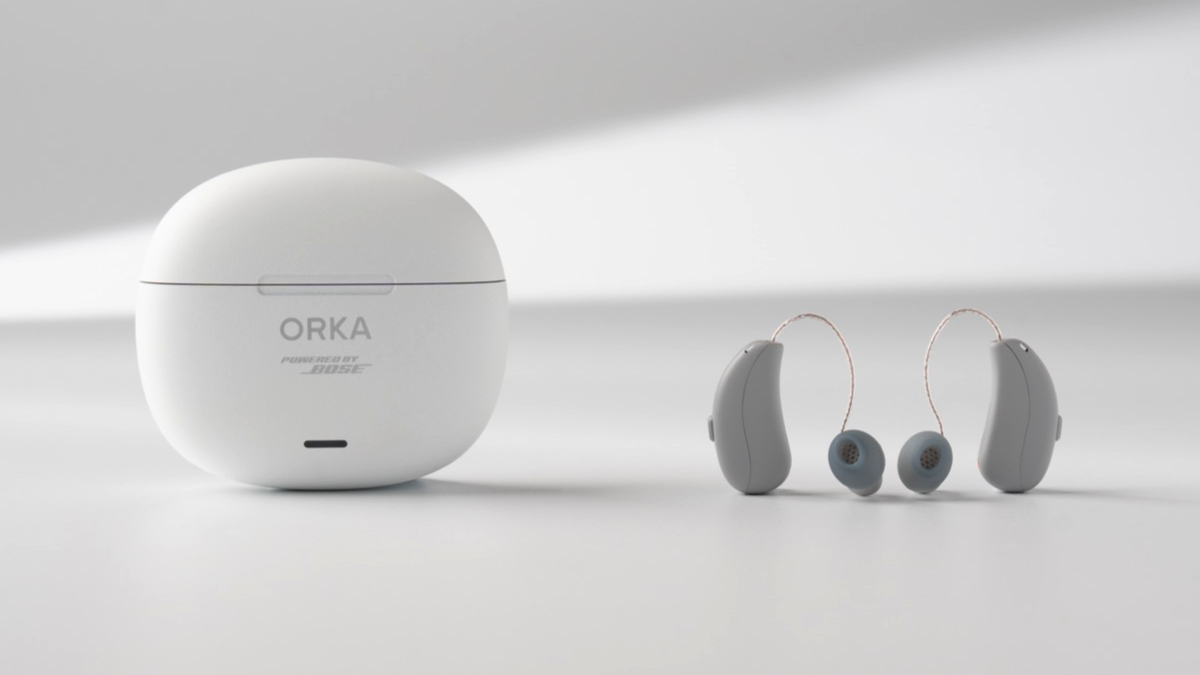
The ORKA O1 Pro is designed to directly address one of the most persistent complaints from hearing aid users: difficulty understanding speech in noisy settings. While conventional hearing aids employ various digital noise reduction algorithms, these often struggle with persistent, low-frequency background sounds that can mask important speech cues. Active Noise Cancellation, as famously pioneered by Bose in consumer headphones, operates on a different principle. It uses microphones to detect ambient noise, then generates an inverse sound wave to cancel out specific frequencies, primarily low-pitched, steady-state sounds like engine hums, air conditioning, or general crowd din. This physical cancellation reduces the overall noise floor, theoretically allowing the hearing aid’s primary sound processing to focus more effectively on speech and other desired signals.
Yaniv Kaufman, Bose Head of Product Partnerships (Hearing), highlighted the significance of this collaboration in a recent LinkedIn post, stating that "Orka Powered by Bose" is "powered by our ultra-efficient ANC and proprietary micro driver… That tiny speaker now delivers Bose ANC that lasts all day in a device worn inside your ear. This represents years of work. It takes real conviction to move first." Kaufman further emphasized that the O1 Pro heralds "a new category of devices," suggesting a profound impact on the future landscape of hearing technology. The ability to miniaturize and integrate Bose’s renowned ANC into the compact form factor of a RIC hearing aid, while maintaining all-day battery life, represents a substantial engineering feat.
The Appliance & Electronics World Expo (AWE 2026): A Strategic Launchpad
AWE 2026, held annually in Shanghai, has evolved into one of the world’s leading technology showcases, attracting hundreds of thousands of visitors and thousands of exhibitors from across the globe. Traditionally a hub for home appliances, consumer electronics, and smart home innovations, AWE provides an ideal stage for ORKA to introduce a product that blurs the lines between health tech and lifestyle gadgets. Launching the O1 Pro at such an event signals ORKA’s ambition to position its hearing aid not just as a medical necessity but as a sophisticated piece of personal technology that enhances daily living, akin to premium headphones or smart wearables. This approach aims to appeal to a broader demographic, potentially reducing the stigma often associated with hearing aids by framing them as advanced audio devices. The international spotlight of AWE ensures maximum visibility and immediate global recognition for this innovative product.
)
Bose’s Evolving Journey in the Hearing Healthcare Sector
The partnership with ORKA is the latest chapter in Bose’s intriguing and sometimes tumultuous involvement in the hearing aid market. Bose, a brand synonymous with high-fidelity audio and pioneering noise cancellation, first made a significant foray into the hearing healthcare space in 2021 with the introduction of the FDA-cleared SoundControl self-fitting over-the-counter (OTC) hearing aid. This product was revolutionary as the first of its kind to receive FDA clearance for direct-to-consumer sales, allowing users to fit and adjust the devices themselves without professional intervention. This move was widely seen as a potential disruptor, leveraging Bose’s brand recognition and acoustic expertise to democratize access to hearing solutions.
However, Bose made a strategic pivot in 2022, announcing its exit from direct hearing aid sales. This decision surprised many industry observers, prompting speculation about the complexities of navigating the regulated medical device market and the challenges of direct-to-consumer sales in this specialized sector. Despite this withdrawal, Bose’s commitment to improving hearing technology remained evident. The company re-entered the category through a strategic partnership with Lexie Hearing, resulting in the Lexie B1 and B2 Plus Powered by Bose OTC devices. These products continue to utilize Bose’s audio processing technologies, demonstrating the company’s preference for a technology licensing and partnership model rather than direct market competition.
The collaboration with ORKA on the O1 Pro represents a further refinement of this strategy, extending Bose’s reach into the prescription-grade or advanced OTC segment, specifically within the RIC form factor, with a feature as distinctive as active noise cancellation. This timeline illustrates Bose’s persistent belief in the potential for consumer audio technologies to significantly enhance hearing solutions, even if its approach to market entry has evolved.
)
The Mechanics of ANC in Hearing Aids: A Deeper Dive
Active Noise Cancellation works by a principle known as destructive interference. Microphones on the device pick up ambient sound waves. An internal processor then analyzes these waves and generates an "anti-noise" sound wave that is precisely 180 degrees out of phase with the incoming noise. When these two waves meet, they cancel each other out, effectively reducing the perceived volume of the unwanted noise. This technology is particularly effective against continuous, low-frequency sounds, which are notoriously difficult for traditional hearing aid algorithms to suppress without also distorting speech.
Integrating ANC into a RIC hearing aid presents unique challenges compared to over-ear headphones. RICs are small, worn discreetly behind the ear with a thin wire extending into the ear canal, delivering sound via a receiver. This compact size necessitates ultra-miniaturized components, low power consumption for all-day use, and careful acoustic design to prevent feedback and ensure effective cancellation without compromising sound quality or speech clarity. The mention of Bose’s "ultra-efficient ANC and proprietary micro driver" suggests that significant advancements in these areas were achieved.
A recent academic paper published in Trends in Hearing by Andrew Sabin and his colleagues at Bose provided theoretical groundwork for this innovation. The paper explored how ANC could significantly improve the signal-to-noise ratio (SNR) in hearing aids. Specifically, it highlighted ANC’s potential to reduce low-frequency sound leakage through the direct path of the hearing aid, thereby allowing the advanced signal processing in the amplified path to have a greater impact on speech understanding at the eardrum. While promising, the paper also cautioned that the real-world effectiveness of ANC in RICs would depend on critical factors such as low-latency implementation, robust low-frequency cancellation capabilities, and synergistic integration with other SNR-improving algorithms. Crucially, the paper underscored the need for human outcome data to definitively ascertain the real-world impact on speech understanding. The O1 Pro’s launch is expected to be followed by such data to validate its efficacy.
)
Implications for the Hearing Aid Market and Consumers
The introduction of the ORKA O1 Pro with Bose ANC technology has several profound implications:
-
Technological Benchmark: The O1 Pro sets a new benchmark for premium hearing aids. Active Noise Cancellation, a feature long requested by users and explored by researchers, has now been successfully integrated into a mainstream hearing aid form factor. This will likely spur other manufacturers to accelerate their own ANC research and development, potentially leading to a wave of innovation across the industry.
-
Enhanced User Experience: For individuals living with hearing loss, the promise of true ANC means a potentially dramatic improvement in comfort and clarity in environments previously deemed unbearable. Imagine navigating a bustling restaurant, a noisy airport, or a busy office with significantly reduced background hums, allowing for clearer conversations and less listening fatigue. This could transform the daily lives of millions.
)
-
Convergence of Industries: The O1 Pro epitomizes the ongoing convergence of consumer electronics and medical devices. This trend blurs the lines between traditional hearing aids and advanced hearables, potentially making hearing solutions more appealing, stylish, and technologically sophisticated. It could also lead to a greater adoption rate, especially among younger populations who are already accustomed to high-tech audio gadgets.
-
Competitive Landscape Shift: While ORKA’s market position is still developing, leveraging Bose’s established reputation for ANC technology gives it a powerful differentiator. Traditional hearing aid manufacturers, accustomed to competing on features like advanced speech processing, connectivity, and customizability, will now need to contend with a new, compelling technological front. This could lead to intensified competition and accelerated innovation across the entire hearing aid sector.
-
Addressing Stigma: By integrating a premium consumer audio feature, the O1 Pro could contribute to further destigmatizing hearing aid use. When a device boasts technology from a renowned audio brand like Bose, it elevates its perception from a purely medical aid to a sophisticated piece of personal technology, much like high-end headphones.
-
Regulatory and Clinical Validation: As with any new technology in the medical space, the O1 Pro will face scrutiny regarding its clinical efficacy and long-term benefits. While the partnership with Bose suggests robust engineering, comprehensive clinical trials and real-world outcome data will be crucial for widespread acceptance among audiologists and medical professionals. The structure of the Bose-ORKA relationship, whether it’s a technology licensing agreement, a joint venture, or a component supply deal, will also be of interest to industry watchers.
)
Future Outlook
The ORKA O1 Pro’s debut at AWE 2026 marks a pivotal moment in hearing healthcare. It represents not just a product launch, but a significant technological leap that could redefine expectations for hearing aid performance. As ORKA prepares to provide more detailed information about the O1 Pro, including pricing, availability, and specific features, the industry will be watching closely to see how this innovation impacts market dynamics, consumer adoption, and, most importantly, the quality of life for individuals seeking clearer hearing in an increasingly noisy world. The "new category of devices" heralded by Bose may indeed be upon us, promising a future where hearing aids are not just aids, but truly advanced audio companions.