The Scope of the Funding Request
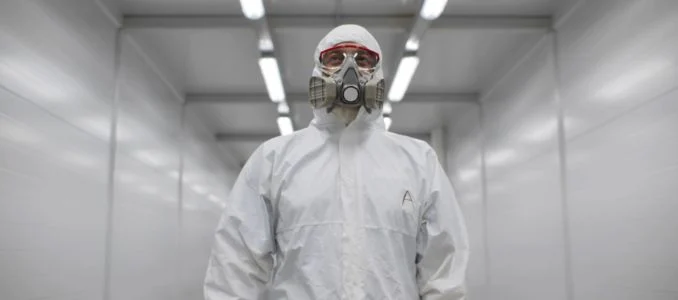
The proposed budget allocation is not merely a request for operational costs; it is a strategic investment in the infrastructure of industrial safety. The funding is specifically earmarked for several high-impact divisions within NIOSH, most notably the National Personal Protective Technology Laboratory (NPPTL). The NPPTL serves as the bedrock of the federal Respirator Approval Program, an initiative that sets the gold standard for the gear used by miners, healthcare workers, emergency responders, and industrial personnel.

Beyond standard testing, the requested $366.8 million would provide the necessary capital for the Fire Fighter Fatality Investigation and Prevention Program and the Health Hazard Evaluation (HHE) Program. The latter acts as a direct resource for small and mid-sized businesses, providing them with technical expertise to identify, analyze, and mitigate complex workplace health hazards that might otherwise lead to long-term chronic illnesses or immediate workplace injuries.
Context and Chronology of Safety Oversight
The history of NIOSH funding has often been a point of contention in federal budget cycles, as the agency sits at the intersection of public health and economic productivity. Created by the Occupational Safety and Health Act of 1970, NIOSH has evolved from a nascent research entity into the primary federal agency responsible for conducting research and making recommendations for the prevention of work-related injury and illness.
Over the past decade, the importance of NIOSH has been highlighted by several national crises. The COVID-19 pandemic, in particular, exposed the vulnerabilities in the domestic supply chain for personal protective equipment (PPE). During the height of the pandemic, the surge in demand for respirators led to a proliferation of counterfeit and substandard equipment entering the U.S. market. NIOSH’s role in verifying the efficacy of this equipment became a matter of national security and public health. This latest push for funding aims to ensure that the agency is never again caught without the resources to rapidly validate safety equipment during an emergency, while simultaneously maintaining its daily mission of protecting workers in high-risk industries.
Data-Driven Justification for Federal Investment
The economic argument for increasing NIOSH funding is rooted in the high cost of workplace accidents. According to data from the National Safety Council (NSC) and the Bureau of Labor Statistics (BLS), workplace injuries and fatalities cost the U.S. economy over $170 billion annually in lost wages, productivity, administrative expenses, and medical costs.
For every dollar invested in effective workplace safety programs, the return on investment (ROI) is significant. Industry analysis suggests that companies with robust safety management systems—supported by the research and standards provided by NIOSH—report a 20% to 40% reduction in workers’ compensation claims. By providing NIOSH with the requested $366.8 million, the federal government is essentially subsidizing the reduction of these massive economic losses.
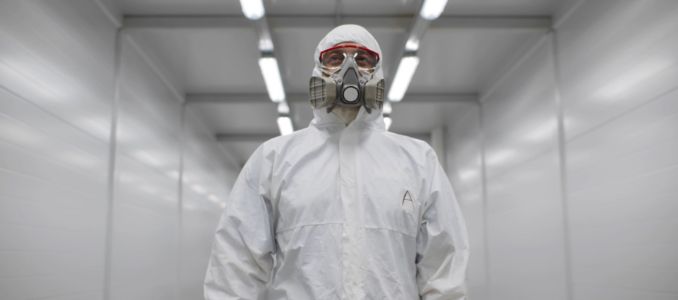
Furthermore, the prevalence of counterfeit PPE remains a persistent threat. Counterfeit safety gear does not merely fail to protect; it provides a false sense of security, leading workers to take risks they would otherwise avoid. The NPPTL’s ability to conduct rigorous testing and surveillance is the primary barrier preventing these inferior products from reaching the front lines of American industry.

Perspectives from Industry Leaders
Cam Mackey, President and CEO of the ISEA, has been vocal regarding the necessity of this funding, framing it as an essential component of the national economic strategy. "Strong funding for NIOSH is not just a regulatory requirement; it is a fundamental pillar of our national economy," Mackey stated. "When employers are equipped with the latest research, standards, and validated safety equipment, we see a tangible decrease in injuries. This protects our most valuable asset—our workers—and ensures that industry remains productive and resilient."
Labor advocates and industry safety professionals echo this sentiment, noting that the agency’s research into emerging risks—such as the health implications of new chemical compounds and the mental health impacts of high-stress work environments—requires sustained, long-term funding. Without the fiscal support requested by the bipartisan group of lawmakers, NIOSH’s ability to remain at the cutting edge of industrial hygiene and safety science would be severely compromised.
The Mechanics of the Health Hazard Evaluation Program
A key beneficiary of the requested budget, the Health Hazard Evaluation (HHE) Program, provides a unique service to the American workforce. When employers, employees, or union representatives are concerned about potential hazards in their workplace—ranging from toxic exposures to ergonomic stressors—they can request an HHE. NIOSH investigators then conduct an on-site evaluation to determine if workers are being exposed to hazardous materials or conditions.

The results of these evaluations are more than just reports; they are actionable intelligence that drives the development of new safety standards. By increasing funding, the lawmakers are effectively increasing the number of evaluations NIOSH can perform, thereby broadening the safety net for workers in underserved or high-risk sectors where safety resources are historically limited.
Implications for the 2027 Federal Budget
The request for $366.8 million represents a calculated effort to insulate NIOSH from the fluctuations of the broader budget process. By signaling bipartisan support early in the appropriations cycle, the sponsors hope to prioritize safety in an increasingly crowded fiscal landscape.
The broader implications of this funding are twofold:

- Supply Chain Integrity: Sustained funding ensures that the NPPTL can maintain a permanent, high-volume testing apparatus, preventing the market from being flooded with substandard gear during future public health or supply chain crises.
- Industrial Innovation: As American manufacturing and industrial processes evolve—moving toward greater automation and the use of advanced materials—the risks to workers shift. NIOSH research provides the necessary preemptive studies to ensure that as industry advances, safety protocols advance alongside it.
Future Outlook and Legislative Hurdles
While the bipartisan nature of the request offers a promising start, the path to final appropriation remains complex. The federal budget process involves intense negotiations between the House and Senate appropriations committees. Proponents of the funding argue that the cost is negligible compared to the billions lost in productivity annually. However, they must contend with broader debates regarding the federal deficit and the allocation of discretionary spending.
The case presented by Representatives Lee, Baumgartner, and Landsman is expected to gain traction among legislators who represent districts with heavy manufacturing, mining, or logistics footprints. These areas are the most vulnerable to workplace accidents and are often the most reliant on the standards and training materials produced by NIOSH.
As the 2027 fiscal year approaches, the conversation surrounding this funding will likely expand to include more voices from the labor movement and the private sector. The consensus among safety experts remains clear: the cost of inaction far exceeds the cost of investment. By bolstering the research and approval capabilities of NIOSH, the federal government is positioning itself to not only protect its workforce but to ensure the continued growth and stability of the American economy.
In conclusion, the $366.8 million request is a testament to the ongoing importance of federal oversight in an era of complex industrial risk. By supporting the initiatives of the National Personal Protective Technology Laboratory and the essential evaluation programs that protect workers on the ground, lawmakers are aiming to secure a future where safety is treated as a fundamental prerequisite for industrial progress. The coming months will be critical in determining whether this bipartisan vision translates into the necessary federal support, but the evidence provided by the ISEA and supporting legislators makes a compelling case for the necessity of this investment in the American worker.