A Chronology of Academic and Clinical Excellence
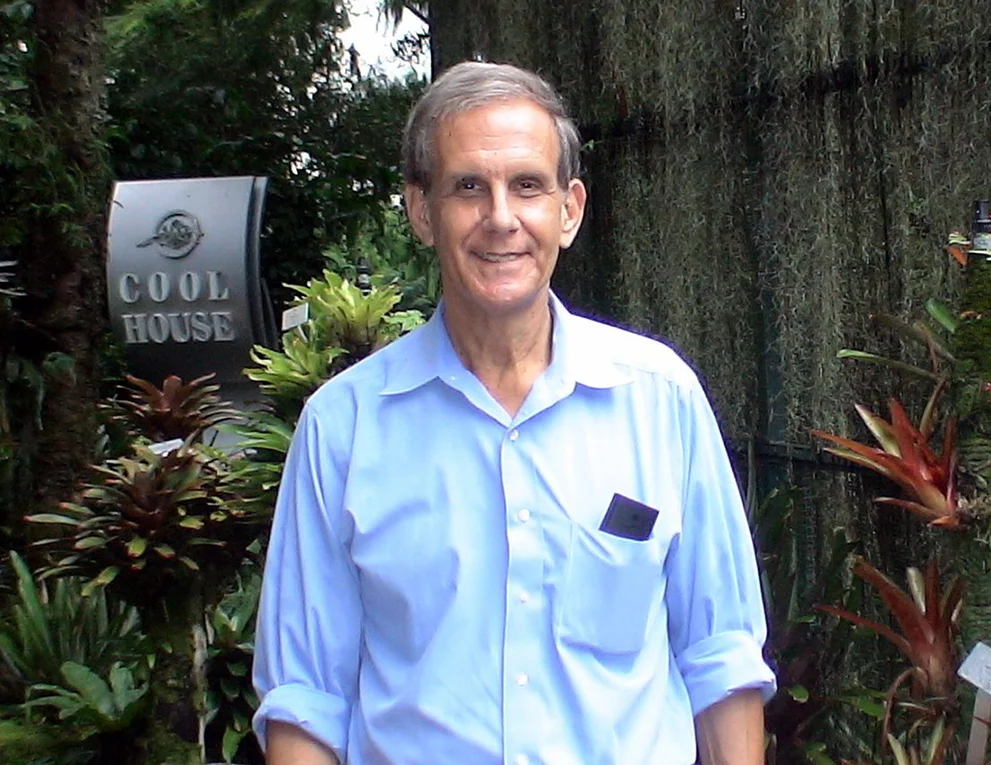
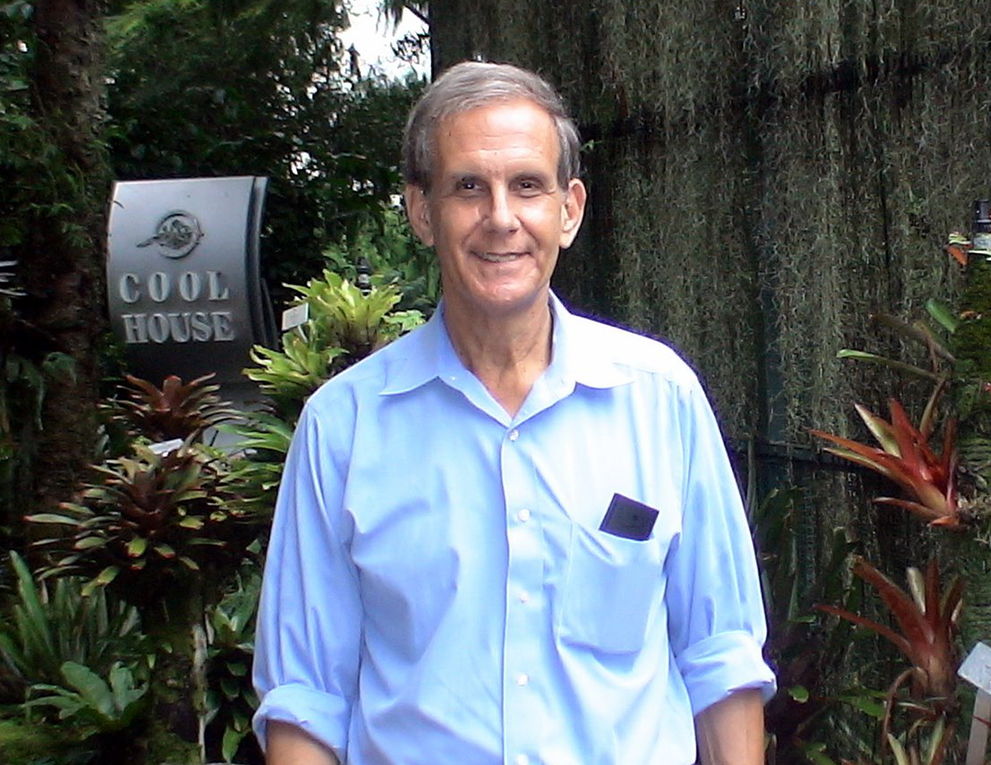
Dr. Zee’s tenure at Johns Hopkins University spans exactly sixty years, beginning in 1965 when he arrived as a medical student. His early immersion in clinical medicine quickly evolved into a specialized focus on the intricate relationship between the brain and eye movements. For nearly 55 years, Dr. Zee has dedicated his career to the study of vestibular disorders—conditions affecting the inner ear and the brain’s ability to process sensory information related to balance.
The timeline of his contributions reflects the evolution of modern neurology. In the 1970s and 80s, when neuro-imaging was in its infancy, Dr. Zee utilized bedside observations and animal models to map the cerebellar and brainstem mechanisms that govern ocular stability. In 1980, he achieved a major clinical breakthrough. Working alongside colleagues from Johns Hopkins and the United Kingdom, Dr. Zee identified the first effective pharmacologic therapy for a specific form of pathological nystagmus associated with cerebellar disorders. This discovery provided the first therapeutic hope for patients suffering from involuntary, rhythmic eye movements that severely impaired their vision and quality of life.
Throughout the 1990s and 2000s, Dr. Zee’s influence expanded through his academic output. He co-authored The Neurology of Eye Movements with R. John Leigh, a seminal text that is currently in its fifth edition. The book is widely considered the "gold standard" reference for neurologists, ophthalmologists, and otolaryngologists worldwide. By 2017, his contributions were recognized by VeDA with the "Champion of Vestibular Medicine Award," followed in 2018 by the Bárány Society’s gold medal, the highest honor in vestibular research, awarded for his groundbreaking work on magnetic field effects on the inner ear.
Scientific Breakthroughs: From MRI Scanners to Smartphone Diagnostics
One of Dr. Zee’s most significant scientific contributions involves the intersection of physics and biology. He and his team elucidated the mechanism by which strong magnetic fields, such as those found in Magnetic Resonance Imaging (MRI) scanners, interact with the inner ear. They discovered that the Lorentz force—the force exerted by a magnetic field on moving electrical charges—acts on the ions in the fluid of the inner ear (endolymph). This interaction creates a constant pressure on the cupula, the sensory organ of the semicircular canals, resulting in vertigo and nystagmus while patients are inside the scanner.
This discovery was not merely a matter of academic curiosity; it had profound implications for clinical research. By understanding that the MRI itself induces a vestibular response, researchers were able to better interpret functional MRI (fMRI) studies, accounting for "noise" in the data caused by the brain’s reaction to the magnetic field. This work earned the Bárány Society gold medal and highlighted Dr. Zee’s ability to bridge the gap between theoretical physics and clinical neurology.
In recent years, Dr. Zee has focused on making sophisticated diagnostic capabilities more accessible to the general practitioner. Collaborating with Dr. Amir Kheradmand and Dr. Joel Goebel, he co-authored the "Dizzy Exam Guide," a resource designed to streamline the bedside diagnosis of dizzy patients. Furthermore, he has been a pioneer in integrating digital technology into clinical practice. His work in developing smartphone-based eye-tracking tools has revolutionized the testing for Benign Paroxysmal Positional Vertigo (BPPV). By using the high-resolution cameras and sensors inherent in modern smartphones, clinicians can now detect subtle patterns of positional nystagmus that were previously only visible with expensive, specialized equipment.
Supporting Data: The Economic and Human Cost of Vestibular Disorders
The significance of Dr. Zee’s donation and ongoing research is underscored by the staggering data surrounding vestibular health. According to the National Institute on Deafness and Other Communication Disorders (NIDCD), approximately 35% of U.S. adults aged 40 years and older—roughly 69 million Americans—have experienced some form of vestibular dysfunction. Despite this prevalence, the "diagnostic odyssey" for a vestibular patient is often grueling. On average, a patient with a vestibular disorder visits four to five different doctors over several months, or even years, before receiving an accurate diagnosis.
The economic implications are equally significant. Chronic dizziness and balance disorders are leading causes of falls in the elderly, which cost the U.S. healthcare system over $50 billion annually. Misdiagnosis in the emergency room leads to unnecessary and expensive imaging, such as CT scans, which are often ineffective at identifying vestibular issues compared to a proper bedside physical exam. By funding advocacy and clinician training, Dr. Zee’s contribution directly addresses these systemic inefficiencies, aiming to reduce the time to diagnosis and improve patient outcomes through better-educated providers.
Official Responses and Collaborative Impact
The announcement of Dr. Zee’s donation and his appointment as a Trustee has been met with widespread acclaim within the medical community. While the specific financial details of the donation remain confidential, VeDA leadership has indicated that the funds will be earmarked for "transformative medical advocacy."
"Dr. Zee’s involvement with VeDA has always been characterized by a unique blend of scientific rigor and deep empathy for the patient experience," a spokesperson for the association noted in a summary of the Fall 2025 issue of On The Level. "His decision to further support our mission through this generous gift ensures that we can scale our educational programs to reach the next generation of healthcare providers."
Colleagues at Johns Hopkins have also highlighted Dr. Zee’s role as a mentor. Throughout his 560+ publications, he has frequently shared authorship with trainees and junior faculty, fostering a culture of collaborative inquiry. Dr. Amir Kheradmand, a frequent collaborator, has noted that Dr. Zee’s approach to the "dizzy patient" involves a meticulous attention to detail that is often lost in high-volume modern medicine. The "Dizzy Exam Guide" and the ongoing work into 3D simulations for BPPV testing are direct results of this mentorship-driven research model.
Broader Implications and the Future of Vestibular Medicine
The implications of Dr. Zee’s work and philanthropy extend far beyond the walls of Johns Hopkins. By championing standardized protocols, such as the proposed 3D-simulated BPPV testing, Dr. Zee is helping to democratize specialized medical knowledge. In many rural or underserved areas, access to a neuro-otologist is non-existent. Standardized, smartphone-compatible diagnostic protocols allow general practitioners and physical therapists to provide high-level care without requiring the patient to travel hundreds of miles to a tertiary care center.
Furthermore, Dr. Zee’s investigation into skull-vibration-induced nystagmus offers new insights into the mechanisms of self-stability. This research has potential applications in the development of wearable technology for patients with permanent vestibular loss, potentially leading to "vestibular prosthetics" that function similarly to cochlear implants for the deaf.
Dr. Zee’s legacy is defined by a rare trifecta: groundbreaking original research, the creation of the field’s definitive educational texts, and a late-career pivot toward large-scale philanthropy. His work ensures that the study of eye movements and the vestibular system remains a vibrant, evolving branch of neurology. As the medical community looks toward the future, the foundation laid by Dr. Zee—both through his scientific discoveries and his financial support—provides a roadmap for tackling the complexities of the human balance system.
In the broader context of medical history, Dr. Zee represents the archetype of the "physician-scientist-philanthropist." At a time when medical specialization often leads to silos of information, his work on the vestibulo-ocular reflex (VOR) and the cerebellum has served as a bridge between neurology, ophthalmology, and otology. His unwavering devotion to helping patients navigate the disorienting world of vertigo and loss of balance continues to inspire a new generation of clinicians. The vestibular community, through the efforts of VeDA and the countless students Dr. Zee has mentored, remains the beneficiary of a career that has truly "steadied the mission" of patient-centered care.