

The Incident: A Failure of Protocol
The tragedy unfolded during routine HVAC installation work at the Bal Harbor Shops, a high-end retail destination currently undergoing significant infrastructure expansion. According to findings released by federal inspectors, the victim, a pipefitter employed by Hyvac Inc., was engaged in tasks involving an air conditioning piping system when a pressurized pipe failed. The force of the release caused a fatal injury, classifying the event as a “struck-by” incident—a category of accidents that remains a top priority for safety regulators nationwide.
The investigation revealed that the primary cause of the incident was a critical failure to verify the state of the piping system before work commenced. Standard industry practice, governed by both internal safety policies and federal regulations, dictates that any piping system must be verified as depressurized and isolated before technicians attempt to remove end caps or perform maintenance. Hyvac Inc. allegedly failed to ensure that this fundamental safety check was conducted, allowing the pipefitter to work on a system that still contained significant, stored energy.

OSHA’s Regulatory Findings
OSHA’s investigation led to the identification of two distinct, serious violations. The first citation addresses the lack of verification regarding the status of the pressurized system. By failing to ensure the lines were depressurized, the company allowed a hazardous condition to persist, directly leading to the fatal exposure.
The second citation highlights a failure in training. Investigators determined that Hyvac Inc. did not provide adequate instruction to its employees regarding the specific hazards associated with the removal of end caps on pressurized systems. Training in this context is not merely a procedural formality; it is a critical safeguard intended to ensure that workers can recognize when a system remains live or under pressure, even if gauge readings or other indicators are not immediately obvious.
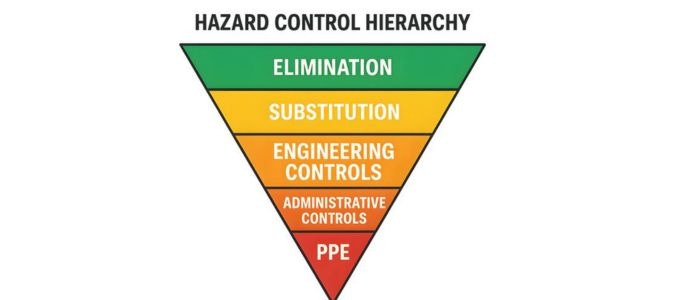
Under the Occupational Safety and Health Act of 1970, employers are legally obligated to provide a workplace free from recognized hazards that are likely to cause death or serious physical harm. The citations issued to Hyvac Inc. reflect the agency’s stance that the company did not meet these statutory requirements in the lead-up to the August 2025 incident.
Chronology of the Investigation
The timeline of the investigation began immediately following the report of the fatality in August 2025. OSHA inspectors arrived on the site at the Bal Harbor Shops to secure the area, conduct interviews with witnesses, and examine the mechanical systems involved in the accident.

- August 2025: The fatal incident occurs at the Bal Harbor Shops expansion site, resulting in the death of a pipefitter.
- Late August – September 2025: OSHA investigators conduct on-site inspections, analyze the mechanical configuration of the HVAC system, and review Hyvac Inc.’s internal safety and training logs.
- Early 2026: Final reports are compiled, and the agency prepares the notice of citations based on the evidence gathered.
- March 2026: OSHA formally releases the findings, announcing the $28,135 in proposed penalties.
Hyvac Inc. currently stands at a crossroads regarding these findings. The company has 15 business days from the formal receipt of the citations to take one of three actions: comply with the requirements and pay the penalties, request an informal conference with an OSHA Area Director to discuss the findings, or formally contest the citations before the Occupational Safety and Health Review Commission (OSHRC), an independent quasi-judicial agency.
Industry Context: Struck-By Hazards and the "Focus Four"
The fatality at the Bal Harbor project serves as a somber reminder of why "struck-by" incidents are categorized as one of the "OSHA Focus Four" hazards in construction. These four categories—falls, caught-in or caught-between, struck-by, and electrocution—consistently account for the vast majority of construction-related fatalities.

Data from the Bureau of Labor Statistics (BLS) indicates that construction remains one of the most hazardous industries in the United States. Struck-by incidents involving pressurized equipment, while less common than falls from heights, often result in more severe, immediate trauma. When a pipe cap is removed while a system is under pressure, the resulting "missile" effect can move at high velocity, leaving workers little to no time to react.
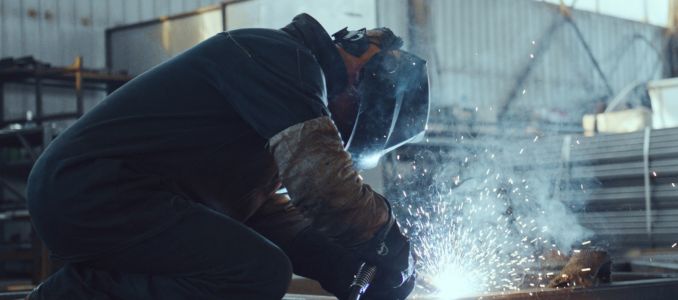
The industry has moved toward more rigorous "lockout/tagout" (LOTO) requirements for mechanical systems, but experts note that human error remains a constant variable. In many cases, the pressure to maintain project schedules at high-profile developments can lead to the bypassing of safety checks, an issue that OSHA continues to combat through both enforcement and educational outreach.
Implications for Mechanical Contractors
For the broader construction community, the Hyvac Inc. case underscores the necessity of moving beyond "check-the-box" safety training. Effective training requires site-specific hazard analysis, where managers and foremen identify unique risks—such as pressurized lines in complex, multi-story HVAC installations—and explicitly teach workers how to mitigate them.
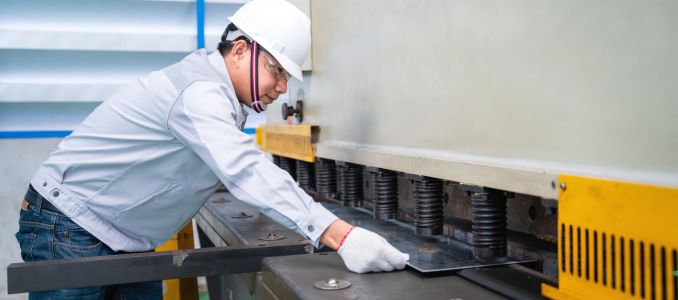
Safety consultants often point to "stored energy" as one of the most underestimated risks in commercial construction. Unlike electrical energy, which can be easily identified with non-contact voltage testers, pneumatic or hydraulic pressure can be silent and invisible until the moment of failure. The incident in Florida serves as a case study for why engineering controls, such as bleed valves and redundant pressure-relief devices, must be paired with stringent procedural verification.
Looking Forward: Compliance and Safety
As the legal process plays out, Hyvac Inc. is encouraged to utilize the compliance assistance resources provided by OSHA. These resources, designed to help firms of all sizes navigate federal safety standards, include technical support, guidance on establishing safety programs, and access to training materials that can prevent future tragedies.
The Bal Harbor Shops expansion, a high-visibility project, now carries the weight of this fatality. Moving forward, the site will likely face increased scrutiny regarding its safety management systems. OSHA’s involvement ensures that the incident will be documented in the national record, serving as a data point for future safety initiatives aimed at reducing fatalities in the mechanical and HVAC trades.

Ultimately, the goal of the Occupational Safety and Health Act is the preservation of life. While the $28,135 penalty represents a financial consequence for the contractor, the true cost of the failure is measured in the loss of a life and the lasting impact on the victim’s family and colleagues. The case of Hyvac Inc. reinforces the critical importance of safety culture in high-stakes construction environments, where a single oversight in pressure verification can lead to irreversible consequences. As the industry continues to evolve, the focus on the "Focus Four" remains an essential pillar in the effort to ensure that every worker returns home safely at the end of their shift.