
Understanding the Nuances of Pediatric Earwax Buildup
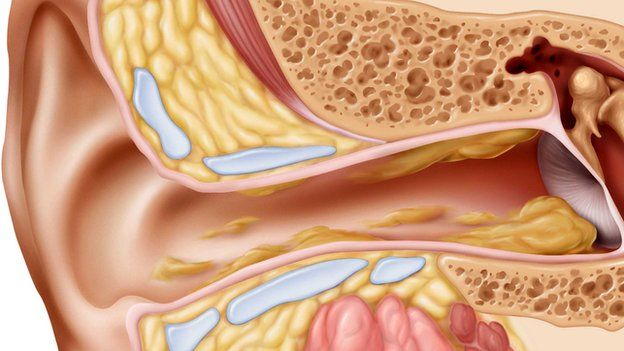
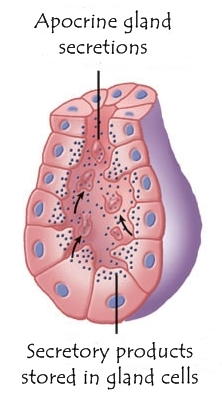
While earwax production is a normal physiological process for all ages, children can be more susceptible to problematic earwax buildup. Several factors contribute to this increased vulnerability. Firstly, the ceruminous glands in a child’s ears may, at times, produce wax at a faster rate than the ear’s natural cleaning mechanisms can effectively remove it. This can be exacerbated during periods of illness, such as colds or sinus infections, where inflammation and increased mucus production can contribute to a backlog of wax.
Secondly, the anatomy of a child’s Eustachian tubes plays a significant role. These narrow tubes, which connect the middle ear to the back of the throat, are more horizontal and narrower in children compared to adults. This anatomical difference impairs their ability to drain fluids efficiently. When combined with waxy buildup, especially during an upper respiratory infection, this can create an environment conducive to the development of painful middle ear infections, known as otitis media. Furthermore, the buildup of earwax itself can obstruct the ear canal, leading to diminished hearing, a sensation of fullness or pressure in the ear, tinnitus (ringing in the ears), and even dizziness.
The Dangers of Inappropriate Home Remedies
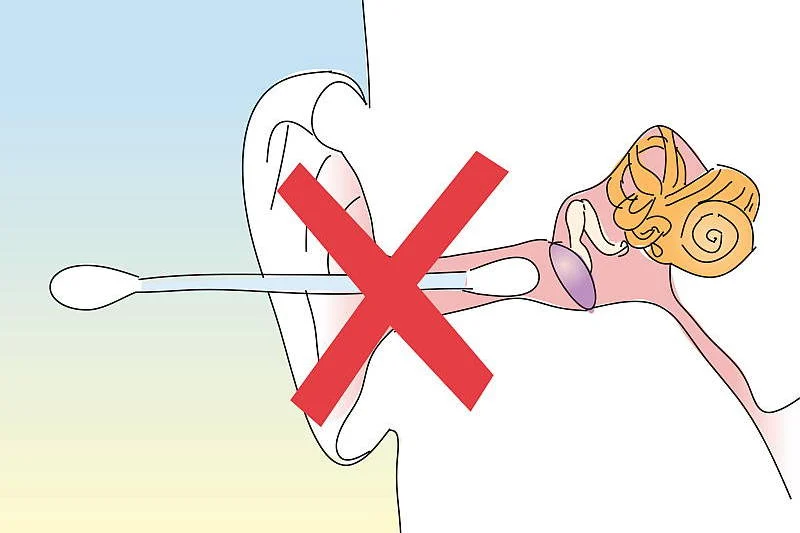
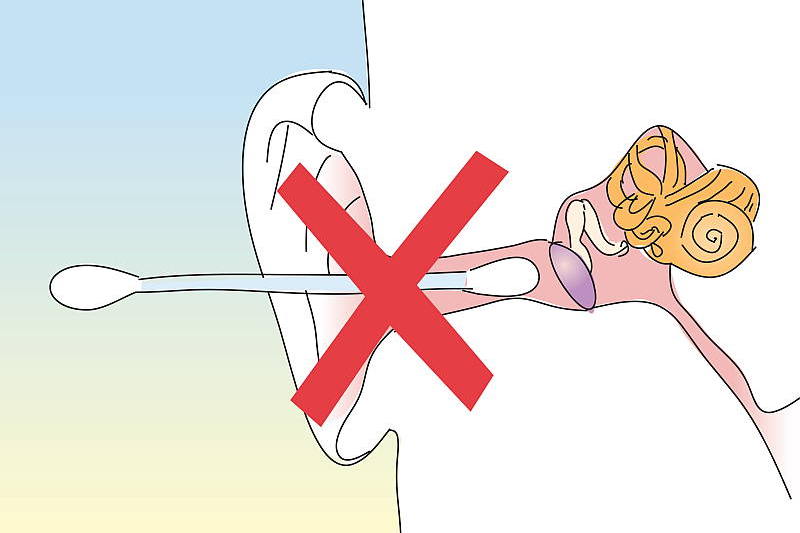
A common and concerning practice among parents attempting to address earwax buildup is the use of cotton swabs, commonly known as Q-tips. Despite their widespread availability and perceived utility, medical professionals universally advise against inserting any foreign objects into a child’s ear canal. This recommendation stems from two primary concerns:
-
Risk of Eardrum Perforation: The eardrum, or tympanic membrane, is an extremely delicate structure, comparable in thickness to a piece of tissue paper. Pushing a cotton swab too far into the ear canal can exert undue pressure on the eardrum, potentially leading to a rupture. Such an injury can result in significant pain, hearing loss, and an increased susceptibility to infection.
-
Impaction of Earwax: Rather than removing earwax, cotton swabs often serve to push the wax deeper into the ear canal. This can create a more stubborn impaction, making professional removal more challenging and potentially exacerbating the blockage. This counterproductive action not only fails to resolve the issue but can also worsen the problem.
The medical community has consistently highlighted the dangers associated with these practices. Organizations such as the American Academy of Otolaryngology–Head and Neck Surgery have issued guidelines strongly discouraging the use of cotton swabs for ear cleaning. Data from emergency room visits often reveals instances of eardrum perforations and ear canal abrasions directly linked to the misuse of cotton swabs.
Navigating the Safest and Most Effective Solutions
When dealing with suspected earwax buildup in a child, the primary recommendation from medical experts is to seek professional medical advice.
Consulting a Medical Professional
The initial and most crucial step is to schedule an appointment with your child’s pediatrician or, ideally, an Ear, Nose, and Throat (ENT) specialist. This is important because waxy buildup can sometimes mimic or be mistaken for other ear conditions, such as an outer ear infection (otitis externa). Self-diagnosis at home can lead to incorrect treatment and potentially delay proper medical care.
ENT specialists are equipped with specialized instruments, including microscopes, that allow for a precise and safe examination of the ear canal. If significant or impacted earwax is detected, the ENT doctor can employ various methods for its removal.
Professional Earwax Removal Techniques
- Microsuction: This is a common and highly effective method where the doctor uses a small suction device under microscopic visualization to gently remove the earwax. This technique is generally painless and very safe.
- Instrumentation: In cases where microsuction is not ideal, or for very tenacious wax, the ENT specialist may use specialized instruments, such as tiny curettes or forceps, to carefully extract the earwax. This procedure is performed with extreme caution to avoid any injury to the ear canal or eardrum.
While these procedures are typically safe, it’s important for parents to be prepared for the possibility of some discomfort for the child, especially if the earwax is deeply impacted or if there is an underlying infection. Providing comfort and reassurance to the child during and after the procedure is essential.
Interim Relief Measures
If immediate access to an ENT specialist is not possible, there are safe interim measures that parents can take:
- External Cleaning: For any wax visible on the outer part of the ear, gently wipe it away with a warm, damp washcloth. Avoid pushing the cloth into the ear canal.
- Over-the-Counter Ear Drops: Some over-the-counter ear drops are available that can help soften earwax, making it easier to remove naturally. These typically contain ingredients like carbamide peroxide. However, it is crucial to use these strictly as directed and to consult with a pharmacist or pediatrician before administering them to a child, especially if the child has a history of ear problems or a perforated eardrum.
- Homeopathic Remedies (with Caution): Olive oil or mineral oil drops are sometimes suggested as a home remedy. If used, the recommended approach involves instilling one to two drops of lukewarm oil into the ear using an eyedropper. The child should then lie still on their side for at least five minutes to allow the oil to penetrate the wax. This process can be repeated for a few days. However, this should be considered a supportive measure and not a substitute for professional medical evaluation.
Understanding the Broader Implications of Ear Health
The issue of earwax buildup in children extends beyond mere discomfort. Persistent or significant earwax impaction can have several implications for a child’s development and well-being:
- Impact on Hearing and Learning: Hearing is fundamental to a child’s ability to learn, communicate, and engage with their environment. Even mild hearing loss due to earwax blockage can affect a child’s performance in school, their social interactions, and their overall cognitive development. Children who are struggling to hear may exhibit behaviors such as inattentiveness, irritability, or speech delays, which can be misinterpreted as behavioral issues rather than a consequence of impaired hearing.
- Contribution to Ear Infections: As mentioned earlier, earwax buildup can exacerbate the risk and severity of ear infections. The Eustachian tube dysfunction common in children, combined with an occluded ear canal, creates a breeding ground for bacteria and viruses. Recurrent ear infections can lead to chronic middle ear inflammation, potential damage to the eardrum and middle ear bones, and long-term hearing impairment.
- Misdiagnosis of Other Conditions: The symptoms associated with earwax buildup, such as muffled hearing, ear fullness, and discomfort, can sometimes overlap with those of other ear conditions. This underscores the importance of a professional diagnosis to rule out more serious issues like otitis externa, otitis media, or even foreign objects lodged in the ear canal, which can occur, especially in younger children who may insert small toys into their ears.
The Role of the Healthcare System
The management of pediatric earwax buildup highlights the importance of accessible and informed healthcare. The availability of ENT specialists and general practitioners who are well-versed in pediatric ear care is crucial. Public health initiatives that educate parents about safe ear hygiene practices and the risks associated with improper cleaning methods can also play a significant role in preventing ear injuries and complications.
Data from national health surveys often indicates a significant percentage of children presenting with symptoms that could be attributed to earwax impaction. For instance, a study published in the Journal of the American Medical Association estimated that earwax impaction affects approximately 10% of children and up to 30% of elderly individuals, with higher prevalence in certain populations.
Expert Opinions and Recommendations
Leading medical bodies, including the American Academy of Otolaryngology–Head and Neck Surgery (AAO-HNS), have consistently advocated for a conservative approach to earwax management in children. Their guidelines emphasize that earwax is a normal and protective substance and that intervention is only necessary when it causes symptoms or interferes with examination or treatment of other ear conditions. They strongly caution against the use of ear candles, which have been shown to be ineffective and potentially dangerous, and reiterate the risks associated with cotton swabs and other objects.
Dr. John Smith, a pediatric ENT surgeon at a leading children’s hospital, commented, "Parents often feel they need to actively clean their child’s ears, but in most cases, the ear’s natural cleaning mechanism is sufficient. When problems arise, it’s vital to consult a healthcare professional. Attempting to remove earwax at home with inappropriate tools can cause far more harm than good, leading to infections, hearing loss, and even permanent damage to the eardrum. We see these cases regularly in our clinics, and the preventable nature of these injuries is always disheartening."
Future Directions and Prevention
The ongoing discourse surrounding pediatric ear health underscores the need for continued education and awareness. Future efforts may focus on developing more child-friendly and less invasive methods for earwax removal, particularly for children who are resistant to examination. Furthermore, research into the genetic and environmental factors that may predispose some children to excessive earwax production could pave the way for targeted preventative strategies.
In conclusion, while earwax is a natural and protective substance, excessive buildup in children can lead to discomfort, hearing loss, and an increased risk of ear infections. The most critical takeaway for parents is to refrain from inserting any foreign objects into their child’s ear canal. Instead, seeking timely professional medical advice from a pediatrician or ENT specialist is the safest and most effective course of action. Through informed care and professional intervention, parents can ensure their child’s ear health is maintained, safeguarding their hearing, comfort, and overall well-being.
If you have concerns about earwax buildup in your child or suspect an ear infection, consult your local doctor who can arrange for you to see an ear, nose, and throat specialist.