Early Intervention and the Foundation of Success
Sensorineural hearing loss occurs when there is damage to the inner ear or the nerve pathways from the inner ear to the brain. In the United States, it is estimated that two to three out of every 1,000 children are born with a detectable level of hearing loss in one or both ears. For Wendorf, the intervention began almost immediately. By the age of six months, he was enrolled in the Listen and Talk program, an organization specializing in auditory-verbal therapy and education.
The methodology employed by such programs focuses on maximizing the use of residual hearing through technology—such as cochlear implants or hearing aids—paired with intensive speech and language therapy. Wendorf’s participation in the Blended Classroom PreK program proved foundational. By integrating specialized learning environments with mainstream educational goals, these programs provide children with the communication skills necessary to navigate social and academic settings that are primarily designed for hearing individuals. This developmental stage is critical; research consistently indicates that children who receive intervention before six months of age demonstrate significantly higher language and literacy scores compared to their peers who receive intervention later.
Uncovering the Genetic Component: The Barakat Syndrome Diagnosis
While Wendorf’s early years were defined by his hearing loss, his medical journey took a more specific turn when he was 12 years old. It was at this stage that he was formally diagnosed with Barakat Syndrome, also known as HDR syndrome. This rare genetic condition is caused by a haploinsufficiency of the GATA3 gene, which plays a critical role in the development of the inner ear, the parathyroid glands, and the kidneys.
The clinical presentation of Barakat Syndrome is categorized by a specific triad: Hypoparathyroidism (resulting in low calcium levels), sensorineural Deafness, and Renal disease. According to the National Organization for Rare Disorders (NORD), the prevalence of Barakat Syndrome remains difficult to estimate due to its rarity and potential for underdiagnosis. For the Wendorf family, this discovery provided necessary medical context for the challenges Kai faced, allowing for more targeted management of his health. However, the diagnosis did not serve as a limitation; rather, it provided a clearer roadmap for his medical care, enabling him to continue his pursuit of personal goals with a greater understanding of his physiological requirements.
A Chronology of Achievement and Artistic Growth
Wendorf’s personal development has been characterized by a refusal to be defined by his diagnosis. His transition from a young student in Seattle to a creative professional in Los Angeles is marked by a consistent pattern of high-risk, high-reward decision-making.
- Infancy (Age 4 Months): Initial diagnosis of bilateral sensorineural hearing loss.
- Early Childhood (Age 6 Months): Enrollment in Listen and Talk programs.
- Formative Years: Participation in varied athletic programs, developing a sense of physical coordination and team dynamics.
- Adolescence (Age 12): Clinical diagnosis of Barakat Syndrome (HDR).
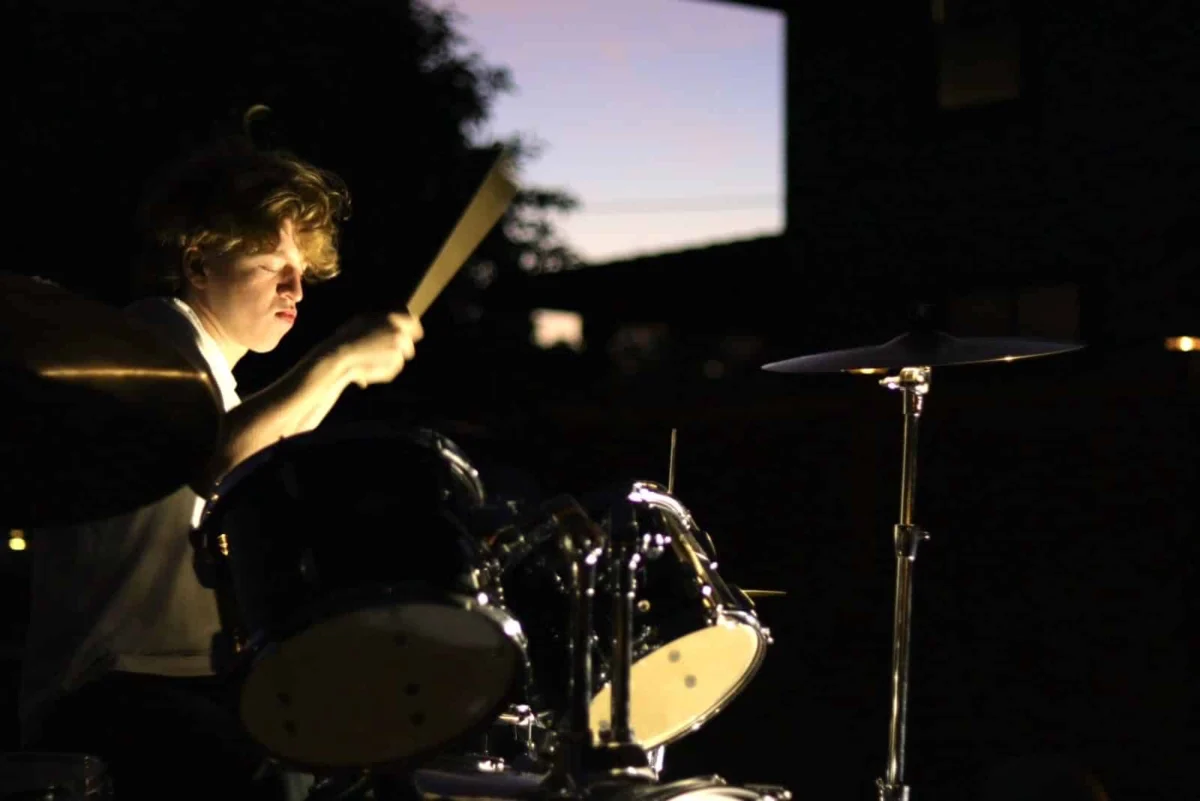
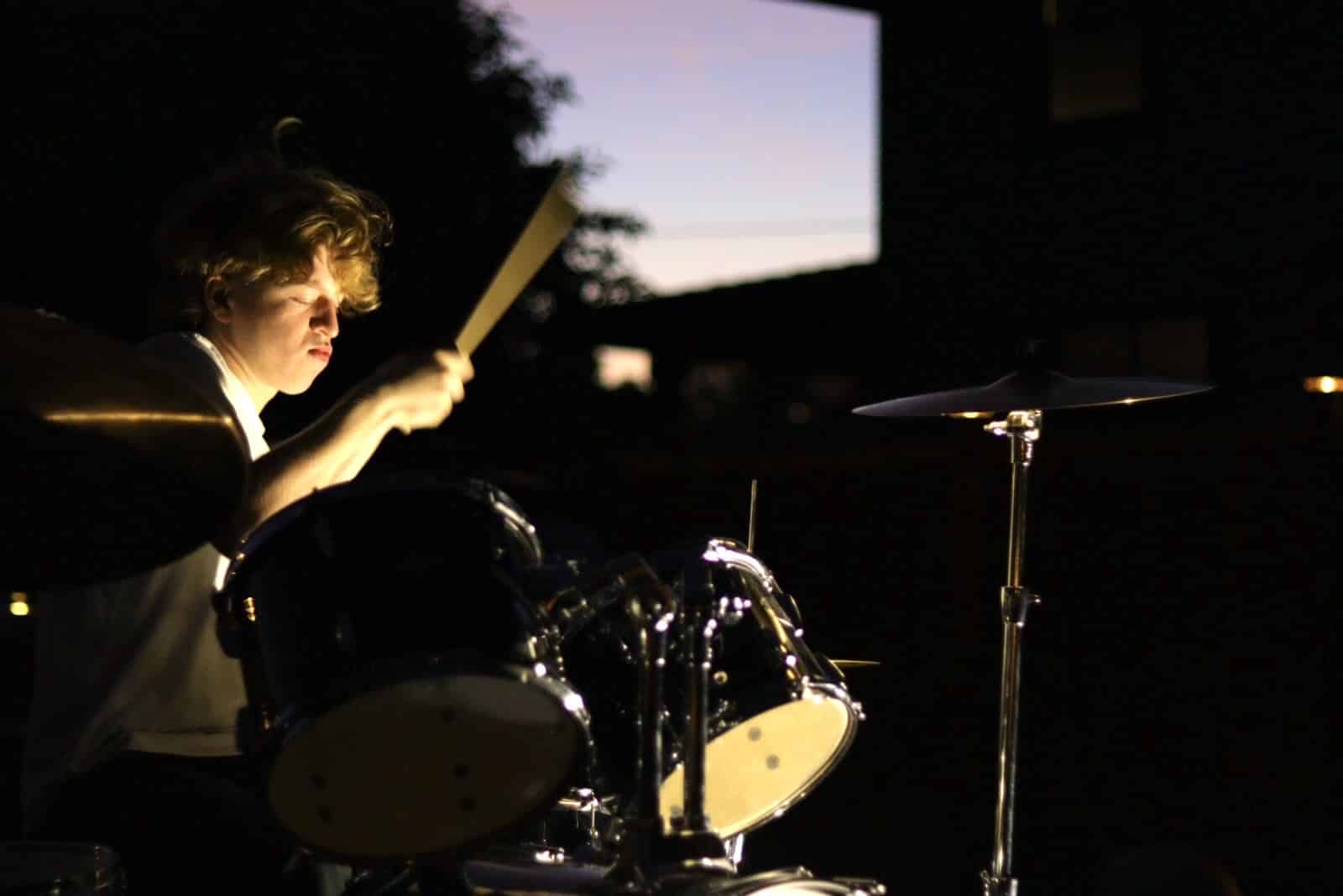
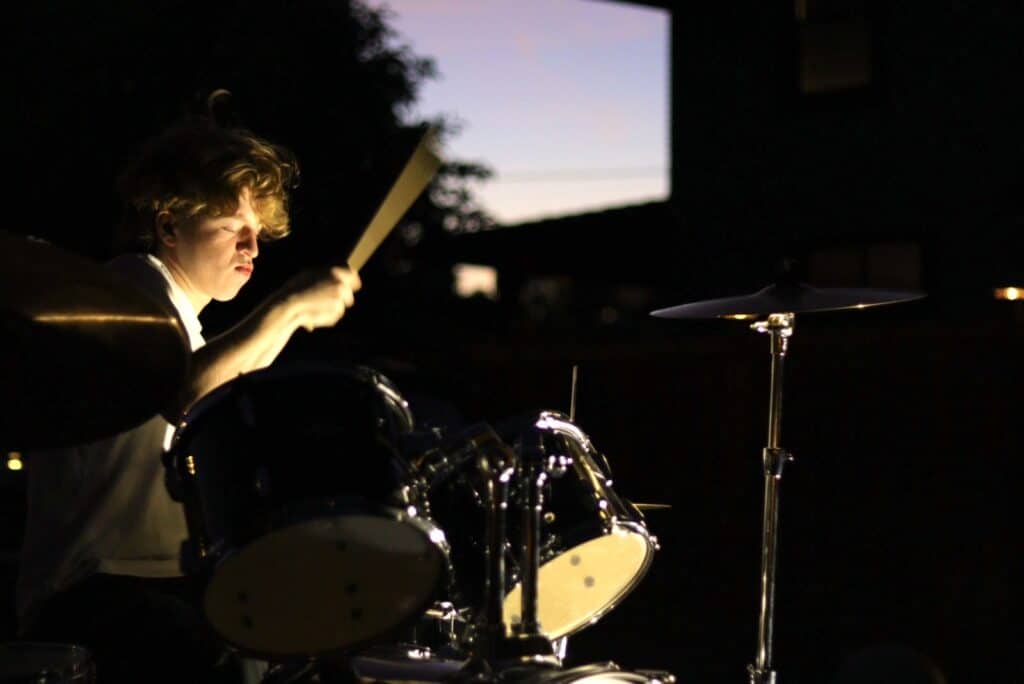
- High School: Shift in focus toward the performing arts, specifically improv comedy and stage acting, including securing lead roles. Concurrent development of self-taught musical skills, including drumming and guitar.
- June 2024: Graduation from Renton High School and subsequent relocation to Los Angeles to pursue a professional career in the arts.
The shift toward the performing arts is particularly notable. For many individuals with hearing loss, the stage presents unique challenges, particularly regarding timing, spatial awareness, and auditory feedback. Wendorf’s ability to master both percussion—an instrument inherently tied to vibration and rhythm—and acting—a craft reliant on nuance and verbal communication—highlights the success of his early training in auditory-verbal development.
The Role of Advocacy and Institutional Support
The success of Wendorf’s transition to adulthood is attributed in part to the advocacy skills he developed during his time at Listen and Talk. The program’s model emphasizes self-advocacy, teaching students how to communicate their needs in environments where hearing loss may not be understood or accommodated.
Reflecting on his experiences, Wendorf noted, “Listen and Talk showed me that in a world where it feels like there aren’t many people like me, I am not alone.” This psychological fortification is as vital as the clinical intervention. The isolation often felt by those with rare genetic conditions or hearing loss can be a significant barrier to achievement. By connecting with mentors—such as Listen and Talk founder Star Leonard-Fleckman—and peers, Wendorf gained the confidence to navigate the competitive landscape of the Los Angeles entertainment industry.
Broader Implications: The Future of Auditory Education
The story of Kai Wendorf carries broader implications for the field of pediatric audiology and education. His trajectory underscores a shift in how society views "success" for those with hearing loss. Historically, educational programs focused heavily on basic speech proficiency. Modern approaches, as evidenced by the Listen and Talk model, prioritize the integration of the individual into the broader community, emphasizing personal passions and career aspirations over mere clinical milestones.
Furthermore, the integration of genetic diagnostics—such as identifying GATA3 mutations—into the standard of care for children with hearing loss is becoming increasingly important. As medical science advances, the ability to identify the underlying causes of hearing loss allows for more proactive monitoring of systemic issues, such as the renal and parathyroid health associated with Barakat Syndrome.
Philanthropy and the Alumni Giving Campaign
To ensure that future generations of children with hearing loss receive the same level of comprehensive support, organizations like Listen and Talk are currently prioritizing their Alumni Family Giving Campaigns. These initiatives are not merely fundraising efforts; they are reflections of a cycle of support. By fostering a community where alumni return to contribute, the organization ensures the sustainability of its mission: that no child should be limited by hearing loss.
The financial and operational demands of such programs are significant. They require specialized educators, high-tech audiological equipment, and a curriculum that evolves with the changing technological landscape of hearing aids and cochlear implants. The success of alumni like Wendorf serves as a key performance indicator for these institutions, demonstrating that with the right combination of early medical intervention, family support, and individual determination, the barriers historically associated with hearing loss can be systematically dismantled.
As Wendorf continues to pursue his career in the arts, his journey remains an evolving narrative of resilience. His life serves as an informative case study for families currently navigating the early stages of a child’s hearing loss diagnosis. By moving from a patient to an active participant in his own development, Wendorf has proven that the limitations of a diagnosis are often secondary to the capacity of the individual to create their own opportunities. The objective evidence provided by his educational and personal accomplishments highlights the critical necessity of sustained support for children with hearing loss, reinforcing the importance of the work being done in classrooms and clinics across the country.