A Paradigm Shift: Redefining Possibilities with Cochlear Implants
The advent and ongoing development of cochlear implant technology have significantly broadened the horizons for individuals with severe to profound hearing loss. Once perceived as a device that might restrict participation in life’s more dynamic aspects, cochlear implants are now recognized for their capacity to enable a rich and active lifestyle. The key lies in a comprehensive understanding of the technology’s capabilities and limitations, coupled with proactive engagement with healthcare professionals and manufacturers for guidance.
The Evolving Landscape of Hearing Rehabilitation
The journey of cochlear implant technology has been marked by continuous innovation, moving from early, less sophisticated devices to the highly advanced systems available today. The initial focus was on restoring basic sound awareness, but advancements have progressively enhanced speech understanding, sound localization, and the ability to appreciate nuances like music. This evolution is crucial for understanding why activities once deemed impossible are now well within reach for implant recipients.
Embracing the Auditory World: Surprising Activities Made Possible
The Resurgence of Musical Appreciation:
A frequent concern for prospective cochlear implant users is the ability to enjoy music. The good news is that with a cochlear implant, enjoying music is not only possible but can be a deeply rewarding experience. While the initial perception of music may differ from pre-implant experiences, and individual journeys vary, a significant number of cochlear implant recipients actively engage with music. This includes attending concerts, singing, and even playing musical instruments.
The brain’s capacity to adapt and learn is fundamental to this process. Music appreciation, much like other auditory skills, can flourish over time with consistent exposure and practice. For those rediscovering music, starting with familiar tunes or pieces with simpler instrumentation can aid the brain in interpreting the new auditory signals. This gradual acclimatization is a vital part of the rehabilitation process.
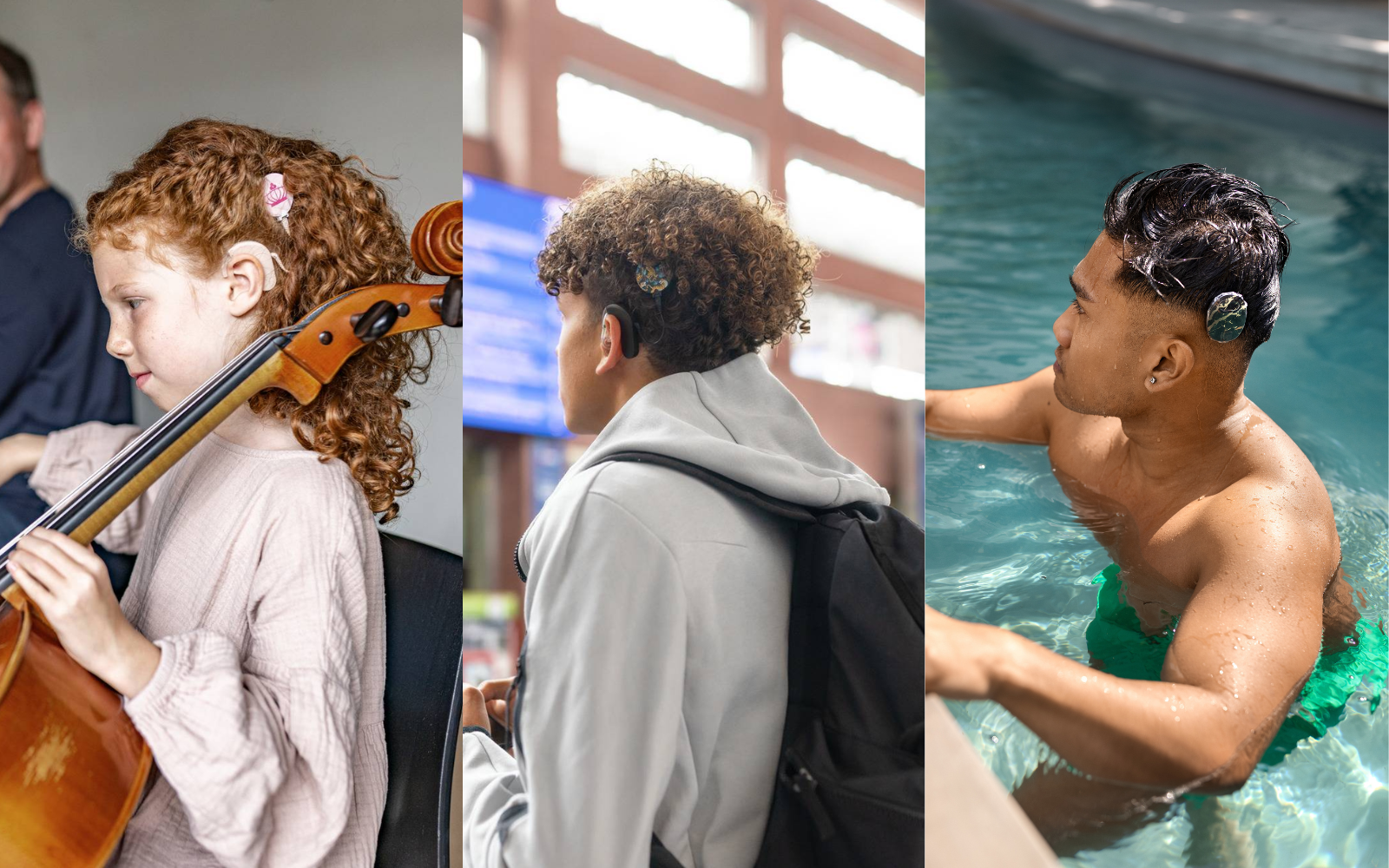
Technological integration plays a crucial role in enhancing the musical experience. Modern audio processors, such as the MED-EL SONNET 3, offer direct streaming capabilities, allowing music to be transmitted wirelessly from smartphones and tablets directly to the audio processor. This facilitates high-quality stereo sound, bypassing potential interference and optimizing the listening experience. For users of devices like the RONDO 3, accessories like the AudioStream Adapter provide similar streaming functionality. The more individuals engage with music through their cochlear implants, the more opportunities their brains have to develop the neural pathways necessary for recognition and enjoyment.
Global Exploration: Travel with Confidence:
The prospect of international travel often raises questions about navigating airports and different environments. Cochlear implants are inherently travel-friendly, making both short domestic flights and extensive international journeys feasible.
Airport security procedures are generally safe for cochlear implant users. It is advisable to inform security personnel about the presence of a medical device and to carry an implant identification card, which can streamline the screening process. Planning ahead can significantly enhance the travel experience. Keeping essential cochlear implant equipment, including spare batteries and cleaning supplies, in carry-on luggage is recommended. Additionally, understanding specific travel guidelines, such as those provided by MED-EL for flying with cochlear implants, can alleviate potential concerns.
Aquatic Adventures: Swimming and Hearing in Water:
One of the most surprising revelations for many is the ability to swim with a cochlear implant. The internal component of the implant is safely situated beneath the skin, making it impervious to water. The external audio processor can be rendered waterproof through specialized accessories like MED-EL’s WaterWear.
This waterproof capability opens up a world of aquatic activities, including swimming, snorkeling, and participating in water sports. To ensure the audio processor remains securely in place during water activities, various fixation options are available, such as headbands, swim caps, or attachment clips, depending on the intensity of the activity.
Maintaining an Active Lifestyle: Sports and Recreation:
Cochlear implants do not necessitate a sedentary lifestyle. Activities ranging from running, hiking, and cycling to dancing, yoga, and skiing are well within reach for most users. Many individuals with cochlear implants actively participate in recreational sports, and some even achieve elite levels of competition.

The primary considerations for engaging in physical activity involve protecting the implant site and ensuring the external audio processor remains secure. For dynamic sports like running or dancing, fixation accessories can prevent the processor from dislodging. When wearing helmets for activities such as cycling, skiing, or horse riding, it is crucial to ensure a proper fit that does not exert pressure on the implant or processor.
For contact sports or activities with a higher risk of head impact, consultation with a hearing care professional is essential to discuss appropriate protective measures and whether the audio processor should be removed.
Amusement Park Thrills: Riding Roller Coasters:
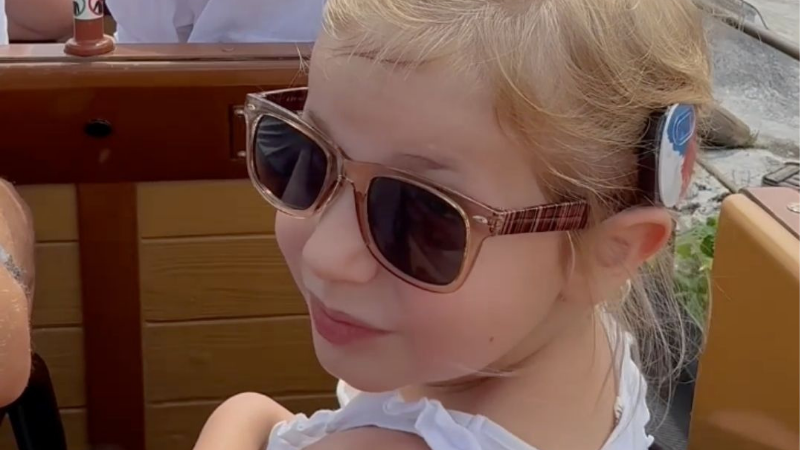
The joy of amusement parks, including thrilling rides like roller coasters, is generally accessible to cochlear implant users. The main precaution is ensuring the audio processor is securely attached to prevent it from falling off during intense movements. For high-speed or high-impact attractions, following the specific guidance for one’s cochlear implant system and the ride operator’s safety instructions is paramount. In cases of uncertainty, contacting a local MED-EL team for clarification before visiting the park is a prudent step.
Medical Procedures: MRI Scans and Dental Care:
The ability to undergo medical procedures with a cochlear implant has evolved significantly.
Magnetic Resonance Imaging (MRI) Scans: It is possible to have an MRI scan with a cochlear implant, though the specific implant model is a critical factor. Modern MED-EL cochlear implants, manufactured since 1994, are considered "MR conditional." This means MRI scans can be performed safely when specific conditions for the particular implant model are met. For recipients with a SYNCHRONY series implant, MRI scans at both 1.5 Tesla and 3.0 Tesla can often be conducted without the need for magnet removal, thus avoiding additional surgery and temporary hearing interruption. As with any medical procedure, informing healthcare providers about the presence of a cochlear implant is essential for proper protocol.
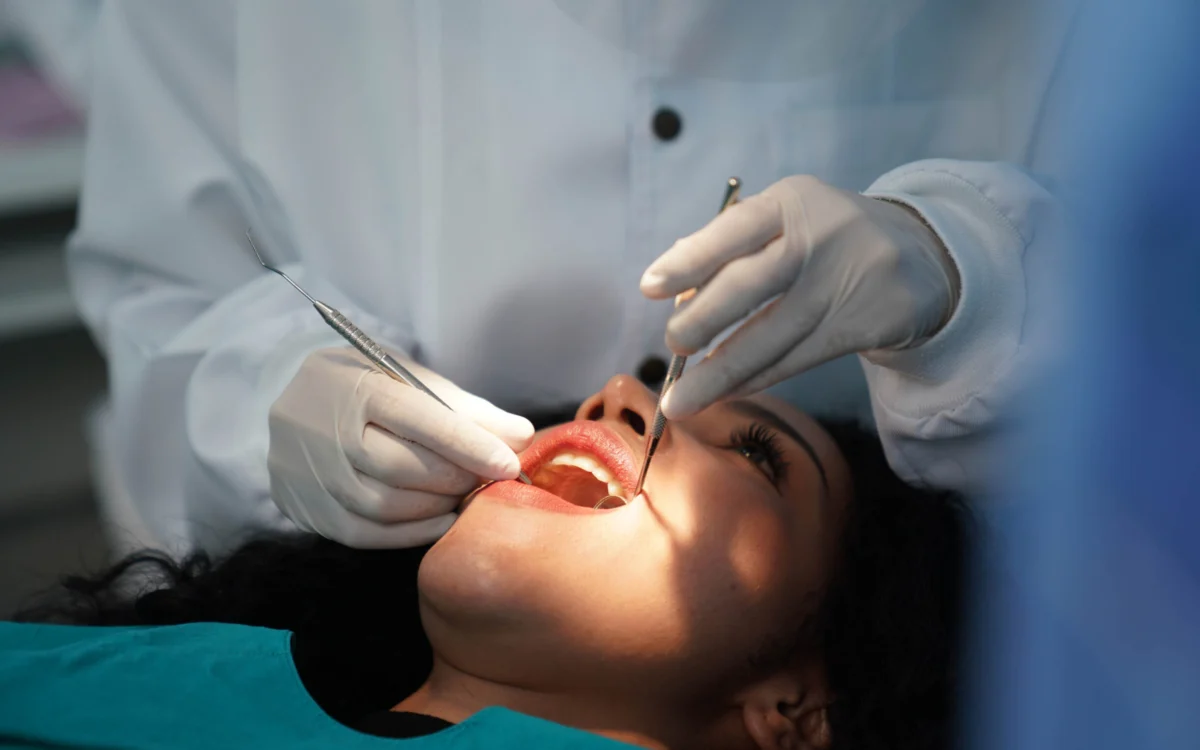
Dental Procedures: Routine dental care is generally permissible for individuals with cochlear implants. However, certain dental equipment and procedures may necessitate specific precautions. It is crucial to inform the dentist about the cochlear implant before any treatment. Procedures involving strong energy or vibrations might require adherence to specific safety instructions to protect the implant. A comprehensive guide on medical procedures with cochlear implants is available to outline possible and avoidable treatments.

Cosmetic Procedures: Tattoos and Laser Treatments:
Cochlear implant recipients can still opt for tattoos, provided the application is not performed near the implant site. Similarly, laser tattoo removal requires caution, and should not be undertaken in close proximity to the implanted area due to the potential for heat generation. As with any cosmetic procedure, informing the artist or technician about the cochlear implant is a necessary step. Guidance on cosmetic procedures with cochlear implants can help individuals make informed decisions.
Kitchen Innovations: Cooking with Modern Appliances:
The use of modern kitchen appliances, such as induction cooktops, is also possible. When an induction cooking zone is active, it is recommended to maintain a distance of 5-10 cm (2-4 inches) between the audio processor and the cooktop. During normal cooking, the presence of pots and pans typically helps maintain this distance. If closer proximity is required, such as during cleaning, the cooking zone should be switched off first. Adhering to the user manual for the CI’s external components is always advised, as recommendations can vary based on specific equipment.
Situations Requiring Enhanced Vigilance
While a vast array of daily activities are safe and accessible, certain environments and situations warrant increased caution.
Playground Dynamics and Static Electricity:
A less commonly anticipated issue is the potential for static electricity generated by plastic playground equipment. Static discharge can cause the audio processor to momentarily cease functioning or reset. While generally not dangerous, this can lead to temporary hearing interruption and discomfort. Simple measures to mitigate this risk include touching a metal object before interacting with plastic surfaces, ensuring the audio processor is securely attached, and using anti-static sprays on clothing. Consulting the user guide for further recommendations is also beneficial.
Saunas and Steam Rooms:
While the internal cochlear implant remains unaffected by high temperatures and humidity, the external audio processor requires protection. To prevent damage, the audio processor should be removed before entering saunas with temperatures exceeding 50 degrees Celsius (122 degrees Fahrenheit).
Intense Magnetic and Electromagnetic Fields:
While everyday magnets and electronics pose no threat, exposure to particularly strong magnetic or electromagnetic fields requires careful consideration. Industrial equipment, high-voltage machinery, and certain specialized medical environments may necessitate precautions. In such instances, consulting the specific cochlear implant system’s instructions and seeking advice from a local MED-EL team is crucial.
Cultivating Confidence Through Knowledge
The overarching narrative of living with a cochlear implant is one of regained normalcy and expanded possibilities. Individuals can and do travel extensively, pursue fulfilling careers, maintain active lifestyles, and engage in cherished hobbies and social activities. The key to maximizing these experiences lies in informed decision-making.
Understanding the few situations that require extra care empowers individuals to approach them with confidence rather than apprehension. This knowledge transforms potential limitations into manageable considerations.
For any lingering questions or specific concerns regarding an activity or medical procedure, consulting with a hearing care professional or the MED-EL team provides personalized guidance tailored to an individual’s specific implant system. This collaborative approach ensures that individuals can focus less on restrictions and more on fully embracing and enjoying life. The ultimate goal of cochlear implant technology is to facilitate a life rich in sound, connection, and experience, free from unnecessary limitations.
Resources for Ongoing Support
MED-EL offers a comprehensive suite of resources to support cochlear implant recipients. Their website provides detailed information on product specifications, accessories, and troubleshooting. Furthermore, the "Contact Us" section offers a direct link to local MED-EL teams, ensuring that personalized support and expert advice are readily accessible for any queries related to medical procedures, activity guidelines, or device usage. This commitment to ongoing support underscores the company’s dedication to empowering users to live their lives to the fullest.