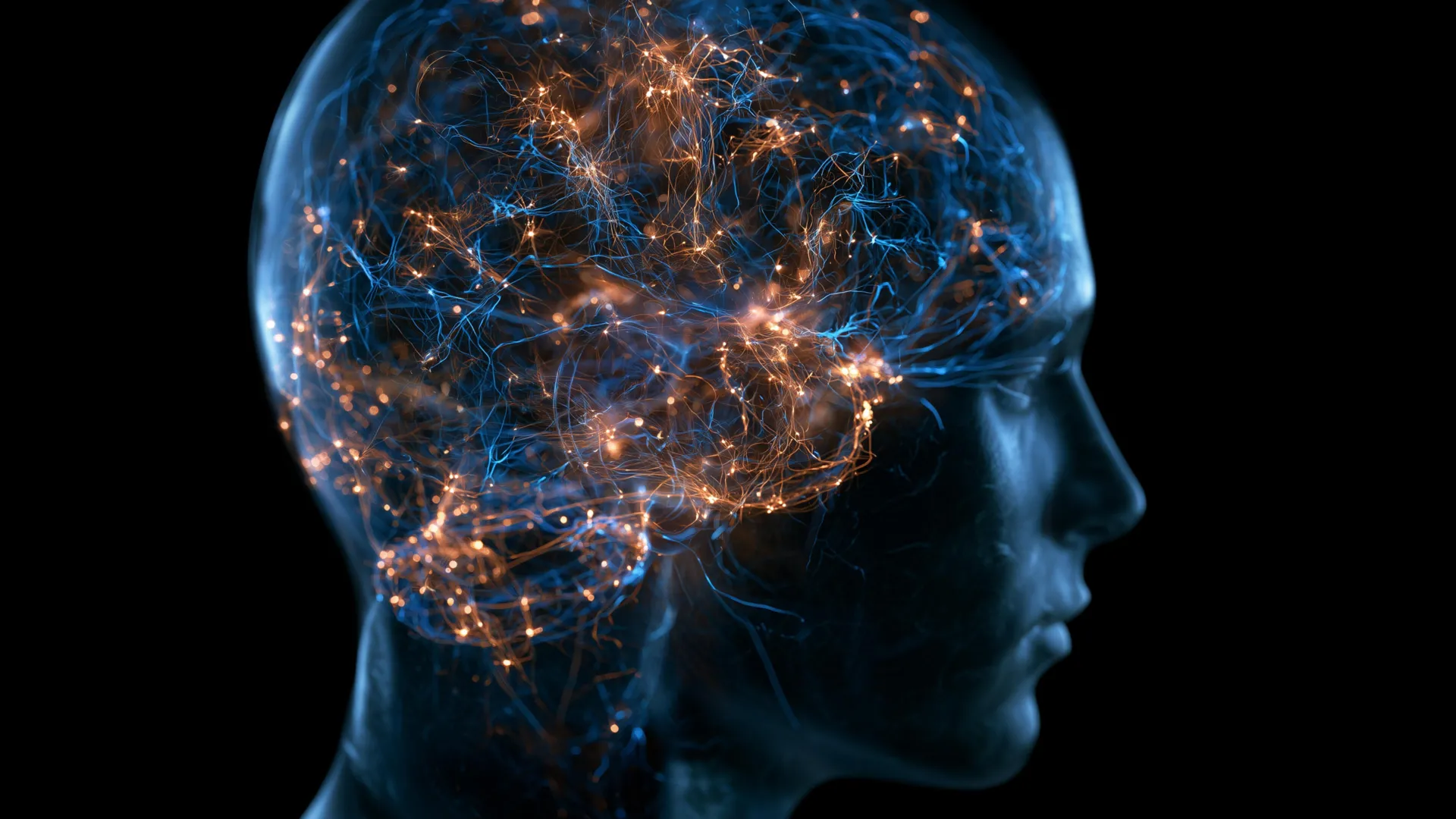
The research team, led by senior author Yu Zhang, PhD, an assistant professor of psychiatry and behavioral sciences, developed a sophisticated scoring system based on functional MRI (fMRI) data. This system, known as the Alzheimer’s resilience-vulnerability connectome (ARC) score, evaluates how different parts of the brain communicate while a person is at rest. By analyzing these patterns, the researchers were able to distinguish between brains that are on a trajectory toward Alzheimer’s and those that exhibit extraordinary resistance to cognitive decline.
A New Diagnostic Paradigm: Beyond Amyloid and Tau
For decades, the search for Alzheimer’s biomarkers has centered on the accumulation of amyloid-beta plaques and tau tangles. While these proteins are definitive hallmarks of the disease, they often appear relatively late in the progression of the condition. By the time these biomarkers are detectable via traditional PET scans or spinal taps, significant neurological damage may have already occurred.
"We want to address a major challenge in the Alzheimer’s field nowadays—most studies are looking at well-known Alzheimer’s disease biomarkers, such as amyloid-beta or tau. But those are observable at relatively late stages of the disease," Dr. Zhang explained. "What we really care about is defining early markers that can detect earlier signs of cognitive decline and potentially help us deliver timely interventions to people."
The Stanford study suggests that the "functional connectome"—the map of how brain regions interact—changes long before physical proteins aggregate. By identifying these early shifts in communication, clinicians may eventually be able to intervene during a window of opportunity when the brain is still largely healthy and functional.
Methodology: Comparing the Extremes of Cognitive Aging
The research team began their investigation by examining two distinct groups at opposite ends of the cognitive spectrum: adults aged 75 and older diagnosed with Alzheimer’s disease, and "super agers." In this study, super agers were defined as individuals at least 75 years old who performed on memory tests at a level comparable to a 45-year-old, while maintaining executive functions appropriate for their actual age.
Previous studies often compared super agers to "normal" older adults. However, Dr. Zhang noted that the "normal" population is biologically diverse; some may have high levels of amyloid without symptoms, while others may be on the cusp of decline. By comparing super agers directly against Alzheimer’s patients, the team could more clearly isolate the specific brain activity patterns that define resilience versus vulnerability.
Using resting-state fMRI scans from 180 super agers and 110 Alzheimer’s patients—sourced from major initiatives like the Harvard Aging Brain Study and the Alzheimer’s Disease Neuroimaging Initiative—the team identified a "signature" of activity. This signature involved specific regions showing either heightened or reduced activity, which collectively formed the ARC score. The ARC score was found to distinguish between the two groups with approximately 85% accuracy.
Longitudinal Data: Predicting the Future of the Aging Brain
To test the predictive power of the ARC score, the researchers applied it to a larger, more general population: 1,300 cognitively healthy adults between the ages of 55 and 70. At the start of the observation period, these participants showed no significant differences in cognitive performance, regardless of their ARC scores.
However, as the researchers tracked these individuals over follow-up periods ranging from five to 12 years, the ARC score proved to be a powerful prognostic tool. Participants whose baseline brain activity more closely mirrored that of Alzheimer’s patients (high ARC scores) experienced more rapid declines in memory, attention, and executive function. Furthermore, these individuals were significantly more likely to develop amyloid-beta plaques and receive a formal Alzheimer’s diagnosis during the follow-up period.
Conversely, those with "super-ager-like" brain patterns (low ARC scores) maintained their cognitive health and were far less likely to show biological signs of the disease. Lead author Kanhao (Alex) Zhao, PhD, a postdoctoral scholar at Stanford, emphasized that the ARC score outperformed several established risk indicators, including genetic factors like the APOE-ε4 allele and even early-stage amyloid and tau biomarkers.
The Science of the Connectome and Brain Resilience
The concept of the "functional connectome" is central to this research. It refers to the synchronized activity of various brain networks. In a healthy or resilient brain, these networks communicate with a specific rhythm and efficiency. In a brain vulnerable to Alzheimer’s, these communication channels begin to break down or become "noisy" long before the physical structure of the neurons is destroyed.
The ARC score effectively measures the "health" of these conversations. One of the most significant findings is that these patterns are not necessarily static. While a person’s genetic makeup is fixed, their brain’s functional connectivity can be influenced by external factors. This malleability is what has the scientific community most excited. If a patient is identified as having a "vulnerable" connectome, there is a theoretical possibility of "training" the brain to adopt a more resilient pattern.
Potential Interventions: From Magnetic Stimulation to Cognitive Training
The discovery of the ARC score provides a target for future therapies. Dr. Zhang envisions a future where clinicians use the ARC score to identify at-risk individuals and then apply targeted interventions to shift their brain activity toward a super-ager pattern.
Two primary methods are currently under consideration:
- Transcranial Magnetic Stimulation (TMS): This non-invasive procedure uses magnetic pulses to stimulate specific brain regions. TMS is already FDA-approved for treating depression by altering brain activity patterns. Researchers hope to apply similar logic to Alzheimer’s, targeting the specific networks identified in the ARC score to boost cognitive resilience.
- Cognitive Training: Targeted mental exercises designed to strengthen specific neural pathways. The Stanford team is already preparing a clinical trial to measure whether intensive cognitive training can measurably improve a person’s ARC score.
"The critical part is that we have to intervene at an early stage," Zhang said. "If we can precisely identify such an early indicator, I’m optimistic that we can reverse or prevent this process through advanced intervention technologies."
Socioeconomic Context and Global Implications
The implications of this research extend far beyond the laboratory. According to the World Health Organization, more than 55 million people worldwide are currently living with dementia, a figure expected to rise to 139 million by 2050. Alzheimer’s disease is the most common form of dementia, accounting for 60-70% of cases.
The economic burden is equally staggering. In the United States alone, the cost of caring for people with Alzheimer’s and other dementias is estimated at over $300 billion annually. Early detection via tools like the ARC score could significantly reduce these costs by delaying the onset of severe symptoms, allowing individuals to remain independent and productive for longer periods.
Furthermore, the study highlights the importance of studying "super agers" not just as a biological curiosity, but as a model for healthy aging. Understanding why some brains are naturally resistant to the ravages of time could lead to lifestyle recommendations or pharmacological treatments that mimic these natural defenses.
Collaborative Effort and Future Directions
The study was a massive collaborative effort, involving researchers from Children’s National Hospital, the University of Texas at Austin, Lehigh University, Penn State College of Medicine, New York University Grossman School of Medicine, and the University of California, Los Angeles. Funding was provided by several grants from the National Institutes of Health, the Alzheimer’s Association, and the Rosenkranz Foundation.
While the results are promising, the researchers maintain a cautious stance. They emphasize that the ARC score is currently a research tool, not a clinical diagnostic test. Brain activity can be influenced by many factors, including sleep, stress, and other neurological conditions. Additionally, it remains to be proven whether changing a person’s brain activity pattern will definitively prevent the physical progression of Alzheimer’s disease.
However, by providing a way to see the "invisible" changes in the brain years before they manifest as disease, Stanford Medicine has opened a new front in the battle against Alzheimer’s. The focus now shifts to the next phase of research: determining if the brain’s destiny can be rewritten through early, targeted intervention. As the global population ages, the search for these answers becomes not just a scientific endeavor, but a societal necessity.