The gravity of the OSHA findings is underscored by the sheer volume of citations issued. Following inspections that began on April 10, 2026, investigators uncovered a trifecta of willful, repeat, and serious violations that suggest a systemic disregard for federal workplace safety standards. The core of the agency’s case rests on the exposure of workers to hazardous substances, specifically 1,3,5-triglycidyl isocyanurate and high concentrations of airborne dust, both of which are common byproducts of the industrial powder coating process.
A History of Non-Compliance
The current enforcement action is not an isolated incident but rather the latest chapter in a long-standing conflict between the employer and federal safety inspectors. OSHA records indicate that the agency has been monitoring the facility’s operations since 2013. Despite multiple interventions, formal citations, and a December 2024 settlement agreement designed to bring the company into compliance, inspectors found that management had failed to take meaningful steps to correct recurring hazards.

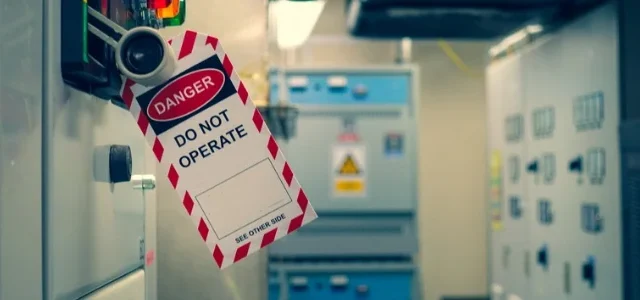
The repeat nature of the violations—totaling 18 separate counts—is particularly damning. These infractions include failures related to the maintenance of spray booths, the management of compressed air systems, the inadequacy of respiratory protection programs, excessive noise exposure, and pervasive electrical hazards. Under the Occupational Safety and Health Act, a "repeat" violation is defined as a case where an employer has been previously cited for the same or a substantially similar condition. The recurrence of these issues after a signed settlement agreement indicates a failure of the company’s internal safety management systems and a lack of commitment to protecting the workforce.
The Dangers of Powder Coating Environments
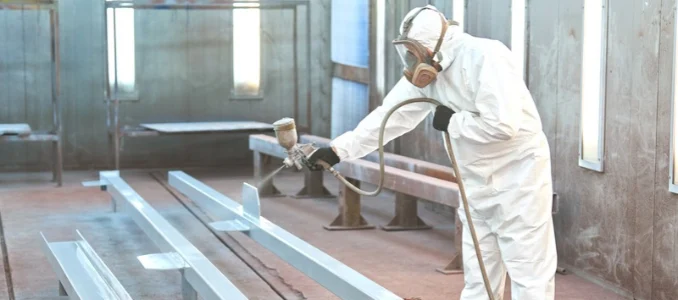
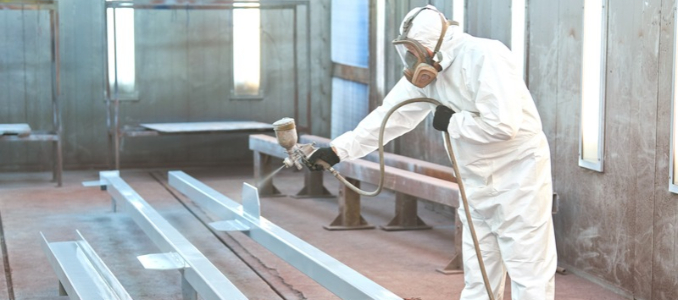
To understand the severity of the proposed penalties, one must examine the inherent risks associated with powder coating. The process involves applying a dry powder—typically composed of resins, pigments, and additives—to a metal surface, which is then cured in an oven to create a hard, durable finish.

The substance 1,3,5-triglycidyl isocyanurate, often referred to as TGIC, is a common curing agent in powder coatings. It is a known skin and respiratory sensitizer. Chronic exposure can lead to severe allergic reactions, dermatitis, and long-term respiratory distress. When dust levels in the facility exceed permissible exposure limits (PELs), as alleged by OSHA, the risk of systemic health issues for workers increases exponentially. The presence of these substances, coupled with inadequate respiratory protection—a violation noted in both the "serious" and "repeat" categories—suggests that workers were left vulnerable to chemical inhalation and dermal contact without the necessary safeguards required by law.
Furthermore, the "serious" violations identified by OSHA paint a picture of a hazardous shop floor. The 18 serious violations cited cover a broad spectrum of workplace dangers:

- Forklift Operations: Failure to ensure operators were adequately trained or that equipment was properly maintained, creating a high risk of collisions or crushing injuries.
- Electrical Safety: Improper wiring and exposed components, which pose immediate fire and electrocution risks in an environment already laden with combustible dust.
- Personal Protective Equipment (PPE): The failure to provide, mandate, or train employees on the use of correct PPE, effectively leaving them exposed to chemical and mechanical hazards.
- Hazard Communication: A failure to maintain current Safety Data Sheets (SDS) and provide employees with the necessary information regarding the chemicals they handle daily.
The Regulatory Framework and Next Steps
The proposed penalty of $1.64 million serves as a clear signal from the Department of Labor regarding its stance on chronic non-compliance. Under federal law, OSHA penalties are calculated based on the gravity of the violation, the size of the business, the good faith of the employer, and the history of previous violations. The assessment of "willful" violations suggests that OSHA believes the company acted with intentional disregard for the requirements of the OSH Act or with plain indifference to employee safety.
Following the receipt of these formal citations, Allied Powder Coating is entering a critical window of legal and administrative activity. The employer has 15 business days to respond to the agency. During this period, the company has three primary avenues:

- Compliance: The company may choose to pay the fines and submit an abatement plan detailing how it will correct the hazards.
- Informal Conference: The company may request a meeting with the OSHA Area Director to discuss the citations, negotiate the terms of the penalty, or present evidence that could lead to a reduction in the charges.
- Contestment: The company may formally contest the findings, which would shift the case to the independent Occupational Safety and Health Review Commission (OSHRC). In this forum, the company would argue its case before an administrative law judge, potentially leading to a prolonged legal battle.
Given the history of the facility, legal analysts suggest that the company’s response will be closely watched by labor advocates and industrial safety experts. A refusal to accept the findings or a continued pattern of litigation without remediation could lead to even more severe federal oversight, including the potential for the facility to be placed under a heightened enforcement program.
Broader Industry Implications
The case of Allied Powder Coating highlights a growing concern within the industrial manufacturing sector regarding the long-term health consequences of modern coating processes. As environmental and safety regulations tighten, the burden on small to mid-sized enterprises (SMEs) to modernize their safety infrastructure has grown.

Industry experts note that small businesses often struggle with the cost of ventilation systems, high-quality respiratory protection, and the administrative overhead of maintaining a robust Hazard Communication program. However, federal law remains absolute: the cost of compliance cannot be weighed against the physical well-being of the workforce. When companies prioritize production output over the health of their employees, the resulting OSHA interventions serve as a necessary, albeit late, corrective measure.
Furthermore, this case underscores the importance of the 2024 settlement agreement. When a company enters into such an agreement, it is essentially promising the federal government that it has identified its shortcomings and is taking active, verifiable steps to change its culture. The failure to honor that promise is seen by labor advocates as a betrayal of the workforce and a waste of public resources.

Conclusion: The Human Cost of Safety Violations
While the financial figure of $1.6 million is significant, the true cost of these violations is measured in the health and security of the workers at the Texas facility. The combination of willful chemical exposure, improper training, and neglected maintenance creates a workplace environment where accidents are not just a possibility, but a statistical likelihood.
As the 15-day window for the company to act closes, the eyes of the safety community remain on the outcome of this case. Whether Allied Powder Coating chooses to pivot toward a culture of transparency and safety or continues to resist federal oversight will determine not only the future of the company but, more importantly, the safety of the individuals who report to work there every day. OSHA’s aggressive stance in this matter serves as a stark reminder to all employers: the era of "ignoring" safety standards, particularly for repeat offenders, is effectively over. The agency’s commitment to enforcement is designed to ensure that no worker is forced to trade their health for a paycheck, regardless of the industry or the size of the firm.