The Evolution of Core Vocabulary Instruction
The initiative to curate monthly resources began as a response to the logistical challenges faced by therapists and teachers who often struggled to find time to create individualized materials. The "Year of Core Vocabulary Words" series was designed to provide a systematic, repeatable curriculum. This project evolved through several phases:
- Initial Development (2010s): The launch of the first set of core word lists established a foundation for monthly focus areas, providing a scaffold for early learners.
- Expansion (2015-2019): A second series was introduced to offer a fresh set of vocabulary, expanding the repertoire of core words available for instruction and increasing the complexity of materials.
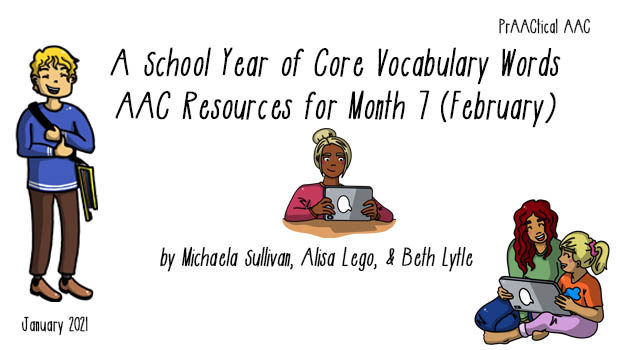
- Institutional Integration (2020): The "School Year of Core Vocabulary Words" was introduced to specifically align with classroom environments, featuring contributions from experts such as Michaela Sullivan, Alisa Lego, and Beth Lytle.
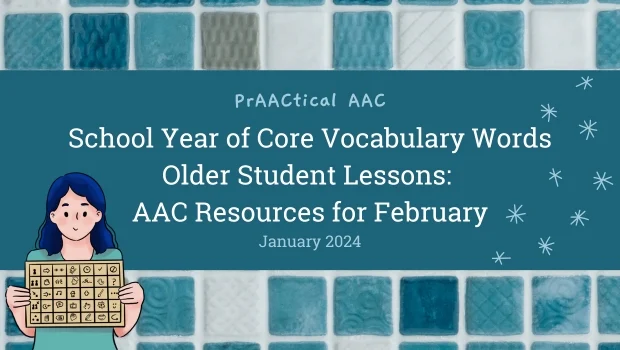
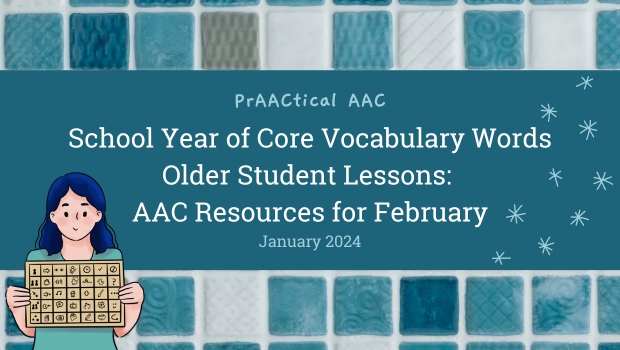
- Specialized Curricula (2023-2024): Recognizing that older students require age-appropriate materials, the project expanded to include lessons tailored for middle and high school students, spearheaded by Michaela Sullivan and Lindsay Dougherty.
Chronology and Collaborative Growth
The history of these resources is marked by deep collaboration within the AAC community. The project did not arise from a single source but rather grew through the contributions of practitioners who recognized the need for shared, accessible tools. Rachael Langley, a noted speech-language pathologist and co-founder of Talking AAC, played a pivotal role in the early development of activity calendars, which remain a staple for educators looking to integrate communication goals into daily classroom routines.

By 2020, the shift toward a more formalized, school-based curriculum allowed for a greater degree of pedagogical rigor. This transition was marked by the inclusion of tiered supports, enabling practitioners to adapt the core word focus to the specific developmental level of the student. The 2023-2024 expansion into older student resources addressed a critical gap in the market, where many AAC materials were previously skewed toward early childhood, often failing to resonate with the interests and social needs of adolescent learners.
Supporting Data and Pedagogical Impact
The efficacy of core vocabulary instruction is supported by decades of clinical research. Data from longitudinal studies suggests that when AAC users are consistently exposed to core words in varied, meaningful contexts, their mean length of utterance (MLU) and frequency of communicative initiations increase significantly.
In a typical classroom setting, the implementation of a structured monthly program allows for "aided language stimulation"—a process where communication partners model the use of AAC devices during natural interactions. Studies have indicated that when facilitators have access to pre-planned monthly themes, the frequency and quality of modeling increase. By providing teachers with calendars, activity ideas, and visual supports, the "Year of Core Vocabulary" resources lower the barrier to entry for effective implementation.
For many educators, the primary obstacle to high-quality AAC support is time. By standardizing the vocabulary focus, practitioners can dedicate more cognitive bandwidth to personalizing the interactions and troubleshooting technical challenges, rather than spending hours on lesson plan design.
Institutional Perspectives and Professional Feedback
The professional consensus surrounding these resources highlights their utility in multidisciplinary settings. Speech-language pathologists (SLPs) have noted that the structured nature of the monthly series helps in fostering a "communication-rich" environment that extends beyond the therapy room.
"When we provide a consistent, school-wide focus on core words, we see a shift in the culture of the classroom," notes one anonymous contributor familiar with the program’s development. "It ceases to be a ‘therapy goal’ and becomes a ‘communication language’ shared by the entire school community."
The collaborative nature of the project also serves as a model for professional development. By involving guest authors and contributors, the series captures a breadth of clinical experience, ensuring that the materials remain grounded in the reality of diverse classroom environments—ranging from inclusive general education settings to specialized programs for students with significant disabilities.
Implications for the Future of AAC
As we move further into 2026, the implications of these resources are significant. The continued availability of these materials serves as a digital archive of best practices in the field of assistive technology. As digital tools become more sophisticated, the core principle—that communication is a fundamental human right that requires dedicated, intentional practice—remains unchanged.
The long-term impact of such a repository is the democratization of AAC intervention. By making high-quality, expert-developed resources freely available, the project mitigates the disparity between well-funded, large-scale districts and those with fewer resources. A teacher in a remote rural district now has access to the same evidence-based curriculum as a specialist in a major metropolitan university hospital.
Furthermore, the focus on "Older Student Lessons" signals a maturing of the field. As more AAC users transition into adulthood, the need for communication strategies that support vocational, social, and self-advocacy goals becomes paramount. The 2023-2024 materials represent a critical step toward ensuring that individuals who use AAC have the tools to navigate life stages beyond the classroom.
Implementing February’s Resources
For those looking to engage with the February curriculum, the current repository offers a three-tiered approach:
- Foundational Sets: These resources are designed for early learners and those new to AAC, focusing on high-frequency, high-impact words. These are the most versatile for daily use.
- School-Year Integration: Designed by Sullivan, Lego, and Lytle, these modules are aligned with typical school-year rhythms, making them ideal for classroom teachers looking to embed AAC into their existing curriculum.
- Advanced/Older Student Modules: These are specifically curated for students who have moved past early-level linguistic goals and require support for more complex social interaction and academic discourse.
Conclusion
The "Year of Core Vocabulary" initiative serves as a cornerstone of modern AAC pedagogy. By prioritizing consistency, accessibility, and collaboration, it provides a scalable solution to one of the most persistent challenges in special education. As practitioners begin the month of February, the availability of these refreshed resources provides an opportunity to reflect on instructional practices and to renew the focus on empowering students through the power of language.
The success of these programs is not found merely in the digital files themselves, but in the millions of communicative exchanges they facilitate between students, teachers, and families every day. As the field continues to progress, the commitment to these foundational core words ensures that the focus remains exactly where it should be: on the user’s ability to communicate, connect, and participate in the world around them. Whether utilized in a preschool classroom or a high school seminar, the core vocabulary remains the most potent tool in the AAC practitioner’s kit, bridging the gap between potential and expression.