The Scope of Regulatory Revision
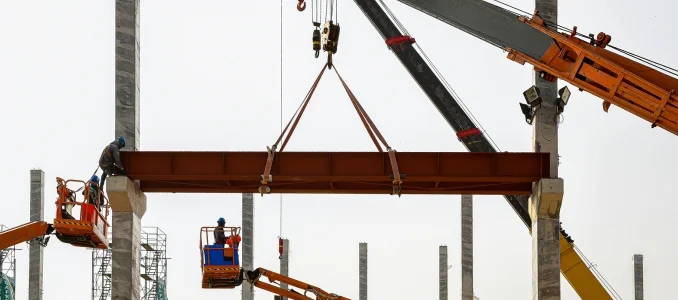
The proposed rulemaking is not merely a procedural update but a strategic response to persistent questions within the construction industry regarding the overlap between forklift operations and traditional crane work. Under the current regulatory framework, there has been documented confusion regarding the specific training requirements for operators when a forklift is utilized to lift a suspended load—a practice that inherently increases the risk profile of a job site.
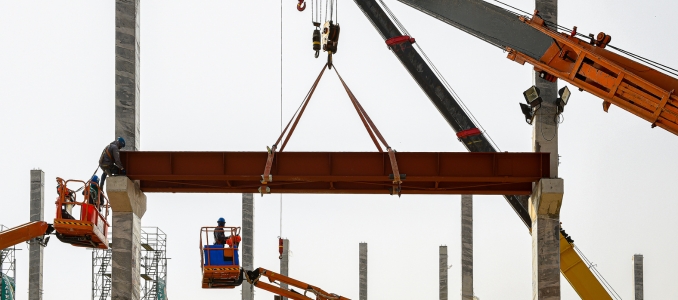
L&I’s initiative seeks to delineate the exact competencies required for such tasks. The agency’s focus on "lift director" qualifications also signals an intent to ensure that the individual responsible for overseeing complex rigging and lifting operations possesses the verified expertise to prevent accidents. Furthermore, the standardization of proof load testing and certification is expected to create a more robust audit trail for equipment, ensuring that machinery used in heavy construction meets the rigorous safety thresholds required for the weight and complexity of modern building materials.
Chronology of the Rulemaking Process
The journey toward these regulatory updates began in earnest on July 21, when the department filed its Preproposal Statement of Inquiry (CR-101). This filing marked the formal commencement of the rulemaking process, allowing the agency to gather preliminary information and identify areas of the current code that have become outdated or inconsistent.
Since the July filing, the department has been working internally to draft the proposed language. The upcoming December meetings are the next logical step in the Administrative Procedure Act (APA) requirements for Washington state, which mandate that agencies provide meaningful opportunities for public participation before final rules are adopted.

The scheduled meetings are as follows:
- December 8: A virtual session conducted via Microsoft Teams and teleconference, designed to maximize participation for stakeholders across the state.
- December 9: An in-person session held at the CenterPlace Event Center in Spokane Valley.
- December 10: A final in-person meeting held at the L&I headquarters in Tukwila.
Following these sessions, the department will synthesize the feedback provided by industry professionals, union representatives, and safety engineers to refine the draft language before moving toward a formal public hearing and, eventually, permanent rule adoption.
Supporting Data and Industry Context
The construction industry in Washington continues to experience significant growth, and with it, an increase in the complexity of vertical lifting operations. According to the Bureau of Labor Statistics (BLS), incidents involving cranes and forklifts consistently rank among the most severe in the construction sector. Nationally, crane-related fatalities often stem from load handling errors, mechanical failure, or lack of proper site supervision.

In Washington, the L&I Division of Occupational Safety and Health (DOSH) tracks these incidents to inform its regulatory strategy. By focusing on the "human element"—specifically the training and qualification of operators and directors—the agency is targeting the root causes of many workplace accidents. The emphasis on proof load testing serves as a technological safeguard, ensuring that the equipment itself is not a point of failure during operations that involve high-stress, suspended loads.
For industry stakeholders, these updates are expected to provide a clearer path to compliance. Many contractors have previously expressed concern that the current rules are subject to varying interpretations by field inspectors. By formalizing the criteria for qualification and testing, L&I hopes to create a "level playing field" where every operator is held to the same rigorous standard, regardless of the size or scope of the project.
Perspectives on Regulatory Reform
While official statements from specific trade associations remain pending until the release of the full draft, industry experts suggest that the focus on "lift directors" is a welcome development. In many modern construction settings, the coordination between the operator, the rigger, and the supervisor is the most critical link in the safety chain. If the new rules mandate a standardized qualification process for the lift director, it could significantly decrease the number of communication-related errors on job sites.

Conversely, some smaller construction firms may voice concerns regarding the potential cost of compliance associated with increased certification requirements. The December meetings are designed specifically to flush out these concerns, allowing the agency to balance safety mandates with the economic realities faced by small-to-medium-sized enterprises. The agency’s willingness to release a preliminary draft ahead of the meetings is a strategic move to ensure that discussions remain substantive and data-driven rather than purely theoretical.
Implications for the Construction Sector
The implications of these changes will be felt across the entire lifecycle of a construction project. Once the new rules are finalized, employers will be required to audit their current workforce to ensure that all personnel involved in suspended load lifting meet the updated criteria. This may involve additional training programs or the acquisition of new certifications for current employees.
Furthermore, the emphasis on documentation—specifically regarding proof load testing—means that companies will need to tighten their record-keeping practices. Failure to maintain up-to-date certification logs could result in increased liability and potential fines during routine safety inspections. For the heavy equipment rental sector, these rules may also necessitate more frequent inspections and certified maintenance logs for all lifting equipment, potentially altering the service agreements between rental companies and contractors.

Moving Forward: How to Participate
For stakeholders interested in the future of Washington’s construction safety landscape, participation in the December meetings is highly recommended. The Department of Labor & Industries has emphasized that the draft language is currently a working document, and stakeholder input is a vital component of the legislative process.
The agency has directed interested parties to monitor the "Rulemaking Stakeholder Information" page on their official website. This portal will house the preliminary draft rules, meeting login information, and instructions on how to submit written comments if one cannot attend the sessions in person.
By engaging in this process, contractors, safety officers, and equipment operators have a direct opportunity to influence the standards that will govern their work environments for years to come. The proactive approach taken by L&I suggests a commitment to preventing workplace fatalities through clarity and accountability, reflecting a broader trend in occupational safety: shifting from reactive enforcement to preventative, competency-based regulation.

As the state moves toward these December sessions, the focus remains on the primary goal of the Washington Department of Labor & Industries: ensuring that every worker in the construction industry returns home safely at the end of the day. The success of these updated rules will ultimately depend on the collaborative effort between the state and the industry to implement standards that are as practical as they are protective.