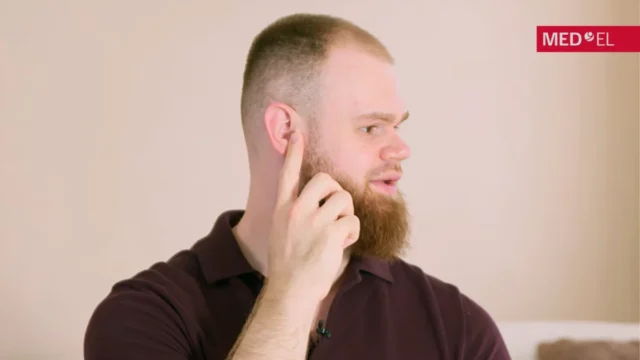


The commitment to consistently wearing the audio processor is paramount. This seemingly simple act provides the brain with a constant stream of auditory information, crucial for developing an understanding of sounds and their significance. Experts recommend wearing the processor whenever awake, emphasizing that even seemingly mundane sounds—the hum of a refrigerator, the chirping of birds, or the distant rumble of traffic—contribute to the brain’s auditory mapping. For individuals experiencing discomfort with certain sounds, seeking guidance from a hearing professional is advised rather than avoiding these auditory stimuli. This proactive approach ensures that the rehabilitation process is continuous and addresses potential challenges effectively.
Beyond consistent wear, incorporating short, focused listening activities into one’s daily schedule can significantly enhance rehabilitation. These brief sessions, easily manageable amidst work, family, and social commitments, offer targeted practice without demanding extensive time. Activities such as listening to short audio clips with varying levels of background noise, identifying specific sounds in a recording, or engaging with spoken language without visual cues can all contribute to improved auditory processing. The key lies in gradually increasing the complexity of these tasks, perhaps by transitioning from listening with subtitles to engaging with content without them, or by increasing the duration of listening periods.

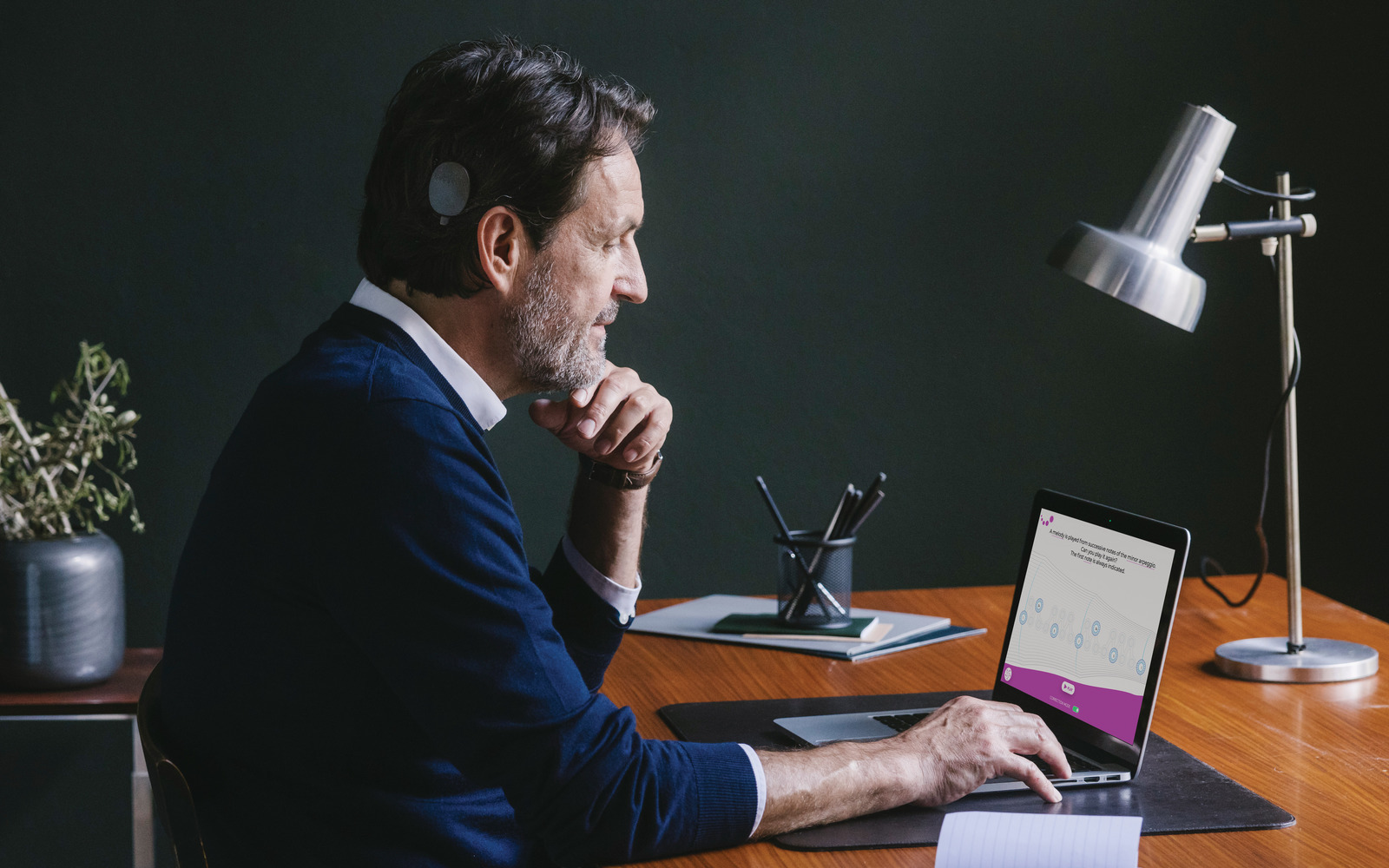
The advent of digital rehabilitation tools has further empowered individuals to personalize their listening practice. Applications like MED-EL’s ReDi app offer a structured yet flexible approach to auditory and speech skill development. These platforms provide a range of exercises with adjustable difficulty levels and immediate feedback, allowing users to practice independently and track their progress at their own pace. The ReDi app, for instance, is designed to simulate real-world listening scenarios, helping users to hone their ability to discern speech in noisy environments, identify different vocal tones, and improve overall auditory comprehension. Such digital aids are becoming increasingly sophisticated, often incorporating gamified elements to enhance user engagement and motivation, thereby making the rehabilitation process more enjoyable and effective.
Music, a deeply ingrained aspect of human experience, also serves as a powerful tool for cochlear implant rehabilitation. While the perception of music can initially differ with a CI, approaching it with familiar songs can ease the transition. By listening repeatedly to beloved melodies, individuals can gradually reacquaint their brains with the nuances of musical soundscapes. The Hearpeers community, a platform for individuals with hearing implants, offers anecdotal evidence of this approach. One member shared, "I listened over and over again until the song sounded like I remembered." This iterative process, focusing intently on a familiar song, can be enhanced by initially following along with lyrics and then gradually attempting to listen without them. This gradual exposure and focused attention allow the brain to adapt and reconstruct its auditory memory of music, fostering a richer appreciation for sound.
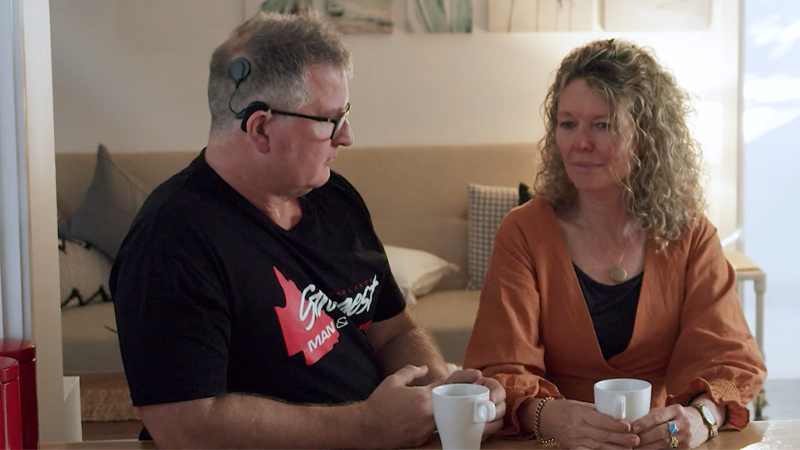
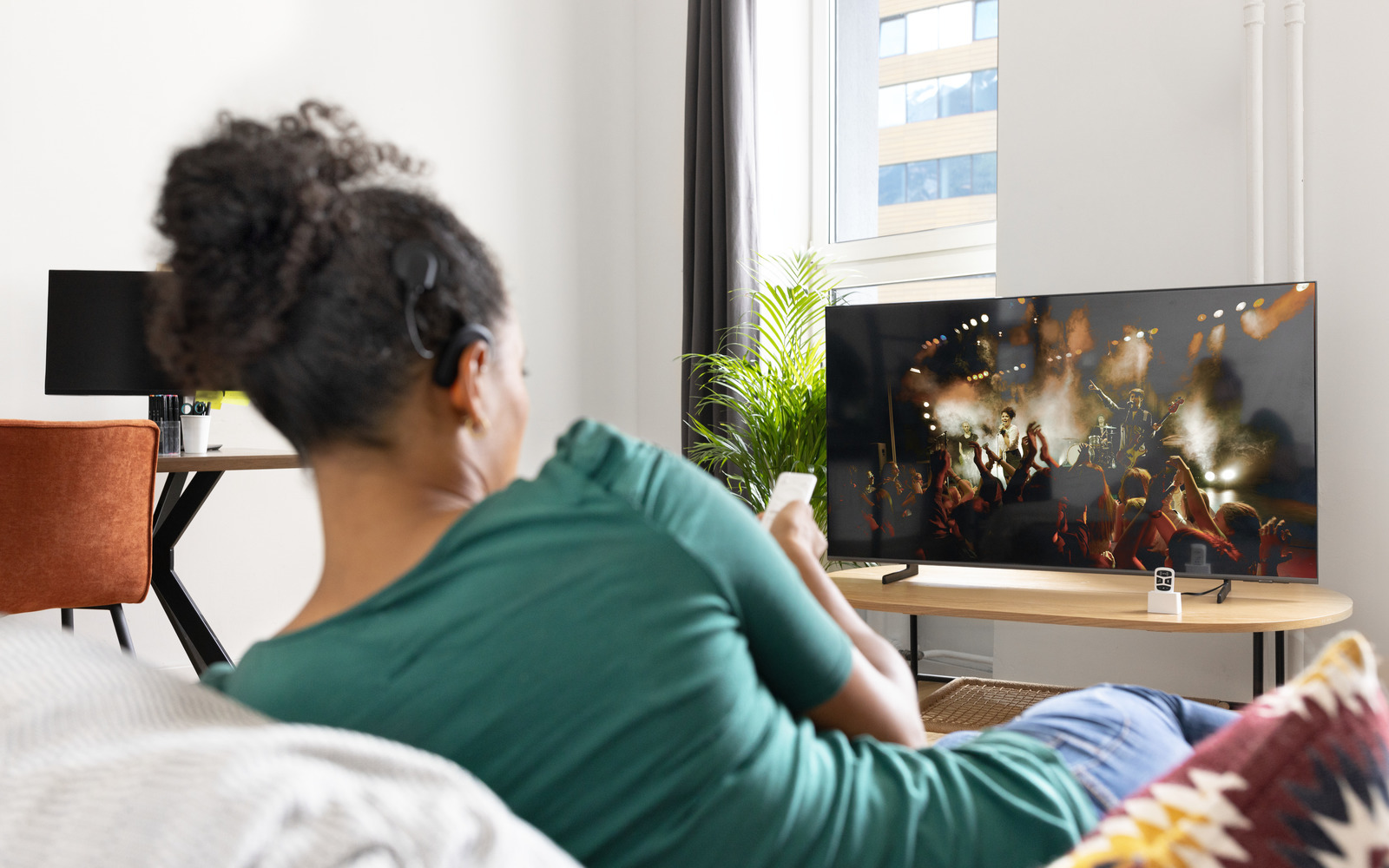
Navigating challenging listening environments, such as bustling restaurants, television programs, or phone conversations, can be significantly eased through the strategic use of assistive listening technology. Devices like MED-EL’s AudioLink XT and AudioStream Adapter are designed to transmit sound directly from external devices to the audio processor, bypassing environmental noise and delivering a clearer auditory signal. The AudioLink XT can also function as a remote microphone, capturing speech from a distance and relaying it directly to the processor, proving invaluable in meetings or group discussions. These technological solutions are not merely supplementary; they are integral to overcoming specific communication barriers, enabling individuals to participate more fully in social and professional settings. Consulting with a hearing professional is crucial to identify the most compatible and beneficial connectivity options for individual needs.
Effective communication is a two-way street, and mastering communication strategies plays a vital role in a CI user’s rehabilitation. Beyond the technical aspect of hearing, environmental factors and the communication styles of others significantly influence comprehension. Developing a repertoire of strategies tailored to different situations is essential. This might include choosing seating arrangements that optimize sound reception, ensuring good lighting for lip-reading, or proactively requesting clarification when needed. Being specific in communication requests, such as asking for a sentence to be repeated rather than simply stating "I can’t hear," can significantly improve interactions and reduce frustration for both parties. The ongoing development and application of these strategies, as highlighted in resources for CI users, empower individuals to manage their auditory environment more effectively.
The overarching principle of successful cochlear implant rehabilitation lies in its integration into the fabric of everyday life. There is no universal rehabilitation blueprint; each individual’s journey is unique, shaped by their hearing goals, lifestyle, family dynamics, and personal interests. The flexibility of incorporating listening practice into daily routines—whether through a few minutes with a rehabilitation app, an audiobook during a commute, a coffee conversation, or rediscovering a cherished song—transforms everyday experiences into opportunities for auditory growth. This holistic approach underscores the idea that rehabilitation is not a separate, burdensome task but an ongoing, adaptive process woven into the tapestry of life.
The implications of effective cochlear implant rehabilitation extend beyond individual hearing improvement. For the broader community, it signifies enhanced social inclusion, greater participation in the workforce, and a reduction in the isolation that can accompany hearing loss. As technology continues to advance and rehabilitation methodologies become more sophisticated, the potential for individuals with cochlear implants to lead rich, communicative lives is ever-expanding. The proactive engagement of users with their rehabilitation, supported by technological advancements and professional guidance, forms the cornerstone of maximizing the benefits of cochlear implant technology.
The journey with a cochlear implant is a testament to human adaptability and the power of dedicated practice. By embracing the opportunities for auditory learning present in everyday life, individuals can not only regain their hearing but also cultivate a deeper, more nuanced connection with the world of sound. The consistent application of these strategies, coupled with the support of hearing healthcare professionals and technological innovations, ensures that the path to enhanced hearing is both achievable and rewarding. The future of auditory rehabilitation is intrinsically linked to its seamless integration into the daily rhythms of life, empowering individuals to hear, connect, and thrive.