A Legacy Born from a Grassroots Vision
The origins of Listen and Talk trace back to the mid-1990s, when Star Leonard-Fleckman, a dedicated teacher of the deaf and auditory-verbal therapist, identified a critical gap in support services for families navigating childhood hearing loss. Operating initially out of her own home, Leonard-Fleckman envisioned a specialized environment where children could develop the auditory and spoken language skills necessary to thrive in a mainstream hearing world.
Over nearly three decades, what began as a home-based initiative has expanded into a comprehensive educational and clinical institution. Today, Listen and Talk provides services to more than 200 families across Washington, utilizing a hybrid model of in-person therapy and virtual outreach. The organization’s growth reflects a broader shift in pediatric audiology and education, moving toward early intervention and the integration of children with hearing loss into general education environments.
The Evolution of Auditory-Verbal Therapy
The core philosophy of Listen and Talk remains rooted in auditory-verbal therapy (AVT). This approach emphasizes the use of advanced hearing technology—such as cochlear implants and hearing aids—paired with structured therapy to teach children how to process sound and translate it into speech. By coaching parents and caregivers alongside the child, the program aims to build the self-advocacy skills required for independence.
The success of this model is evidenced by the organization’s multifaceted programming. Beyond traditional one-on-one therapy, Listen and Talk now facilitates a specialized Blended Classroom Program, early intervention through its Birth to Three program, and ongoing audiology services. These programs are designed to ensure that no child’s potential is capped by their diagnosis, equipping them with the intelligible speech and critical thinking skills needed to excel without the perpetual reliance on sign language interpreters.

Inaugural Walk, Run, and Roll: Community Mobilization
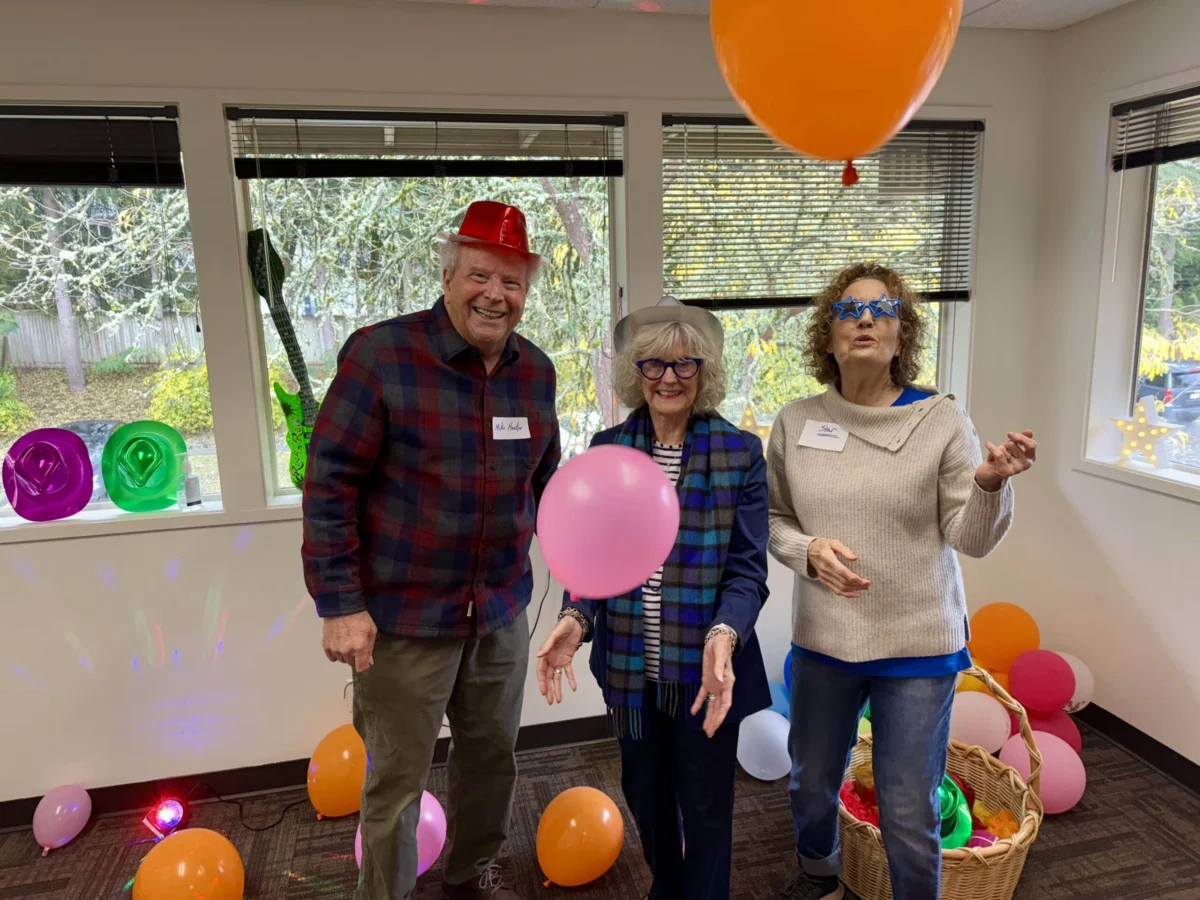
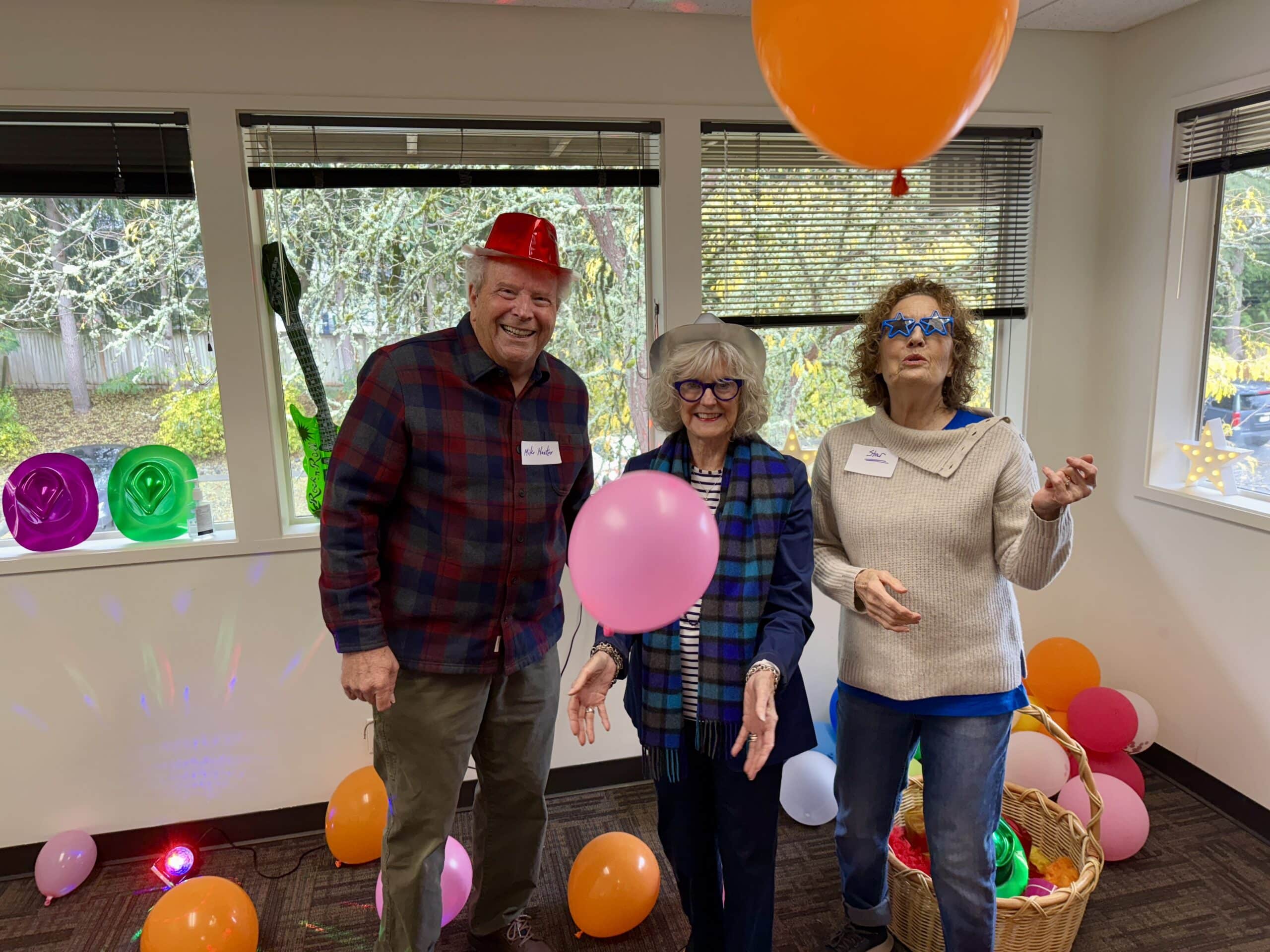
The recent Founder’s Day event served as the conclusion to the organization’s first-ever Walk, Run, and Roll fundraiser, a decentralized event that engaged participants in Edmonds, Woodinville, the Olympic Peninsula, and Seattle’s Green Lake area. This logistical strategy allowed for a broader geographic reach, accommodating families and supporters who might otherwise be unable to travel to a single location.
Financial data from the event underscores the depth of community support. The campaign surpassed its initial goals, raising over $10,000 in public donations. This sum was subsequently matched by a generous contribution from founder Star Leonard-Fleckman. As of the close of the event, total funds raised exceeded $26,000. These resources are earmarked for the sustainability of the organization’s core services, including speech therapy, parent education, and the procurement of updated audiological equipment.
The Role of Alumni and Multi-Generational Impact
A notable feature of the anniversary celebration was the presence of alumni, including students who had participated in the program years ago and have now returned as parents. This multi-generational attendance provides a qualitative measure of the program’s long-term efficacy.
During a "Story Time with Star" session, Leonard-Fleckman read to a group of children, including the offspring of former students. This moment served as a symbolic bridge between the organization’s past and its future. The session allowed staff and attendees to observe the tangible progress made in hearing technology and teaching methodology over the last three decades, demonstrating how modern advancements have made it easier for children with profound hearing loss to participate in shared literary experiences.
Operational Scope and Global Outreach
Listen and Talk currently supports families speaking more than 30 different languages. This linguistic diversity is a critical component of the organization’s mission, as it emphasizes the importance of preserving the "language of the home." By providing families with the tools to communicate in their native language while simultaneously navigating the world of sound, the organization respects the cultural identity of the families it serves.
Executive Director Maura Berndsen noted that the funds raised during the October event will directly subsidize the costs of providing these high-level, individualized services. Because specialized auditory-verbal therapy is labor-intensive and requires high-quality diagnostic equipment, fundraising remains a cornerstone of the organization’s operational budget. The success of the Walk, Run, and Roll campaign provides a stable financial runway to continue expanding these services in the coming fiscal year.
Strategic Implications for Pediatric Healthcare
The broader implication of Listen and Talk’s work is its alignment with the "early identification, early intervention" model of pediatric audiology. Research consistently shows that children with hearing loss who receive specialized intervention before the age of three are significantly more likely to achieve linguistic milestones comparable to their hearing peers.
By maintaining a robust Birth to Three program, Listen and Talk acts as a preventative force, reducing the long-term educational and social costs associated with hearing impairment. As the organization enters its 30th year, the focus remains on scaling these services to reach more families in rural or underserved areas of Washington. The hybrid virtual model, which was accelerated by necessity in recent years, now serves as a key pillar in the organization’s outreach strategy.
Looking Toward the Next Decade
As the festivities concluded, the sentiment among staff and stakeholders was one of cautious optimism. The challenges facing children with hearing loss are evolving; while technology has improved, the need for human-centered, expert-led intervention remains constant. The organization’s leadership emphasized that the mission is not merely to provide therapy, but to foster an environment where deaf and hard-of-hearing children can develop the cognitive and social skills necessary for success in all walks of life.

The organization continues to operate on the premise that hearing loss is a medical condition, not an intellectual or social limitation. By prioritizing self-advocacy, the program ensures that graduates are not just "hearing" or "talking," but are actively participating in their communities as self-reliant individuals.
How to Support the Ongoing Mission
The organization has invited the public to continue supporting these initiatives through direct donations. The funding model for Listen and Talk remains a mix of private donations, grants, and social enterprise activity. Every contribution is directed toward closing the gap between the cost of comprehensive care and the financial realities of families.
As the organization moves forward, it remains committed to its foundational goal: ensuring that no child is limited by their hearing loss. With a clear vision for the next decade and a strengthened community of supporters following the success of the inaugural fundraiser, Listen and Talk is positioned to continue its legacy as a key institution in the field of auditory-verbal education. For those interested in the ongoing work of the organization, resources and opportunities for involvement are accessible via their official channels, ensuring that the dream ignited in a basement 29 years ago continues to resonate for future generations.