Microtia refers to the underdevelopment or total absence of the external ear, while atresia involves the absence or narrowing of the ear canal. When these conditions occur, they frequently result in unilateral hearing loss (UHL) or single-sided deafness (SSD). For years, medical and educational systems frequently categorized UHL as a minor or manageable condition that did not require significant intervention. However, recent clinical research and longitudinal studies have fundamentally shifted this perspective, revealing that children with UHL face substantial hurdles in academic and social environments.
The Auditory Landscape: Challenges Beyond Simple Hearing
The primary challenge for children with unilateral hearing loss is not merely a reduction in volume, but a profound deficit in auditory processing. The brain requires input from both ears—a process known as binaural hearing—to localize sound, filter background noise, and maintain focus in dynamic environments.
In a standard classroom setting, which is often characterized by ambient noise, multiple speakers, and distance between the instructor and the student, a child with UHL may experience significant cognitive fatigue. Research indicates that children with UHL are at a higher risk for academic delays, with studies showing that a substantial percentage of these students may require extra support or individualized education plans (IEPs) at some point during their K-12 education. The "listening effort" required for these children to synthesize information can lead to exhaustion, frustration, and social withdrawal, particularly when they are unable to participate fully in group discussions or noisy play environments.
Clinical Context and Early Intervention Timelines
The diagnosis of microtia and atresia typically occurs shortly after birth, often during newborn hearing screenings. However, the comprehensive understanding of how this impacts a child’s specific development unfolds over time. For many families, the journey begins with an initial diagnosis in infancy, followed by a series of evaluations by otolaryngologists, audiologists, and speech-language pathologists.
The "Birth to Three" window is widely considered the critical period for neuroplasticity. During these formative years, the brain is most receptive to auditory input. Implementing a Listening and Spoken Language (LSL) framework during this time can be transformative. LSL is an educational and therapeutic approach that focuses on training the child to utilize their residual hearing to develop spoken language. Rather than relying on alternative communication methods, LSL programs emphasize the use of hearing technology—such as bone-conduction devices—paired with specialized coaching to ensure the child can access the full spectrum of speech sounds.
A Case Study in Advocacy: The Journey of Adeline
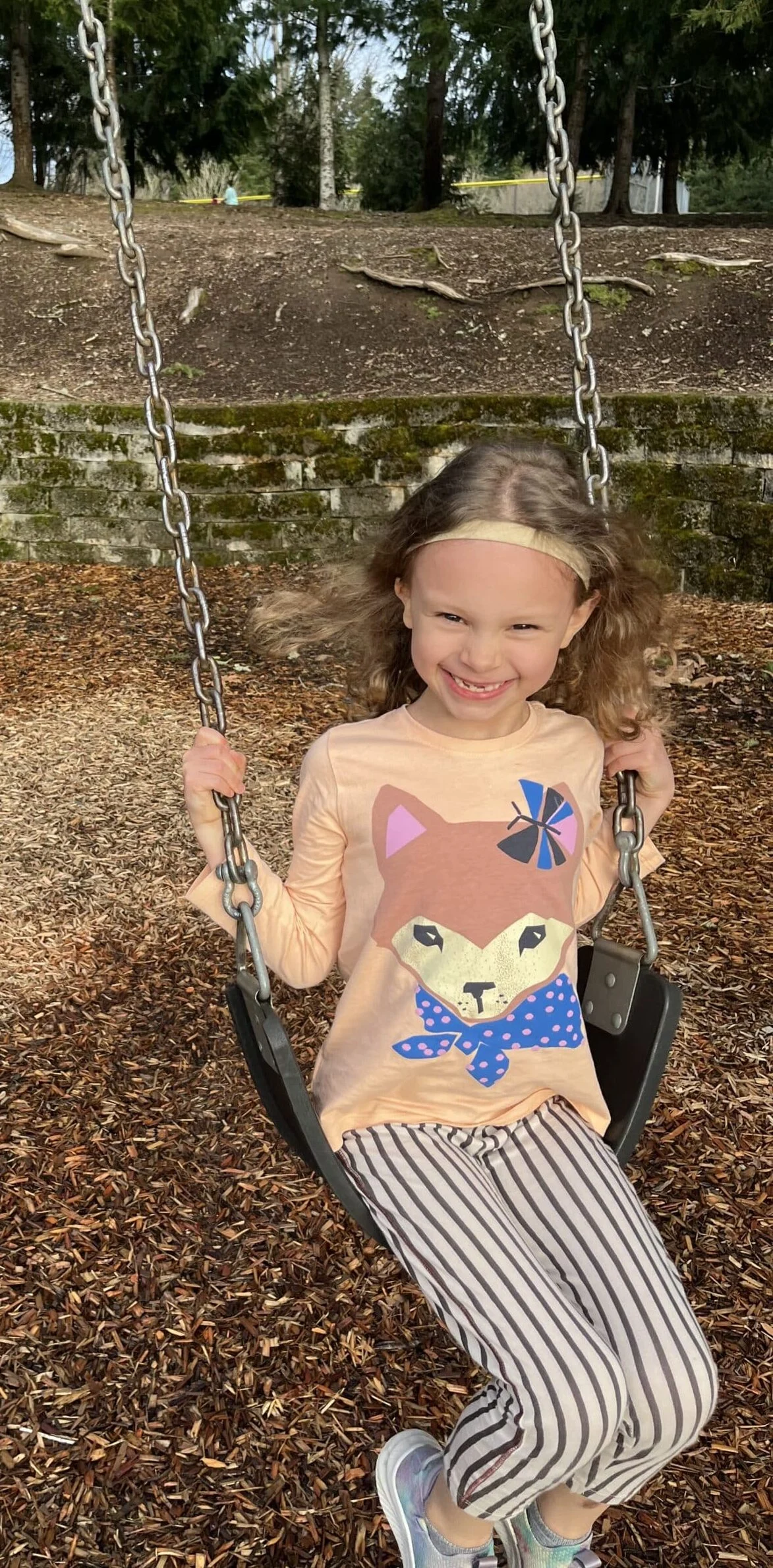
The story of Adeline, a young student who has navigated the challenges of microtia and atresia, provides a practical lens through which to view these clinical interventions. Adeline was diagnosed with unilateral moderate to severe conductive hearing loss at just five weeks of age. By age four, imaging confirmed that her ear canal was absent, replaced by solid bone with fused middle-ear structures.
Her mother, Jessie, notes that the early years were defined by the difficulty of navigating a medical and educational landscape that felt entirely new. "Adeline had to work significantly harder than her peers to communicate," Jessie recalls. "She struggled with sound localization, which impacted her willingness to interact in new spaces. She frequently experienced listening fatigue, leading to frustration when she couldn’t interpret the nuanced communication of others."
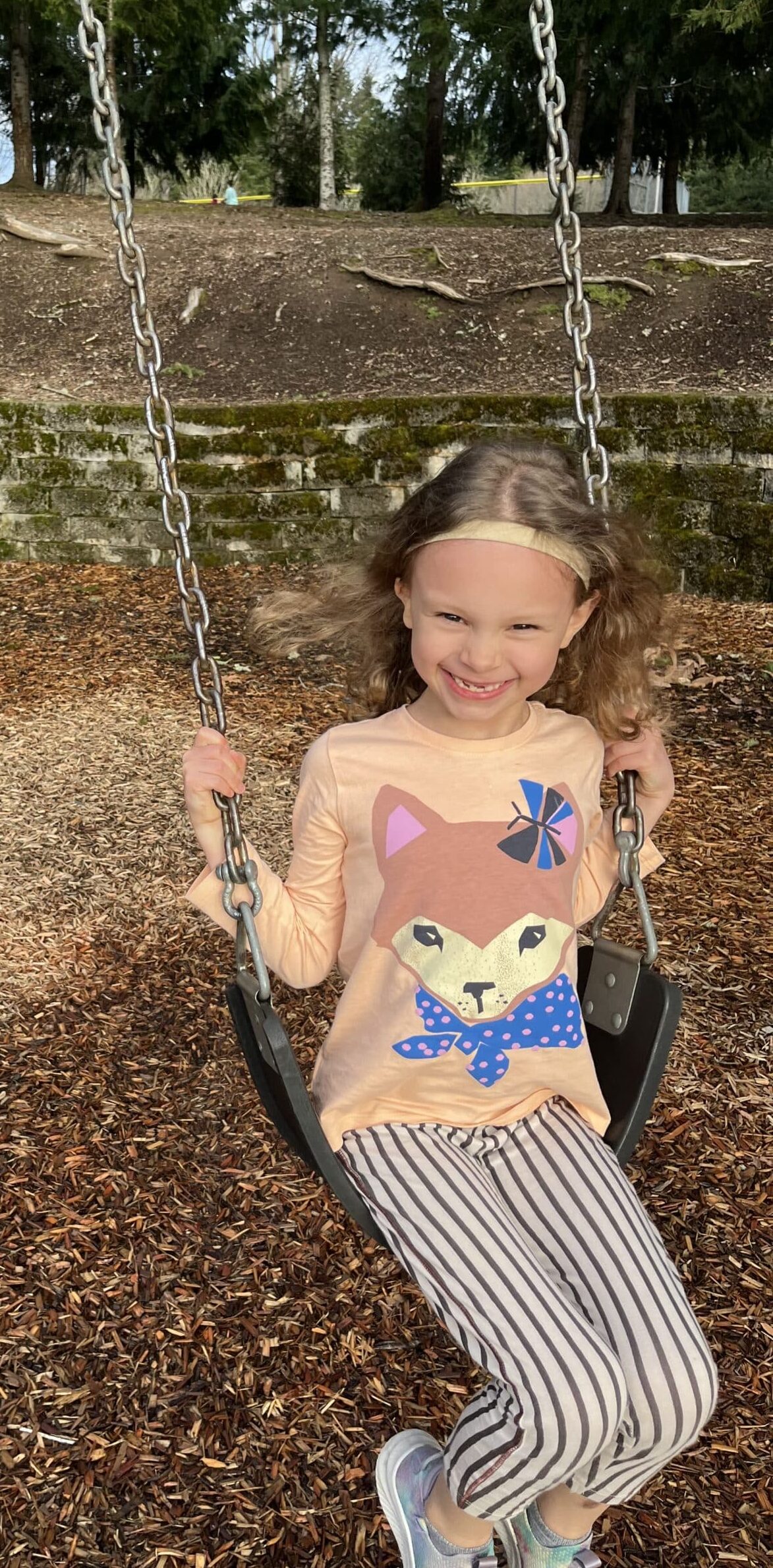
The intervention provided by organizations like Listen and Talk proved pivotal. By integrating Adeline into specialized programs, her family was able to transition from being overwhelmed by a diagnosis to becoming informed advocates for her education. Through consistent therapy, Adeline learned how to navigate her hearing technology—specifically her Ponto device—and, more importantly, how to articulate her own needs in a classroom setting. Today, as a thriving first grader, Adeline participates in school choir and demonstrates a level of self-advocacy that serves as a benchmark for the success of early intervention programs.
Data-Driven Implications for Educational Policy
The broader implications of this work extend into the realm of public policy and school resource allocation. As more data emerges regarding the long-term cognitive and social-emotional costs of unaddressed UHL, there is a growing push for more robust screening and support services in public school districts.
The Listening and Spoken Language approach is not merely a therapeutic choice; it is an economic and social investment. When children with UHL receive early support, the likelihood of long-term academic success increases, reducing the need for intensive remedial services later in their educational careers. Key benefits of the LSL approach include:
- Enhanced Auditory Awareness: Children learn to identify and categorize sounds, which improves their ability to differentiate speech from background noise.
- Improved Localization: With consistent auditory training, children can better utilize their hearing side to navigate their environment safely.
- Psychosocial Resilience: By mastering self-advocacy, children build the confidence necessary to integrate successfully into mainstream classrooms.
- Communication Efficiency: Reducing the cognitive load required to listen allows the child to focus on the content of the conversation rather than the mechanics of hearing.
Resources and the Future of Support
For families currently navigating a diagnosis of microtia or atresia, the path forward is bolstered by a network of specialized resources. Organizations such as Washington Hands and Voices and clinical centers like Listen and Talk provide the necessary infrastructure for parents to make informed decisions. These resources emphasize that while the diagnosis is a lifelong reality, the limitations typically associated with it are not.
The goal of modern intervention is to ensure that "no child is limited by hearing loss." This involves a multi-disciplinary approach where audiologists work alongside educators to create an optimal auditory environment. This includes the use of assistive technology, such as remote microphone systems in classrooms, which help bridge the gap between the teacher’s voice and the student’s ear.
Furthermore, the social impact of awareness cannot be overstated. By demystifying the condition, families reduce the stigma often associated with visible hearing devices. As demonstrated by students like Adeline, who proudly shares her experience with peers, the normalization of hearing technology is a critical component of building inclusive communities.
Sustaining the Mission
As the medical community continues to refine surgical and non-surgical treatments for microtia and atresia, the focus remains on the child’s quality of life. Financial support remains a critical bottleneck for many families seeking specialized early intervention. Philanthropic efforts and donations to specialized educational enterprises play a direct role in funding audiology testing, therapy sessions, and parent education programs.
The consensus among pediatric specialists is clear: early, intensive, and supportive intervention is the most effective tool for mitigating the challenges of unilateral hearing loss. As National Microtia Atresia Awareness Day continues to grow, it reinforces the necessity of viewing hearing loss not as a deficit that limits a child’s potential, but as a condition that, with the right resources and advocacy, can be managed to ensure a path to academic and social success. By prioritizing the development of listening and spoken language skills from the earliest possible age, families and educators can ensure that children born with these conditions are fully equipped to navigate the world with confidence, independence, and the ability to thrive.