
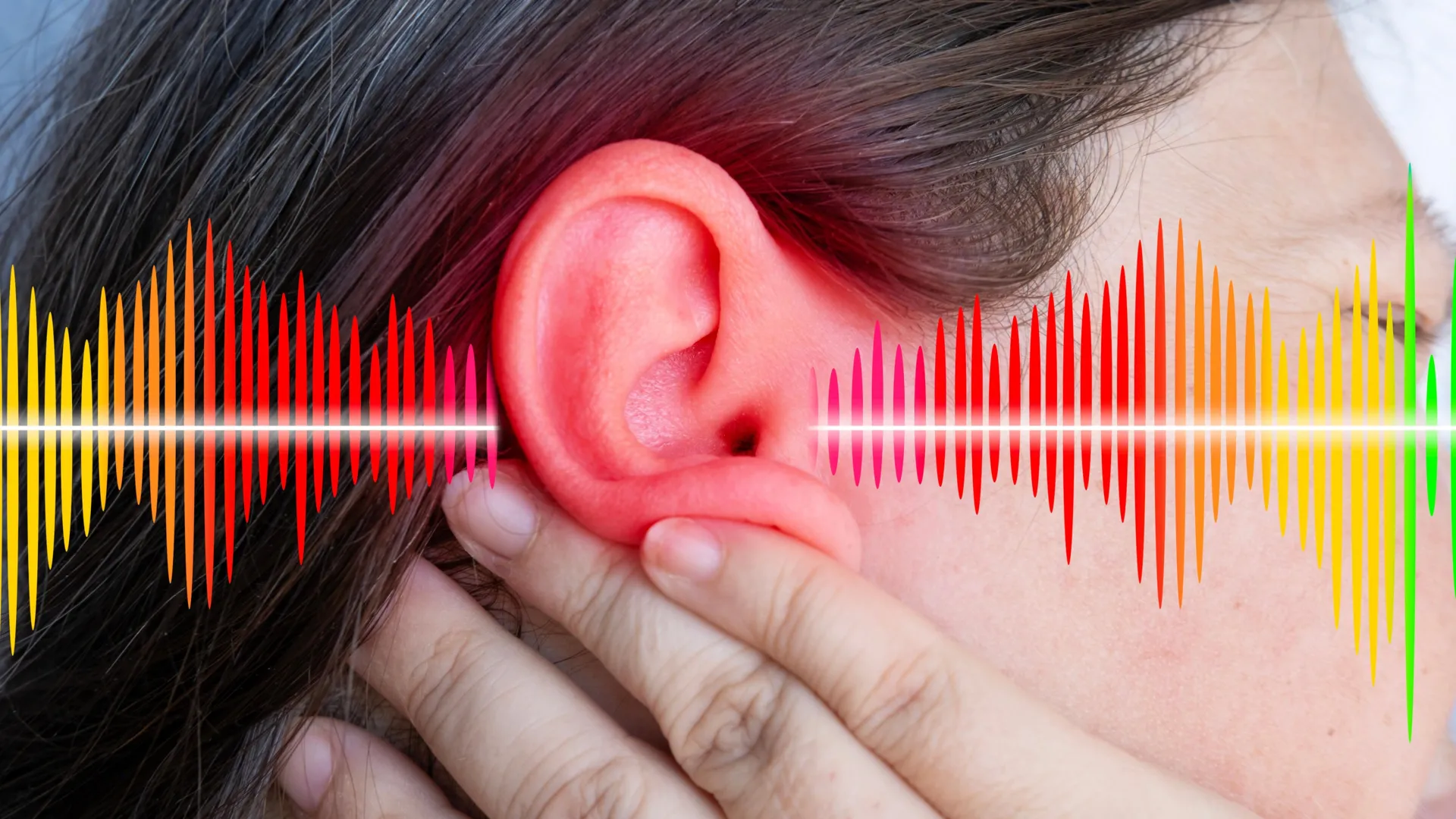
Tinnitus, characterized by the perception of sound in the absence of an external source, affects approximately 750 million people globally, representing nearly 14% of the adult population. For many, the condition manifests as a faint hiss or hum, but for millions of others, it is a debilitating, high-pitched roar that interferes with sleep, concentration, and emotional stability. Despite its prevalence, the underlying neurological drivers of tinnitus have remained elusive, often leaving patients with few options beyond cognitive behavioral therapy or sound-masking devices.
The Biological Link Between Mood and Sound
The research, led by co-senior author Laurence Trussell, Ph.D., a professor in the OHSU School of Medicine and a scientist at the OHSU Vollum Institute, focuses on the dorsal cochlear nucleus. This region of the brain serves as the primary relay station for auditory information before it is processed by the higher-order auditory cortex. For years, scientists suspected that the dorsal cochlear nucleus acted as a "volume knob" for sensory input, and that serotonin might be the hand turning that knob.
Through a series of sophisticated experiments involving mouse models, the team discovered that specialized neurons in the brainstem, which produce serotonin, send direct projections to the dorsal cochlear nucleus. When serotonin levels rise—either naturally or through pharmacological intervention—these neurons stimulate fusiform cells, which are responsible for transmitting signals to the parts of the brain that perceive sound. In the context of tinnitus, this stimulation essentially amplifies the "neural noise" that the brain interprets as a phantom sound.
Dr. Zheng-Quan Tang, a co-author of the study and a researcher at Anhui University, noted that the team was able to isolate this circuit with remarkable precision. By using optogenetics—a biological technique that involves the use of light to control neurons that have been genetically sensitized to light—the researchers could turn the serotonin-sensitive circuit on and off at will. When the circuit was activated, the mice exhibited behavioral markers consistent with the experience of tinnitus. Conversely, when the circuit was deactivated, those symptoms significantly subsided.
The SSRI Dilemma: A Clinical Crossroads
One of the most significant implications of this study involves the use of selective serotonin reuptake inhibitors (SSRIs). SSRIs, such as fluoxetine (Prozac), sertraline (Zoloft), and escitalopram (Lexapro), are among the most commonly prescribed medications in the world. They work by preventing the reabsorption of serotonin in the brain, thereby increasing its availability to improve mood and alleviate anxiety.
However, the OHSU and Anhui University study suggests that for patients with a predisposition to tinnitus, the increased serotonin levels resulting from SSRI use may inadvertently overstimulate the auditory system. This creates a clinical paradox: patients often seek treatment for the depression and anxiety caused by their tinnitus, only to find that the medication prescribed for their mental health makes their auditory symptoms worse.
"This study highlights the importance of clinicians recognizing and validating patient reports of medication-associated increases in tinnitus," Dr. Trussell stated. He emphasized that the goal is not to discourage the use of antidepressants, which remain vital for many patients, but rather to encourage a more nuanced approach to prescription. "People with tinnitus should work with their prescribing physician to find a drug regimen that gives them a balance between relief of psychiatric symptoms like depression and anxiety, while minimizing the experience of tinnitus."
Chronology of Research and Development
The journey to this discovery has been a decade-long endeavor. The relationship between the somatosensory system and the auditory system has been a subject of intense study since the early 2000s, but the specific role of serotonin remained a hypothesis rather than a proven fact.
- 2011–2015: Preliminary studies at OHSU began identifying the high density of serotonin receptors in the dorsal cochlear nucleus of mammals.
- 2017: A pivotal study published by Trussell’s lab demonstrated that serotonin increased the excitability of fusiform cells in the auditory system. This established the foundational theory that serotonin could modulate auditory sensitivity.
- 2019–2021: Researchers began utilizing optogenetic tools to map the specific pathways from the raphe nuclei (the brain’s serotonin production center) to the auditory brainstem.
- 2023–2024: The current study successfully linked these neural pathways to specific behaviors in mice, providing the first definitive evidence that stimulating this circuit induces tinnitus-like effects.
This timeline illustrates a shift in tinnitus research from a "peripheral" focus—looking solely at the ears and the auditory nerve—to a "central" focus, looking at how the brain processes and sometimes creates sound internally.
Global Prevalence and Economic Impact
The urgency of this research is underscored by the staggering statistics surrounding hearing health. According to data from the World Health Organization (WHO) and the American Tinnitus Association (ATA):
- Global Burden: Approximately 1 in 7 adults worldwide experiences some form of tinnitus.
- Severity: Of those affected, roughly 2% (nearly 150 million people) suffer from "severe" tinnitus, which is categorized as having a catastrophic impact on quality of life.
- Demographics: While tinnitus is most common in adults over 50, rates are rising among younger populations due to increased exposure to loud noise via personal audio devices.
- Economic Cost: In the United States alone, the economic impact of tinnitus—including lost productivity and healthcare expenditures—is estimated to exceed $25 billion annually.
Furthermore, tinnitus is the leading service-connected disability for veterans of the U.S. Armed Forces, surpassing even post-traumatic stress disorder (PTSD). For this demographic, the link between serotonin and tinnitus is particularly relevant, as SSRIs are a frontline treatment for PTSD and depression among veterans.
Future Implications: Toward Precision Medicine
The discovery of the serotonin-auditory circuit opens the door for a new generation of pharmacological treatments. Current antidepressants are "systemic," meaning they increase serotonin levels throughout the entire brain. This lack of specificity is what leads to side effects like the worsening of tinnitus.
The researchers suggest that future drug development could focus on "region-specific" or "receptor-specific" compounds. If a drug could be designed to boost serotonin in the prefrontal cortex (to treat depression) without affecting the dorsal cochlear nucleus (to avoid triggering tinnitus), it would represent a significant leap forward in precision medicine.
"Our study suggests a delicate balance," Trussell explained. "It may be possible to develop cell- or brain region-specific drugs that steer the elevation of serotonin in some brain regions but not others. In that way, it may be possible to separate the beneficial and important effects of the antidepressant from the potentially harmful effects on hearing."
In addition to pharmacological changes, this research may lead to the development of new diagnostic tools. By monitoring activity in the dorsal cochlear nucleus, doctors might one day be able to objectively measure the severity of a patient’s tinnitus, moving away from the current reliance on subjective self-reporting.
Analysis of Patient Care and Clinical Practice
For the medical community, these findings serve as a call to action for better integrated care. Audiologists and psychiatrists, who have traditionally worked in separate silos, may need to collaborate more closely. When a patient presents with both depression and tinnitus, the choice of medication must be handled with extreme care.
Medical analysts suggest that this research could lead to a change in the "Black Box" warnings or patient information leaflets for SSRIs, informing users that an increase in auditory phantom sounds is a possible side effect. While such a change would require further clinical trials in humans, the mouse model provides a robust biological rationale for such a move.
The study also validates the experiences of thousands of patients who have historically been told by their doctors that there is no known link between their medication and their ringing ears. By providing a clear biological mechanism, the OHSU and Anhui University team has given a voice to a patient population that has long felt misunderstood by the medical establishment.
As the scientific community continues to unravel the complexities of the human brain, the link between our moods and our senses becomes increasingly clear. This latest research into serotonin and tinnitus is a testament to the power of interdisciplinary collaboration and the potential for basic science to provide answers to some of the most persistent and distressing medical mysteries of our time. Supported by the National Institutes of Health, the study stands as a cornerstone for future research into the neurobiology of sound perception and the quest for a definitive cure for tinnitus.