The Growing Crisis of Occupational Cancer in Firefighting
The occupational hazards of firefighting have evolved significantly over the last several decades. While the dangers of direct heat and structural collapse remain ever-present, the modern firefighter faces a more insidious threat: chronic exposure to toxic carcinogens. When synthetic materials—common in modern homes and offices—combust, they release a complex mixture of chemicals, including polycyclic aromatic hydrocarbons (PAHs), benzene, and formaldehyde.
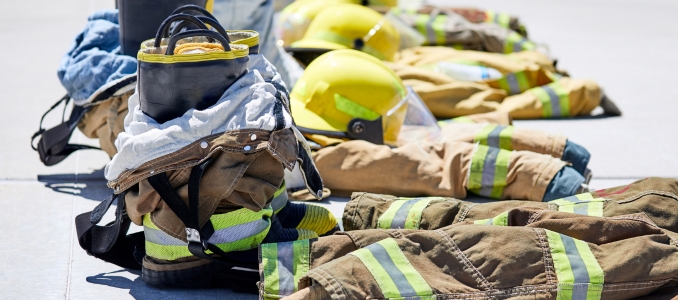
Recent data from the National Institute for Occupational Safety and Health (NIOSH) indicates that firefighters are diagnosed with cancer at a higher rate than the general population, with specific types of cancers, such as mesothelioma and lung cancer, showing a strong correlation to cumulative chemical exposure. For rural and volunteer departments, the challenge is compounded by limited budgets, which often restrict the frequency of gear decontamination and the availability of advanced health screenings.
The "Protecting Those Who Protect Iowa" Initiative
The $25,000 grant awarded to Rui Li serves as the cornerstone for a multifaceted approach to mitigating these risks. While the toolkit remains in the development phase, the proposed components are designed to be accessible, scalable, and highly practical for departments that may not have access to full-time health and safety officers.
Key deliverables of the project include:

- Train-the-Trainer Materials: A curriculum designed to empower local leaders to educate their peers, ensuring the knowledge base remains sustainable within departments.
- Educational Guides: Comprehensive manuals covering best practices for gear cleaning, scene hygiene, and the importance of immediate decontamination after fire suppression activities.
- Training Videos: Visual resources that provide step-by-step demonstrations on minimizing exposure during the critical "hot zone" transition.
- Exposure Documentation Tools: Standardized logs that help firefighters track their chemical exposures over time, which is essential for medical tracking and long-term health monitoring.
To ensure broad reach, the university has committed to producing these materials in both English and Spanish, acknowledging the demographic diversity within the state’s workforce and the necessity of inclusive safety communication.
Scientific Context: The Role of Contaminated Gear
The urgency of this project is underscored by a peer-reviewed study published this year in the Journal of Hazardous Materials, which featured research from Li and colleagues. The study specifically investigated how PAHs—potent carcinogens released during structure fires—accumulate in the various layers of protective clothing known as turnout gear.
The research revealed a stark correlation between the type of fuel burned and the level of contamination. When firefighters encounter smoke from burning polystyrene (common in insulation and modern furniture) and pine, the buildup of PAHs on protective gear is substantially higher than in fires involving only biomass. This suggests that the "dirty" look of turnout gear, once a point of pride among some firefighters, is actually a visual marker of significant toxic load. By understanding the chemical retention of these fabrics, the ISU research team is developing guidelines that emphasize the necessity of rigorous, science-backed cleaning protocols to prevent secondary exposure after the fire has been extinguished.

A Collaborative Framework for Public Health
This grant is not an isolated effort but rather an integral component of the broader Firefighter Cancer Prevention and Exposure Reduction Program, which was launched at Iowa State University in July. This program functions as a nexus for several prominent organizations, including the University of Iowa’s Holden Comprehensive Cancer Center, the Iowa Fire Service Training Bureau, and the Iowa Cancer Consortium.
The synergy between these organizations allows for a holistic approach to the problem. The Holden Comprehensive Cancer Center provides the medical expertise necessary to translate clinical research into actionable health screenings, while the Iowa Fire Service Training Bureau facilitates the implementation of these protocols directly into the training pipelines used by local departments. This collaborative model is considered a gold standard for state-level public health initiatives, as it ensures that academic research does not remain confined to laboratories but reaches the individuals who need it most on the front lines.
Timeline and Implementation
The development of the toolkit follows a structured timeline aimed at maximizing the efficacy of the grant funding.
- July 2026: Official launch of the Firefighter Cancer Prevention and Exposure Reduction Program at ISU.
- November 2026: Announcement of the $25,000 grant and the initiation of the specific "Protecting Those Who Protect Iowa" toolkit development.
- Ongoing (Late 2026–2027): Continued research into material contamination and the synthesis of training materials.
- Projected 2027: Expected pilot programs in select Iowa volunteer fire departments to test the usability and effectiveness of the educational materials before a wider rollout.
Implications for Rural and Volunteer Departments
The sociological implications of this project are significant. In many rural Iowa communities, the fire department is the backbone of public safety, yet these entities often operate with minimal staffing and aging equipment. By focusing specifically on these sectors, the ISU project addresses a systemic equity issue in public safety.
Small-town departments often lack the administrative support to stay updated on the latest occupational health research. The toolkit will act as a force multiplier, providing small-town fire chiefs with a standardized, authoritative source of information that they can present to local government officials to justify the need for new gear or specialized washing equipment. This administrative advocacy is just as important as the health training itself, as it facilitates the structural changes necessary to reduce long-term cancer risks.
Broader Impact and Future Outlook
The initiative at Iowa State University reflects a nationwide shift in the fire service culture. For decades, the emphasis was almost exclusively on immediate physical safety—preventing burns and falls. Today, the focus has expanded to include "long-tail" safety: protecting the firefighter from the invisible health consequences of their service.

As the program progresses, researchers expect to see a decrease in the "contamination culture" that has historically permeated the profession. If successful, the Iowa model could serve as a template for other states with large rural populations, demonstrating that state-level cooperation between universities, medical centers, and fire services can produce tangible improvements in firefighter health outcomes.
Furthermore, the emphasis on documentation will prove vital for the future of workers’ compensation and medical benefits. By creating a system where exposures are documented, firefighters will be better positioned to receive necessary medical care should they develop occupationally linked illnesses later in life. This moves the issue of cancer prevention from a vague, general concern to a manageable, documented, and scientifically addressed public health priority.
As noted by the university’s NexGen PPT team, interested stakeholders and members of the fire service are encouraged to monitor the ongoing updates via their news and events portal. The success of this project will ultimately be measured by its adoption rate among local departments and the subsequent improvement in the health of the state’s firefighting force. Through a combination of rigorous research, community-led education, and institutional collaboration, Iowa is positioning itself as a leader in the urgent, life-saving work of protecting those who risk their lives to protect others.