Legal Advocacy and Landmark Settlement
A centerpiece of the NAD’s recent activities is the successful resolution of a high-profile legal dispute concerning the civil rights of a Deaf mother and her children. Brittany Shrader, Esq., Director of Legal Services at the NAD, confirmed that the organization secured a $1.2 million settlement in a case involving an egregious failure by law enforcement to provide effective communication.
The incident, which resulted in the traumatic arrest of a Deaf woman, involved a police officer who wore a mask and refused to utilize qualified interpreters. Furthermore, the officer attempted to coerce the woman’s 11-year-old twin daughters into acting as interpreters during the police encounter. The NAD’s legal team argued that such actions violate the Americans with Disabilities Act (ADA), which mandates that public entities provide auxiliary aids and services to ensure effective communication with individuals who are Deaf or hard of hearing.
This settlement serves as a critical warning to municipal police departments nationwide. The use of minors as interpreters in high-stress, legal, or medical situations is widely regarded by civil rights advocates as a breach of professional standards and a violation of the rights of the Deaf individual. The NAD intends for this $1.2 million judgment to underscore the financial and social risks associated with failing to provide professional, certified interpreters in law enforcement settings. By holding departments accountable, the NAD continues its broader strategy of litigating systemic barriers that prevent Deaf citizens from accessing equitable treatment under the law.
Shaping the Future of Deaf Education
Beyond the courtroom, the NAD is prioritizing educational reform through the "Blueprint on Excellence in Deaf Education" (BEDE) initiative. Dr. Marla Hatrak, an Educational Policy Consultant for the NAD, is leading this project, which aims to address the long-standing disparities in educational outcomes for Deaf students.
The BEDE initiative is scheduled to take center stage at the 2026 NAD Conference. The project focuses on creating a cohesive national framework to improve how Deaf children are educated, moving away from fragmented, localized approaches that often fail to meet the specific linguistic and developmental needs of the Deaf population. By standardizing expectations and resources, the NAD hopes to elevate the quality of instruction and ensure that every Deaf child has access to a robust, language-rich learning environment. The organization encourages stakeholders to review the technical foundations of this blueprint, which have been documented in previous organizational briefings available on the NAD website.
Preparations for the 58th Biennial Conference
The 58th biennial National Association of the Deaf conference is rapidly approaching, with organizers reporting high levels of engagement. Nancy Bloch, Assistant to the Interim CEO, noted that the conference, slated for this summer in San Francisco, is seeing unprecedented interest, with hotel room blocks already reaching 60% capacity.
The conference serves as a critical nexus for the Deaf community, offering a platform for business meetings, workshops, and advocacy planning. With a registration deadline of May 20, the NAD is urging members to secure their accommodations and conference passes immediately. The event is expected to draw thousands of attendees, providing a venue for networking, professional development, and organizational governance. The Council of Representatives, which dictates the NAD’s policy priorities for the coming years, will hold its sessions during this time, marking a vital moment for democratic decision-making within the organization.
Cultivating Future Leaders
The NAD’s commitment to longevity is reflected in its robust youth programming, overseen by Claudia Giordano, Director of Youth Programs. These initiatives are designed to foster civic engagement and professional development among Deaf youth, ensuring the continuity of the community’s leadership pipeline.
Key programs include:
- Youth Leadership Camp (YLC): This residential program brings together 64 campers from across the country to the Pacific Northwest. The curriculum emphasizes teamwork, outdoor leadership, and interpersonal development, allowing participants to interact with established national leaders.
- Jr. NAD Pages Program: Targeted at students aged 13 to 17, this program provides a "behind-the-scenes" look at the NAD conference. Participants assist with workshops and observe the Council of Representatives in action, gaining firsthand experience in organizational governance.
- College Bowl: A staple of the biennial conference, this competitive academic event pits teams from various colleges against one another, fostering a sense of academic pride and intellectual community among Deaf university students.
These programs are not merely extracurricular; they are strategic investments. By integrating youth into the administrative and advocacy life of the NAD, the organization is effectively training the next generation of activists, legal experts, and educators.
Transition and Administrative Outlook
Dr. Bobbie Beth Scoggins, currently serving as the Interim CEO, has provided stability during a period of transition. Her role has been twofold: ensuring the success of the upcoming conference and managing the administrative handoff to the future permanent CEO.
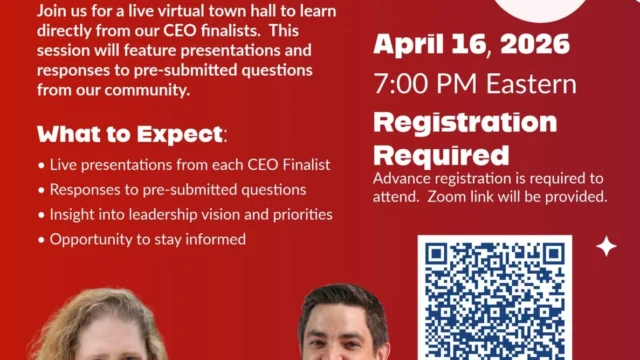
The CEO search process is an ongoing priority for the NAD Board. Dr. Scoggins has confirmed her commitment to supporting the incoming leadership through July 31, 2026, to ensure a seamless transition. Her leadership during this period has been characterized by active collaboration with local California organizations, which have been instrumental in the logistical preparations for the San Francisco conference.
Broader Implications of Recent Developments
The intersection of high-profile legal victories and long-term strategic initiatives places the NAD in a strong position as it enters the latter half of the decade. The organization’s ability to secure large-scale settlements in civil rights cases provides it with the leverage to demand changes in municipal policy, while its educational initiatives like BEDE demonstrate a commitment to long-term systemic progress.
Furthermore, the emphasis on youth programming suggests that the organization is not merely responding to current crises but is actively preparing for the future landscape of Deaf rights. The high demand for the 2026 conference indicates that the NAD remains a vital, central hub for the American Deaf community, functioning as both a watchdog for civil liberties and a facilitator of community empowerment.
As the organization moves toward the May registration deadline and the eventual transition in leadership, the focus remains on maintaining the momentum gained through the legal successes and the structured planning of the 2026 conference. The NAD’s multifaceted approach—combining litigation, policy advocacy, and youth development—continues to be the primary driver of its influence on the national stage. Whether through the enforcement of the ADA in police encounters or the standardization of educational excellence, the NAD continues to advocate for the fundamental rights of Deaf individuals to live, learn, and participate fully in society.