The Diagnostic Dilemma in Neurodegenerative Care
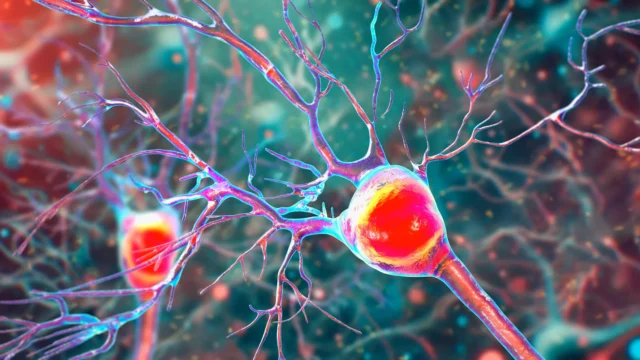
Parkinson’s disease is the second most common neurodegenerative disorder globally, characterized by the progressive loss of dopaminergic neurons in the substantia nigra region of the brain. For decades, the medical community has grappled with the "prodromal" phase of the disease—a period that can last up to 10 years where the pathology is active, but clinical symptoms like tremors, rigidity, and bradykinesia are not yet apparent.
Currently, the diagnosis of PD relies heavily on clinical observation using tools such as the Unified Parkinson’s Disease Rating Scale (UPDRS) and expensive neuroimaging techniques like Dopamine Transporter (DaTscan) SPECT imaging. However, these methods are often subjective or accessible only in high-resource settings. Furthermore, by the time a patient exhibits motor symptoms sufficient for a clinical diagnosis, it is estimated that 60% to 80% of their dopaminergic neurons have already been lost. The urgency for a biological marker that can identify the disease in its infancy is paramount, as early intervention remains the only viable path to optimizing patient care and slowing the progression of the disease.
The Science of Sebum and the Earwax Advantage
The genesis of the earwax study lies in the historical observation that Parkinson’s disease alters the body’s metabolic processes, specifically within the integumentary system. Previous research has established that individuals with PD often exhibit changes in sebum production—an oily, waxy substance produced by the sebaceous glands to lubricate the skin. This phenomenon was famously brought to light by "super-smellers" like Joy Milne, an individual with a heightened sense of smell who could identify a distinct, musky odor on the skin of Parkinson’s patients years before they were clinically diagnosed.
While sebum on the surface of the skin has long been a candidate for diagnostic testing, it presents significant logistical hurdles. Sebum located on the forehead or back is constantly exposed to environmental variables, including air pollution, humidity, topical skincare products, and UV radiation. These external factors can degrade or alter the volatile organic compounds (VOCs) within the sebum, leading to inconsistent results and high rates of false positives or negatives.
To circumvent these issues, the research team led by Hao Dong and Danhua Zhu turned their attention to the ear canal. The ear canal serves as a naturally protected "micro-environment" where sebum, which comprises a major portion of earwax (cerumen), is shielded from the elements. This stability makes earwax a highly reliable medium for analyzing the body’s internal chemical state without the interference of environmental contaminants.
Methodology: From Ear Swabs to Molecular Fingerprinting
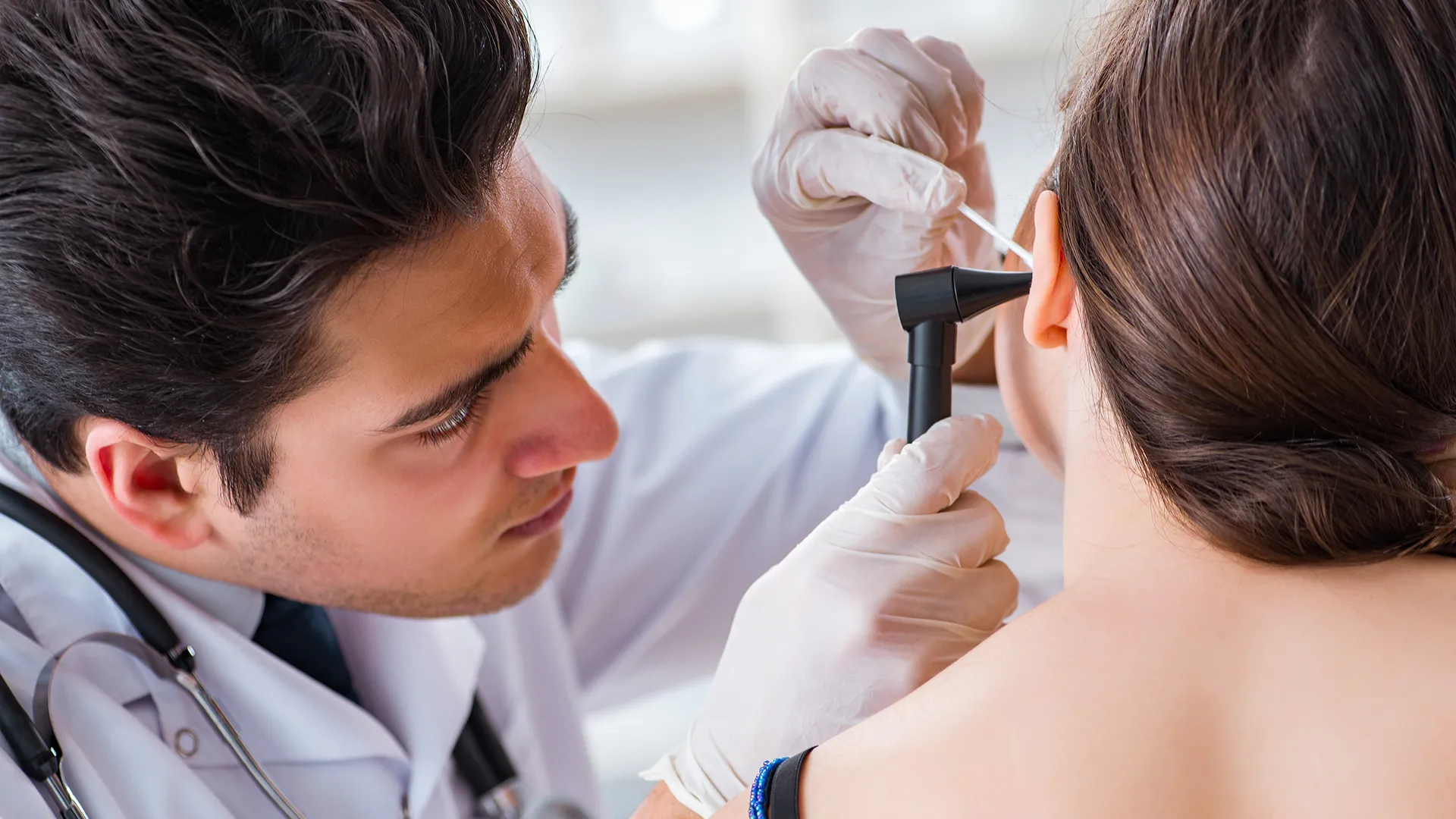
The study involved a cohort of 209 human subjects, comprising 108 individuals already diagnosed with Parkinson’s disease and a control group of 101 healthy participants. The researchers employed a meticulous collection process, swabbing the ear canals of the subjects to gather cerumen samples.
To decode the chemical composition of these samples, the team utilized gas chromatography-mass spectrometry (GC-MS). This analytical technique allows scientists to separate, identify, and quantify the various molecules within a complex mixture. The analysis focused on volatile organic compounds—small molecules that easily evaporate into the air and contribute to the "smell" of a substance.
Upon analyzing the GC-MS data, the researchers identified significant differences in the molecular profiles of the PD group compared to the healthy controls. Specifically, four VOCs emerged as distinct biomarkers for the disease:
- Ethylbenzene: Often associated with metabolic changes and oxidative stress.
- 4-ethyltoluene: A compound that showed marked variance in PD patients.
- Pentanal: An aldehyde linked to lipid peroxidation, a hallmark of systemic inflammation.
- 2-pentadecyl-1,3-dioxolane: A complex molecule whose presence in earwax appears highly correlated with the neurodegenerative process.
These four compounds represent a "molecular fingerprint" of Parkinson’s disease, reflecting the underlying biological shifts—such as neurodegeneration, systemic inflammation, and oxidative stress—that characterize the condition.
The Role of Artificial Intelligence in Olfactory Mapping
The raw data from the GC-MS analysis provided the foundation, but the researchers sought a way to translate these complex chemical signatures into a practical diagnostic tool. To achieve this, they developed and trained an Artificial Intelligence Olfactory (AIO) system.
The AIO system uses machine learning algorithms to recognize the specific patterns and ratios of the four identified VOCs. Unlike human olfaction, which can be influenced by fatigue or subjective bias, the AIO system provides a standardized, objective assessment of the sample. When tested against the earwax samples from the study participants, the AIO-based screening model demonstrated a remarkable 94% accuracy rate in distinguishing between individuals with PD and healthy controls.
This high level of accuracy suggests that the AI model is capable of navigating the subtle nuances of human chemistry, filtering out "noise" to focus on the specific biomarkers of neurodegeneration. The integration of AI not only enhances the precision of the test but also paves the way for the automation of screenings in a clinical setting.
Implications for Global Healthcare and Early Intervention
The development of an earwax-based screening tool carries profound implications for the global healthcare landscape. The cost of managing Parkinson’s disease is staggering; in the United States alone, the economic burden is estimated at $52 billion annually, a figure expected to rise as the population ages. Much of this cost is driven by late-stage care, hospitalizations, and long-term disability.
A low-cost, non-invasive screening tool could revolutionize the "first-line" approach to PD. If implemented during routine check-ups, an earwax swab could identify high-risk individuals before motor symptoms emerge. This would allow for:
- Early Pharmacological Intervention: Starting medications like levodopa or MAO-B inhibitors earlier to manage symptoms more effectively.
- Lifestyle Modifications: Implementing exercise regimens and dietary changes that have been shown to support neuroplasticity and potentially slow disease progression.
- Clinical Trial Enrollment: Providing a steady stream of candidates for clinical trials testing neuroprotective therapies, which are most effective when administered in the early stages of the disease.
Furthermore, the simplicity of the test—a simple ear swab—means it could be deployed in primary care clinics or even as a home-testing kit, reducing the reliance on specialized neurology centers and expensive imaging equipment.
Context and Future Research Directions
While the results of the study are highly promising, the researchers are cautious to emphasize that this is an initial development phase. "This method is a small-scale single-center experiment in China," noted lead researcher Hao Dong. The study’s limitations include a relatively small sample size and a lack of geographic and ethnic diversity, which are crucial factors in validating any diagnostic biomarker.
The research was supported by prestigious institutions, including the National Natural Sciences Foundation of Science and the Pioneer and Leading Goose R&D Program of Zhejiang Province. This backing underscores the scientific community’s interest in alternative diagnostic pathways for neurological disorders.
The next phase of the research will involve multi-center trials across different provinces and countries to ensure the VOC biomarkers are consistent across diverse populations and diets. Additionally, the team plans to investigate how the chemical signature of earwax changes across different stages of Parkinson’s disease. Determining whether the AIO system can differentiate between early-stage, mid-stage, and late-stage PD—or even distinguish PD from other Parkinsonian syndromes like Multiple System Atrophy (MSA)—will be a critical step in its clinical validation.
Conclusion: A New Frontier in Neurology
The shift from invasive or high-cost diagnostics toward accessible, odor-based screening represents a paradigm shift in how we approach brain health. By looking into the ear—a small, often overlooked part of the human anatomy—researchers have found a window into the complex neurochemical changes occurring in the brain.
As the global population continues to age, the prevalence of Parkinson’s disease is expected to double by 2040. In the face of this "Parkinson’s pandemic," the development of the Artificial Intelligence Olfactory system stands as a testament to the power of interdisciplinary research, combining chemistry, neurology, and data science to solve one of medicine’s most enduring mysteries. Should this method pass the rigors of larger clinical trials, the simple act of checking earwax may one day become a standard defense against the progression of one of the world’s most debilitating diseases.