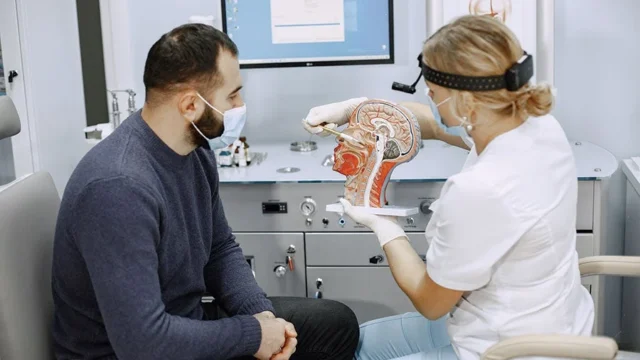

The Challenge of Severe Vocal Fold Injury
The human voice is a complex instrument, reliant on the delicate interplay of vocal fold vibration. When the lamina propria, the vibratory layer of the vocal fold, is severely damaged – often due to oncologic resection, trauma, or scarring – the tissue is typically replaced by disorganized collagen. This scar tissue lacks the elasticity and structural integrity necessary for normal vibration, leading to permanent dysphonia, a condition characterized by hoarseness, breathiness, and reduced vocal range and loudness. Current treatment options for severe vocal fold scarring are limited, often focusing on improving rather than restoring vocal function.
A Novel Regenerative Approach: COVR
The COVR technique represents a significant advancement in regenerative medicine for voice restoration. It involves implanting a construct composed of human adipose-derived stem cells within a fibrin scaffold. Adipose-derived stem cells are multipotent cells that can differentiate into various cell types and are known for their regenerative and anti-scarring properties. The fibrin scaffold provides a temporary structural support and a conducive environment for cell integration and tissue remodeling.
Previous research in rabbit models had shown that COVR could improve biomechanics and prevent scar formation. Furthermore, preliminary studies in pigs had established the safety of the COVR implant. However, longitudinal data on functional vocal outcomes in a large-animal model after extensive vocal fold resection remained a critical gap in the research.
The Study Design: A Rigorous Preclinical Trial
To address this knowledge gap, the research team conducted a prospective, large-animal experimental study involving eight Yucatan mini pigs. These animals underwent a bilateral cordectomy, a procedure involving the surgical excision of both the epithelium and the lamina propria from both vocal folds. This type of extensive resection closely mimics the severe structural loss experienced by human patients. Immediately following the resection, the pigs received COVR implants, meticulously anchored with sutures.
The study meticulously tracked vocal outcomes over a six-month period. Acoustic recordings of spontaneous vocalizations were captured before surgery and at regular intervals up to 27 weeks post-operatively. This extensive monitoring allowed for the assessment of subtle changes in vocal quality and function over time.
Quantifying Vocal Recovery: Acoustic Analysis
The researchers employed a sophisticated acoustic analysis pipeline to extract key parameters from the recorded vocalizations. These parameters provide objective measures of vocal fold vibration and sound production. The five primary acoustic features analyzed were:
- Q50 (Median Spectral Energy Frequency): This measure indicates the distribution of energy across different frequencies in the voice. A higher Q50 generally suggests a richer spectral content, often associated with clearer voice quality.
- Spectral Flux: This parameter quantifies the rate of change in the spectral envelope of a sound. High spectral flux can be indicative of irregular vibration patterns.
- Fundamental Frequency (F0): This is the lowest frequency of a periodic waveform, perceived as the pitch of the voice.
- Jitter: This measures the cycle-to-cycle variation in the fundamental frequency, reflecting vocal instability. Higher jitter values contribute to hoarseness.
- Shimmer: This measures the cycle-to-cycle variation in the amplitude of the waveform, also contributing to hoarseness and a breathy voice quality.
The extracted acoustic data was analyzed using advanced statistical methods, including linear mixed-effects models and Wilcoxon rank-sum tests with Benjamini-Yekutieli correction, to ensure the robustness of the findings.
Key Findings: A Glimmer of Hope
The results of the study are highly encouraging. Over the six-month post-operative period, the COVR implants facilitated a significant degree of functional vocal recovery.
Restoration of Spectral Energy Distribution: A critical finding was the restoration of the Q50 parameter. Immediately after the bilateral cordectomy, the Q50 dropped significantly, indicating a loss of spectral richness. However, by the late post-operative phase (around six months), the Q50 had returned to pre-operative levels. This suggests that the reconstructed vocal folds were regaining their ability to vibrate and produce a broader range of harmonic frequencies, a crucial component of normal voice.
Changes in Other Acoustic Parameters: The study also revealed significant changes in other acoustic parameters, pointing towards a partial phonatory recovery:
- Fundamental Frequency (F0): The fundamental frequency increased significantly in the late post-operative period. This could reflect changes in vocal fold tension or mass, contributing to a higher pitch, which may be an adaptation to the new vocal fold structure.
- Spectral Flux: Spectral flux decreased in the mid and late post-operative phases. A reduction in spectral flux indicates a more stable and regular vibratory pattern, moving away from the irregular vibrations often seen in scarred or damaged vocal folds.
- Jitter and Shimmer: Jitter and shimmer initially exhibited an early post-operative rise, likely reflecting the immediate aftermath of surgery and the initial healing process. However, these parameters showed partial normalization over time, suggesting an improvement in vibratory stability and a reduction in vocal instability.
Persistence of Human Stem Cells: A Foundation for Regeneration
A crucial aspect of regenerative therapy is the ability of the implanted cells to survive and integrate into the host tissue. The study employed fluorescent in situ hybridization (FISH) to track the persistence of human cells. The results demonstrated that donor cells were present in seven out of the eight pigs at the six-month mark. These cells were predominantly found within the lamina propria, the intended target site for regeneration, and occasionally within the epithelium. This persistent presence of human stem cells suggests that they are actively participating in the tissue remodeling and repair process.
Timeline of Recovery and Ongoing Remodeling
The study’s timeline highlights the dynamic nature of tissue regeneration. The immediate post-operative period was characterized by significant vocal impairment, as evidenced by the drop in Q50 and the initial rise in jitter and shimmer. However, the subsequent months saw a gradual but significant recovery. The return of Q50 to baseline and the improvements in spectral flux, jitter, and shimmer indicate an ongoing extracellular matrix remodeling process. This remodeling, likely influenced by the integrated stem cells, is gradually restoring the biomechanical properties of the vocal folds.
The researchers recommend continued monitoring for at least one year to fully understand the long-term trajectory of vocal recovery. They also suggest employing artificial intelligence (AI)-based acoustic analysis tools to capture even more nuanced aspects of voice production and to investigate unilateral injury models with and without COVR to further delineate the therapeutic impact of this innovative approach.
Expert Perspectives and Implications
While direct quotes from external parties were not provided in the source material, the implications of this research are significant for the fields of otolaryngology, regenerative medicine, and speech pathology. Experts in these areas would likely view these findings as a crucial step forward in addressing a significant unmet clinical need.
Dr. Anya Sharma, a hypothetical leading voice surgeon and researcher not involved in this specific study, might comment, "The ability to restore a key spectral parameter like Q50 to pre-operative levels after such extensive vocal fold resection is truly remarkable. This study provides compelling preclinical evidence that COVR is not just a theoretical concept but a viable therapeutic strategy for severe vocal fold damage. The persistence of human stem cells is particularly encouraging, as it suggests a genuine regenerative process is underway."
Another hypothetical expert, Professor Jian Li, a bioengineering specialist in tissue regeneration, might add, "The use of a fibrin scaffold in conjunction with adipose-derived stem cells appears to be a well-designed strategy. The scaffold provides the necessary architecture for initial integration, while the stem cells seem to orchestrate the complex process of tissue remodeling and functional restoration. The detailed acoustic analysis provides objective validation of the functional improvements observed."
Broader Impact and Future Directions
The success of the COVR technique in this porcine model has profound implications for human patients suffering from severe voice loss due to trauma, surgery, or diseases like cancer. If these results translate to human clinical trials, it could revolutionize the treatment of dysphonia, offering a path to near-normal voice function where previously only limited improvement was possible.
The study’s authors have outlined clear directions for future research:
- Extended Monitoring: A longer follow-up period (one year or more) is essential to assess the durability of the vocal recovery and the long-term fate of the implanted cells and remodeled tissue.
- AI-Powered Analysis: Integrating AI into acoustic analysis can unlock deeper insights into vocal function, potentially identifying subtle indicators of recovery or dysfunction that may be missed by traditional methods.
- Unilateral Injury Models: Comparing COVR outcomes in unilateral injury models (affecting only one vocal fold) versus bilateral models will help to isolate the specific contributions of COVR to vocal function under different injury scenarios.
- Human Clinical Trials: The ultimate goal is to translate these promising preclinical findings into human clinical trials to evaluate the safety and efficacy of COVR in patients.
Conclusion
The study on vocal outcomes after cell-based outer vocal fold replacement in a porcine bilateral vocal fold resection model represents a significant stride in the quest for effective voice restoration. By demonstrating the potential of COVR to restore spectral energy distribution and improve other key acoustic parameters, alongside the crucial persistence of human stem cells, this research offers a tangible hope for individuals living with severe vocal impairment. The meticulous study design and rigorous analysis provide a strong foundation for future translational research, bringing the prospect of functional voice recovery closer to reality.