Defining the Clinical Landscape
Microtia and atresia are congenital anomalies that occur during the first trimester of pregnancy. Microtia is clinically graded on a scale of one to four, ranging from a slightly smaller, atypically shaped ear to the complete absence of external ear structures (anotia). Atresia, the accompanying absence or blockage of the external auditory canal, often results in conductive hearing loss.
When these conditions manifest in only one ear, the result is unilateral hearing loss (UHL) or single-sided deafness (SSD). For decades, the medical community frequently characterized UHL as a manageable condition, often assuming that the presence of a "good" ear would compensate for the hearing deficit. However, modern audiological research has fundamentally shifted this perspective. Data now indicates that children with UHL face significant barriers in auditory processing, particularly in environments characterized by high background noise, such as traditional classrooms or crowded social settings.
The Developmental Implications of Unilateral Hearing Loss
The challenges faced by children with UHL extend beyond the simple inability to hear sounds on one side. The primary obstacle is sound localization—the brain’s ability to identify the direction from which a sound originates. In the absence of binaural hearing, a child’s brain struggles to filter out distracting ambient noise, a phenomenon known as the "head shadow effect."
Research suggests that children with UHL are at an increased risk for academic fatigue and social withdrawal. Because these children must exert significantly more cognitive effort to decode speech in noisy environments, they often experience "listening fatigue." By the end of a standard school day, this exertion can lead to diminished attention spans and reduced academic engagement. Longitudinal studies have indicated that approximately 30% to 40% of children with UHL may require some form of academic support or intervention at some point during their K-12 education to prevent these developmental gaps from widening.
A Chronology of Care: The Listen and Talk Model
The journey for families affected by microtia atresia often begins in the neonatal period. Early detection through newborn hearing screening programs is the first step, followed by diagnostic imaging—often computed tomography (CT) scans—to assess the status of the middle and inner ear structures as the child approaches school age.
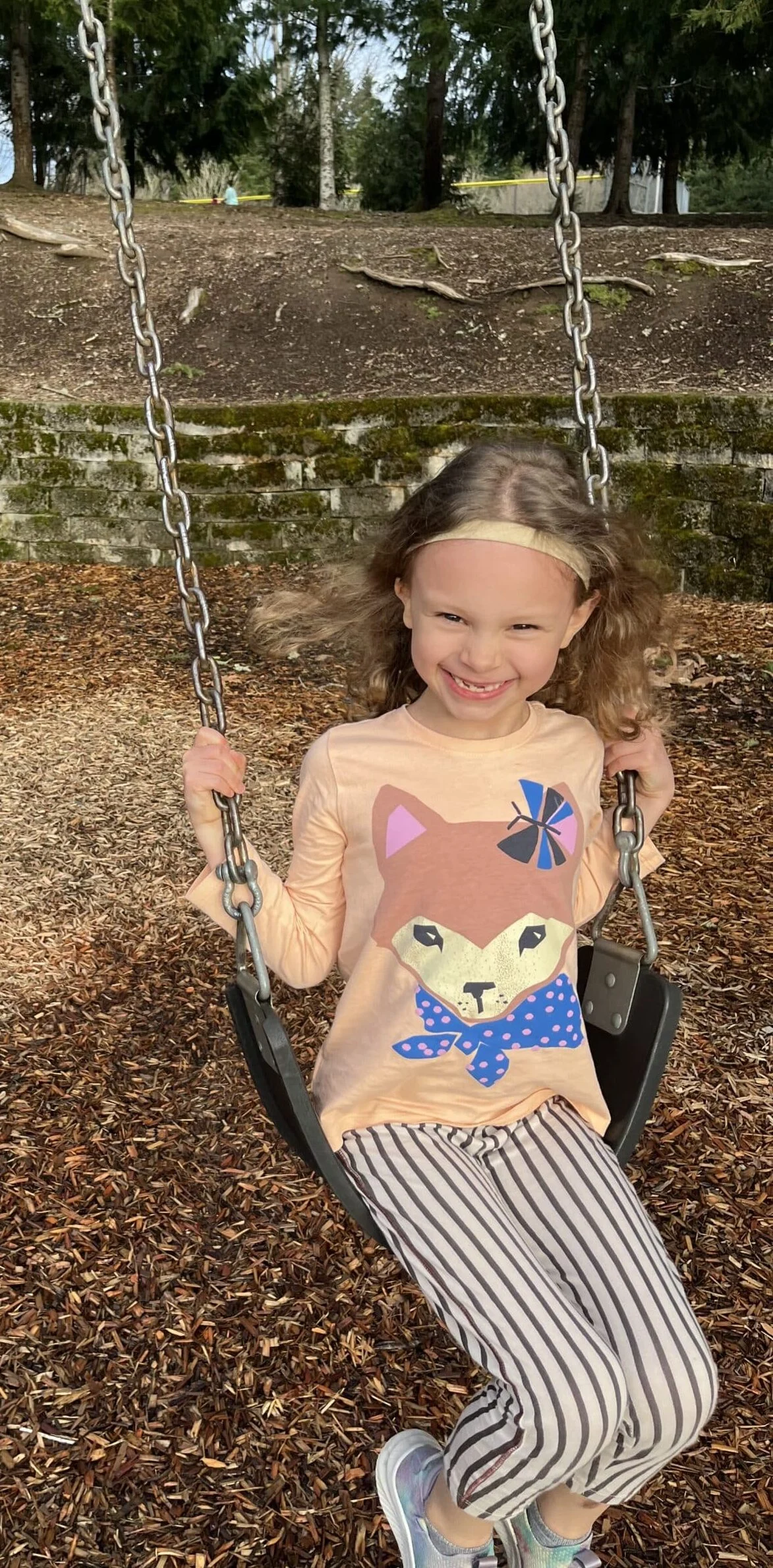
For families like that of Adeline, a young student who has navigated the challenges of moderate to severe conductive hearing loss, the path to intervention was characterized by a multi-stage process. Diagnosed at five weeks of age, Adeline’s initial years were focused on learning to navigate a world where sound was directional-limited. At age four, clinical evaluations revealed that her atresia was due to solid bone development where the ear canal should have been, with the ossicles of the middle ear fused to the skull.
The role of Listen and Talk, a specialized center for Listening and Spoken Language (LSL) education, became pivotal during this period. LSL is an approach that prioritizes the use of residual hearing, often augmented by hearing technology like bone-anchored hearing systems (BAHA) or Ponto devices, to facilitate the development of spoken language. Unlike sign-only or mixed-modality approaches, LSL mandates a high-intensity auditory environment. The program’s methodology involves:
- Auditory Training: Coaching the brain to interpret signals from hearing technology as meaningful speech.
- Environmental Modification: Implementing acoustic strategies in classrooms to minimize reverberation and background noise.
- Self-Advocacy Coaching: Empowering the child to communicate their needs to teachers and peers.
Institutional Impact and Educational Advocacy
The effectiveness of LSL education is rooted in the neuroplasticity of the developing brain. By providing consistent, high-quality auditory input during the critical years of language acquisition (birth to age five), the LSL model helps children integrate their technological aids into their daily sensory processing.
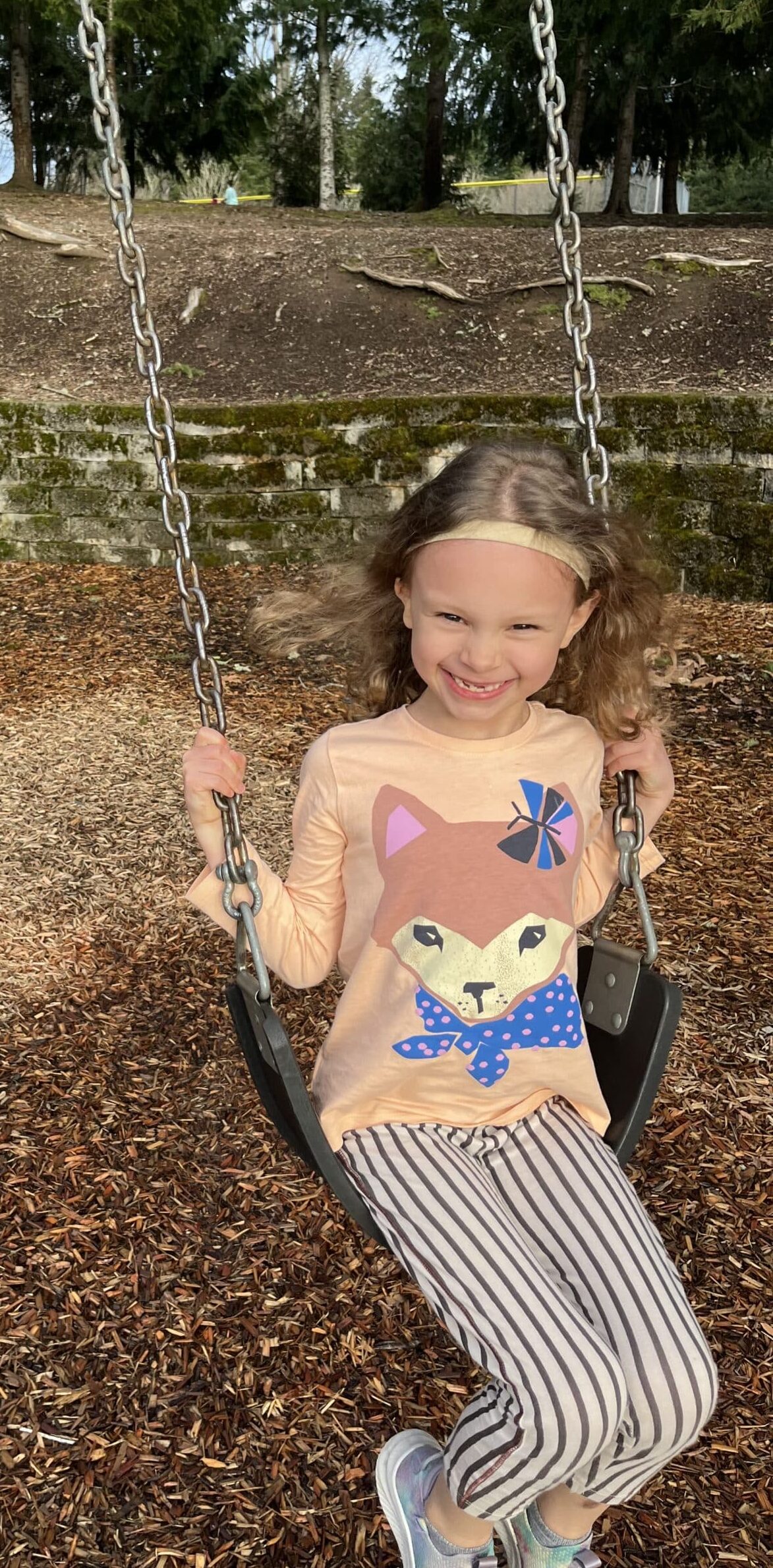
"Listen and Talk stepped in alongside our family as we were navigating a new diagnosis that we knew nothing about," says Jessie, Adeline’s mother. "They gave us resources and information to inform our decision-making and helped us navigate confusing systems. They advocated for Adeline before we could find our voice to do so ourselves."
This advocacy is a cornerstone of the organization’s mission. By transitioning parents from passive recipients of medical advice to active participants in their child’s educational planning, the program ensures that interventions are sustained across all environments, including home, therapy, and the public school system.
Broader Societal and Clinical Implications
The success of early intervention programs is increasingly evident as children with microtia atresia enter primary school. The goal of current clinical and educational efforts is to move away from viewing the condition as a "disability to be fixed" and toward viewing it as a "difference to be accommodated."
In the case of Adeline, the transition to a mainstream first-grade classroom has been marked by successful integration. Her ability to participate in extracurricular activities, such as school choir, serves as an indicator of the success of early LSL interventions. By equipping her with both the necessary hearing technology and the confidence to advocate for her own needs, the program has enabled her to thrive alongside her typically hearing peers.
However, the broader implication for public policy remains the need for equitable access to specialized audiology and therapy. As awareness grows, medical professionals are increasingly encouraged to refer families to LSL specialists immediately upon diagnosis, rather than adopting a "wait and see" approach.
Moving Forward: Access to Resources
For parents receiving a diagnosis of microtia atresia, the landscape can appear daunting. Organizations like Listen and Talk and the Washington chapter of Hands and Voices provide structured frameworks to navigate the complexities of audiological, educational, and emotional support.
Key recommendations for families include:
- Early Consultation: Engaging with an LSL specialist as soon as a hearing loss is identified.
- Comprehensive Screening: Ensuring that school-age children are evaluated for academic fatigue, not just speech-language milestones.
- Technology Maintenance: Working closely with audiologists to ensure that devices are optimized for the child’s specific anatomy and hearing profile.
As National Microtia Atresia Awareness Day continues to highlight these needs, the focus remains on the ultimate objective: ensuring that no child is limited by their hearing loss. Through a combination of early technological intervention, dedicated speech and language therapy, and a robust support system for families, the long-term prognosis for children born with microtia atresia is increasingly bright, shifting the narrative from limitation to potential.
For those looking to support these initiatives, contributions to organizations like Listen and Talk directly fund the essential diagnostic, therapeutic, and educational programs that bridge the gap between diagnosis and success. By fostering an environment where children are empowered to advocate for their needs, the community ensures that students like Adeline are not just navigating their educational journey—they are succeeding in it.