
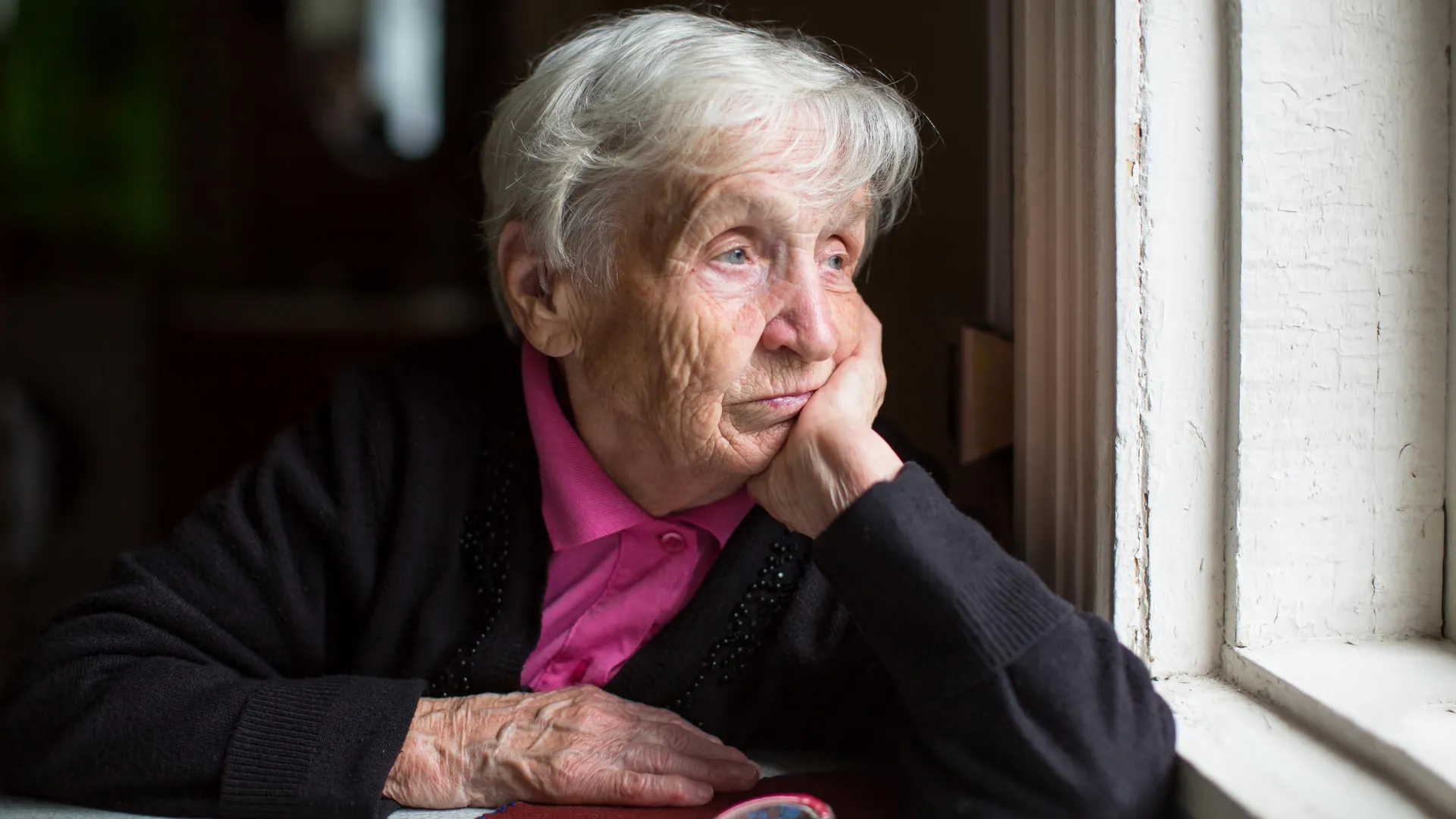
The research arrives at a pivotal moment for global public health. According to the World Health Organization (WHO), hearing impairment is one of the most prevalent chronic conditions affecting older adults, with nearly 25% of individuals over the age of 60 experiencing disabling hearing loss. Projections suggest that by 2050, nearly 2.5 billion people will live with some degree of hearing impairment. While the social and communicative barriers created by hearing loss have long been recognized, its role as a modifiable risk factor for dementia and general cognitive decline has become a focal point of geriatric research. The UNIGE study advances this field by isolating the psychological variables that exacerbate the relationship between sensory loss and neurological aging.
The SHARE Study: A Foundation of Longitudinal Data
To reach these conclusions, the UNIGE research team, led by experts from the Lifespan Developmental Psychology Lab and the Cognitive Ageing Lab, utilized the Survey of Health, Ageing and Retirement in Europe (SHARE). Launched in 2002, SHARE is a massive, multidisciplinary database containing microdata on health, socio-economic status, and social and family networks for more than 140,000 individuals aged 50 and older across 28 European countries and Israel.
For this specific investigation, the researchers focused on a subset of 33,000 participants from 12 countries, including Switzerland, Germany, France, and Italy. The longitudinal nature of the SHARE data allowed the team to track changes over time, as participants are surveyed every two years. This temporal depth was essential for distinguishing between temporary fluctuations in mood or hearing and the long-term trajectories of cognitive decline.
Participants were subjected to a battery of assessments, including standardized tests for episodic memory—the ability to recall specific events, times, and places. These cognitive evaluations were cross-referenced with self-reported hearing abilities and detailed questionnaires regarding social integration. The researchers were particularly interested in two distinct metrics: objective social isolation (the frequency of contact with others and the size of one’s social circle) and subjective loneliness (the internal emotional distress caused by a perceived lack of connection).
Defining the Three Profiles of Social Connection
The core of the UNIGE analysis involved categorizing participants into three distinct profiles based on their social circumstances and psychological states. This categorization allowed the team to move beyond the traditional binary of "isolated" versus "integrated."
The first profile consisted of individuals who were socially integrated and reported no significant feelings of loneliness. These individuals maintained regular contact with friends, family, and community groups and felt emotionally satisfied with those connections. The second profile included those who were both socially isolated—having few social contacts—and felt lonely as a result. The third and perhaps most significant profile identified individuals who were not objectively isolated—they lived with others or saw people regularly—but who nonetheless reported high levels of perceived loneliness.
By applying these profiles to data regarding hearing loss, the researchers were able to pinpoint which groups were most vulnerable to accelerated memory loss. The results showed that hearing loss does not affect all older adults equally; its impact is heavily mediated by the individual’s emotional state.
The Synergistic Effect of Loneliness and Hearing Loss
The study’s most striking finding was that individuals in the third profile—those who are socially integrated but feel lonely—experience the most rapid cognitive decline when hearing loss is present. This suggests an "explosive" synergy between sensory deprivation and psychological distress. While the "isolated and lonely" group also showed decline, the researchers noted that the "lonely but not isolated" group represented a critical target for intervention because their cognitive health was tied so closely to their ability to engage with the social world they already inhabited.
Matthias Kliegel, a professor in the Cognitive Ageing Laboratory at UNIGE and co-author of the study, noted that the findings emphasize the difference between a person’s environment and their experience of that environment. When an individual has a social network but cannot effectively participate in it due to hearing impairment, the resulting sense of loneliness acts as a catalyst for cognitive deterioration.
From a biological and psychological perspective, several theories explain this phenomenon. One is the "Cognitive Load Theory," which suggests that when hearing is impaired, the brain must divert significant resources toward decoding sound and speech. This leaves fewer resources available for memory encoding and other high-level cognitive functions. When loneliness is added to the mix, the chronic stress associated with social dissatisfaction may further tax the brain’s resilience, leading to the accelerated "wear and tear" observed in the study.
Historical Context and the Evolution of Hearing Research
The UNIGE study builds upon a decade of evolving research regarding the "Lancet Commission on Dementia Prevention, Intervention, and Care." In 2017 and updated in 2020, the Lancet Commission identified hearing loss in midlife as the single largest modifiable risk factor for dementia, potentially accounting for 8% of all cases worldwide.
Historically, hearing loss was often dismissed as an inevitable and relatively harmless part of aging. However, as global life expectancy has increased, the long-term consequences of untreated sensory loss have become clearer. Previous studies have indicated that hearing loss can lead to "social pruning," where individuals gradually withdraw from complex social environments because the effort required to communicate becomes exhausting. This withdrawal leads to decreased brain stimulation, which is known to speed up the atrophy of the auditory cortex and related memory centers in the temporal lobe.
The UNIGE research adds a layer of psychological complexity to this timeline, suggesting that the subjective feeling of being "left out" or "disconnected" (loneliness) is the specific mechanism that accelerates the decline, rather than just the physical absence of other people.
Implications for Public Health and Clinical Intervention
The practical implications of these findings are profound for both healthcare providers and policymakers. Charikleia Lampraki, a postdoctoral researcher at UNIGE and the study’s first author, emphasized that the results support a proactive approach to hearing health.
For the "integrated but lonely" group, the intervention is relatively straightforward: the provision of hearing aids. "These individuals are already socially integrated," Lampraki noted. "It is a matter of removing a sensory barrier in order to reinforce their engagement and protect their cognitive health." By restoring the ability to hear, clinicians can effectively reduce the subjective loneliness caused by communication difficulties, thereby slowing the rate of memory loss.
However, the study also highlights the need for a more holistic approach to geriatric care. Screenings for older adults should not only focus on physical health and cognitive scores but should also include assessments of social connectivity and perceived loneliness. In many healthcare systems, hearing care remains siloed from mental health and primary care, often with high out-of-pocket costs for hearing aids. The UNIGE findings suggest that making hearing care more accessible could have significant downstream effects on reducing the prevalence and costs of dementia.
Expert Reactions and the Path Forward
While the UNIGE team focuses on the European context, the global research community has reacted to the findings with interest. Gerontologists suggest that the study reinforces the "use it or lose it" hypothesis of cognitive reserve. By maintaining social engagement through better hearing, individuals continue to "exercise" their brains, building a reserve that can withstand the biological markers of aging for longer periods.
Andreas Ihle, assistant professor at the Lifespan Lab and director of the study, pointed out that the 12-country scope of the research ensures that the findings are not limited to a single cultural context but represent a broader trend across developed nations. The consistency of the data across different social welfare systems and cultural attitudes toward aging underscores the biological and psychological universality of the hearing-loneliness-cognition link.
As the global population continues to age, the burden of cognitive decline is expected to place unprecedented strain on social and economic systems. The WHO estimates the global cost of dementia at over $1.3 trillion annually. If interventions as simple as hearing aid fittings and social engagement programs can delay the onset of significant memory loss, the economic and human benefits would be substantial.
Conclusion: A Call for Preventive Hearing Care
The University of Geneva study provides a clear mandate for the integration of sensory health into the broader framework of healthy aging. By identifying the specific vulnerability of lonely individuals with hearing loss, the research shifts the focus from general social isolation to the quality of social experience.
The findings underscore that cognitive decline is not an unavoidable consequence of hearing loss, but rather a process that is accelerated by the psychological fallout of sensory impairment. To mitigate this risk, the researchers advocate for early detection, the removal of social stigmas surrounding hearing aids, and a greater awareness of the emotional needs of older adults. As the SHARE study continues to track the aging population of Europe, it will likely provide further insights into how the intersection of physical health and psychological well-being shapes the final decades of life. For now, the message is clear: protecting the ears is a vital step in protecting the mind.