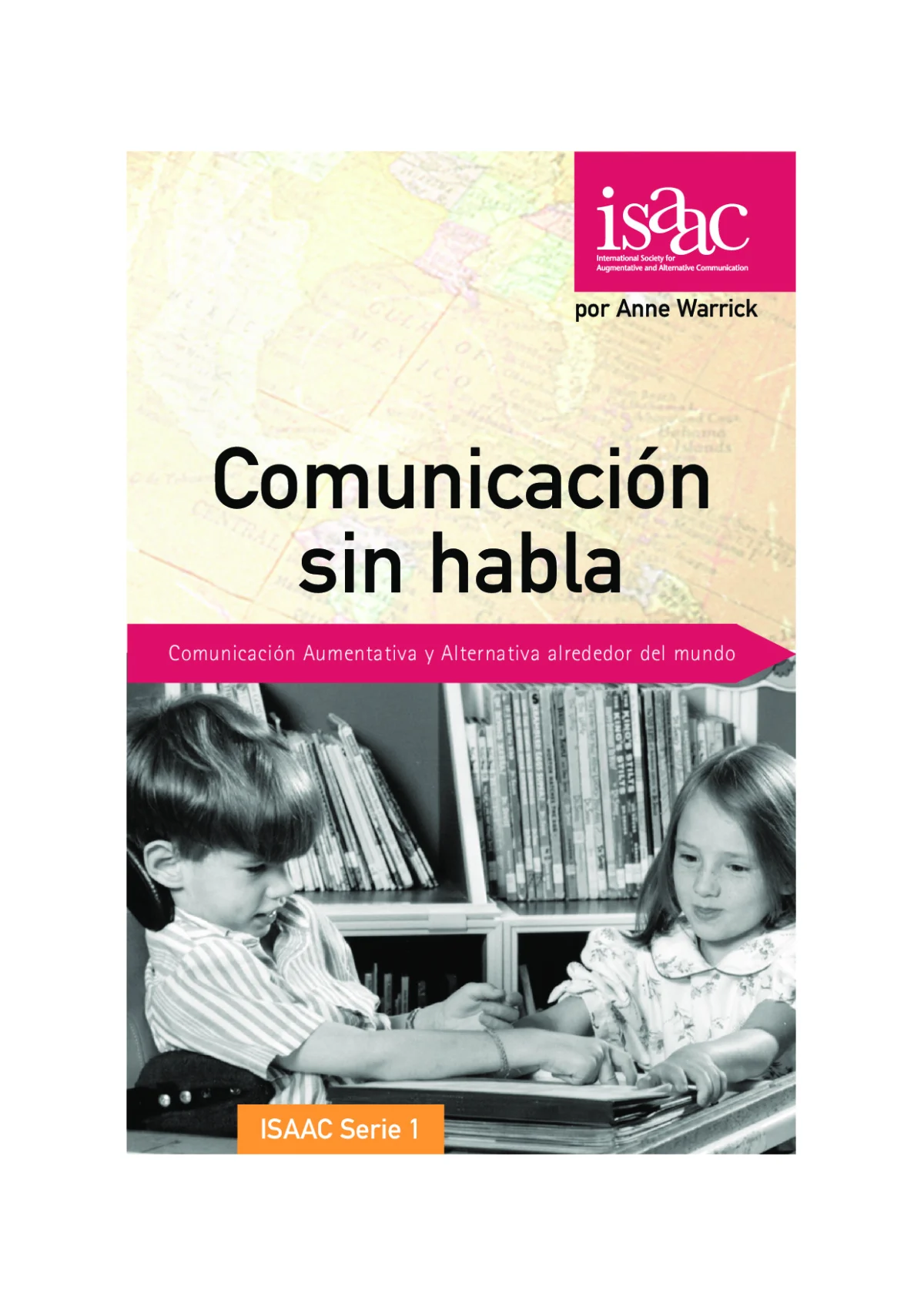
Historical Context and the Evolution of International Book Day
International Book Day, celebrated annually on April 23rd, was established by UNESCO in 1995 to honor authors and encourage reading globally. The date holds historical significance, marking the anniversary of the deaths of William Shakespeare, Miguel de Cervantes, and Inca Garcilaso de la Vega. While the event is traditionally associated with literature and academic excellence, its application to the field of AAC has gained momentum in recent years. For the Spanish-speaking community, the day has become an opportunity to highlight the "translation gap"—a phenomenon where critical scientific advancements in speech-language pathology often remain inaccessible to practitioners in Latin America and Spain for years due to the dominance of English-language journals and textbooks.
The Current Landscape of AAC Literature in Spanish
The demand for high-quality, Spanish-language materials is driven by an increasing recognition of the prevalence of communication disorders. According to the World Health Organization (WHO), approximately 15% of the world’s population lives with some form of disability, and a significant portion of this group requires support for speech and language impairments. Despite these figures, the availability of specialized, translated literature has historically been inconsistent.
Recent initiatives, spearheaded by organizations such as the International Society for Augmentative and Alternative Communication (ISAAC), have sought to rectify this disparity. By facilitating the translation of seminal texts, these organizations are democratizing access to clinical expertise. This shift is essential because effective AAC intervention is not one-size-fits-all; it requires a deep understanding of linguistic nuances, cultural contexts, and specific developmental trajectories that are often better addressed through literature written or translated by experts familiar with the target language.
Spotlight on Foundational Texts: A New Standard
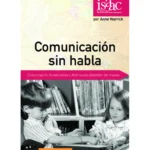
A significant development in the professionalization of AAC in Spanish-speaking regions is the release of comprehensive, evidence-based textbooks. Among the most notable is Comunicación aumentativa y alternativa para niños, adolescentes y adultos con trastornos del desarrollo, authored by Stephen von Tetzchner, Harald Martinsen, and Kristine Stadskleiv.
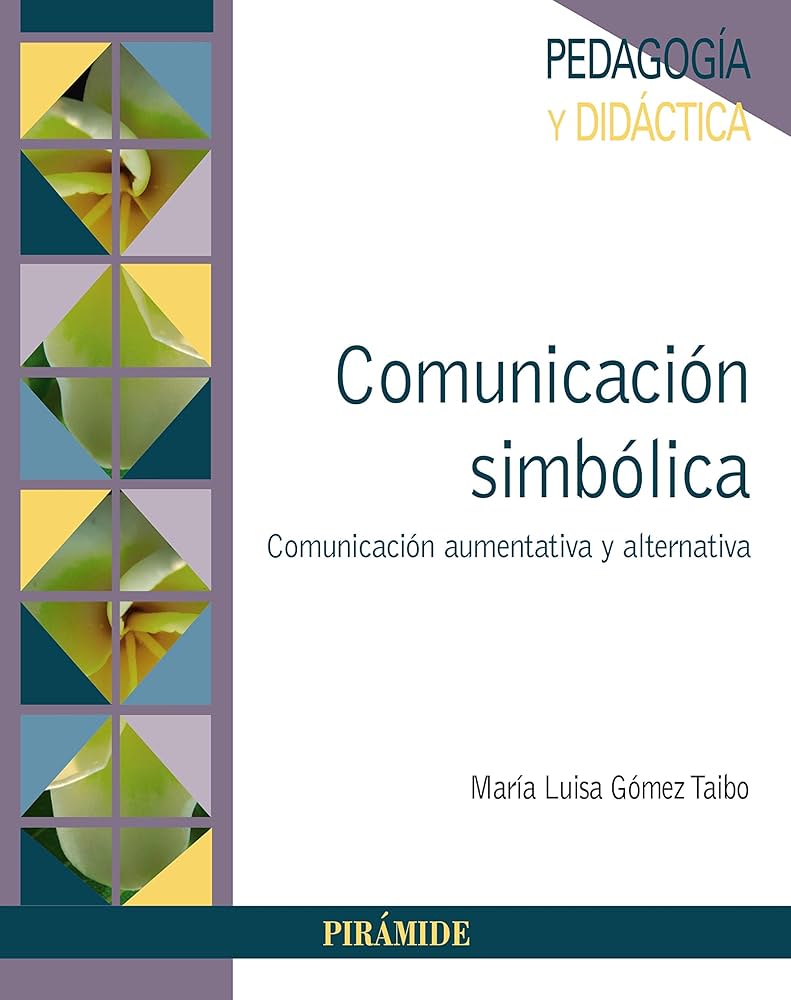
This text represents a paradigm shift for Spanish-speaking clinicians. Unlike earlier, more fragmented resources, this work provides a cohesive, multi-disciplinary approach. It covers:
- Theoretical Foundations: Establishing the neurodevelopmental and linguistic underpinnings of communication.
- Assessment Methodologies: Standardizing how professionals identify the unique needs of non-verbal or minimally verbal individuals.
- Intervention Strategies: Providing actionable, evidence-based steps for educators and therapists to implement in classrooms and home settings.
- Developmental Perspectives: Addressing the lifecycle of communication needs, from early childhood to adulthood.
The integration of such texts into the curriculum of universities across Ibero-America is expected to raise the standard of care significantly, moving away from anecdotal practice toward a model driven by empirical data.
Chronology of AAC Resource Development
The path to current accessibility has been a gradual, decades-long process:

- 1980s–1990s: The emergence of AAC as a formal field of study, largely localized in North America and Northern Europe. Spanish-speaking regions relied heavily on imported, untranslated English texts.
- 2000–2010: The rise of digital communication and global networking through organizations like ISAAC, which began facilitating international conferences and regional chapters.
- 2011–2020: Increased focus on localized research. Studies began to emerge from universities in Spain, Mexico, Argentina, and Chile, highlighting the need for culturally specific AAC tools.
- 2021–Present: A surge in translated professional literature and a focus on digital literacy, allowing for real-time sharing of resources and peer-to-peer training via virtual platforms.
Data-Driven Implications for Clinical Practice
The impact of providing specialized literature in Spanish is measurable through improved outcomes in clinical settings. Analysis of practitioner performance indicates that when clinicians have access to materials in their primary language, there is a marked increase in:
- Diagnostic Accuracy: Professionals are better equipped to distinguish between developmental language disorders and cognitive delays when provided with clear, translated assessment criteria.
- Parental Engagement: When families can access translated guides and educational materials, their ability to support the AAC user at home increases, which is a primary predictor of successful communication outcomes.
- Implementation Consistency: Standardized texts ensure that school districts and therapy centers follow uniform protocols, reducing the variability of support for students with CCN.
Official Responses and Professional Consensus
Industry experts emphasize that the translation of these resources is not merely a linguistic convenience but a professional imperative. "The ability to provide care based on global standards requires that those standards be communicated in the native language of the practitioner," notes one clinical researcher in the field. The consensus among global AAC organizations is that the next decade must focus on "contextualization"—the process of taking global evidence and applying it to the specific sociocultural realities of Spanish-speaking nations. This includes acknowledging local dialects, educational system structures, and economic factors that influence the availability of technology-based AAC tools.
Broader Implications for Inclusion
The broader implication of this trend is a more inclusive society. As AAC resources become more widely available in Spanish, the stigma surrounding non-traditional communication methods continues to diminish. Teachers in general education classrooms are better prepared to integrate AAC users, and healthcare systems are increasingly recognizing the necessity of providing communication support as part of basic human rights.
Furthermore, the shift toward accessible knowledge reduces the "professional isolation" felt by many clinicians working in rural or under-resourced areas. When a speech-language pathologist in a remote region of South America can access the same foundational knowledge as their counterpart in a major metropolitan center, the quality of care becomes standardized, regardless of geography.
Future Directions: Sustainability and Digital Access
Looking ahead, the focus of organizations like ISAAC and various regional affiliates is shifting toward digital sustainability. The goal is to move beyond physical books and toward dynamic, updated digital repositories. These platforms allow for the immediate update of clinical guidelines, ensuring that as new research emerges, it is translated and disseminated without the lag time associated with traditional publishing.
Moreover, there is an ongoing push to include "lived experience" narratives in these resources. While theoretical textbooks provide the framework, the inclusion of accounts from AAC users themselves—translated and culturally adapted—remains the next frontier in the field. This evolution from a purely academic perspective to a user-centered, human-rights-based perspective is essential for the continued progress of AAC in the Spanish-speaking world.
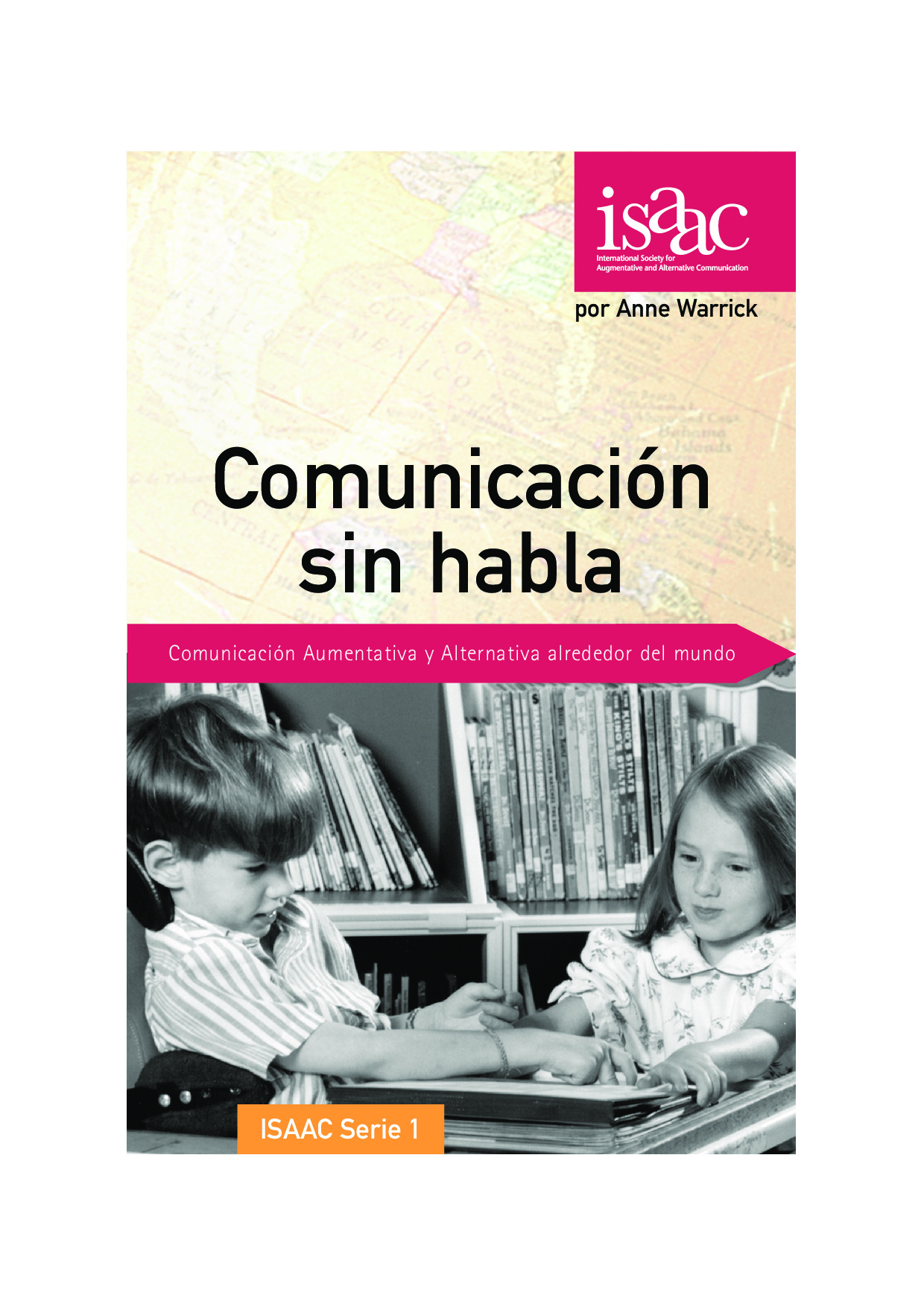
As the international community continues to celebrate the power of the written word, the efforts to strengthen the library of AAC knowledge in Spanish remain a testament to the commitment of those working to ensure that every individual, regardless of their ability to speak, has the tools to make their voice heard. The convergence of professional training, evidence-based practice, and accessible language is, ultimately, the most effective way to foster an environment where communication is not a privilege, but a reality for all.