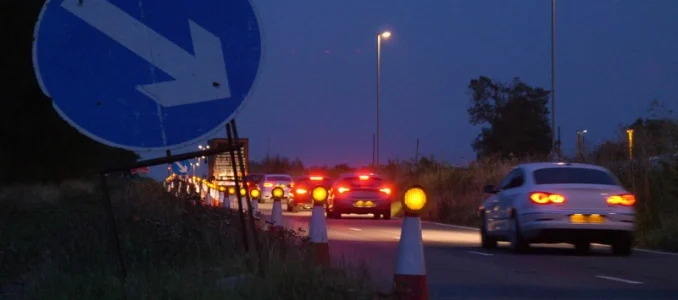
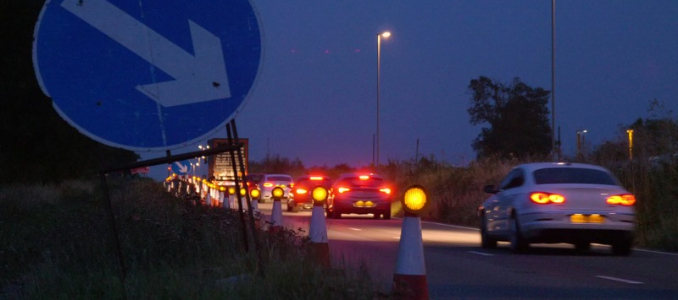
The transition to nocturnal construction cycles is driven by a necessity to balance infrastructure maintenance with the fluidity of urban and interstate traffic. Yet, the same factors that make nighttime work attractive—reduced traffic volume and cooler temperatures—also introduce heightened risks. The primary hazards identified by the FHWA include driver fatigue, impaired operation of vehicles, and, most notably, excessive speed. The agency’s latest guidance underscores that speed was a contributing factor in more than 30 percent of all fatal work zone collisions throughout the 2023 calendar year.
The Evolution of Work Zone Hazards
The chronology of work zone safety has shifted significantly over the past two decades. Historically, highway construction was predominantly a daytime endeavor. As the U.S. population increased and urban centers expanded, the "rush hour" phenomenon began to bleed into mid-day operations, leading to massive productivity losses caused by lane closures. In response, state Departments of Transportation (DOTs) began implementing "night work" mandates in their contracts to ensure that major artery repairs would occur during low-volume hours.
While this strategy successfully reduced traffic delays, it inadvertently created a new, more dangerous environment for crews. Nighttime visibility is inherently limited, and despite the use of high-intensity artificial lighting, the contrast between the illuminated work zone and the pitch-black surroundings can cause visual disorientation for passing motorists. Furthermore, the psychological profile of the nighttime driver often differs from that of the daytime commuter; nighttime drivers are statistically more likely to be experiencing sleep deprivation or operating under the influence of substances, both of which severely impair reaction times and spatial awareness.
Analyzing the Data: A Crisis in Plain Sight
The 2023 fatality figures serve as a somber reminder of the vulnerabilities inherent in roadside labor. When examining the mechanics of these accidents, the FHWA notes a clear correlation between the speed of approaching vehicles and the severity of outcomes. In a work zone, the difference between a near-miss and a fatal strike is often measured in milliseconds. When a driver enters a work zone at high speeds, they have significantly less time to process the presence of traffic cones, directional signage, or the physical presence of personnel.

Data from the National Highway Traffic Safety Administration (NHTSA) further supports the FHWA’s findings, suggesting that work zone crashes are disproportionately lethal because they involve high-energy impacts against vulnerable targets. Unlike a collision between two passenger vehicles—which feature crumple zones and airbag systems—a highway worker has almost no physical protection against a multi-ton vehicle. As the density of road work increases due to aging infrastructure and federal funding initiatives like the Bipartisan Infrastructure Law, the frequency of worker exposure has reached an all-time high, compounding the risk factors.
Strategic Frameworks for Enhanced Protection
In response to these trends, the FHWA has released a series of recommended strategies for state agencies to implement. While these guidelines are informational and do not carry the force of federal law, they represent the current "best practices" recognized by national safety experts.
One of the cornerstone recommendations involves the use of Intelligent Transportation Systems (ITS). These systems include real-time speed monitoring and digital signage that can alert drivers to their current speed relative to the work zone limit. By providing immediate visual feedback, these systems serve as a psychological deterrent to speeding.

Additionally, the FHWA emphasizes the importance of standardized lighting. Improving the uniformity of light levels across a construction site prevents the "blind spot" effect that occurs when a driver transitions from a poorly lit stretch of highway into a brightly lit construction zone. By maintaining consistent luminance, agencies can ensure that workers remain visible without creating glare that might distract oncoming traffic.
State-Level Innovations and Pilot Programs
Several states have moved beyond basic compliance, testing advanced technologies to secure their work zones. These efforts reflect a proactive approach to the "Vision Zero" philosophy—a strategy to eliminate all traffic fatalities and severe injuries.
Pennsylvania has emerged as a leader in enforcement through its statewide work zone speed safety camera program. Conducted in collaboration with the Pennsylvania Turnpike and the State Police, this program allows for automated speed enforcement in active work zones, with violators receiving citations by mail. The psychological impact of known camera enforcement has proven effective in compelling drivers to maintain safer speeds.

In Michigan, the focus has shifted toward the precision of the environment itself. The state has established a rigorous standard for inspectors to measure and maintain nighttime lighting levels, ensuring that illumination is not just present, but effective for the specific topography of the site.
Tennessee has turned to the frontier of artificial intelligence to enhance worker safety. The state has assessed AI-powered alert systems that can detect the speed and trajectory of approaching vehicles. If a vehicle is determined to be moving at a dangerous velocity toward the crew, the system triggers a series of loud audible alarms and high-intensity strobe lights mounted on truck-mounted attenuators (TMAs). This gives workers crucial seconds to reach a safe position.
Virginia is currently pushing the envelope further by developing fully automated TMAs. These vehicles are designed to act as a physical buffer between the work crew and traffic, and the integration of advanced siren-and-light arrays serves as an automated warning system for drivers who may have drifted out of their lane.

Implications for Future Infrastructure Policy
The current situation highlights a broader conflict in infrastructure management: the need for rapid, efficient construction versus the sanctity of human life. As agencies move forward, the adoption of these technologies will likely become a prerequisite for federal funding eligibility. The FHWA fact sheet acts as a precursor to potential regulatory shifts, signaling to states that the status quo is unsustainable.
The implications for the construction industry are profound. Private contractors, who perform a significant portion of the work overseen by state DOTs, will likely see their insurance premiums and contractual requirements tied to the implementation of these safety technologies. This will drive a market-wide adoption of AI, automated barriers, and digital traffic management systems.
Furthermore, the integration of these technologies into the daily workflow of construction crews necessitates a new level of technical training. The worker of the future must be as adept at managing digital safety sensors as they are at operating heavy machinery. This evolution in the workforce will be essential to ensure that the tools designed to save lives are being utilized correctly and effectively.

Concluding Assessment
The FHWA’s call to action is a necessary intervention in a field that has seen too many preventable tragedies. By cataloging the strategies that work and highlighting the successes of states like Pennsylvania, Michigan, Tennessee, and Virginia, the federal government is providing a roadmap for a safer future.
However, technology alone cannot solve the problem. The core issue remains the behavior of the driving public. As nighttime construction continues to increase, the responsibility of the driver to remain vigilant, sober, and within speed limits becomes the most significant safety factor of all. While automated systems and better lighting can mitigate risk, the goal of reaching zero fatalities in work zones requires a cultural shift in how motorists perceive the construction environment.
As we move toward 2026 and beyond, the collaboration between federal oversight, state-level experimentation, and public awareness will be the deciding factor in whether the highway construction industry can effectively protect its most valuable asset: the men and women who build and maintain the nation’s infrastructure. The guidance provided by the FHWA is a critical first step, but the continued commitment of every stakeholder involved—from policy makers to the individual driver—is what will ultimately determine the success of these safety initiatives.