The Evolving Landscape of Cochlear Implant Technology and Lifestyle Integration
The journey of cochlear implant technology has been one of continuous innovation, driven by a commitment to restoring hearing and enhancing the quality of life for individuals with severe to profound hearing loss. From their inception, cochlear implants have aimed not only to provide the ability to detect sound but also to facilitate a richer auditory experience, including the perception and enjoyment of music. Early devices were more rudimentary, and user experiences were often shaped by the technological limitations of the time. However, advancements in processor design, signal processing algorithms, and external component durability have significantly expanded the range of activities accessible to recipients.
The evolution of cochlear implants can be broadly categorized into several key phases:
- Early Development (Pre-1980s): Initial research and development focused on the fundamental principles of electrical stimulation of the auditory nerve. These early devices were often bulky and provided limited sound perception.
- First Generation Implants (1980s-1990s): The introduction of the first commercially available cochlear implants marked a significant milestone. These devices enabled a rudimentary form of hearing, allowing individuals to detect environmental sounds and understand speech in quiet environments.
- Advancements in Digital Signal Processing (Late 1990s-2000s): The advent of digital signal processing revolutionized cochlear implant performance. Sophisticated algorithms allowed for clearer speech understanding, improved sound quality, and the ability to adapt to different listening environments. This era also saw the development of more discreet and robust external processors.
- Modern Era: Enhanced Functionality and Lifestyle Integration (2010s-Present): Current cochlear implant systems offer unparalleled performance, with features designed for seamless integration into active lifestyles. This includes direct audio streaming capabilities, enhanced water resistance, and advanced MRI compatibility. The focus has shifted from simply restoring hearing to enabling a full and active life.
This progression underscores a key principle: the capabilities of cochlear implants are not static. As technology advances, so too do the possibilities for recipients, blurring the lines between what was once considered impossible and what is now commonplace.
Embracing Sound and Activity: Surprising Capabilities of Modern Cochlear Implants
The modern cochlear implant is a sophisticated piece of technology designed to empower users to engage fully with the world around them. The notion that a cochlear implant necessitates a life of significant restriction is largely a misconception, dispelled by the experiences of countless individuals who lead vibrant and active lives.
The Resurgence of Music Appreciation
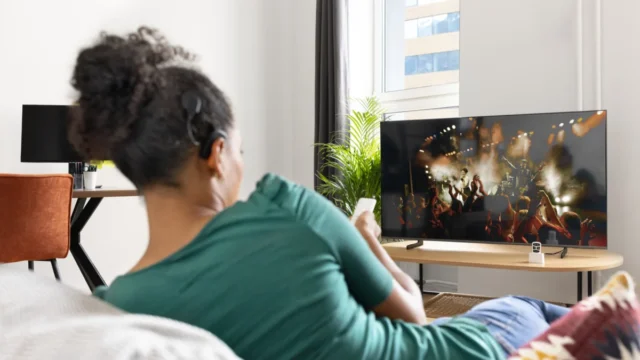
The question of whether one can enjoy music with a cochlear implant often elicits a nuanced response. While the perception of music may differ from that experienced with natural hearing, the answer is a resounding yes. Many cochlear implant users find immense pleasure in listening to music, attending concerts, singing, and even playing musical instruments. The subjective experience of music is highly individual, and for some, it may take time and consistent exposure for the brain to adapt to processing musical nuances through the implant.
To foster this musical journey, a few strategies can be particularly beneficial. Starting with familiar melodies or simpler musical arrangements, such as those featuring a single instrument or vocalist, can aid the brain in interpreting the new auditory input. Consistent practice and exposure are crucial, allowing the auditory pathways to develop and refine their ability to process complex soundscapes.
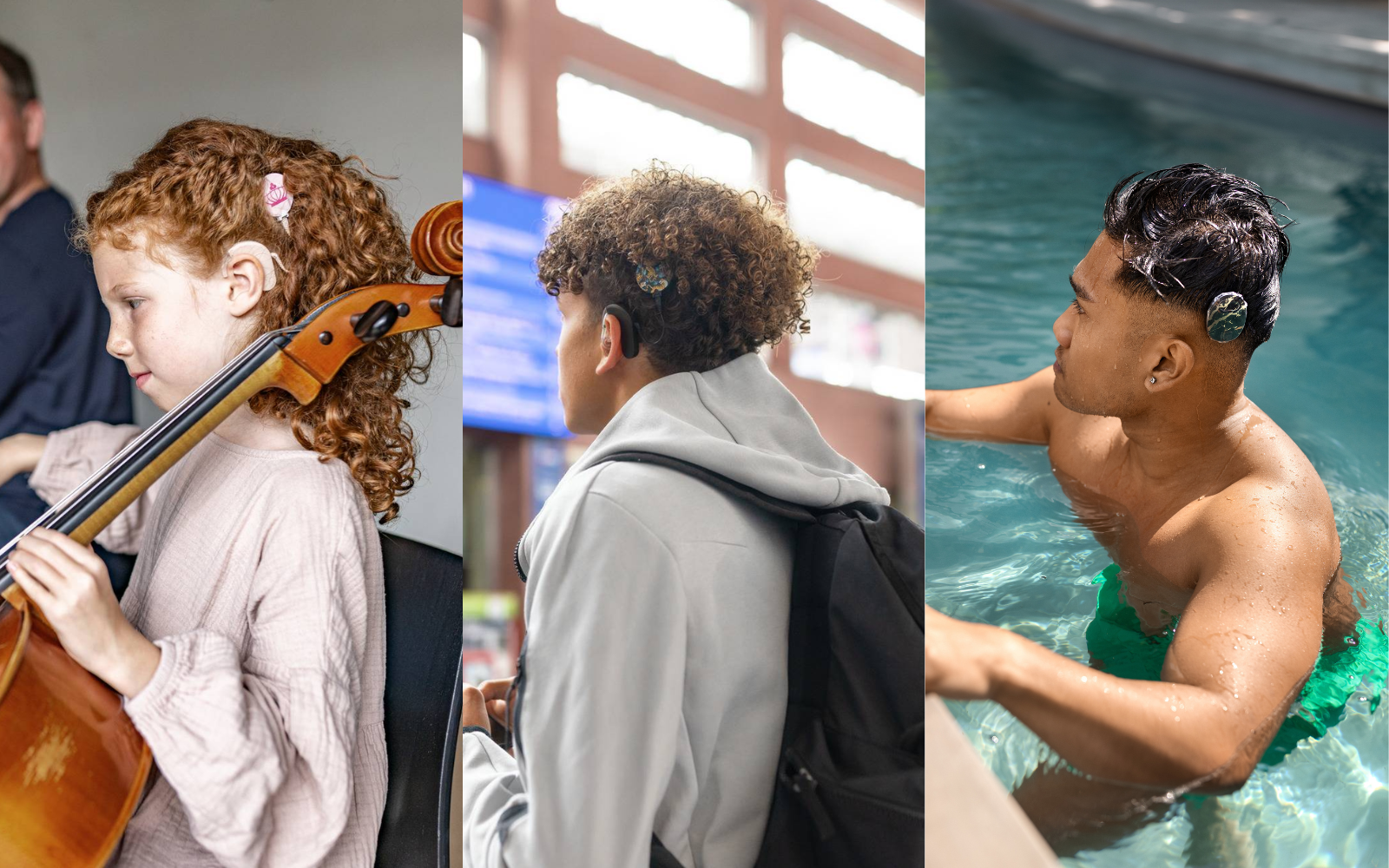
Technological advancements have further enhanced the music listening experience. Many modern audio processors, such as the MED-EL SONNET 3, feature direct streaming capabilities. This allows for music to be sent wirelessly from a compatible smartphone or tablet directly to the audio processor, delivering high-quality stereo sound. For devices like the MED-EL RONDO 3, the AudioStream Adapter facilitates similar direct streaming. This feature bypasses potential interference and provides a clearer, more immersive auditory experience, making it easier to appreciate the richness of music. The more individuals engage with music through their cochlear implants, the more opportunities their brains have to learn, adapt, and rediscover the joy of auditory engagement.
Global Exploration: Travel with Confidence
The prospect of travel, often associated with navigating unfamiliar environments and logistical challenges, might seem daunting for individuals with cochlear implants. However, cochlear implants are remarkably travel-friendly. Whether embarking on a short domestic flight or a long-haul international journey, recipients can explore the world with confidence.
Airport security procedures are generally safe for cochlear implant users. It is advisable to inform security personnel about the presence of a medical device and to carry an implant identification card. This proactive communication can streamline the screening process.
To ensure a smooth travel experience, a degree of preparation is recommended. Essential cochlear implant equipment should always be packed in carry-on luggage. This includes spare batteries or charging devices, cleaning supplies, and any necessary adapters. For extended trips, it may be prudent to pack spare parts or a backup audio processor if available and recommended by the manufacturer. Familiarizing oneself with travel tips specifically designed for cochlear implant users can further enhance the ease of travel.
Embracing Aquatic Adventures: Swimming and Hearing in Water
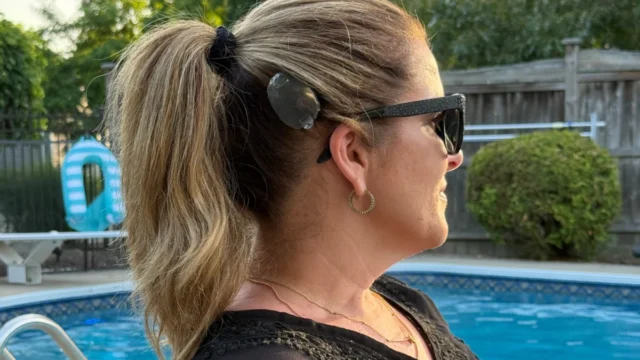
One of the most frequently cited surprises regarding cochlear implants is the ability to swim with the device. The internal component of the cochlear implant is surgically placed beneath the skin, rendering it inherently safe in water. The external audio processor, however, requires protection. With the use of specialized accessories like WaterWear, the audio processor can be made fully waterproof.
This allows recipients to fully enjoy a wide range of water-based activities, including swimming, snorkeling, and even participating in water sports. The ability to hear underwater, or at least to have the audio processor function reliably in wet environments, opens up new avenues for recreation and social engagement. Ensuring the audio processor is securely attached is crucial, especially during vigorous water activities. Various fixation options, such as headbands, swim caps, or attachment clips, can provide added security and prevent accidental displacement.
Staying Active: Sports and Physical Pursuits
A cochlear implant should not be a barrier to an active lifestyle. Activities such as running, hiking, cycling, dancing, yoga, and skiing are all well within reach for individuals with cochlear implants. Many recipients actively participate in recreational sports, with some even achieving elite levels of competition.
The primary considerations for engaging in sports are protecting the implant area and securing the external audio processor. For high-impact activities or those with a risk of the processor dislodging, a fixation accessory is highly recommended. This ensures the processor remains in place during vigorous movements.

When participating in sports that require a helmet, such as cycling, skiing, or horseback riding, it is essential to ensure a proper fit that does not exert undue pressure on the implant or audio processor. Close consultation with a hearing care professional is advised for contact sports or activities with a significant risk of head impact. They can provide guidance on suitable protective measures and advise whether the audio processor should be removed for specific activities.
Thrills and Excitement: Amusement Park Adventures
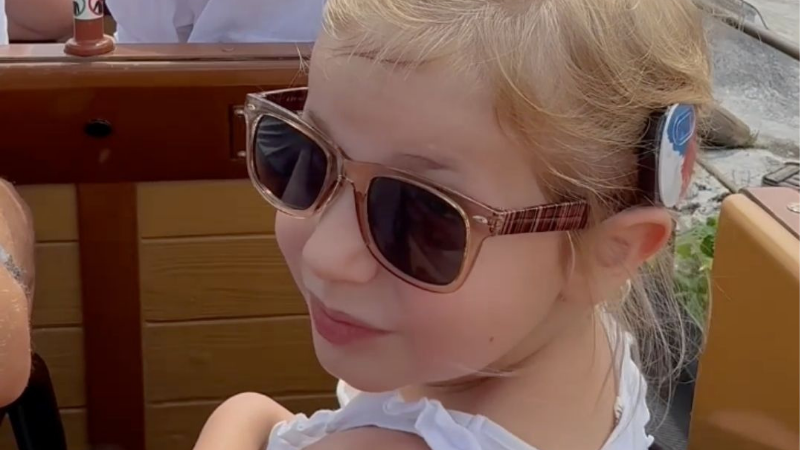
Amusement parks, with their exhilarating rides and vibrant atmosphere, are generally accessible to cochlear implant users. The majority of rides, including roller coasters, are safe to enjoy. The key precaution is to ensure the processor is securely attached to prevent it from falling off during rides.
For high-speed or high-impact attractions, it is advisable to follow the specific guidance provided for the individual’s cochlear implant system and adhere to the safety instructions issued by the ride operators. In cases of uncertainty regarding a particular ride, contacting the local MED-EL team for clarification before visiting the park is a prudent step.
Medical Procedures: MRI Scans and Dental Care
The ability to undergo medical procedures is a critical aspect of health management for any individual.
MRI Scans: The prospect of undergoing an MRI scan with a cochlear implant is a valid concern, and the answer hinges on the specific implant model. All MED-EL cochlear implants manufactured since 1994 are classified as MR conditional. This designation signifies that MRI scans can be performed safely, provided that the specific conditions outlined for the particular implant model are meticulously followed. For recipients of the MED-EL SYNCHRONY series implants, MRI scans at both 1.5 Tesla and 3.0 Tesla are typically achievable without the need for magnet removal. This eliminates the requirement for additional surgery and periods of temporary hearing loss. As with any medical procedure, it is imperative to inform healthcare providers and the radiology team about the presence of a cochlear implant prior to the scan. They will then review the MRI conditions pertinent to the implant model to ensure a safe and successful examination.
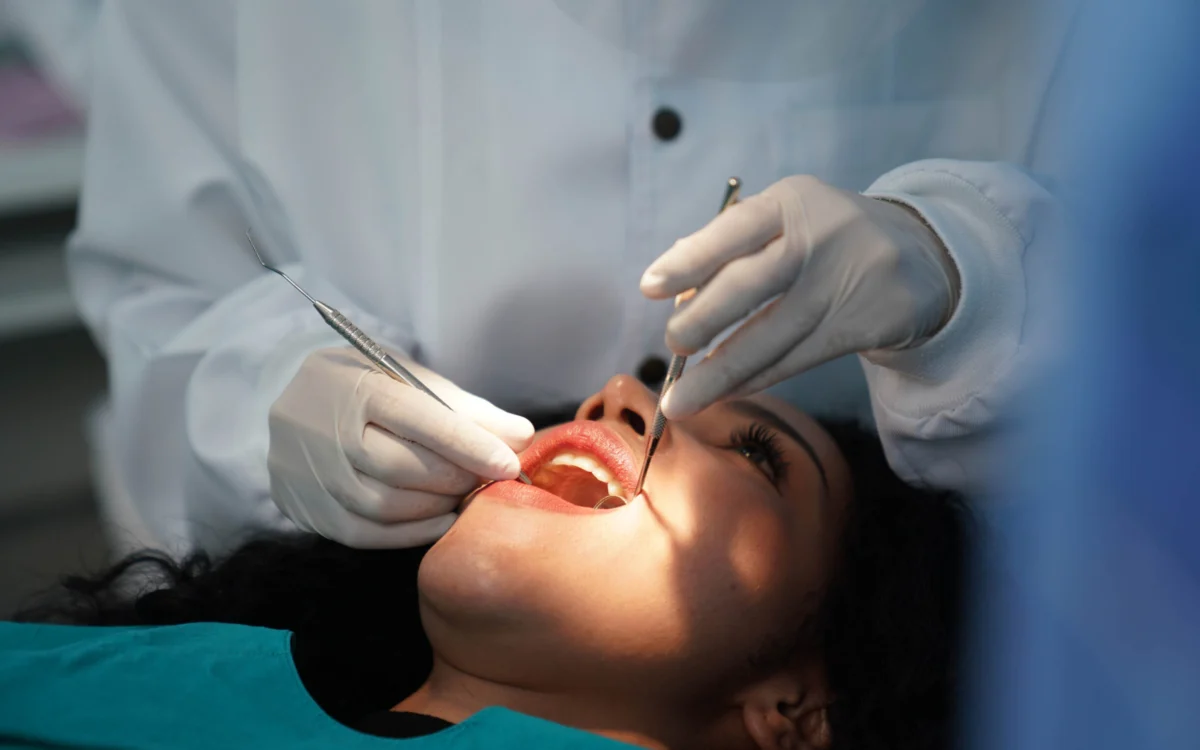
Dental Procedures: Routine dental care is generally possible for individuals with cochlear implants. However, certain dental equipment and procedures may necessitate specific precautions. It is crucial to inform the dentist about the cochlear implant before any treatment commences. Depending on the nature of the procedure and the equipment used, particularly tools that generate strong energy or vibrations, the dentist may need to adhere to specific safety protocols. Further information on medical procedures compatible with cochlear implants can be found in comprehensive guides, which detail which procedures are advisable and which should be approached with caution.
Personal Expression: Tattoos and Cosmetic Procedures
The desire for personal expression extends to body art, and cochlear implant recipients are not excluded from this. Tattoos can be obtained as long as the application is not in close proximity to the implant site. Similarly, if considering tattoo removal, laser treatments require extra caution and should not be performed near the implanted area. The heat generated by lasers can potentially transfer energy and impact the implant.
In both tattooing and tattoo removal, informing the artist or technician about the cochlear implant beforehand is essential. When in doubt, consulting with the local MED-EL team for guidance is always recommended. Beyond tattoos, information on other cosmetic procedures and their compatibility with cochlear implants is readily available.

Culinary Pursuits: Cooking with Modern Appliances
The use of modern kitchen appliances, such as induction cooktops, is a common query. Individuals can indeed cook with induction stoves, but with a few important considerations. When an induction cooking zone is active, it is advised to maintain a distance of at least 5-10 cm (2-4 inches) between the audio processor and the cooktop. During typical cooking, the presence of pots and pans naturally helps in maintaining this distance.
If there is a need to bring the head or audio processor closer to the cooktop, for instance, during cleaning or reaching over it, the cooking zone should be switched off first. It is always advisable to consult the user manual for the specific CI’s external components, as recommendations can vary based on the audio processor model and other equipment.
Situations Requiring Enhanced Vigilance and Precaution
While the majority of everyday activities are entirely safe and manageable with a cochlear implant, there are specific scenarios that warrant heightened awareness and the implementation of particular precautions to safeguard the device and ensure uninterrupted hearing.
Playground Play and Static Electricity
A less commonly anticipated concern arises from plastic playground equipment, which can generate static electricity. A static discharge, while generally not dangerous, can cause the audio processor to momentarily cease functioning or reset. This temporary interruption in hearing, though usually brief, can be disconcerting.
To mitigate this risk, simple measures can be effective. Keeping the audio processor in contact with a conductive object, such as a metal railing, before touching plastic surfaces can help discharge any accumulated static. Additionally, wearing cotton clothing, which is less prone to static buildup than synthetic materials, can also be beneficial. Reviewing the user guide for further recommendations specific to the CI model is also advisable.
Saunas and Steam Rooms
While the internal cochlear implant remains safely in place, the external audio processor requires special consideration when visiting saunas or steam rooms. High temperatures and humidity can potentially damage the external components. Therefore, the audio processor should be removed before entering saunas with temperatures exceeding 50 degrees Celsius (122 degrees Fahrenheit).
Strong Magnets and Electromagnetic Fields
While everyday magnets and common electronic devices pose no significant threat, exposure to particularly strong magnetic or electromagnetic fields requires careful attention. Environments such as industrial settings, areas with high-voltage equipment, or specific medical procedures may present stronger fields.
For individuals working in or frequently exposed to such environments, or those engaging in hobbies that involve powerful magnets, it is crucial to consult the instructions for their specific cochlear implant system. Direct communication with the local MED-EL team is recommended to obtain tailored advice and ensure appropriate precautions are taken.
Cultivating Confidence: Living a Full and Unrestricted Life
Perhaps the most profound realization for many cochlear implant recipients is the degree to which normal everyday life can be maintained and even enhanced. Individuals with cochlear implants travel extensively, pursue fulfilling careers, engage in vigorous exercise, prepare meals, play with their children, attend concerts, explore new cultures, and dedicate themselves to cherished hobbies.
A thorough understanding of the few situations that necessitate extra care empowers individuals to approach their lives with confidence rather than restriction. This knowledge fosters a sense of agency, allowing them to focus on the vast possibilities that lie before them.
In instances of doubt or uncertainty regarding the safety of a particular activity, seeking guidance from a hearing care professional or the MED-EL team is always a valuable step. Their expertise, tailored to the specific implant and audio processor, can provide the necessary assurance and practical advice.
Ultimately, with the right information and a proactive approach, a cochlear implant serves as a powerful tool that enables individuals to shift their focus from perceived limitations to the boundless opportunities for enjoying life to its fullest. The journey with a cochlear implant is one of empowerment, continuous learning, and the rediscovery of sound and its myriad possibilities.
For further information or personalized guidance on specific procedures or activities, individuals are encouraged to reach out to their local MED-EL team.