
The study, a collaborative effort involving the ASU-Banner Neurodegenerative Disease Research Center, the ASU School of Life Sciences, the Banner Sun Health Research Institute, and the Mayo Clinic in Arizona, shifts the focus of Alzheimer’s prevention from late-life intervention to early-life metabolic management. By utilizing high-sensitivity blood tests, researchers were able to detect "silent" indicators of brain stress that are typically associated with patients twice or three times the age of the study participants.
The Role of Neurofilament Light Chain as a Warning Signal
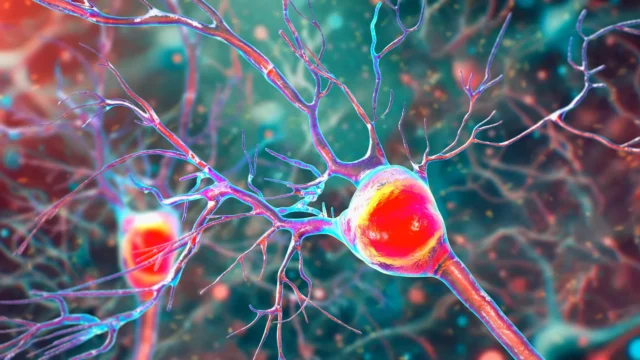
Central to the study’s findings is the detection of neurofilament light chain (NfL), a protein that has recently gained prominence in the field of neurology as a highly sensitive biomarker for axonal injury. In a healthy brain, NfL acts as a structural component of the cytoskeleton within neurons. When these brain cells are damaged or undergo stress, NfL leaks into the cerebrospinal fluid and eventually into the bloodstream.
In the ASU study, young adults with obesity exhibited significantly higher levels of circulating NfL compared to their healthy-weight peers. This discovery is particularly striking because the participants showed no outward signs of cognitive impairment or behavioral changes. The presence of NfL suggests that even in the absence of clinical symptoms, the physical architecture of the brain may already be sustaining micro-damage due to the systemic effects of obesity.
This biological signature mirrors what is often seen in the early stages of mild cognitive impairment (MCI) and Alzheimer’s disease. By comparing the data from these young adults with existing data from older populations, the researchers confirmed that the metabolic profile of a young adult with obesity bears a startling resemblance to the profile of an aging individual on the path to dementia.
Choline: The Essential but Overlooked Nutrient
A secondary but equally vital component of the research focuses on choline, an organic, water-soluble compound that is neither a vitamin nor a mineral but is often grouped with the B-vitamin complex. Choline is a powerhouse for human health; it is required for the synthesis of phospholipids, which are essential for cell membrane integrity, and it serves as a precursor for acetylcholine, a neurotransmitter critical for memory, mood, and muscle control.
The study revealed that participants with obesity had substantially lower blood levels of choline. Furthermore, these low levels were directly correlated with higher markers of inflammation and increased NfL. This suggests that choline may act as a protective buffer against the neurotoxic effects of metabolic stress.
Despite its importance, choline remains one of the most under-consumed nutrients in the modern Western diet. According to National Health and Nutrition Examination Survey (NHANES) data, approximately 90% of the U.S. population does not meet the Adequate Intake (AI) levels for choline, which are set at 550 mg per day for men and 425 mg per day for women. The ASU study highlights that this deficiency is particularly prevalent among young adults and teenagers, a demographic that is also seeing a sharp rise in obesity rates.
Gender Disparities and Cognitive Risk
The researchers noted a significant gender-based finding: women in the study cohort had lower circulating choline levels than men. This observation is particularly relevant to the broader context of Alzheimer’s research, as women are disproportionately affected by the disease, representing nearly two-thirds of all cases in the United States.
While the biological reasons for this disparity are still being explored, the researchers suggest that lower choline levels may exacerbate the vulnerability of the female brain to metabolic insults. Estrogen plays a role in the body’s internal production of choline, but as women age or face metabolic challenges like insulin resistance, the demand for dietary choline may increase. The study underscores the need for targeted nutritional strategies to support brain health in women starting in early adulthood.
The Intersection of Obesity and Systemic Inflammation
Obesity is frequently described as a state of chronic, low-grade inflammation. The ASU study confirmed this by measuring elevated levels of inflammation-promoting proteins and enzymes indicative of liver strain. When the body carries excess adipose tissue, particularly visceral fat, it releases pro-inflammatory cytokines into the bloodstream. These chemicals can cross the blood-brain barrier, leading to neuroinflammation—a known driver of Alzheimer’s pathology.
The research team found that liver enzymes were elevated in the obese cohort, suggesting that metabolic dysfunction in the liver may be a precursor to brain stress. The liver and the brain are linked via the metabolic system; when the liver is stressed by insulin resistance or fatty liver disease, it loses its ability to regulate systemic inflammation effectively, leaving the brain vulnerable.
"This research adds to the growing evidence that choline is a valuable marker of metabolic and brain dysfunction," says Ramon Velazquez, the lead author of the study and a researcher at the ASU-Banner Neurodegenerative Disease Research Center. Velazquez emphasizes that the link between reduced blood choline and behavioral changes, such as anxiety and memory impairment, is becoming increasingly clear in scientific literature.
Implications for Modern Weight-Loss Therapies
The study arrives at a time when the landscape of obesity treatment is being transformed by GLP-1 receptor agonists, such as semaglutide and tirzepatide. While these medications are highly effective at inducing weight loss and improving cardiovascular markers, they work primarily by suppressing appetite and slowing gastric emptying.
The ASU researchers raise a cautionary note regarding nutrient density during rapid weight loss. If individuals on these medications significantly reduce their caloric intake without prioritizing nutrient-rich foods, they may inadvertently worsen a choline deficiency. The study suggests that future clinical trials should investigate whether supplementing GLP-1 therapies with choline could enhance the neuroprotective benefits of weight loss, ensuring that "getting thin" does not come at the expense of brain health.
Methodology and Comparative Analysis
The study was meticulously designed to isolate the effects of obesity on young biology. The researchers recruited 30 adults in their 20s and 30s, ensuring an even split between those with a Body Mass Index (BMI) in the "healthy" range and those in the "obese" range. By focusing on this narrow age window, the team could exclude the confounding variables of age-related wear and tear.
Participants provided fasting blood samples, which were analyzed for:
- Circulating Choline: To assess nutritional status.
- Inflammatory Cytokines: To measure systemic immune activation.
- Insulin and Glucose: To evaluate metabolic health and insulin resistance.
- Liver Enzymes: To check for hepatic stress.
- NfL Levels: To detect early-stage neuronal injury.
The data was then cross-referenced with longitudinal data from older adults. The finding that the low-choline/high-NfL signature was consistent across both young adults with obesity and older adults with Alzheimer’s provides compelling evidence that the "seeds" of neurodegeneration are metabolic in nature.
A Call for Early Intervention and Dietary Awareness
The findings from ASU serve as a wake-up call for public health officials and the medical community. If the biological precursors of Alzheimer’s are detectable in a person’s 20s, the window for prevention is much wider than previously thought.
"Most people don’t realize they aren’t getting enough choline," says Wendy Winslow, the study’s first co-author. She advocates for a "food-first" approach to addressing these deficiencies. Choline-rich foods include:
- Whole Eggs: One of the most concentrated sources of choline.
- Animal Proteins: Beef liver, chicken, and fatty fish like salmon.
- Plant Sources: Beans, soybeans, and cruciferous vegetables such as broccoli and Brussels sprouts.
- Dairy: Milk and yogurt.
For those who cannot meet their needs through diet alone, supplementation may be a viable path, though the researchers stress that more study is needed to determine optimal dosing for brain protection.
Conclusion and Future Directions
The study concludes that good metabolic health and adequate choline intake in young adulthood are the "groundwork for healthy aging," as stated by co-author Jessica Judd. By identifying these biomarkers early, there is an opportunity to shift the paradigm of healthcare from reactive treatment to proactive prevention.
The research team at ASU plans to continue this line of inquiry by conducting longitudinal studies to see if increasing choline intake in young adults with obesity can actively lower NfL levels and reduce the risk of cognitive decline later in life. As the global obesity epidemic continues to grow, understanding the metabolic links to brain health will be essential for preventing a projected surge in dementia cases in the coming decades.
This study reinforces a simple but profound truth: the health of the body and the health of the brain are inseparable. What happens at the dinner table and in the metabolic systems of young adults may well determine the cognitive clarity of their senior years.