
The Evolving Landscape of Hearing Restoration
The field of audiology and medical technology has witnessed significant advancements in recent decades, moving beyond traditional amplification methods to offer solutions for individuals with profound hearing loss who find little to no benefit from conventional hearing aids. Hearing implants, first introduced in the mid-20th century, have revolutionized the possibilities for regaining auditory function and improving communication for millions worldwide. These devices are not merely more powerful versions of hearing aids; they are fundamentally different in how they interact with the auditory system, often bypassing damaged or non-functional parts of the ear to deliver sound signals directly to the auditory nerve or brain.
What Exactly Are Hearing Implants?
At their core, hearing implants are medical devices comprising an implanted component, which is surgically placed within the body, and an external audio processor, which is typically worn externally. This external component captures sound, processes it, and transmits it to the internal implant. The implant then converts this processed sound into electrical signals that stimulate the auditory pathway, enabling the brain to perceive sound. They are specifically designed for individuals whose hearing loss is too severe for hearing aids to provide adequate benefit, or for whom hearing aids are medically unsuitable. The term "hearing implants" is an umbrella category encompassing various technologies, including cochlear implants, bone conduction implants, middle ear implants, and auditory brainstem implants, each tailored to address distinct types and degrees of hearing loss.
Differentiating Hearing Implants from Hearing Aids
A crucial distinction lies between hearing aids and hearing implants. Conventional hearing aids function by amplifying ambient sounds, which are then channeled through the ear canal to the eardrum and middle ear, relying on the natural hearing pathway to transmit signals to the inner ear and brain. This amplification approach is highly effective for individuals with mild to moderate hearing loss where the auditory pathway remains largely intact.
In contrast, hearing implants are designed to circumvent or directly stimulate specific parts of the auditory system that are not functioning optimally. For instance, cochlear implants bypass damaged hair cells in the cochlea, while bone conduction implants bypass issues in the outer or middle ear. This fundamental difference in mechanism means that hearing implants are not interchangeable with hearing aids and are indicated for more severe or complex hearing loss conditions.

| Solution | How They Work | When They May Be Considered |
|---|---|---|
| Hearing Aids | Amplify sound, which is then sent through the ear canal. | For mild and moderate degrees of hearing loss when amplified sound can still be processed effectively. |
| Hearing Implants | Bypass, stimulate, or directly activate parts of the hearing pathway. | When hearing aids do not provide adequate benefit, cannot be used, or are not appropriate for the type of hearing loss. |
The Spectrum of Hearing Implant Technologies
The selection of a hearing implant is highly individualized, determined by a thorough audiological and medical evaluation. Several primary types of surgical hearing implants are available, each addressing specific auditory challenges:
Cochlear Implants (CIs)
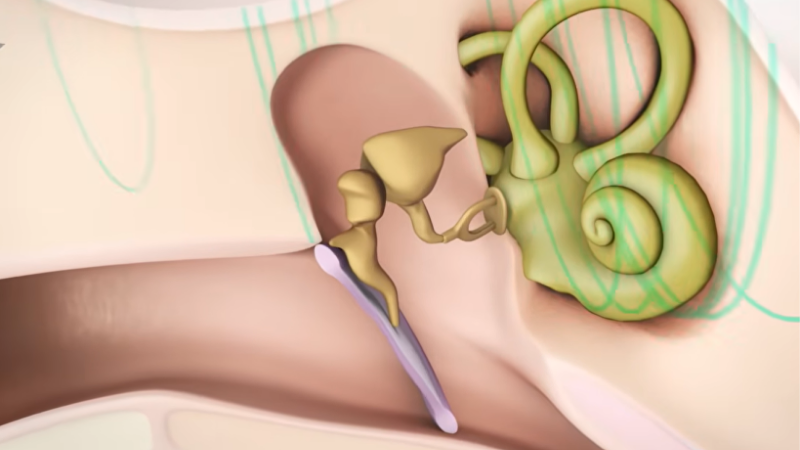
Cochlear implants are the most widely recognized type of hearing implant, designed for individuals with severe to profound sensorineural hearing loss. This type of hearing loss occurs when the inner ear (cochlea) or the auditory nerve is damaged, impairing the ability to convert sound vibrations into electrical signals that the brain can interpret.
How They Work: A cochlear implant system consists of an internal component and an external audio processor. The external processor captures sound and converts it into digital signals. These signals are then transmitted wirelessly to the internal implant, which is surgically placed under the skin behind the ear. From the internal implant, an electrode array is carefully threaded into the cochlea. This array bypasses the damaged hair cells and directly stimulates the auditory nerve fibers with electrical impulses, which the brain then perceives as sound.
Who They Help: Cochlear implants are typically recommended for individuals who experience limited or no benefit from powerful hearing aids. Candidacy is determined by rigorous audiological testing, including pure-tone audiometry and speech recognition tests, to assess the degree of hearing loss and the effectiveness of hearing aid use.
Key Considerations: The process of receiving a cochlear implant is comprehensive, involving a detailed evaluation, surgery, activation of the device, ongoing programming (fitting), and extensive auditory rehabilitation. Rehabilitation is a crucial component, as users learn to interpret the new auditory input and develop listening skills. For many, the goal is to achieve sound quality that is as close to natural hearing as possible. Technologies like long electrode arrays, which preserve the cochlea’s tonotopic organization, and advanced signal processing aim to provide a more natural representation of pitch and sound.
Bone Conduction Implants
Bone conduction implants offer an alternative solution for specific types of hearing loss, particularly those involving conductive or mixed hearing loss, or single-sided deafness.

How They Work: Unlike cochlear implants that stimulate the inner ear directly, bone conduction implants transmit sound vibrations through the bones of the skull to reach the inner ear. This process bypasses any impediments in the outer or middle ear that might be blocking or distorting sound waves. The internal component of a bone conduction implant is typically placed under the skin, and an external processor attaches to it magnetically or mechanically. When the external processor receives sound, it vibrates, and these vibrations are conducted through the bone to the cochlea.
Who They Help: These implants are beneficial for individuals with conductive hearing loss (problems in the outer or middle ear), mixed hearing loss (a combination of conductive and sensorineural loss), or single-sided deafness (profound hearing loss in one ear). They are also an option for individuals who cannot wear conventional hearing aids due to chronic ear infections or malformations of the ear canal or middle ear.
Key Considerations: Bone conduction implants can be available as surgically implanted devices or as non-surgical hearing aids that attach to a soft or hard band. For surgically implanted systems, the procedure involves placing the implant beneath the skin, allowing for a more stable and cosmetically discreet solution. While they bypass the outer and middle ear, they still rely on a functioning inner ear and auditory nerve.
Middle Ear Implants
Middle ear implants represent a sophisticated technology that mechanically stimulates structures within the middle ear, offering a solution for individuals with conductive, mixed, or even certain types of sensorineural hearing loss.
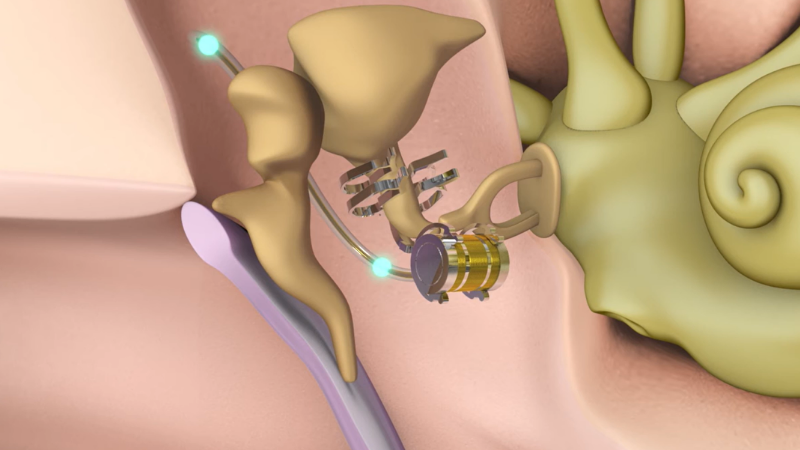
How They Work: These implants are designed to enhance the natural mechanical processes of the middle ear. They typically involve an internal component that is surgically placed to interact with the ossicles (malleus, incus, stapes) or the oval window. An external audio processor captures sound and transmits it to the internal device, which then vibrates a transducer that directly moves the middle ear structures or the fluid in the cochlea.
Who They Help: Middle ear implants can be considered for individuals with conductive or mixed hearing loss where traditional hearing aids are insufficient or impractical. They can also be an option for individuals with mild to severe sensorineural hearing loss who may not be candidates for cochlear implants or who prefer an alternative approach. They are particularly useful when outer or middle ear issues prevent effective sound delivery or when hearing aids are not well-tolerated.
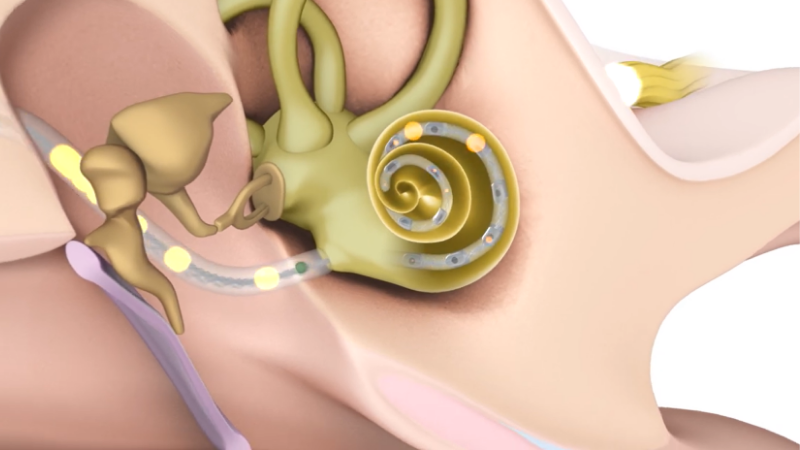
Key Considerations: The effectiveness of middle ear implants depends on the precise nature of the hearing loss and the condition of the middle ear structures and inner ear. They are not a one-size-fits-all solution and require careful assessment by a specialized audiologist and ENT surgeon.
Auditory Brainstem Implants (ABIs)
Auditory Brainstem Implants (ABIs) are highly specialized devices used in rare and complex cases where the auditory nerve is non-functional or absent.
How They Work: Unlike other implants that stimulate the cochlea or middle ear, an ABI directly stimulates the auditory centers within the brainstem. It bypasses both the cochlea and the auditory nerve entirely. The internal component is surgically implanted, and an electrode array is placed on the surface of the brainstem.
Who They Help: ABIs are typically reserved for individuals who have lost their hearing due to conditions that damage the auditory nerve, such as neurofibromatosis type 2 (NF2), or in specific cases following surgery to remove tumors that affect the auditory nerve, or in instances of severe congenital abnormalities.
Key Considerations: ABI implantation is a complex neurosurgical procedure with a higher risk profile than other hearing implant surgeries. Candidacy is determined through extensive multidisciplinary evaluations, and the expected outcomes are generally different from those of cochlear implants, often focusing on providing awareness of environmental sounds rather than detailed speech comprehension.
Who Is a Candidate for Hearing Implants?
Determining candidacy for a hearing implant is a multifaceted process that goes beyond simply having a hearing loss. It involves a comprehensive assessment of the individual’s auditory system, overall health, and personal communication goals.
General Candidacy Factors:
- Type and Degree of Hearing Loss: The specific type and severity of hearing loss are primary determinants. For example, severe to profound sensorineural hearing loss is the primary indication for cochlear implants.
- Benefit from Hearing Aids: For cochlear implant candidacy, individuals typically must demonstrate limited benefit from appropriately fitted and powered hearing aids.
- Medical and Anatomical Suitability: The individual’s ear anatomy and overall health must be suitable for surgery. Conditions like chronic ear infections or structural abnormalities can influence candidacy.
- Auditory Nerve Function: For cochlear implants, the auditory nerve must be present and capable of being stimulated.
- Communication Goals: The individual’s desire and commitment to improve communication and engage in auditory rehabilitation are important.
- Age: While hearing implants can benefit individuals of all ages, the timing of implantation can be critical for children to support language and speech development.
Evaluation Process:
To determine candidacy, healthcare professionals typically perform:
- Comprehensive Audiological Evaluations: Including pure-tone audiometry, speech audiometry, and tests to assess hearing aid benefit.
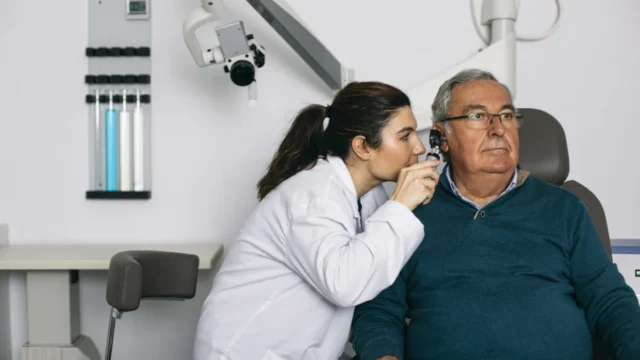
- Medical Examinations: An otolaryngologist (ENT specialist) will assess the ear anatomy and overall health.
- Imaging Studies: CT or MRI scans may be used to visualize the cochlea, auditory nerve, and middle ear structures.
- Speech and Language Assessments: Particularly important for children to evaluate developmental progress.
The decision-making process is collaborative, involving audiologists, ENT surgeons, and often speech therapists, who consider the individual’s age, hearing history, communication goals, lifestyle, and their willingness to participate actively in post-implantation rehabilitation.
The Surgical Journey: What to Expect
The surgical implantation of a hearing device is a significant step in the hearing restoration process. While the specific procedure varies depending on the type of implant, several general stages are involved:
- Pre-operative Evaluation: This includes comprehensive audiological and medical assessments to confirm candidacy and plan the surgery.
- Anesthesia: The surgery is performed under general anesthesia.
- Implantation:
- Cochlear Implants: A small incision is made behind the ear. The internal receiver/stimulator is placed under the skin, and an electrode array is carefully inserted into the cochlea through a small opening.
- Bone Conduction Implants: The implant is surgically placed under the skin, often anchored to the bone, to facilitate sound transmission via vibration.
- Middle Ear Implants: The internal component is surgically positioned to interact with the middle ear structures.
- Auditory Brainstem Implants: A more complex neurosurgical procedure involving direct access to the brainstem.
- Closure: The incision is closed, and the patient is monitored during recovery.
- Post-operative Care: This involves managing pain, monitoring the surgical site, and scheduling follow-up appointments.
The duration of the surgery typically ranges from one to three hours. Many patients can return home the same day or after a short hospital stay. The period between surgery and the activation of the implant is crucial for healing, usually several weeks.
Activation, Fitting, and Rehabilitation
Following a period of healing, the external audio processor is activated. This marks the beginning of a new auditory experience.
- Activation: The external processor is turned on for the first time, and initial sound is presented.
- Fitting/Mapping: This is an ongoing process where an audiologist adjusts the settings of the audio processor to optimize sound quality and speech understanding. This is akin to "tuning" the implant. Multiple fitting sessions are usually required.
- Auditory Rehabilitation: This is a vital component of the hearing implant journey. It involves therapy and practice to help the brain learn to interpret the new electrical signals as meaningful sound and speech. Rehabilitation can include listening exercises, speech therapy, and strategies for improving communication in various environments.
The Transformative Benefits of Hearing Implants
The benefits of hearing implants can be profound, significantly improving a person’s quality of life and ability to communicate. While individual outcomes vary, common benefits include:
- Improved Speech Understanding: Many users experience a significant enhancement in their ability to understand spoken language, even in noisy environments.
- Enhanced Awareness of Environmental Sounds: Implants provide access to a wider range of sounds, such as doorbells, alarms, traffic, and music, contributing to greater safety and enjoyment of life.
- Better Communication: Improved hearing facilitates more effective conversations with family, friends, and colleagues, reducing social isolation.
- Access to Music and Other Sounds: With practice and rehabilitation, many implant users can enjoy music and other nuanced auditory experiences.
- Support for Language Development in Children: Early implantation in children with severe to profound hearing loss can significantly support their development of speech, language, and cognitive skills.
For individuals with single-sided deafness, bone conduction implants can provide binaural hearing, improving sound localization and speech understanding in noisy situations.
MED-EL’s Commitment to Natural Hearing
Companies like MED-EL are at the forefront of developing advanced hearing implant technologies. Their philosophy of "closest to natural hearing" emphasizes technologies designed to replicate the natural function of the ear, including the precise representation of pitch across the frequency spectrum. This is achieved through innovations such as long electrode arrays that preserve the cochlea’s tonotopic organization, advanced signal processing techniques like FineHearing technology, and highly individualized fitting options. These advancements aim to enhance the clarity and naturalness of sound perception, enabling users to navigate diverse listening environments more effectively. Features such as automatic sound management, directional microphones, and noise reduction algorithms further support listening in challenging conditions.
Navigating the Choice: Selecting the Right Implant
The decision to pursue a hearing implant and which type is most suitable is a significant one. A dedicated hearing healthcare team, comprising audiologists and ENT specialists, will guide this process. Key factors considered include:
- Detailed Hearing Loss Profile: The specific type, degree, and configuration of hearing loss.
- Anatomy of the Ear: The structure and condition of the outer, middle, and inner ear.
- Auditory Nerve Health: Its presence and functional capacity.
- Speech Recognition Scores: With and without hearing aids.
- Overall Health and Lifestyle: Any co-existing medical conditions and the individual’s daily communication needs.
- Personal Communication Goals: What the individual hopes to achieve with a hearing implant.
It is essential for individuals to ask thorough questions, such as:
- "What are the potential benefits and risks associated with each implant type?"
- "What is the expected outcome in terms of speech understanding and sound quality?"
- "What is the rehabilitation process like, and what level of commitment is required?"
- "What are the long-term management and follow-up requirements?"
Frequently Asked Questions About Hearing Implants
Are hearing implants permanent?
The internal component of a hearing implant is designed for long-term use, often lasting many years. The external audio processor is replaceable and can be upgraded as technology advances.

Can children receive hearing implants?
Yes, children with severe to profound hearing loss are often candidates for hearing implants. Early implantation is crucial for optimal speech, language, and cognitive development.
Do hearing implants restore normal hearing?
No, hearing implants do not restore hearing to its natural state. They provide access to sound by stimulating the auditory system in different ways, enabling better speech understanding and communication. Results vary by individual.
How long does hearing implant surgery take?
Most hearing implant surgeries take between one and three hours, depending on the complexity of the procedure and the type of implant.
Can you have an MRI with a hearing implant?
Many modern hearing implants are MRI compatible under specific conditions. It is crucial to inform your healthcare provider and the imaging team about your implant before any MRI scan.
Conclusion: A Path to Enhanced Auditory Experience
Hearing implants represent a remarkable advancement in audiology, offering life-changing solutions for individuals with severe to profound hearing loss. The journey from initial evaluation to successful rehabilitation is a testament to the collaborative efforts of medical professionals and the dedication of individuals seeking to reconnect with the world of sound. By understanding the different types of implants, their mechanisms, and the comprehensive process involved, individuals can make informed decisions about pursuing a hearing implant and embark on a path toward enhanced auditory experiences and improved communication.
For those who believe they might benefit from a hearing implant, consulting with a qualified audiologist or ENT specialist is the critical first step. These professionals can conduct the necessary evaluations and guide individuals toward the most appropriate hearing solution tailored to their unique needs and circumstances.