The Context of the Waiting Well Initiative
At the heart of the 2027 conference is the theme "Bridging the Gap: Waiting well with tinnitus." This thematic focus emerges from a critical need to support patients during the often-protracted period between initial symptom reporting and the commencement of clinical intervention. Research indicates that the psychological distress associated with tinnitus is frequently exacerbated by uncertainty and a lack of clear guidance during the waiting period.
Tinnitus UK has launched a formal investigation into this specific clinical "dead zone." The findings of this research, to be unveiled during the opening plenary session, will serve as a roadmap for the day’s discussions. The data, gathered through widespread public and clinical surveys, highlights a significant disconnect between patient expectations and the current capacity of the healthcare system. By examining these findings, the conference organizers hope to establish standardized protocols that provide immediate, accessible support tools, effectively "bridging" the gap for those left in limbo.
A Multidisciplinary Approach to Modern Audiology
The 2027 program has been meticulously designed to reflect the multifaceted nature of tinnitus, which requires input from psychology, neurology, audiology, and public policy. The agenda is divided into three distinct, concurrent streams: Systems and Big Thinking, Research and Innovation, and Practical Audiology. This structure acknowledges that while breakthroughs in laboratory settings are vital, they must be paired with operational efficiency and frontline clinical expertise.
The "Systems and Big Thinking" stream will address the macro-level challenges, such as the sustainability of current audiology services and the regional disparities in patient care. A key discussion point will be the "Welsh Quality Review of Tinnitus Services," a study expected to offer insights into how regional models might be adapted to national frameworks. Simultaneously, the "Research and Innovation" stream will tackle the surge of misinformation currently circulating in the digital space. With the rise of "miracle cure" marketing on social media platforms, the session titled "Miracle Cures, Misinformation and Hope" represents an essential effort by the scientific community to provide evidence-based rebuttals to unverified treatments.
Technical Evolution and Clinical Best Practice
The "Practical Audiology" stream is aimed squarely at the frontline professional. With sessions such as "The 3-Minute Somatic Screen" and "Making the First Tinnitus Appointment Count," the conference emphasizes high-impact, low-barrier clinical interventions. These sessions are intended to equip audiologists with tools that can be implemented immediately, even within the constraints of brief, high-volume clinic visits.
The inclusion of topics like "Mindfulness for Tinnitus and Clinicians" signals an industry-wide pivot toward holistic care. This reflects a broader medical consensus that treating tinnitus requires addressing the comorbid anxiety and distress that often accompany the auditory symptom. By training clinicians to manage their own stress and provide mindfulness techniques to patients, the sector hopes to improve the overall efficacy of sound therapy and hearing aid fittings.
Historical Perspective and Chronology of the Event
The planning for the 2027 conference began in earnest in the final quarter of 2026, driven by a post-pandemic shift in how auditory health services are delivered. As digital health consultations became standard in 2024 and 2025, the challenge of maintaining "human-centric" care became a priority for Tinnitus UK.

The timeline for the 2027 event is as follows:
- November 2026: Official opening of delegate registration and publication of the draft agenda.
- December 2026: Finalization of the speaker roster and peer-review process for research posters.
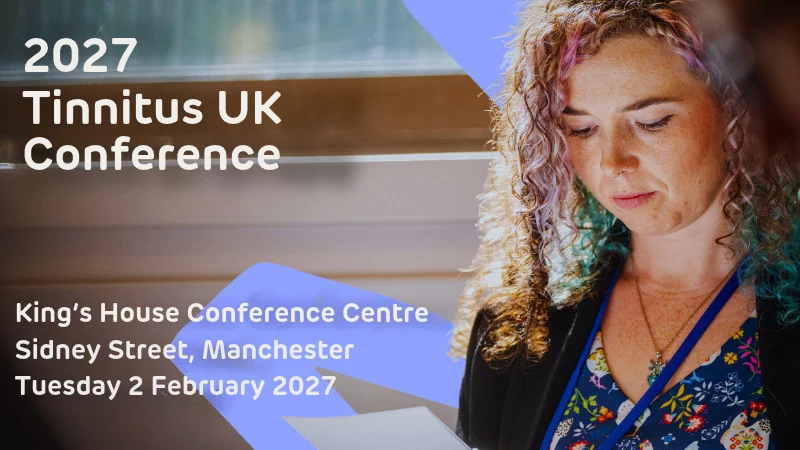
- February 2, 2027: The primary conference date at King’s House Conference Centre.
- March 2027 (Post-event): Launch of the on-demand library, ensuring that regional and international professionals who could not travel to Manchester gain access to the findings.
Data-Driven Strategies for Future Care
According to recent industry data, the demand for tinnitus-related services has risen by an estimated 12% annually since 2023. This surge is attributed to an aging population, increased exposure to high-decibel environments, and a greater public awareness of hearing health. However, funding and staffing have not kept pace with this demand, leading to increased pressure on secondary care services.
The conference aims to alleviate this pressure by advocating for "connected care." This involves integrating primary care physicians, mental health counselors, and specialized audiologists into a unified network. By moving away from siloed treatments, the organizers believe that patient satisfaction will rise, even if the primary physiological cause of the tinnitus remains complex to treat. The emphasis on "self-management" strategies, to be discussed in the afternoon sessions, is a direct response to the reality that clinical appointments will always be finite resources.
Institutional and Corporate Involvement
The conference is bolstered by the participation of various corporate partners, ranging from hearing aid manufacturers to software developers specializing in sound therapy. For these entities, the conference serves as a proving ground for new technologies. The exhibition space will allow for the demonstration of next-generation wearable sound therapy devices, which are currently being integrated into broader, AI-driven management platforms.
Tinnitus UK has implemented an incentive structure for these corporate members, offering complimentary attendance and professional development opportunities. This symbiosis between the third sector and the commercial audiology industry is vital for the scaling of new solutions. By aligning the goals of manufacturers with the clinical priorities of the healthcare providers, the conference fosters an environment where innovation is guided by clinical necessity rather than just commercial potential.
Implications for the Future of Auditory Health
The broader implication of the Tinnitus UK Conference 2027 is the potential for a paradigm shift in how chronic, non-curable conditions are managed within the national health framework. If the "Waiting Well" initiatives prove successful, they could provide a blueprint for other departments facing long patient backlogs.
The closing plenary, "The Future of Tinnitus Care," will attempt to synthesize these disparate threads into a coherent vision for the next decade. Experts predict that the future of care will be increasingly digitized, utilizing remote monitoring and personalized digital soundscapes, yet rooted in the fundamental human need for validation and community support. By the end of the conference, the aim is for every delegate to leave not only with updated clinical knowledge but with a renewed commitment to reducing the stigma and isolation that continue to plague tinnitus patients.
For those unable to attend the Manchester event in person, the commitment to providing all sessions on-demand is a significant step toward democratization of information. By removing the geographical and financial barriers to attending, Tinnitus UK is ensuring that the best practices discussed at the conference can be implemented in clinics across the country, regardless of their proximity to the urban center. This inclusive approach is essential for achieving the organization’s ultimate mission: a future where every person with tinnitus receives timely, effective, and compassionate support.