The Public Health Context of Vestibular Safety
The urgency of home modification is underscored by statistics from the Centers for Disease Control and Prevention (CDC), which identify falls as the leading cause of injury and injury-related death among adults aged 65 and older. For those with vestibular disorders, the risk is exponentially higher due to compromised balance, dizziness, and visual disturbances. The economic impact is equally significant; medical costs related to non-fatal fall injuries exceed $50 billion annually in the United States.
Experts in occupational therapy and vestibular rehabilitation emphasize that the "home hack" approach—systematic, low-to-mid-cost adjustments to the living space—can significantly reduce these risks. By addressing the three primary systems involved in balance—the vestibular system (inner ear), the visual system (eyes), and the proprioceptive system (touch and spatial awareness)—homeowners can create a "vestibular-friendly" environment that mitigates the frequency and severity of symptomatic episodes.
Chronology of Environmental Adaptation
The process of adapting a home for vestibular safety generally follows a specific trajectory, beginning with acute symptom management and progressing toward long-term structural changes.
- Initial Assessment and Immediate Hazards: Following a diagnosis or the onset of chronic vertigo, the first phase involves identifying immediate tripping hazards and light sensitivities.
- Visual Stabilization: Adjustments to lighting and decor are typically the next priority to reduce "visual vertigo" or the over-reliance on visual cues for balance.
- Structural Reinforcement: High-risk areas, such as bathrooms and stairwells, are modified with permanent fixtures like grab bars and improved handrails.
- Ergonomic Refinement: Long-term adjustments involve the integration of assistive tools and seating to accommodate daily tasks like cooking and cleaning.
- Psychological and Sensory Integration: The final stage focuses on creating "recovery zones"—areas designed for sensory deprivation or calming to help the nervous system reset after a flare-up.
Strategic Modifications for Visual and Sensory Regulation
A primary trigger for vestibular patients is photophobia, or light sensitivity, which is frequently comorbid with vestibular migraines. Traditional overhead lighting can be harsh and flickering, which the brain struggles to process when the vestibular system is already compromised. The installation of dimmer switches represents a high-impact, low-cost modification. By allowing for a gradual increase in luminosity, dimmers prevent the "shock" to the visual system that occurs in the morning or when moving between rooms. Journalistic analysis of patient outcomes suggests that "peaceful glow" lighting strategies allow the eyes to adapt without triggering the rapid eye movements (nystagmus) that often precede a dizzy spell.
Furthermore, the aesthetic design of a home plays a physiological role in balance. Visual "noise"—characterized by busy patterns, high-contrast wallpapers, and excessive clutter—can overwhelm a patient’s limited processing capacity. Minimalist design principles are increasingly recommended by vestibular specialists. Neutral color palettes and the removal of "tchotchkes" or decorative clutter help the brain focus on the horizon line and stable environmental cues, effectively reducing the cognitive load required to maintain balance.
Structural Interventions in High-Risk Zones
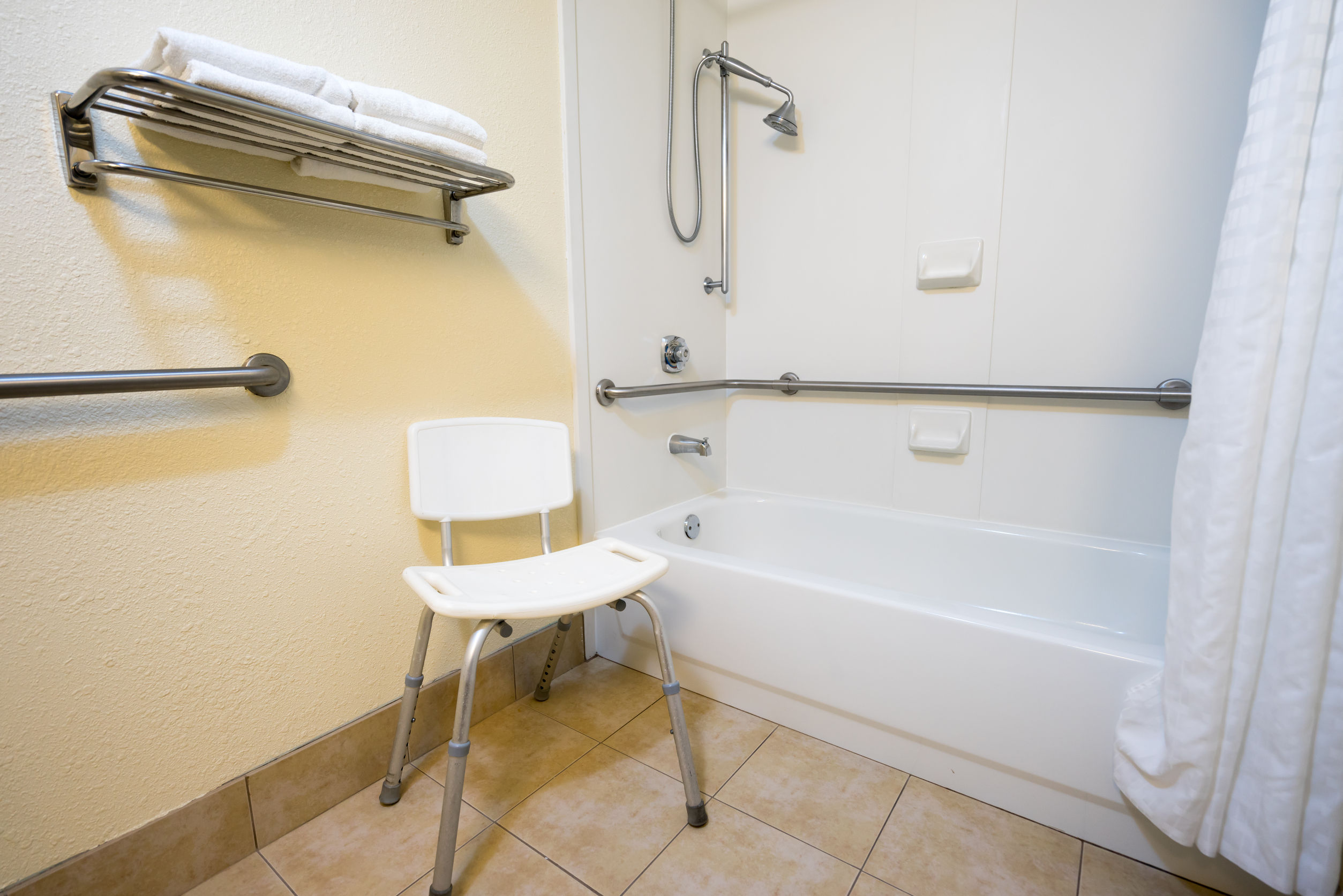
The bathroom remains the most hazardous room in the home for individuals with balance disorders. The combination of wet surfaces, the need for closed-eye activity (such as washing hair), and the physical exertion of standing or transitioning from sitting can lead to catastrophic falls. Data indicates that the installation of ADA-compliant grab bars in showers and near toilets can reduce the risk of bathroom-related falls by over 40%. These fixtures provide a "third point of contact," which is essential when the vestibular system fails to provide accurate spatial data.
Beyond the bathroom, the layout of furniture in high-traffic thoroughfares is a critical safety consideration. Occupational therapists recommend "environmental grounding," which involves arranging furniture so that a stable surface (the back of a sofa, a sturdy table, or a railing) is always within arm’s reach. This creates a continuous path of support, allowing the individual to navigate the home using tactile feedback to supplement their impaired sense of balance.
Ergonomics and the Integration of Assistive Technology
Chronic vestibular issues often lead to secondary physical complications, such as "cervicogenic dizziness," which stems from neck stiffness and poor posture as patients "freeze" their heads to avoid triggering vertigo. To combat this, ergonomic modifications in the kitchen are essential. The use of counter-height stools allows individuals to perform food preparation tasks while seated, reducing the demand on the postural muscles and preventing the exhaustion that often exacerbates dizziness.
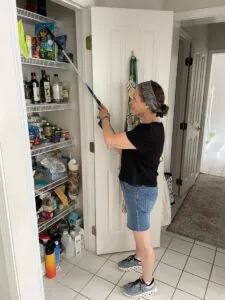
The use of "grabber tools" or reaching aids is another vital component of the vestibular-safe home. These tools eliminate the need for step stools or ladders—surfaces that are inherently dangerous for those with impaired equilibrium. By keeping the feet firmly on the ground and the head at a level gaze, patients can retrieve items from high shelves without inducing the head-tilt movements that frequently trigger Benign Paroxysmal Positional Vertigo (BPPV).
Communication and Emergency Preparedness
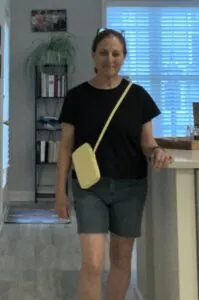
For individuals living alone with vestibular disorders, the risk of an "immobilizing event"—a vertigo attack so severe that the individual cannot stand or reach a phone—is a significant concern. Safety protocols now emphasize the "always-on" approach to communication. Rather than relying on landlines or leaving mobile phones on counters, experts suggest the use of lightweight wearable bags or lanyards to ensure the phone remains on the person at all times.
In addition to personal communication, community-based safety measures are often underutilized. For instance, many local fire departments offer programs to assist residents with high-altitude maintenance tasks, such as changing smoke detector batteries or air filters, specifically for those who are at high risk for falls. Utilizing these services is a key strategy in a comprehensive "safety first, design second" philosophy.
The Role of the "Recovery Zone" and Outdoor Grounding
The concept of the "sanctuary" extends to the creation of a dedicated recovery space. Vestibular rehabilitation often involves "habituation," but it also requires periods of "sensory rest." A designated comfort spot—equipped with a recliner, weighted blankets for proprioceptive input, and low-decibel audio options—allows the nervous system to recover from the overstimulation of daily activity.
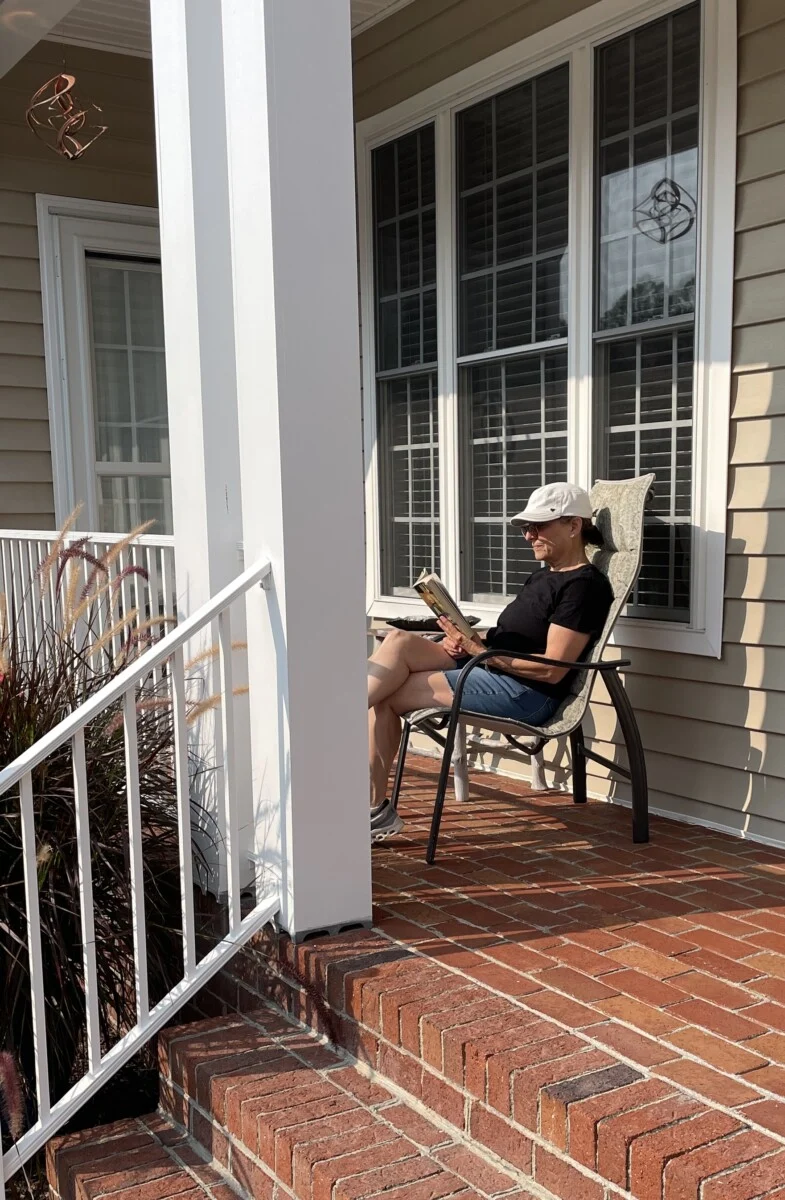
Outdoor spaces also contribute to vestibular health through "grounding" and exposure to natural light, which is essential for maintaining circadian rhythms. While light sensitivity must be managed with sunglasses, hats, and umbrellas, the sounds and sights of nature provide a different type of sensory input that can be therapeutic. Short intervals of outdoor exposure (15–20 minutes) can improve mood and reduce the sense of isolation that often accompanies chronic illness.
Broader Implications and Expert Analysis
The shift toward "vestibular-friendly" housing reflects a broader trend in universal design. As the global population ages, the demand for homes that accommodate sensory and balance impairments is expected to rise. Architects and interior designers are increasingly looking toward "inclusive design" that incorporates safety features—like dimmers, grab bars, and open floor plans—as standard elements rather than retrofitted "hacks."
From a healthcare policy perspective, the promotion of home modification is a cost-effective strategy. The investment in a $50 grab bar or a $100 dimmer system is negligible compared to the $30,000 average cost of a hospital stay for a hip fracture. As Rosalynn Carter famously stated, "There is nothing more important than a good, safe, and secure home." For the millions living with vestibular challenges, these modifications are the bridge between a life of restriction and a life of continued engagement with the world.
In conclusion, managing a vestibular disorder requires a multi-faceted approach that transcends medical treatment. By treating the home as a dynamic environment that can either hinder or help the recovery process, individuals can reclaim their sense of security. The integration of lighting control, structural supports, ergonomic tools, and sensory-neutral design creates a resilient living space that accommodates the unpredictable nature of chronic dizziness.